Uber Solidifies Global Media Strategy, Retaining Omnicom Media for Key Markets and Expanding Remit

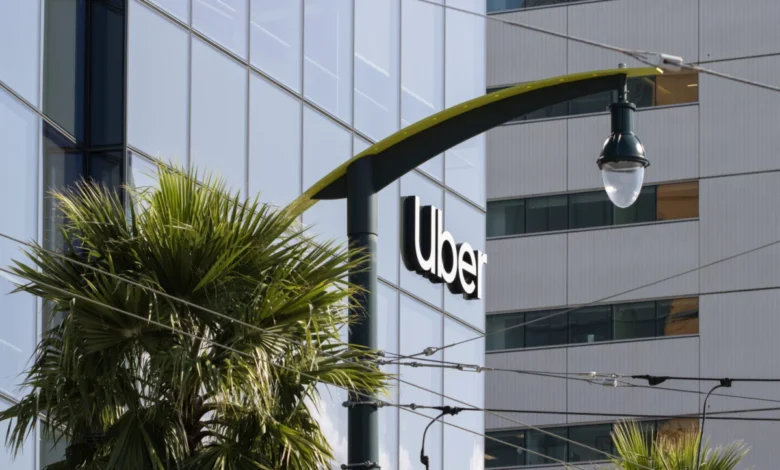
Rideshare and delivery behemoth Uber has formally announced the retention of Omnicom Media as its global agency of record (AOR) across a significant portion of its worldwide operations. This strategic decision, following a comprehensive review process, solidifies an existing partnership and expands Omnicom’s remit into new, high-growth areas, underscoring the critical role sophisticated media planning and buying plays in Uber’s continued global expansion and brand management. The renewed agreement, which sees PHD serving as the core agency supporting the business, encompasses Uber’s expansive presence across North America, Europe, the Middle East, Africa, and Latin America.
The confirmation from Omnicom Media highlights a continuity of service that will see its agencies continue to orchestrate media planning and buying for the technology giant in these crucial regions. A notable expansion within this renewed agreement includes an increased scope in Brazil, a pivotal market for Uber, alongside the significant addition of Uber’s burgeoning sports marketing business to Omnicom Media’s purview. This strategic move suggests an intensified focus by Uber on leveraging high-profile sports platforms to enhance brand visibility and engagement on a global scale.
A Highly Contested Global Media Review
The competitive pitch process that led to this decision unfolded throughout the second quarter of 2026, a testament to the meticulous and thorough evaluation undertaken by Uber to ensure its marketing investments are optimized for maximum impact. The review attracted participation from two of the world’s largest advertising holding companies: Omnicom and WPP. Global media reviews of this magnitude are standard practice for multinational corporations seeking to consolidate media spending, drive efficiencies, and gain access to the latest technological advancements and strategic insights offered by leading agency networks. For a company like Uber, with operations spanning dozens of countries and diverse cultural landscapes, selecting an AOR involves intricate considerations beyond mere cost, focusing heavily on global reach, data analytics capabilities, strategic foresight, and demonstrable return on investment.
While Omnicom Media has secured the vast majority of Uber’s global media business, WPP, another industry titan, confirmed its continued management of Uber’s media business across the strategically vital Asia-Pacific (APAC) region. This arrangement ensures continuity in a market where Uber’s brand dynamics and competitive landscape often differ significantly from Western markets. According to data from COMvergence, a leading independent research firm specializing in tracking media agency spend, Uber’s annual advertising expenditure in the Asia-Pacific region alone stands at approximately $136 million, underscoring the substantial value and strategic importance of this portion of the business for WPP.
The Strategic Imperative of Global Media for Uber
Uber, founded in 2009, has evolved from a disruptive ride-hailing app into a diversified technology platform offering a multitude of services including ride-sharing, food delivery (Uber Eats), freight logistics (Uber Freight), and grocery delivery. This rapid expansion and diversification demand an equally sophisticated and adaptable global media strategy. With a market capitalization often fluctuating in the tens of billions and a presence in over 70 countries and 10,000 cities, Uber’s marketing efforts are monumental in scale. They serve multiple objectives: driving user acquisition for both riders and drivers, increasing engagement with existing users across its ecosystem of services, building brand trust and reputation, and navigating complex regulatory environments unique to each market.
Effective media planning and buying are crucial for Uber to:
- Optimize Spend: Ensure that every marketing dollar is spent efficiently to reach the right audience at the right time through the most effective channels.
- Global-Local Balance: Maintain brand consistency globally while allowing for localized messaging and campaigns that resonate with specific cultural nuances and market demands.
- Data-Driven Decisions: Leverage vast amounts of consumer data to inform targeting, personalization, and campaign optimization in real-time.
- Competitive Edge: Stay ahead in highly competitive markets against rivals like Lyft, DoorDash, Grab, and countless local players.
- Brand Reputation Management: Proactively manage brand perception, especially given the company’s past challenges with regulatory bodies, driver relations, and public sentiment.
Omnicom’s Enduring Partnership and Expanded Mandate
The retention of Omnicom Media signifies a deep-rooted and successful partnership between the two entities. Omnicom, one of the "Big Six" global advertising holding companies, boasts a vast network of agencies specializing in everything from creative and PR to media planning and buying. PHD, the core agency within Omnicom Media assigned to the Uber account, is renowned for its strategic planning capabilities, data-driven approach, and commitment to innovation. Its "challenger" mindset and focus on smart, integrated media solutions likely played a significant role in securing the renewal.
The expansion into Brazil and the addition of sports marketing are particularly noteworthy. Brazil represents one of Uber’s largest and fastest-growing markets outside of North America, characterized by a dynamic digital landscape and a large, tech-savvy population. Deepening the agency’s involvement there allows for more integrated and localized strategies to capture further market share and solidify Uber’s position against local competitors. The inclusion of sports marketing is a clear signal of Uber’s ambition to elevate its brand through high-profile sponsorships and activations. Sports, particularly global events like the Olympics, FIFA World Cup, or major league sponsorships, offer unparalleled reach and emotional connection with audiences, providing a powerful platform for brand storytelling and engagement. This expanded remit demonstrates Uber’s confidence in Omnicom’s ability to execute complex, multi-faceted campaigns across diverse cultural and commercial contexts.
While specific statements from Uber and Omnicom were not immediately available beyond the press release, it can be logically inferred that both parties view this renewed and expanded partnership with significant optimism. An executive from Uber would likely emphasize the continuity of a trusted relationship, the value of Omnicom’s global network, and its data-driven approach in driving the company’s ambitious growth objectives. Similarly, Omnicom and PHD leadership would undoubtedly express pride in retaining such a prestigious global client and excitement about the expanded opportunities in Brazil and sports marketing, underscoring their commitment to delivering innovative and impactful media solutions.
WPP’s Continued Stewardship in Asia-Pacific
WPP’s retention of the Asia-Pacific media business for Uber highlights the distinct strategic importance of this region. APAC is a mosaic of diverse markets, each with unique consumer behaviors, media consumption patterns, and regulatory frameworks. From the mature digital economies of Japan and South Korea to the rapidly emerging markets of Southeast Asia and India, a one-size-fits-all approach is ineffective. WPP, with its strong regional presence and deep understanding of local markets through agencies like GroupM (which includes Mindshare, MediaCom, Wavemaker, etc.), is well-positioned to navigate these complexities.
The $136 million annual ad spend in APAC, as cited by COMvergence, underscores the sheer volume of marketing investment Uber commits to this region. For WPP, retaining this significant portion of the business is a testament to its regional expertise and its ability to deliver results in a highly competitive environment. While the overall global remit has shifted, maintaining a strong foothold with a client of Uber’s stature in such a high-growth region remains a significant win for WPP. It is reasonable to infer that WPP executives would reiterate their commitment to leveraging their extensive network and local insights to drive Uber’s continued success across the diverse and dynamic Asia-Pacific landscape.
Industry Context: The Evolving Landscape of Media Agencies
This global media review and subsequent decision reflect broader trends within the advertising and marketing industry. The rise of digital platforms, programmatic buying, artificial intelligence, and sophisticated data analytics has fundamentally reshaped how brands engage with consumers. Media agencies are no longer just buyers of ad space; they are strategic partners in navigating an increasingly complex media ecosystem.
- Consolidation and Integration: Brands like Uber increasingly seek to consolidate their media accounts with a single holding company to achieve greater efficiency, consistency, and leverage.
- Data and Technology: The ability to harness vast datasets for audience segmentation, personalization, and real-time optimization is paramount. Agencies that invest heavily in ad tech and data science platforms gain a significant competitive advantage.
- Performance Marketing: There is an increasing emphasis on measurable outcomes and ROI, pushing agencies to demonstrate clear business impact from their media strategies.
- Global Reach with Local Nuance: Clients demand partners who can execute seamlessly across borders while still understanding and adapting to local market conditions and cultural sensitivities.
The competitive landscape among holding companies is intense, with Omnicom, WPP, Publicis Groupe, Interpublic Group, Dentsu, and Havas continually vying for the largest global accounts. Winning or retaining a client like Uber, a brand synonymous with innovation and global reach, serves as a powerful validation of an agency network’s capabilities and strategic vision.
Financial and Strategic Implications
For Uber, this decision signifies a commitment to continuity and strategic partnership in its global marketing efforts. By consolidating a large portion of its media buying with Omnicom, Uber likely aims to achieve greater operational efficiency, stronger negotiating power with media vendors, and a more cohesive global marketing strategy. The integration of sports marketing into this remit also signals a deliberate effort to build brand equity and emotional connection beyond purely functional service promotion.
For Omnicom Media and PHD, the retention and expansion of the Uber account represent a substantial revenue stream and a significant boost to their global portfolio. Securing such a prominent client in a highly competitive pitch reinforces their position as a leading global media agency network. The expanded scope, particularly in Brazil and sports marketing, opens new avenues for growth and demonstrates their ability to evolve with a client’s changing needs.
For WPP, while the global consolidation with Omnicom means a reduced overall share, the retention of the critical Asia-Pacific business is strategically important. It allows WPP to maintain a significant presence with Uber in a high-growth region, leveraging its localized expertise and ensuring continued revenue from a major client.
Looking Ahead: The Future of Uber’s Global Marketing
The partnership between Uber and Omnicom Media, with PHD at its core, is poised to drive the next phase of Uber’s global marketing evolution. This alignment suggests a future where Uber will continue to lean heavily on data-driven insights, sophisticated programmatic buying, and integrated campaigns that span traditional and digital channels. The emphasis on sports marketing indicates a strategic move towards broader brand building and cultural relevance, beyond transactional marketing. As Uber continues to innovate in mobility, delivery, and potentially new verticals, a robust, agile, and globally aligned media strategy will be paramount to its sustained success in an ever-changing global marketplace.
Related posts: