Navigating the Modern Workplace: Key Human Resources Trends, Insights, and Challenges Shaping Talent Development

The landscape of professional development and human resources management underwent a profound structural transformation over the past year, driven by rapid technological integration, shifting employee expectations, and evolving regulatory frameworks. As organizations moved decisively away from standardized, one-size-fits-all training models, workplace learning professionals increasingly focused on fostering resilient skills, maintaining organizational engagement, and establishing sustainable human-centric cultures. An analysis of the most widely read and shared insights across the human resources community highlights a clear consensus: cookie-cutter training programs are no longer sufficient to meet the demands of a dynamic, technology-driven labor market.
Cultivating Service Excellence and Culture Architecture
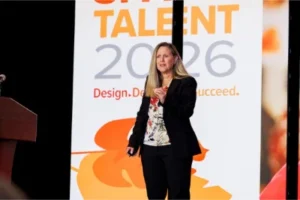
The foundation of organizational success continues to rest heavily on leadership and cultural intentionality. Industry discussions frequently spotlighted how foundational service models can be scaled across enterprises. For instance, insights shared by Nicholas Lawrence, Executive Director of People and Culture at Chick-fil-A Restaurants, emphasized the role of organizational culture architects. Lawrence noted that building a gold standard of service requires treating people development as an ongoing operational strategy rather than an afterthought. Organizations are increasingly recognizing that frontline service quality is directly tied to internal talent nurturing, alignment with corporate values, and the deliberate creation of psychological safety.
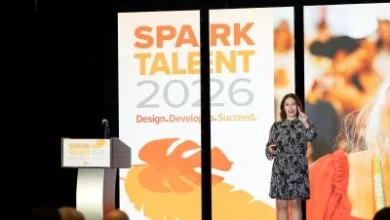
Complementing this focus on culture, modern employee engagement strategies are undergoing a conceptual re-evaluation. Traditional human resources frameworks often treated engagement as a series of exciting perks or high-energy initiatives designed to boost temporary morale. However, contemporary talent leadership offers a different perspective. Jenessa Disler, Senior Director of Talent Succession at McKesson, articulated a counterintuitive yet increasingly popular approach: truly effective employee engagement should feel calm and predictable. According to this viewpoint, when engagement mechanisms function optimally, employees experience psychological stability, allowing them to collaborate seamlessly across traditional departmental boundaries and engage in creative problem-solving without the exhaustion of perpetual corporate excitement.
Mitigating Technological Anxiety and the Rise of FOBO
Perhaps the most disruptive force in the modern workplace is the accelerated deployment of artificial intelligence (
AI) across business operations. While corporations have significantly increased budgets to integrate automated systems, this technological shift has generated widespread workforce apprehension. Industry analysts have formalized this phenomenon as FOBO—the fear of becoming obsolete.
Recent workforce data indicates that while nearly two-thirds of U.S. employees report that their organizations encourage AI usage, approximately one-third of those individuals receive no formal training on how to use these tools effectively. Without comprehensive upskilling, employees frequently worry about their long-term job security, and organizations face risks associated with unmonitored AI implementation, such as scaled errors and heightened operational friction. Human resources executives are discovering that the primary hurdle of technological transformation is not software adoption, but workforce readiness. Employers are finding that the most effective antidote to FOBO is continuous, accessible learning that builds employee confidence alongside technological evolution.
To address these readiness gaps, HR departments are placing renewed emphasis on foundational human skills. Analytical evaluations show that while technical proficiency in navigating AI interfaces is critical, complementary human competencies—such as critical thinking, emotional intelligence, and cross-functional collaboration—remain irreplaceable. Experts emphasize that without proper organizational oversight, AI tools can inadvertently amplify operational biases and create administrative bottlenecks, reinforcing the necessity of human-led governance.
Regulatory Compliance and LGBTQ+ Workplace Protections
Amid technological and cultural shifts, the regulatory landscape for human resources has grown increasingly complex. A notable area of focus involves LGBTQ+ workplace protections. Legal experts and compliance specialists have cautioned employers against scaling back institutional nondiscrimination policies in response to shifting federal guidance or political climates.
Legal analysts emphasize that mistaking agency-level policy adjustments for legal safe harbors exposes organizations to significant liability. Title VII of the Civil Rights Act of 1964 prohibits discrimination based on sex, a protection that the U.S. Supreme Court has explicitly affirmed extends to sexual orientation and gender identity. Recent federal court decisions continue to underscore the legal perils organizations face when internal policies attempt to restrict or erase transgender identity. Consequently, human resources leaders are advised that receding federal guidance does not equate to a reduction in legal risk, necessitating robust, inclusive compliance frameworks.
Addressing Leadership Gaps, Feedback, and Psychological Safety
Internal talent pipelines also face persistent structural hurdles, notably the feedback gap in leadership development. While the vast majority of organizations prioritize leadership training programs, measurable performance improvements often fall short because learning concepts are not successfully translated into daily managerial habits. Recent workplace studies indicate that while 96% of employees believe regular feedback is essential for professional growth, nearly half report receiving it less frequently than required. Inconsistent feedback undermines leadership efficacy and erodes trust over time.
This breakdown in communication often correlates with low psychological safety within organizations. In periods of high market uncertainty, open dialogue and transparency are vital for maintaining compliance, driving innovation, and supporting growth. However, many corporate cultures inadvertently foster silence, penalizing dissent or masking operational vulnerabilities. HR leaders are increasingly tasked with dismantling these barriers, implementing practical facilitation techniques, and encouraging transparent communication to rebuild institutional trust.
The Strategic Evolution of HR Leadership
The cumulative impact of these challenges has permanently altered the mandate of human resources executives. Historically viewed as administrative support functions primarily focused on policy enforcement and head-count management, HR departments are now recognized as core strategic partners by executive leadership teams. Today’s HR leaders are expected to simultaneously shape business outcomes, mission trajectories, and human capital strategies under intense regulatory and economic scrutiny.
To navigate this expanded scope, effective facilitation has emerged as a critical core competency for modern teams. As organizations grapple with complex matrices of remote work, automated workflows, and volatile economic conditions, skilled facilitation builds trust, breaks down institutional silos, and empowers teams to navigate ambiguity. Looking forward, human resources professionals must balance the immediate operational pressures of talent retention, compliance oversight, and AI integration with long-term strategic vision, ensuring that organizational growth remains firmly anchored in human potential.