Bridging the Skills Gap: How Disability-Inclusive Strategies Are Transforming Modern Manufacturing

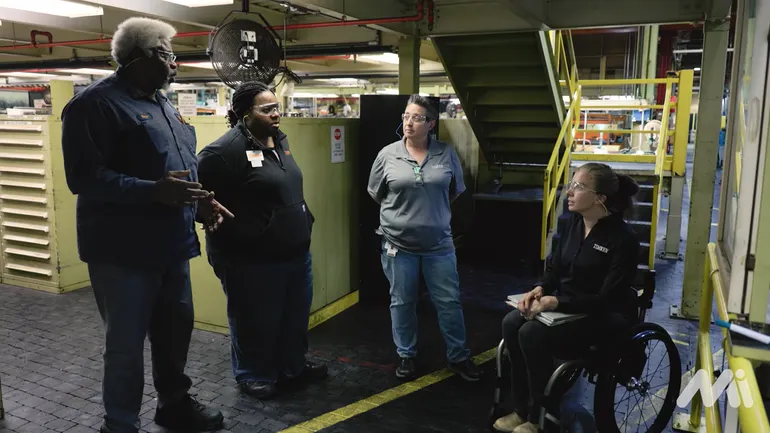
The American manufacturing sector currently finds itself at a critical juncture, grappling with an unprecedented labor shortage while simultaneously overlooking a vast and capable pool of prospective employees. During a recent webinar hosted by the Manufacturing Institute entitled Building Disability-Friendly Careers in Manufacturing, industry leaders, human resources specialists, and advocates convened to address this persistent challenge. The central thesis of the virtual event was clear: by modernizing recruitment pipelines, adopting flexible workplace accommodations, and fostering a culture of empathetic management, manufacturers can successfully integrate workers with visible and invisible disabilities into their operations. This shift is not merely a philanthropic endeavor, but an urgent business imperative designed to secure the future of the industrial workforce.
The Workforce Shortage and the Untapped Talent Pool
To understand the urgency behind these inclusion initiatives, one must examine the staggering demographic and labor projections facing the manufacturing industry. According to a comprehensive 2024 joint study conducted by the Manufacturing Institute and Deloitte, the United States manufacturing sector faces a projected workforce shortage of 3.8 million employees by the year 2033. Of those unfilled positions, approximately 1.9 million jobs are expected to remain completely vacant due to a severe lack of skilled talent.
As manufacturers compete more aggressively than ever for qualified personnel, industry advocates point out that a significant demographic is routinely excluded from traditional hiring and advancement frameworks. Data from the U.S. Centers for Disease Control and Prevention indicates that more than one in four Americans—approximately 28.7% of the population—live with a visible or invisible disability.
Sabrina Zarifi, senior manager of the Manufacturing Institute’s retention program, Step Ahead, emphasized this missed opportunity during her presentation at the September 24 event. Zarifi noted that manufacturing is competing harder than ever for skilled talent, yet current hiring processes continue to leave an enormous pool of capable and motivated individuals on the table.
This sentiment was echoed by Beth Sirull, CEO of the National Organization on Disability, an employment nonprofit dedicated to transforming corporate hiring practices. Sirull stressed that disability inclusion is not a peripheral concern or a charitable side project for human resources departments. Instead, she argued that it affects nearly half of an organization’s extended ecosystem and must be treated as a core pillar of any robust talent strategy. With the broader economy in desperate need of qualified workers and millions of individuals with disabilities seeking meaningful employment, Sirull called on industry leaders to treat accessibility as an operational necessity.
The Economics and Practicality of Workplace Accommodations
A primary barrier that historically deterred manufacturers from hiring workers with disabilities centers on the perceived complexity and financial burden of workplace accommodations. However, empirical evidence consistently debunks this assumption. Figures from the Job Accommodation Network indicate that an overwhelming 94% of workplace accommodations cost either nothing to implement or involve only a low, one-time out-of-pocket expense for the employer.
These modifications often require minimal financial investment, relying instead on operational flexibility, ergonomic adjustments, communication enhancements, or schedule modifications. Despite the low barrier to entry, many manufacturing firms maintain legacy hiring processes and rigid job descriptions that inadvertently screen out qualified candidates before they ever reach the interview stage.
Industry analysts suggest that modernizing these recruitment pipelines requires a comprehensive review of physical facility layouts, machinery interfaces, and digital application systems. By proactively incorporating accessibility into facility design and workflow planning, manufacturing companies can minimize the need for costly retrofitting later while simultaneously widening their talent aperture.
A Personal Chronicle of Resilience and Adaptation
To illustrate the transformative power of inclusive employment practices, webinar organizers highlighted the journey of Michelle Barnhart, a manufacturing professional whose career was shaped by resilience, corporate adaptability, and personal advocacy. Barnhart’s relationship with the manufacturing industry is profound; she frequently credits the sector with saving her life on two separate occasions.
The first instance occurred shortly after her high school graduation. Feeling adrift and uncertain about her professional future, Barnhart visited a local unemployment office, which ultimately placed her in an entry-level position at an ink manufacturing company. That initial exposure ignited a lifelong passion for industrial production and floor operations.
Thirteen years into her career, while working as an hourly floor operative at the age of 26, Barnhart’s life changed dramatically following a severe ATV accident in 2013. The incident left her paralyzed and dependent on a wheelchair, threatening to derail her professional trajectory. Rather than accepting a permanent exit from the workforce, Barnhart was determined to return to normalcy and resume her career in manufacturing.
Her initial reintegration began with her employer transitioning her into an office-based customer service role. While appreciative of the gesture, Barnhart remained unfulfilled, holding a deep-seated desire to return to the active manufacturing floor where she felt most at home. When she advocated for her return to the shop floor, her employer listened.
According to Barnhart, at no point in her early career as a disabled professional did her colleagues or supervisors make unfounded assumptions about what she could or could not achieve. Instead, the company’s human resources team engaged in a collaborative, exploratory dialogue. Barnhart described this phase as relying heavily on a go-and-see mentality.
This practical approach involved visiting the factory floor in her wheelchair alongside safety and HR personnel to systematically test operational environments. Together, they assessed how shop floor debris might impact wheelchair tires, verified whether she could navigate standard industrial doorways, and evaluated specific workstation heights. This collaborative problem-solving not only facilitated her successful return to the floor but also underscored the profound mental and physical health benefits that meaningful work provides for individuals managing disabilities.
The Evolution of Leadership: Embracing Empathetic Curiosity
The success of disability inclusion in manufacturing often hinges on the day-to-day management style adopted by supervisors, plant managers, and executive leadership. During the webinar, Beth Sirull introduced the concept of empathetic curiosity as a fundamental management practice necessary for cultivating accessible and trusting work environments.
Sirull noted that managers are generally well-trained on legal boundaries, specifically regarding what questions they cannot ask an employee concerning their personal health conditions. However, avoiding legal pitfalls is not enough to build an inclusive culture. Traditional managerial responses to an employee struggling with tasks often involve punitive measures, such as placing the worker on a performance improvement plan, or invasive questioning that breaches privacy.
In contrast, empathetic curiosity borrows principles from therapeutic practices, combining empathetic listening with a genuine, supportive interest in an employee’s operational challenges. In a workplace context, this translates to supervisors proactively asking workers how management can better assist them in executing their daily responsibilities. To deploy this strategy effectively, leadership teams across all tiers—from floor supervisors to the executive suite—require targeted training and education.
Sirull explained that framing the conversation positively transforms the dynamic from an accusatory interrogation into a supportive dialogue. Many employees harbor anxieties about disclosing health issues or requesting accommodations out of fear of retaliation or professional stagnation. When managers initiate these conversations with empathy, they break down psychological barriers, foster psychological safety, and build enduring trust across entire teams. Furthermore, while these discussions remain strictly confidential, observers within the team recognize leadership’s supportive approach, thereby strengthening overall workplace morale.
Recruitment as an Active Dialogue
Following her rehabilitation and return to the floor, Barnhart’s career progression took her to The Timken Co., an Ohio-based engineered systems and components manufacturer. In 2016, she joined the company’s facility in New Hampshire, bringing her lived experience with physical disability directly into a new corporate culture. Over the subsequent years, Barnhart continued to advance within the organization, eventually relocating to a third Timken facility where she was recently promoted to manager of operations workforce development.
Reflecting on her career path, Barnhart highlighted a distinct operational difference between retaining an existing employee who sustains an injury and recruiting a candidate with a pre-existing disability. At her previous employer, the accommodation process was reactive, sparked by the necessity of reintegrating a valued worker following a traumatic accident. In contrast, her hiring process at Timken integrated accessibility discussions directly into the pre-employment phase.
Timken’s recruitment protocols demonstrated how industrial companies can successfully onboard individuals with physical disabilities by normalizing accessibility as part of the standard interview workflow. This dialogue frequently included campus or facility tours where prospective candidates could evaluate the physical workspace alongside hiring managers, identifying potential barriers and collaborative solutions before an employment offer was finalized.
Barnhart advocates for a broader industry-wide overhaul of recruitment materials, urging manufacturing organizations to critically examine their job descriptions, physical expectations, and interview protocols. By deliberately designing hiring processes that accommodate individuals with diverse physical and cognitive disabilities, manufacturers can unlock an entirely new demographic of skilled talent.
Broader Industry Implications and Future Outlook
The strategic push by the Manufacturing Institute, the National Organization on Disability, and forward-thinking corporations like Timken signals a broader cultural evolution within the industrial sector. As the manufacturing landscape confronts the looming loss of 3.8 million workers over the next decade, clinging to outdated physical requirements and rigid hiring paradigms is no longer economically viable.
Industry analysts suggest that the integration of workers with disabilities offers ancillary benefits beyond merely filling open headcount. Companies that successfully implement flexible accommodations often discover process improvements, enhanced ergonomics, and operational efficiencies that benefit all employees, regardless of disability status. Furthermore, fostering an inclusive environment elevates corporate reputation, improves employee retention, and drives innovation by incorporating diverse perspectives into problem-solving teams.
As manufacturing continues its rapid technological modernization—integrating automation, advanced robotics, and digital analytics—the physical demands of many factory floor roles are shifting. These technological advancements present an ideal window of opportunity for industry leaders to redesign workflows with accessibility at the forefront. By coupling modern workplace technology with empathetic management practices and proactive recruitment strategies, the manufacturing sector can transform a critical labor crisis into a historic opportunity for inclusive growth.