Faces of HR: Beca Mayr and the Strategic Evolution of Global Talent Acquisition at Sedgwick

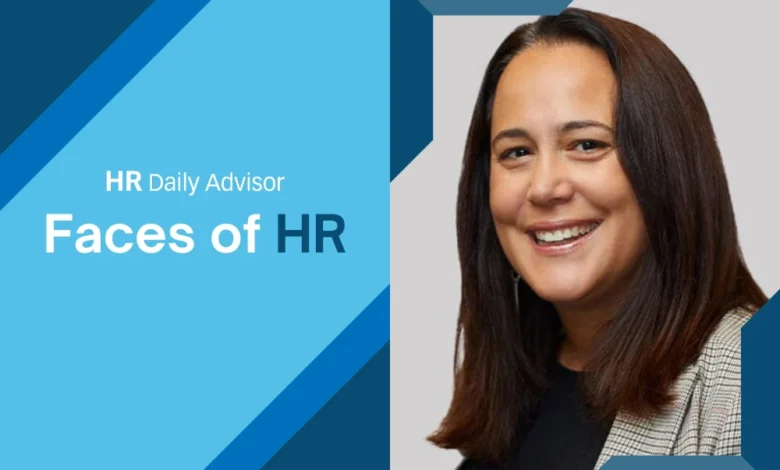
The landscape of modern Human Resources (HR) is undergoing a fundamental transformation, shifting from a traditional administrative function to a core driver of corporate strategy. At the forefront of this evolution is Beca Mayr, the Vice President of Talent Acquisition at Sedgwick, a global leader in technology-enabled risk, benefits, and integrated business solutions. With a workforce exceeding 33,000 colleagues across the globe, Mayr’s role involves more than just filling vacancies; it requires a sophisticated synthesis of data-driven technology, empathetic leadership, and a "business-first" mindset. Her journey from the high-pressure environment of the staffing industry to the executive suite of a multi-billion-dollar organization provides a blueprint for the future of talent management in an increasingly complex global economy.
The Foundation of Urgency: A Career Forged in Staffing
Beca Mayr’s professional trajectory began in the staffing industry, an environment she describes as one of the most rigorous and effective training grounds for the HR profession. In the staffing sector, success is measured by speed, accuracy, and the ability to pivot across diverse industries. This early exposure required her to develop a profound sense of accountability and a rapid learning curve. Unlike internal HR roles that may focus on a single corporate culture, staffing professionals must master the nuances of dozens of different businesses simultaneously.
During this formative period, Mayr discovered that effective recruitment is rooted in a deep understanding of organizational mechanics. Every search for a new hire became a case study in business operations: identifying what success looked like in a specific role, understanding the cultural friction points of different environments, and determining the exact profile of a candidate who would not only perform but thrive. This "outside-in" perspective taught her to start with the business’s bottom-line needs and work backward to find the talent capable of meeting those goals. This methodology remains the cornerstone of her leadership today at Sedgwick.
The Strategic Pivot: Balancing Speed with Scalable Structure
One of the most critical lessons Mayr learned throughout her career—a lesson she characterizes as her "best mistake"—was the realization that speed, while essential, can be counterproductive if it lacks a supporting framework. In the early stages of her career, the pressure to fill roles often led to a focus on immediate results at the expense of long-term process integrity.
Mayr eventually recognized that "moving fast" without "moving intentionally" creates compounding inefficiencies. For instance, hiring quickly without standardized interview criteria or consistent evaluation metrics can lead to high turnover or cultural misalignment. This realization prompted a shift in her philosophy toward building scalable structures. By implementing defined hiring processes and objective evaluation tools, she enabled her teams to maintain high velocity without sacrificing the quality of decision-making. This balance of agility and discipline is particularly vital in a global organization like Sedgwick, where inconsistent hiring practices could lead to significant operational risks across different regions.
Global Leadership at Scale: The Sedgwick Context
As the Vice President of Talent Acquisition at Sedgwick, Mayr oversees a massive and multifaceted operation. Sedgwick is a dominant player in the claims management and productivity solutions industry, requiring a talent pool that ranges from high-volume frontline customer service roles to highly specialized executive and technical positions. Managing the talent pipeline for 33,000 employees requires a dual-track strategy: the ability to execute mass-market recruitment while simultaneously conducting surgical, high-stakes searches for leadership roles.
Under Mayr’s guidance, Sedgwick’s talent acquisition strategy has become deeply integrated into the broader business objectives. She advocates for HR to be embedded in the initial stages of business planning rather than being treated as a downstream service provider. By aligning talent strategies with the company’s long-term growth targets, Mayr ensures that the organization has the human capital necessary to support its expanding global footprint.
The Integration of AI and the Future of HR Technology
A significant portion of Mayr’s current focus involves the integration of advanced technology, including Artificial Intelligence (AI), into the hiring process. The HR technology market is currently experiencing an unprecedented boom; according to industry data from Gartner, approximately 81% of HR leaders have explored or implemented AI-driven tools to improve efficiency.
Mayr has spearheaded the adoption of AI-driven hiring tools to streamline the top of the recruitment funnel. These tools assist in sourcing candidates, screening resumes, and scheduling interviews, allowing human recruiters to focus on high-value activities such as candidate engagement and cultural assessment. However, Mayr maintains that technology must be a servant to the human experience, not a replacement for it. The goal is to create a process that is highly efficient yet remains thoughtful and welcoming.
In her view, the industry is heading toward a more data-driven future where analytics will play a primary role in predicting candidate success and retention. Over the next five years, Mayr anticipates that the most successful organizations will be those that find the "Golden Ratio" between automated efficiency and personalized, human-centric connection. As AI handles the mechanical aspects of recruitment, the "human" element of Human Resources—empathy, intuition, and relationship-building—will become the ultimate competitive advantage.
The Human Element: Empathy as a Core Business Value
Despite the move toward digitization, Mayr remains a staunch advocate for the human side of the profession. She emphasizes that HR decisions are among the most impactful moments in a person’s life, affecting their financial stability, career trajectory, and family well-being. This sense of responsibility drives her commitment to transparency and trust.
Creating a safe and supported environment for candidates and employees is not merely a moral imperative for Mayr; it is a business strategy. When candidates feel respected and valued—regardless of whether they are hired—it strengthens the organization’s employer brand. In a "war for talent" where top-tier candidates often have multiple offers, the quality of the candidate experience can be the deciding factor. Mayr’s approach involves setting clear expectations, providing timely feedback, and ensuring that the recruitment process is fair and inclusive.
Broader Implications for the HR Profession
Mayr’s philosophy offers several key takeaways for the broader business community and the next generation of HR professionals:
- HR as a Profit Center, Not a Cost Center: By aligning talent acquisition with business strategy, Mayr demonstrates that HR is a vital partner in driving organizational performance and revenue growth.
- The Importance of Curiosity: Mayr advises newcomers to the field to stay curious about how the business works. Understanding the P&L (Profit and Loss) statement is just as important for a modern HR leader as understanding labor laws.
- Resilience through Partnership: The complexity of modern hiring requires cross-functional collaboration. Mayr highlights that talent acquisition is a "team sport" that requires the buy-in and active participation of department leaders across the company.
- Accountability and Transparency: In an era of social media and sites like Glassdoor, the transparency of the hiring process is more visible than ever. Mayr’s focus on ethical, transparent communication is essential for maintaining corporate reputation.
Analysis: The Changing Role of the Chief People Officer
The career of Beca Mayr reflects a larger trend in the C-suite: the rise of the strategically minded Chief People Officer or VP of Talent. Organizations are increasingly recognizing that their most valuable asset is not their technology or their intellectual property, but their people. Consequently, leaders who can bridge the gap between human psychology and business analytics are in high demand.
Mayr’s success at Sedgwick is a testament to the power of integrating these two disciplines. By applying the "urgency and accountability" of the staffing world to the "structure and scale" of a global corporation, she has helped position Sedgwick as an employer of choice in a competitive market. Her work underscores the fact that in the future of work, the most "technological" companies will ironically be the ones that most value the "human" touch.
As she continues to lead Sedgwick’s talent strategy, Mayr remains motivated by the unique opportunity HR provides to shape lives and careers. Her journey from a fast-paced staffing desk to a global leadership role serves as both an inspiration and a roadmap for the future of the profession. In her own words, "HR has a unique opportunity to shape not just organizations, but people’s lives and careers. It’s a responsibility I take seriously and something that continues to motivate me every day."