The Strategic Imperative: Sales Content Management Platforms Evolve Amidst Market Consolidation


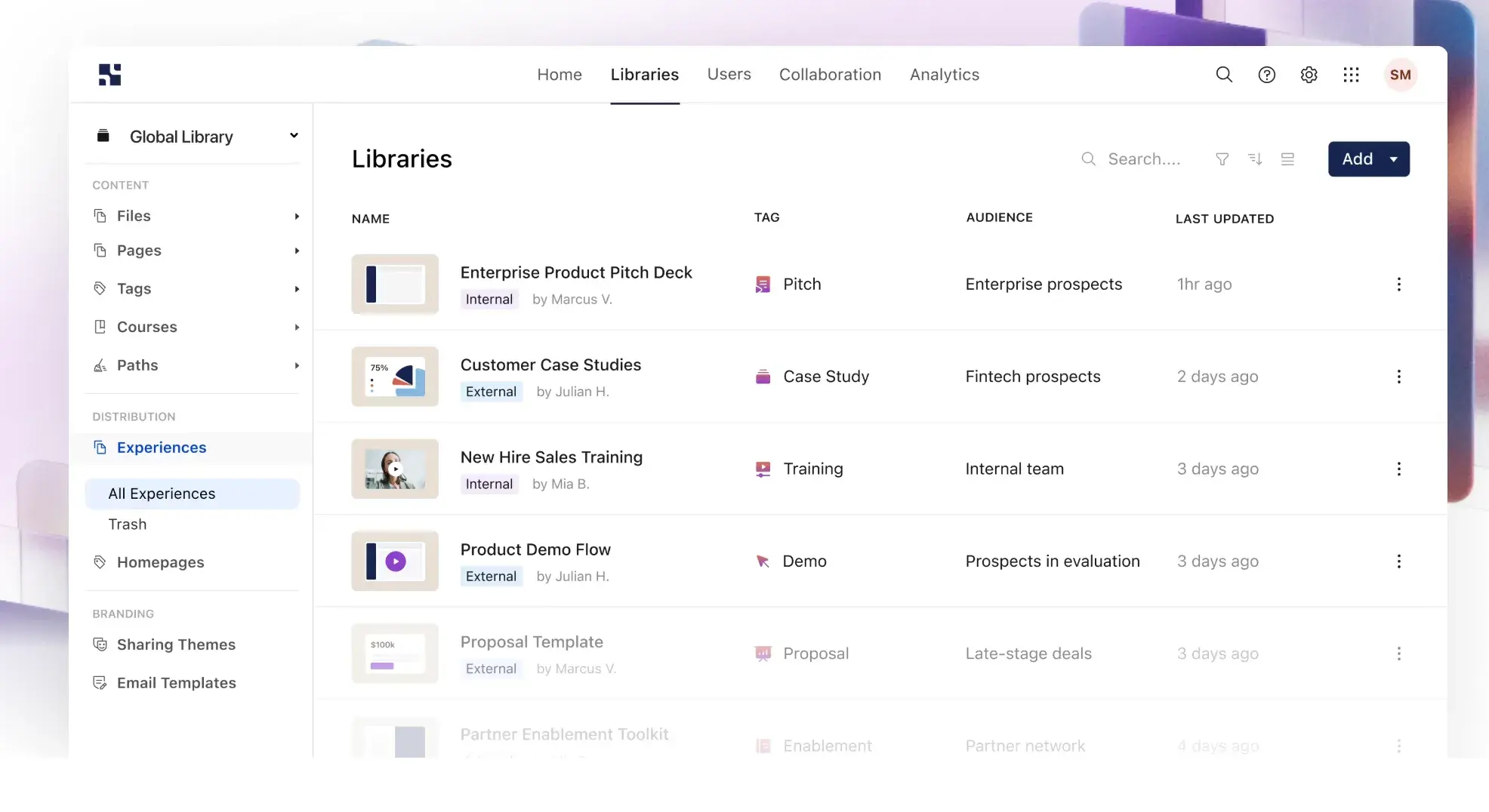
A sales content management platform (SCMP) serves as the indispensable central nervous system for modern revenue teams, consolidating all sales-approved content into a single, authoritative source. This strategic centralization simplifies the complex task of finding, sharing, and tracking materials crucial for advancing deals, moving beyond mere operational convenience to become a cornerstone of revenue generation. In an increasingly competitive and digitally-driven sales landscape, where over half of sales leaders now actively leverage sales enablement content, and a striking 79% affirm its critical role in deal closure, the selection of the right SCMP has transcended a tactical decision, emerging as a foundational strategic imperative for organizational growth and efficiency.
The burgeoning market for sales enablement tools, projected to reach over $7 billion by 2028, underscores the profound shift in how organizations approach sales effectiveness. This growth is fueled by the recognition that the gap between simply possessing content and having truly usable and effective content remains vast. Many sales organizations grapple with the symptoms of scattered digital storage, inadequate version control, and a fundamental disconnect between content engagement and tangible pipeline outcomes. This fragmented reality often leads to wasted sales cycles, diminished seller confidence, and ultimately, lost revenue opportunities. A purpose-built SCMP directly addresses these systemic challenges, offering a structured approach to content governance, intelligent distribution, and robust performance analytics.
The Foundational Problems: Bridging the Content-to-Revenue Gap
-2.png)
Before the advent of specialized SCMPs, sales content often resided in disparate locations: shared network drives, individual email inboxes, outdated SharePoint sites, or unmanaged cloud folders. This "content graveyard" scenario meant that even when high-quality materials existed, sellers struggled to locate the most current, relevant, and compliant assets precisely when they needed them. The consequence was often a default to easily accessible, but potentially outdated or off-brand, materials, leading to inconsistent messaging, eroded buyer trust, and increased legal or compliance risks, particularly in regulated industries like finance, healthcare, and legal services.
The lack of a unified system also created a significant blind spot for sales and marketing leadership. While content was being produced, there was minimal visibility into its actual usage, effectiveness, or impact on the sales pipeline. As industry benchmarks reveal, a staggering 65% of sales content goes unused, and only 35% of sales teams actively track their content’s effectiveness. This glaring data gap meant that investments in content creation were often made in the dark, without clear ROI or insights into what truly moved the needle. The absence of a direct link between content engagement and deal outcomes prevented organizations from optimizing their content strategy and resource allocation, perpetuating a cycle of inefficient content production and distribution.
Key Pillars of a Modern Sales Content Management Platform
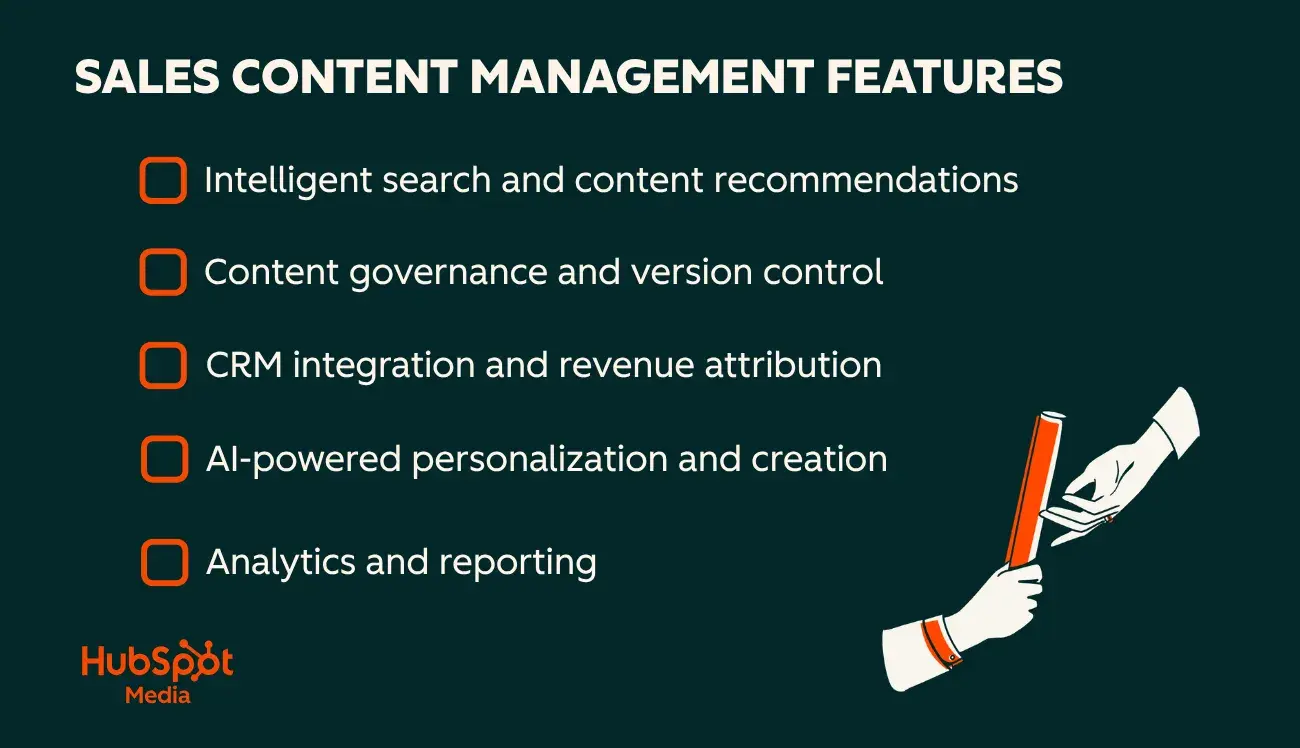
Modern SCMPs are engineered to address these challenges head-on, delivering a suite of capabilities that empower revenue teams. The most impactful features can be categorized into five critical areas:

-
Intelligent Content Discovery and AI-Driven Recommendations: At its core, an effective SCMP must make content instantly findable. This goes beyond keyword search; it involves AI-powered algorithms, sophisticated contextual tagging, and deal-stage recommendations that proactively surface the most relevant materials based on the buyer’s journey, industry, persona, and specific deal context. The best systems learn from user behavior and engagement data, continuously refining their recommendations and promoting high-performing assets. A crucial "pro tip" for evaluation is to prioritize platforms that embed content recommendations directly within the CRM or email workflow, minimizing friction and ensuring sellers don’t have to leave their primary workspace to find what they need. This seamless integration is pivotal for driving adoption.
-
Robust Governance and Version Control: To prevent the "content graveyard" syndrome, strong content governance is paramount. An SCMP enforces rigorous approval workflows, automates expiration dates for time-sensitive materials, and maintains comprehensive version tracking. This ensures that every asset available to sellers is current, compliant, and clearly owned by a designated stakeholder. Role-based permissions are essential, dictating who can publish, edit, or retire content, while region-based access controls cater to global teams operating under diverse compliance requirements or product lines. Without this structured approach, content libraries inevitably become chaotic, undermining seller confidence and brand consistency.
-
Seamless CRM Integration and Revenue Attribution: This is arguably the most critical differentiator for an SCMP. By integrating deeply with CRM systems, the platform establishes a direct link between content usage and opportunity progression. When a sales representative shares a case study or a proposal, the SCMP logs every interaction (opens, views, time spent, shares) directly onto the contact and deal records within the CRM. This CRM-native reporting provides revenue leaders with an unprecedented level of visibility, connecting specific content engagement signals to pipeline stages and ultimate deal outcomes. This attribution capability is vital for proving the ROI of content investments, guiding future content strategy, and identifying which assets genuinely influence revenue, rather than merely tracking downloads or open rates.
-
AI-Powered Content Personalization and Generation: AI’s role in SCMPs has rapidly expanded beyond search and recommendations. In 2026, advanced platforms leverage AI to generate first drafts of sales emails, dynamically customize pitch decks with prospect-specific data, and intelligently assemble content packages tailored to individual buyer personas and deal stages. This capability significantly reduces the manual effort sellers spend adapting generic materials, allowing for hyper-personalization at scale. According to the Content Marketing Institute’s 2026 B2B research, 45% of B2B marketers plan to increase their investment in AI-powered marketing tools, highlighting the industry-wide embrace of these transformative technologies. The most effective AI features are those that operate seamlessly within the seller’s workflow, directly within the CRM or email client.
-
Advanced Analytics for Strategic Insights: Beyond basic usage metrics, an SCMP must provide sophisticated analytics and reporting that answer strategic questions. This includes measuring rep adoption and asset usage by team and deal stage, identifying which content influences deal velocity, improves stage progression, and contributes directly to revenue. The most valuable platforms offer built-in dashboards that surface these insights without requiring complex custom report building, making data accessible and actionable for managers and executives. The focus shifts from "vanity metrics" like views and downloads to tangible business impact, enabling data-driven optimization of the entire content library and sales enablement strategy.
Industry Landscape: Mergers, Innovation, and the Quest for Dominance
The sales enablement market is currently undergoing a period of significant consolidation, reflecting the intense competition and the drive to offer more comprehensive, integrated solutions. This strategic maneuvering reshapes the competitive landscape and offers both opportunities and challenges for buyers.
-
February 2026: Seismic, long recognized as a leader in enterprise sales enablement, announced its intent to merge with Highspot. This monumental consolidation is poised to create the largest dedicated enablement platform in the market, combining Seismic’s strengths in content automation and governance for complex organizations with Highspot’s reputation for high seller adoption and intuitive user experience. The merger is subject to regulatory approval, and buyers are keenly observing how the product roadmaps and feature integrations will evolve.
-
Late 2025: Showpad, another prominent player, merged with Bigtincan under the ownership of Vector Capital. Bigtincan had previously acquired Brainshark, bringing together content management, sales training, and coaching capabilities into a single, unified offering. This strategic move positions Showpad as a robust solution for mid-market teams seeking to integrate content usage with coaching outcomes, offering a holistic view of seller performance and content effectiveness. In November 2025, Showpad was recognized as a Leader in Gartner’s inaugural Magic Quadrant for Revenue Enablement Platforms, underscoring its market influence.
These mergers signal a clear trend: the market is moving towards more integrated, end-to-end enablement platforms that minimize the need for multiple, disparate tools. The implications for buyers include potentially more robust offerings from consolidated entities, but also the need to carefully evaluate product integration roadmaps and ensure long-term stability.
Leading Platforms in 2026: A Comparative Analysis
Amidst this dynamic landscape, several platforms stand out for their distinct approaches and capabilities:
-
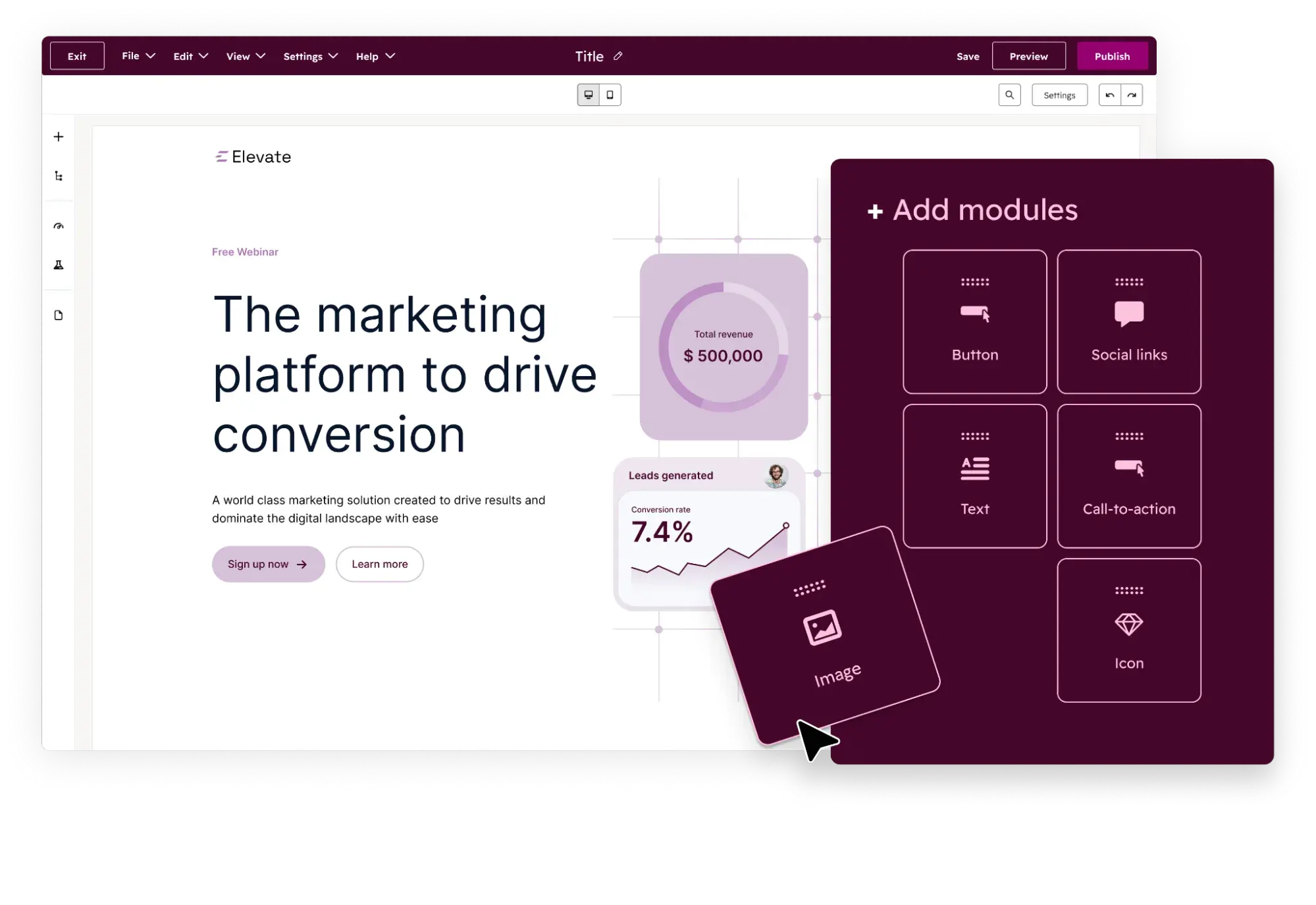
HubSpot Content Hub + Sales Hub + Smart CRM: HubSpot offers a uniquely integrated ecosystem where content creation, distribution, tracking, and CRM reporting all operate on a single, unified platform with a shared data model. This native connection eliminates the sync latency and data discrepancies often associated with integrating separate content management and CRM systems. Content Hub provides a drag-and-drop environment with AI-powered writing assistance, while Sales Hub empowers sellers with personalization, real-time email tracking, and automation. HubSpot’s proprietary AI system, Breeze, permeates all hubs and the CRM, offering AI agents for content drafting, prospecting, and data enrichment, creating a seamless attribution chain from AI-generated outreach to CRM-tracked content performance. This integrated architecture makes HubSpot particularly appealing for mid-market and growth-stage teams prioritizing a cohesive, CRM-native content management solution.
-
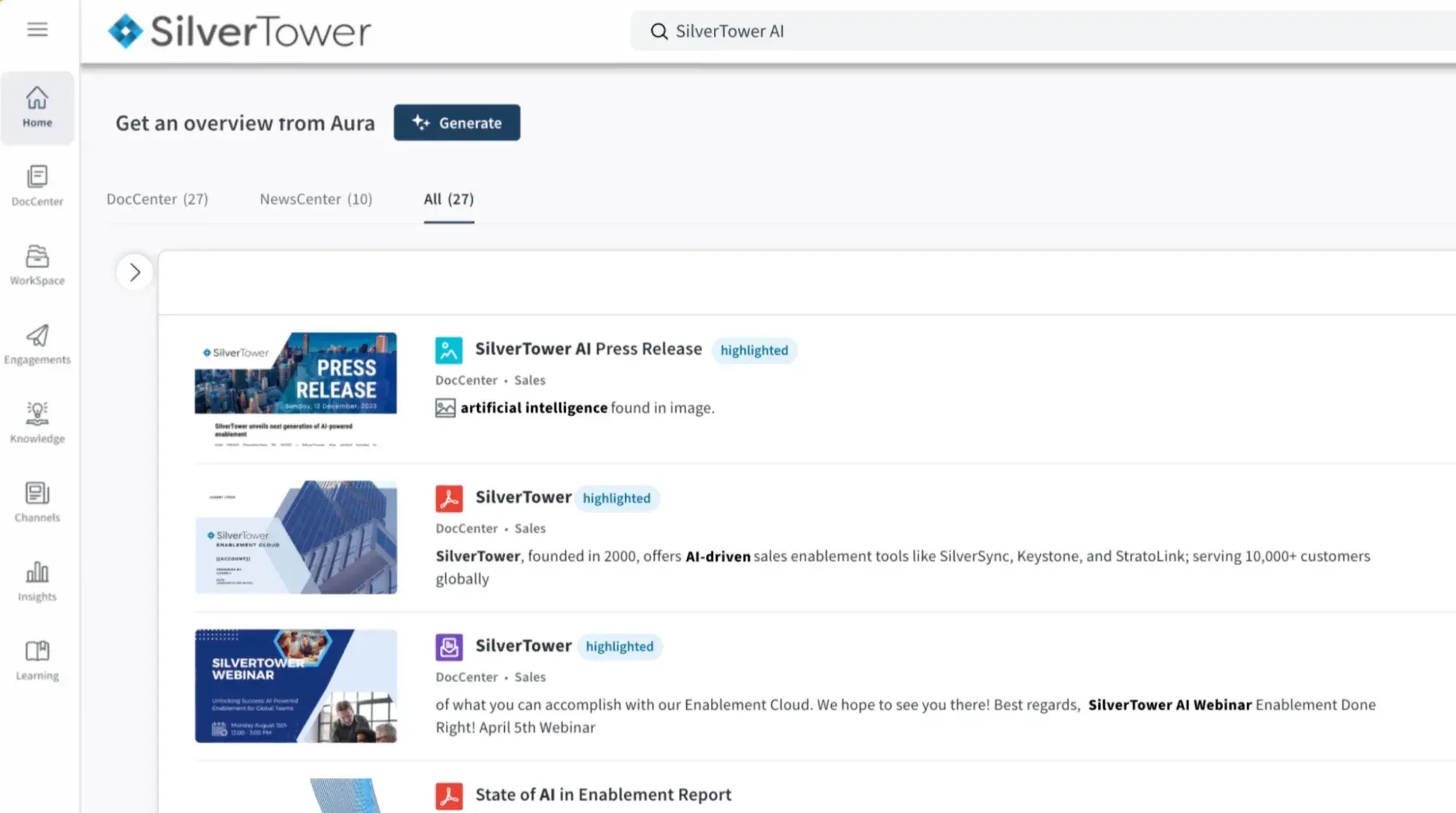
Seismic: As the established enterprise leader, Seismic’s core strength lies in its ability to manage thousands of assets across multiple business units, regions, and complex compliance frameworks. Its LiveDocs feature dynamically assembles personalized content using CRM data, significantly reducing manual customization. The Aura AI engine powers intelligent content recommendations, search, and analytics. Seismic’s deep reporting capabilities are highly valued by large organizations needing to demonstrate enablement ROI to executive leadership. Following its merger with Highspot, industry analysts anticipate Seismic will solidify its market dominance, offering an unparalleled suite of features for large-scale deployments. "The combined entity of Seismic and Highspot represents a new benchmark for enterprise enablement, promising deeper integrations and broader capabilities for global organizations," remarked a spokesperson for a leading industry analyst firm.
-
Highspot: Prior to its merger, Highspot was celebrated for its intuitive, seller-first interface, which contributed to high adoption rates. Its AI-powered search utilized natural language processing, allowing reps to describe their needs rather than navigating complex folder structures. Content was organized into "Spots," curated collections designed for quick browsing. Highspot’s robust analytics provided deep insights into content performance and seller effectiveness. Reviewers consistently praised its ease of use and rapid onboarding. "Highspot’s focus on the seller experience has always been a key differentiator, ensuring that content actually gets used where it matters most – in conversations with buyers," noted an industry expert. The integration with Seismic is expected to further enhance its enterprise capabilities while ideally retaining its user-centric design principles.
-
Showpad: Showpad distinguishes itself by bridging content management with sales coaching and training. Its merger with Bigtincan has further solidified this integrated approach, offering a comprehensive platform for content management, learning, and coaching. Showpad’s ability to connect content usage directly to coaching outcomes provides managers with invaluable insights, allowing them to identify skill gaps correlated with content adoption rates. This holistic view enables targeted training and more effective enablement strategies. "Showpad’s evolution into a combined content and coaching platform addresses a critical need for organizations to not only provide the right content but also ensure sellers know how to use it effectively," commented a senior sales enablement consultant.
-
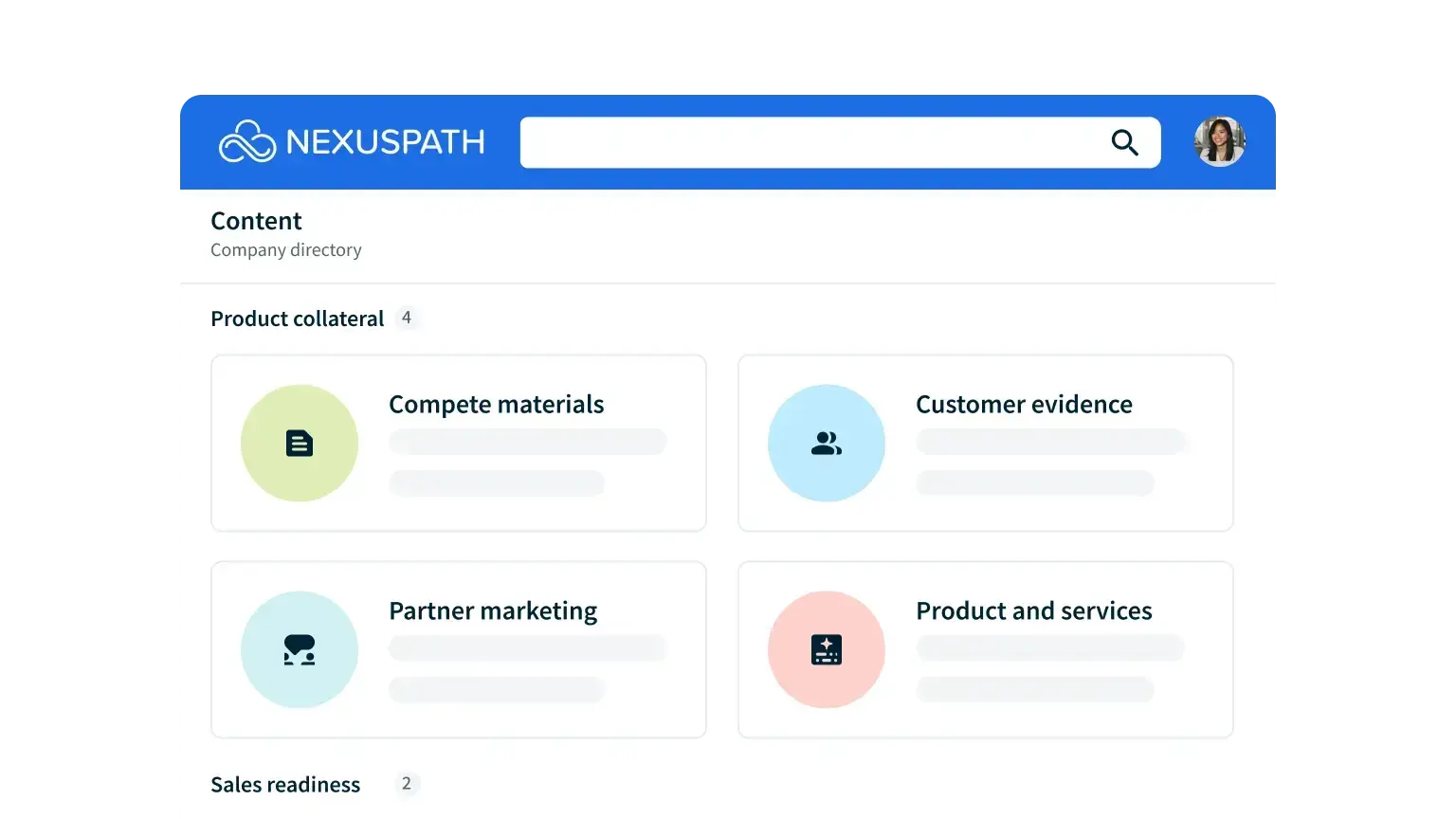
SalesHood: Taking an AI-first approach, SalesHood offers a unified enablement system encompassing content management, training, digital sales rooms, and mutual action plans. Unlike legacy platforms built through acquisitions, SalesHood was designed from the ground up as a cohesive solution. Its notable AI content audit feature automatically identifies stale or underused content and recommends updates, a significant time-saver for teams with limited enablement staff. SalesHood appeals particularly to mid-market and growth-stage B2B sales teams seeking an AI-native platform that integrates multiple enablement functions without the complexity often associated with enterprise solutions.
Overcoming Implementation Challenges and Ensuring Adoption
While the promise of SCMPs is compelling, successful implementation requires careful planning. Migration timelines can vary significantly, from a few weeks for simpler platforms and cleaner content libraries to four months or more for complex enterprise deployments involving extensive customization and data migration. The biggest variable remains the content audit: organizations that meticulously clean, organize, and rationalize their existing content before migration experience faster deployments and higher seller adoption.
Furthermore, ensuring ongoing content governance is crucial. Effective governance requires clearly defined roles: content owners responsible for creation and updates, approvers for quality and compliance, compliance reviewers for regulatory adherence, and enablement admins for overall platform management. Without these distinct functions, content libraries can quickly revert to disarray. Ultimately, the success of any SCMP hinges on its integration into the daily workflow of sales professionals. As one sales leader aptly put it, "The best content management platform is the one that fits naturally into the daily workflow. If sellers have to jump through hoops, even significant investments will gather dust."
The Future Trajectory of Sales Content Management
The future of sales content management platforms is intrinsically linked to advancements in artificial intelligence and the broader shift towards unified revenue operations (RevOps). Expect deeper AI integration, moving towards predictive analytics that anticipate buyer needs and suggest content even before a rep searches. Hyper-personalization, driven by real-time buyer signals, will become the norm. SCMPs will increasingly embed coaching functionalities, offering in-the-moment guidance based on content performance and deal context. The consolidation trend is likely to continue, leading to even more integrated platforms that aim to provide a single source of truth for all revenue-generating activities, from marketing through sales and customer success.
In this evolving landscape, the choice of a sales content management platform is more than an IT decision; it is a strategic investment that directly impacts a company’s ability to drive revenue, maintain brand consistency, and empower its sales force. The strongest platforms in 2026 are those that not only centralize content and enforce governance but also seamlessly connect engagement analytics to CRM-tracked revenue, leveraging AI to enhance both findability and personalization. As the market continues to consolidate and innovate, organizations must prioritize solutions that integrate naturally into existing workflows, delivering measurable results and providing the strategic insights needed to navigate the complexities of modern sales.