The confetti has settled, and Spain has hoisted the coveted 2026 FIFA World Cup trophy, a testament to their on-field prowess against Argentina in a nail-biting 1-0 victory in extra time. However, the true champions of this global spectacle may well be the digital economy and the myriad platforms that facilitated the unprecedented engagement of billions. From capturing attention and influencing spending habits to reshaping logistical realities, the tournament transformed into a vast, real-world behavioral experiment, demonstrating the profound intersection of massive sporting events and the digital ecosystem.
The 2026 FIFA World Cup, held across three North American host countries, concluded not just with a champion on the field, but with a resounding triumph for digital engagement and commerce. Over 39 days and 104 matches, the tournament transcended its athletic core to become a planetary behavioral experiment. FIFA’s own estimates painted a staggering picture: by the conclusion of the round of 16, an estimated 5.2 billion individuals had interacted with the tournament in some capacity. As the competition advanced to the quarterfinals, FIFA’s digital channels alone generated an astonishing 34 billion impressions and garnered two billion engagements, a clear indicator that the digital world was as captivated as the physical stadiums.
The Social Media Frenzy: Beyond the Second Screen
The digital reverberations of the World Cup were particularly pronounced across social media platforms. During the group stage alone, FIFA reported an overwhelming 11 billion video views, 17 billion impressions, and a significant influx of 39 million new followers across its various social media accounts. Iconic moments fueled viral content, with a single clip of Argentine superstar Lionel Messi scoring against Algeria amassing an incredible 53 million views on TikTok. The electrifying opening ceremony performance by Shakira and Burna Boy resonated widely, drawing 131 million views on Instagram and an additional 44 million on YouTube. This phenomenon transcended the traditional "second screen" experience, evolving into a "first screen, second screen, and a third screen explaining the meme" dynamic, where every play, celebration, and even off-field anecdote became fodder for digital discourse.
The scale of social media engagement extended beyond individual clips. FIFA’s official social media platforms saw a surge in followers, indicating a growing desire among fans to remain connected to the tournament’s pulse. The ability to share, react, and discuss moments in real-time fostered a sense of global community, albeit a digitally mediated one. This collective emotional response, amplified by algorithms and shared across vast networks, demonstrated the potent influence of social media in shaping the narrative and experience of major global events.
Television Viewership Shatters Records, Adapting to Digital Integration
While social media platforms experienced unprecedented engagement, traditional television viewership also reached new heights, demonstrating a symbiotic relationship between broadcast and digital. Brazil’s crucial match against Haiti, for instance, captivated an audience of 51.3 million across Globo’s network. Simultaneously, CazéTV set a new YouTube record for the most-watched football match streamed on the platform, highlighting the growing trend of audiences migrating to digital platforms for live sports. Mexico’s second match of the tournament drew a substantial 25.5 million linear viewers, a record for the country’s highest FIFA World Cup audience in the 21st century, underscoring the enduring power of television while also acknowledging its integration with digital delivery.
In the United Kingdom, the BBC reported an average of 9.7 million viewers for the final, with a peak of 13.6 million viewers tuning in. This robust viewership for the deciding match, as reported by The Guardian, signifies the continued appeal of live televised sporting events. Complementing this, the BBC’s dedicated football YouTube channel garnered an impressive 100 million views, while broader tournament content, including interviews and analysis, accumulated a staggering 2.55 billion social views. This dual consumption model suggests that the living room has not become obsolete but has rather evolved, incorporating multiple digital "tabs" to enhance the viewing experience. The integration of television broadcasts with readily accessible online content has created a more immersive and interactive environment for sports fans.
Retail Boom: Merchandise Sales Soar as Fans Embrace Tangible Connections
The commercial impact of the World Cup extended powerfully into the retail sector, with merchandise sales experiencing a significant surge. By the tournament’s kickoff, Nike reported that its national-team kits had sold 2.5 times more than at a comparable point in the 2022 World Cup, according to Reuters. Adidas, the official outfitter for both finalists, reported approximately 250 million euros (approximately $285 million) in World Cup product sales during the first quarter, with expectations of a similar performance in the second quarter. This data indicates a persistent consumer desire to connect with sporting events through tangible goods, even in an increasingly digital world.
The appeal of official team kits and fan apparel remains strong, serving as a visible expression of support and national pride. Despite the proliferation of digital content and virtual experiences, the desire to "wear the result on a polyester billboard," as described, highlights a fundamental aspect of fan culture. The World Cup serves as a powerful catalyst for retail, driving demand for branded merchandise that allows fans to feel a direct connection to their favorite teams and players. This trend underscores the enduring importance of physical retail in complementing digital engagement strategies for major sporting events.
Travel and Mobility: The World Cup as a Catalyst for Unprecedented Movement
The allure of the World Cup transformed ordinary travel patterns into extraordinary logistical feats. Following Argentina’s progression to the final, searches for flights to New York on the travel booking platform Despegar experienced a dramatic 6,000% increase within hours. This surge in demand prompted the swift organization of two special flights from Buenos Aires to New York, with 540 seats priced between $5,000 and $10,000, all of which sold out by the following morning. This demonstrates a powerful convergence of dynamic market demand and what can only be described as irrational devotion, where fan passion overrides conventional economic considerations.
The mobility sector, particularly ride-sharing services, also witnessed a significant impact. Uber data revealed that fans from an astounding 122 countries utilized their services throughout the tournament. Thousands of shuttle rides were facilitated, with one Dallas driver completing over 70 stadium trips alone. The sheer volume of movement, both within and between host cities, highlighted the logistical challenges and opportunities presented by such a geographically dispersed event. Los Angeles notably emerged as the unofficial winner of the "dubious lost-and-found title," suggesting the immense scale of human movement and activity. Retailers like Bass Pro Shops also reported a 20% tourism bump, indicating a broader economic impact beyond direct event-related services.
The Snack Economy and Convenience: Fueling Fanaticism Across Time Zones
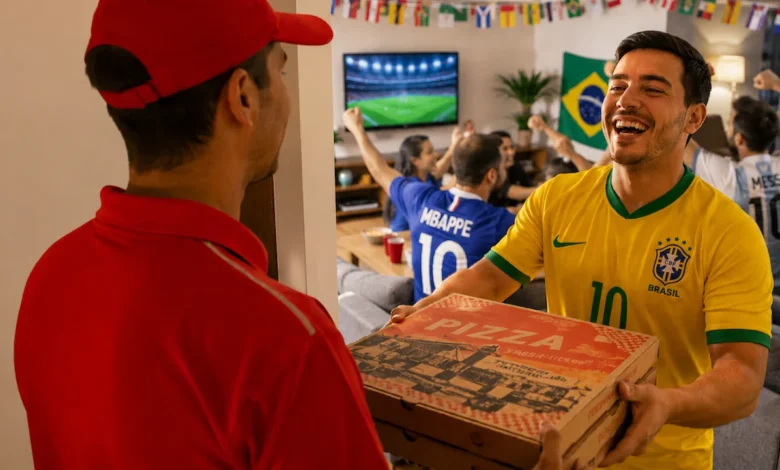
The global nature of the World Cup presented unique challenges and opportunities for the food and beverage industry, particularly for delivery services. In India, matches held at midnight stimulated a significant surge in orders for pizzas, burgers, fries, and beverages during the graveyard shift. One customer in Chandigarh placed an order for finger foods totaling 16,444 rupees (approximately $140), showcasing the extent to which fans embraced the late-night viewing experience. In Israel, the food delivery company Wolt reported a 20% increase in match-hour orders, with family pizzas up by 35% and ice cream sales rising by 44%, demonstrating a clear correlation between live sports and increased demand for comfort food and celebratory treats.
Uber’s data further illuminated consumer habits, reporting over 10 million ranch-dressing delivery orders during the tournament, followed by significant deliveries of water, electrolytes, and Tylenol. This diverse range of orders paints a picture of a global fanbase dedicated to optimizing their viewing experience, from sustenance to post-game recovery. The "snack economy" proved resilient, adapting to varied time zones and consumer preferences, underscoring the integral role of convenient food and beverage options in facilitating prolonged engagement with major sporting events. This phenomenon highlights the evolving landscape of consumption, where digital platforms enable the delivery of immediate gratification, even during unconventional hours.
A Paradigm Shift: The World Cup as a Digital Economy Case Study
The 2026 FIFA World Cup has provided invaluable insights into the pervasive influence of the digital economy on global events. Beyond the celebrated victory of Spain, the tournament served as a powerful case study for how digital platforms can amplify engagement, drive commerce, and reshape consumer behavior. The sheer scale of digital impressions, engagements, and the demonstrable impact on e-commerce, travel, and food delivery services underscore a paradigm shift in how major sporting events are experienced and monetized.
The "power users" who undertook extraordinary travel for matches, the billions who engaged digitally, and the surge in retail and delivery orders all point to a future where the lines between physical and digital experiences are increasingly blurred. The World Cup’s grand digital-economy lesson is clear: a goal scored on the field is no longer merely a sporting achievement. It is a catalyst for a cascade of digital interactions, from ride requests and jersey searches to delivery spikes and social media virality.
As PYMNTS noted, "The World Cup’s grand digital-economy lesson is that a goal is no longer merely a goal. It is a ride request, a jersey search, a delivery spike, a stream, a social clip and, occasionally, an urgent hunt for a missing passport." This statement encapsulates the multifaceted impact of the tournament, demonstrating how it has become an interconnected ecosystem of digital services and consumer activities.
Spain may have earned an additional star above its crest, but the digital platforms have gained a wealth of data and a compelling case study. Ranch dressing, in its own way, received a golden bottle for its role in fueling fan engagement. And for one fan who traveled 266 miles for a match, the experience served as a powerful testament to the fact that, for five glorious weeks, "too far" was merely a surge-pricing category, a testament to the boundless reach and influence of the digital economy in shaping our world. The future of major sporting events will undoubtedly be defined by this intricate interplay between athletic spectacle and digital innovation.