Celebrating Customer Service Week: Strategic Approaches to Boosting Employee Engagement and Retention

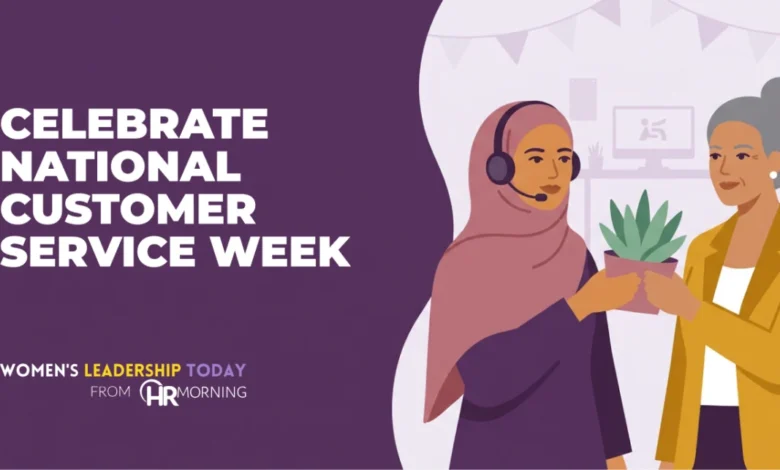
Customer Service Week, an international event celebrated annually during the first full week of October, serves as a pivotal moment for organizations to recognize the vital contributions of frontline staff. Established in 1984 by the International Customer Service Association (ICSA) and later formalized by a U.S. Congressional proclamation in 1992, the week has evolved from a simple appreciation gesture into a strategic tool for corporate culture development. As the modern workplace faces unprecedented challenges regarding employee burnout and turnover, the focus on these five days has shifted toward substantive recognition that bolsters morale and reinforces the value of service-oriented roles.
The Historical Context and Significance of the Observance
The origins of Customer Service Week are rooted in the recognition that service professionals are the primary point of contact between a brand and its consumer base. In an era where digital automation often distances companies from their clients, the human element of support remains the primary differentiator for customer loyalty.
According to data from the Bureau of Labor Statistics, the customer service sector experiences some of the highest turnover rates in the labor market, frequently exceeding 30% annually. This high churn necessitates a deliberate effort from management to cultivate a sense of belonging and appreciation. By designating a specific week for celebration, leadership teams are effectively signaling that the emotional labor involved in conflict resolution and client satisfaction is recognized at the highest levels of the organization.
Chronology of Observance and Strategic Planning
Organizations that successfully utilize this week do not treat it as a sporadic event but as the culmination of a broader employee engagement strategy. Effective planning usually begins at least six weeks prior to the event, involving:
- Phase 1 (Late August): Formation of a planning committee consisting of both frontline staff and management.
- Phase 2 (Early September): Budget allocation and survey distribution to gather input on preferred recognition styles.
- Phase 3 (Mid-September): Coordination with executive leadership for "leadership shadowing" or participation opportunities.
- Phase 4 (First Week of October): Execution of daily activities and recognition ceremonies.
- Phase 5 (Post-Week): Review of employee feedback and assessment of impact on internal service metrics.
Evidence-Based Methods for Meaningful Recognition
Myra Golden, a noted expert in contact center management and customer experience, emphasizes that the efficacy of the week is not tied to financial expenditure but to the perceived sincerity of the recognition. When employees feel that management is present and actively engaged, the return on investment—measured through decreased absenteeism and increased job satisfaction—is statistically significant.
Executive Integration and Transparency
One of the most effective strategies for breaking down organizational silos is the "CEO Shadowing" program. By inviting senior leadership to participate in live customer interactions, organizations achieve two objectives: they demonstrate the complexity of frontline work to the executive suite, and they provide frontline staff with a tangible sense of visibility. Research into organizational behavior suggests that when employees perceive their leadership as being "in the trenches" with them, the psychological contract between the worker and the firm is strengthened, often leading to higher retention rates.
Cultivating Inclusivity Through Culinary Diversity
Standard corporate celebrations often default to generic catering options, such as pizza or pastries. However, industry trends indicate that modern workforces place a higher value on inclusivity. Encouraging teams to curate menus that reflect the diverse ethnic backgrounds of their members transforms a standard lunch hour into an educational and community-building experience. This practice aligns with modern Diversity, Equity, and Inclusion (DEI) initiatives, fostering an environment where individual identity is celebrated rather than homogenized.
Professional Development and Wellness Integration
While social activities are important, the most impactful initiatives are those that provide long-term benefits to the employee’s mental and professional health. Providing resources for stress management, such as workshops on emotional intelligence (EI) or burnout prevention, serves as a proactive measure. Studies by the American Psychological Association have shown that companies providing comprehensive wellness support see a 25% reduction in stress-related health claims and a corresponding increase in productivity.
The Impact of Interactive Team Building
Activities such as the "DIY Plant Bar" or "Show and Tell" sessions serve as low-cost, high-engagement initiatives. These activities are designed to foster lateral relationships among team members. In a high-pressure environment like a call center or a retail support desk, the ability to form personal connections with peers is a significant buffer against job-related stress. By shifting the focus from metrics—such as Average Handle Time (AHT) or First Contact Resolution (FCR)—to the person behind the headset, organizations cultivate a culture that prioritizes sustainability over sheer speed.
Analysis of Organizational Implications
The implications of failing to celebrate or acknowledge the efforts of service staff are measurable. Research consistently shows that disengaged employees are 12% less productive and significantly more likely to resign within the first year of employment. Given that the cost of replacing a trained customer service agent can range from 50% to 150% of their annual salary, the investment in a week-long celebration is economically sound.
Furthermore, the "Service-Profit Chain" theory, popularized by Heskett, Jones, Loveman, Sasser, and Schlesinger, posits that internal service quality leads to employee satisfaction, which leads to employee loyalty, and ultimately, to customer value and profit. Therefore, Customer Service Week is not merely a morale-boosting exercise; it is an operational strategy that directly impacts the bottom line.
Guidelines for Management Execution
To ensure that these efforts are successful, management must adhere to several core principles:
- Voluntary Participation: Engagement activities must never be mandatory. Forcing participation often breeds resentment and can be perceived as an intrusion into the employee’s personal time or comfort zone.
- Managerial Presence: Management should be the facilitators of the event rather than just observers. The active participation of supervisors signals that the event is a priority.
- Consistency: The spirit of appreciation should be maintained throughout the year. If the first week of October is the only time employees feel valued, the event may be viewed as performative or insincere.
- Feedback Loops: After the week concludes, leadership should solicit honest feedback regarding which activities were meaningful and which were ineffective. This creates a feedback loop that improves the quality of the engagement for the following year.
Conclusion: Sustaining the Momentum
As organizations continue to navigate a global market that demands 24/7 responsiveness, the role of the customer service professional will remain vital. The first week of October serves as a critical opportunity to reinforce the human value within these organizations. Whether through the direct involvement of the CEO, the celebration of diverse cultural backgrounds, or the provision of wellness resources, the goal remains the same: to create a workplace where the people tasked with representing the brand feel as valued as the customers they serve.
By grounding these celebrations in authenticity, inclusivity, and professional respect, businesses can move beyond the superficial aspects of recognition and foster a culture of sustained engagement. This approach not only prepares teams to succeed during the immediate week of observance but builds the resilience necessary to excel in the competitive landscape of the year ahead. Through intentional, data-driven, and people-centric initiatives, companies can ensure that their most valuable asset—their employees—remains motivated, healthy, and committed to the organization’s long-term objectives.