ADWEEK Announces Brandweek Relocation to Dallas for 2027 Marking a Strategic Evolution for the Flagship Marketing Conference

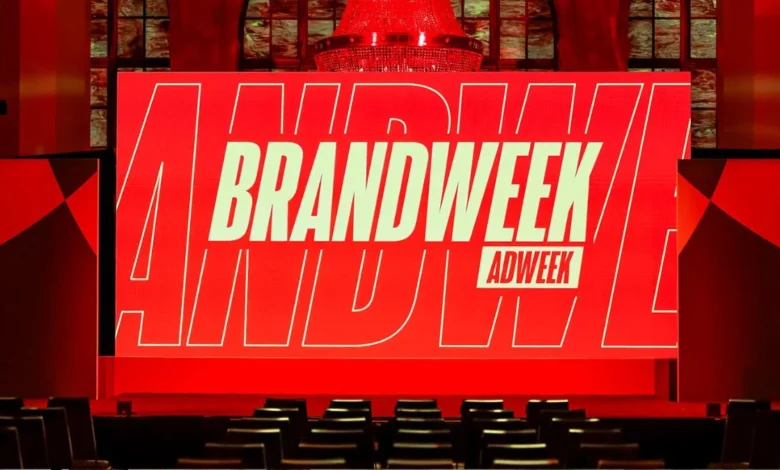
The marketing and advertising landscape is bracing for a significant shift as ADWEEK announced that its premier annual conference, Brandweek, will relocate to Dallas, Texas, for its 2027 iteration. After a successful two-year tenure in Atlanta, Georgia, the move represents more than a change in geography; it signals a deliberate expansion of the event’s scope, aiming to integrate the conference more deeply into the shifting dynamics of global brand strategy and regional economic influence.
The decision to migrate the event to Dallas reflects a broader trend in the professional conference circuit, where major media and technology organizations are increasingly looking toward the Sun Belt as a primary hub for commerce, innovation, and corporate relocation. For industry professionals, this transition marks the next chapter in an event that has historically served as the definitive meeting ground for CMOs, brand strategists, and agency leaders looking to navigate the complexities of modern consumer engagement.
A Chronology of Brandweek’s Evolution
To understand the weight of this move, one must examine the trajectory of Brandweek over the past decade. Originally established as a cornerstone of ADWEEK’s editorial output, the Brandweek conference was designed to translate the publication’s high-level insights into actionable, face-to-face dialogue.
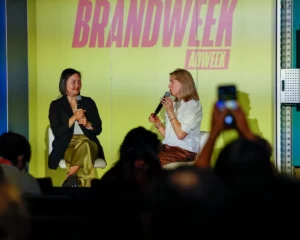
In recent years, the conference underwent a significant rebranding and restructuring effort. The shift toward a more immersive, multi-day format saw the event move to Atlanta, a city that served as a strategic nexus for Southern commerce and creative talent. During its stay in Atlanta, Brandweek focused heavily on the intersection of culture and commerce, drawing thousands of attendees to discuss the nuances of brand loyalty in an era defined by digital transformation.
The 2027 move to Dallas is the next logical step in this developmental timeline. By pivoting to Texas, ADWEEK is positioning itself in a state that has seen an unprecedented influx of Fortune 500 headquarters, including major players in technology, energy, and retail. The logistics of the move have been in development for months, with organizers scouting locations that can accommodate the increasing demand for high-capacity networking, keynote stages, and satellite activations that have become synonymous with the Brandweek experience.
The Rationale Behind the Texas Transition
The move to Dallas is not merely a logistical adjustment; it is a branding statement in its own right. ADWEEK CEO Will Lee articulated the strategic reasoning during the announcement, noting that the state itself embodies the very principles of branding that the conference seeks to explore. "Texas is one of the greatest—and yes, biggest—brands in the world," Lee remarked. "It is unapologetically Texas, and it’s going to be an incredible home for Brandweek."
From a data-driven perspective, the choice of Dallas is backed by strong economic indicators. The Dallas-Fort Worth (DFW) metropolitan area consistently ranks as one of the fastest-growing regions in the United States. According to the Bureau of Economic Analysis, the DFW area has seen sustained GDP growth that significantly outpaces the national average. Furthermore, the region serves as a massive logistical hub, with DFW International Airport providing world-class connectivity for international delegates, a critical factor for a conference that attracts participants from Europe, Asia, and Latin America.
Industry analysts suggest that the move also allows Brandweek to tap into a distinct demographic of marketers. While Atlanta offered a specific blend of creative arts and corporate headquarters, Dallas offers a high concentration of retail and consumer packaged goods (CPG) leadership—sectors that are currently undergoing a profound revolution in how they utilize AI and data analytics to reach consumers.
Industry Implications and Market Impact
The shift of a major industry conference often triggers a ripple effect across the professional services ecosystem. Hotels, local catering firms, and regional transportation services are already anticipating the influx of thousands of high-net-worth delegates. More importantly, local marketing agencies and tech startups in the Dallas area are expected to leverage the event as a launchpad for new partnerships.
"Conferences of this caliber serve as catalysts for regional economic development," noted an industry consultant specializing in B2B event strategy. "When you bring the brightest minds in brand marketing to a specific city, you are creating a temporary epicenter for the industry. Dallas is already a major player, but hosting Brandweek cements its status as a destination for the ‘next’ generation of marketing thought leadership."
The implications for the conference curriculum are also significant. By moving to a region known for its aggressive approach to business and entrepreneurship, the programming for the 2027 event is expected to lean heavily into themes of operational scale, market disruption, and the integration of decentralized media platforms. Participants can expect a move away from purely abstract marketing theories toward more tangible, data-backed workshops that address the current inflationary environment and its impact on consumer spending habits.
Balancing Tradition with Innovation
While the location is changing, ADWEEK has emphasized that the core mission of Brandweek remains intact. The event continues to serve as the definitive gathering for professionals seeking to understand how to build, maintain, and evolve a brand in a fractured media landscape.
The organization’s broader strategy, which includes the upcoming "Advertising HQ" event in Midtown Manhattan this October, demonstrates a tiered approach to content delivery. While ADWEEK House in New York provides a high-density, four-day environment for rapid-fire, unscripted conversations, Brandweek remains the flagship "long-form" experience. This dual-pronged strategy allows the organization to capture both the fast-paced news cycle of the advertising industry and the deep, analytical dives required for long-term brand strategy.
Looking Toward the Future
As the marketing industry enters a period defined by the rapid adoption of generative artificial intelligence and the decline of traditional cookie-based tracking, the importance of physical networking events has seen a resurgence. In an era of remote work and virtual meetings, the value of the "unscripted connection"—the kind that happens in the hallways, at dinner, and during networking sessions—has never been higher.
The decision to host the event in Dallas is a commitment to the idea that physical proximity remains a critical component of professional growth. For the thousands of attendees who make the trek to Texas in 2027, the conference will serve as a bellwether for the industry’s health. The success of the move will likely be measured by the depth of the partnerships formed and the quality of the intellectual capital generated over those three days.
As preparations begin for the transition, the industry remains attentive to how the move will reshape the conference’s identity. For now, the focus shifts to the upcoming 2025 and 2026 cycles, which will serve as the final chapters of the Atlanta era. However, the energy surrounding the 2027 announcement underscores a reality that is widely accepted in the marketing world: to keep a brand—or a flagship conference—relevant, one must be willing to evolve, move, and adapt to the shifting geography of the global marketplace.
With the announcement of the move, ADWEEK has signaled that it is ready to embrace the scale and ambition of its new host city. Whether this transition leads to a new standard for conference excellence remains to be seen, but the intent to scale, innovate, and gather at the highest levels of the industry is clear. As the calendar approaches 2027, the focus will undoubtedly be on how Dallas, as a brand, interacts with the collective expertise of the advertising world, creating a synergy that will likely influence marketing strategies for years to come.