Navigating the Complex Landscape of Modern CRM Security: Protecting Customer Data in an Era of Hyper-Integration and AI

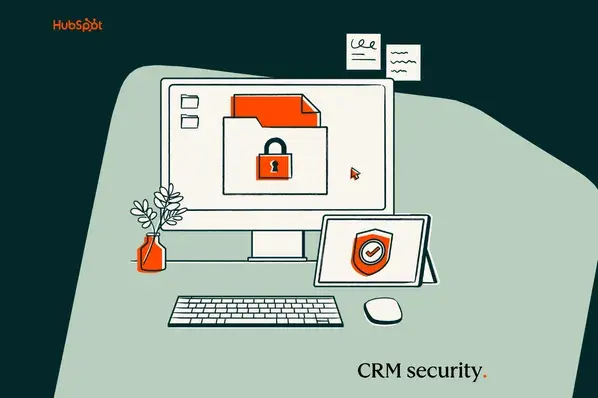
Customer Relationship Management (CRM) security has evolved into one of the most critical operational pillars for modern enterprises, yet customer data remains profoundly exposed to emerging vulnerabilities. In an era defined by rapid technological expansion—marked by proliferating software integrations, a permanent shift toward remote and hybrid workforces, and the widespread adoption of artificial intelligence (AI)-powered workflows—organizations face an unprecedented array of potential entry points for malicious actors. As businesses increasingly anchor their revenue operations, marketing strategies, and customer service frameworks to centralized CRM databases, safeguarding this sensitive information is no longer just an IT checkbox; it is a fundamental prerequisite for corporate survival and brand integrity.
The modern corporate reliance on cloud-based CRM ecosystems has transformed these platforms into vast repositories of personally identifiable information (PII), proprietary financial data, and sensitive communication logs. Consequently, the stakes for maintaining rigorous data protection have never been higher. A breach of these repositories not only threatens compliance with stringent global privacy regulations but also risks catastrophic financial penalties and an immediate erosion of consumer trust.
Understanding the Architecture of CRM Security and the Shared Responsibility Model
At its core, CRM security encompasses the comprehensive array of administrative controls, technical practices, and advanced software technologies designed to protect customer data stored within a platform. Revenue-generating teams depend entirely on the veracity and accessibility of this information to execute daily operations, making data defense a foundational business requirement. Consumer trust is inherently fragile; individuals share sensitive personal and financial details with enterprises under the strict expectation that their data will be handled with utmost confidentiality. Consequently, a single data breach can permanently tarnish a brand’s reputation and trigger immediate, large-scale client churn.
Furthermore, the regulatory landscape governing data privacy has grown increasingly complex. Legislative frameworks such as the European Union’s General Data Protection Regulation (GDPR) and the California Consumer Privacy Act (CCPA) enforce strict mandates regarding how organizations collect, store, and process personal data. Failure to comply with these statutes can result in debilitating regulatory fines. From an operational perspective, clean and secure data is essential for maintaining predictable revenue pipelines. Unsecured systems are continually vulnerable to unexpected downtime, malicious deal tampering, and the theft of valuable trade secrets, whereas robust security architecture preserves ongoing revenue streams and ensures uninterrupted business continuity.
In the context of cloud-based CRM platforms, data protection operates under a well-established paradigm known as the shared responsibility model. This framework clearly demarcates security duties between the software vendor and the client organization. The cloud CRM vendor assumes absolute responsibility for securing the underlying cloud infrastructure, which includes physical data center security, server hardware maintenance, foundational network architecture, and core platform code updates.
Conversely, the subscribing business retains total control over everything executed within its specific account environment. This includes managing user permission tiers, establishing authentication protocols, and authorizing third-party application connections. Industry analyses consistently demonstrate that the vast majority of security incidents do not stem from foundational platform flaws within the vendor’s infrastructure; rather, they originate from minor user misconfigurations and lax administrative oversight on the client side. To mitigate these risks, cybersecurity experts recommend defining strict administrative boundaries early in the implementation phase, such as restricting super-administrator privileges to a maximum of two core personnel to minimize potential pathways for internal data leakage.
Implementing Foundational Security Controls and Access Management
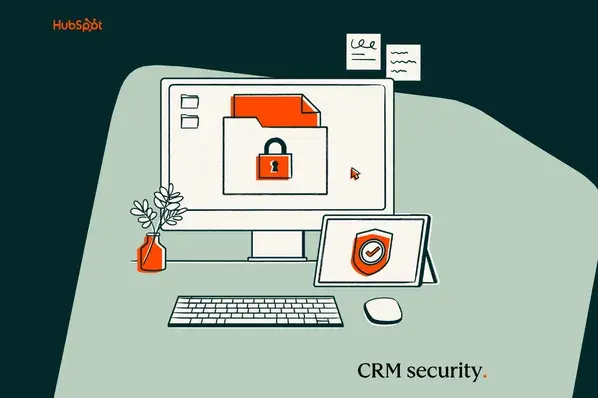
Deploying a new CRM environment requires immediate implementation of foundational security controls designed to mitigate unauthorized access, prevent data leaks, and streamline regulatory compliance. Organizations must establish a robust framework before rolling out platform access to broader sales, marketing, and service teams.
Central to this defensive posture is the enforcement of strict access control mechanisms. A well-designed permissions model protects sensitive client assets while allowing daily business operations to proceed without friction. This approach is anchored by the Principle of Least Privilege (PoLP), a security standard dictating that employees should be granted only the minimum level of access necessary to perform their specific job functions. By adhering to PoLP, organizations prevent the over-exposure of sensitive records.
Role-Based Access Control (RBAC) serves as the operational engine for this security model. Roles explicitly define the actions a user can execute within the platform, such as creating new records, editing existing profiles, or exporting bulk data lists. By attaching permissions to standardized job titles rather than configuring access on an individual, ad-hoc basis, IT and operations administrators maintain a clean, auditable, and easily manageable security hierarchy. High-risk actions—such as executing bulk data exports or permanently deleting accounts—require secondary management approvals to thwart malicious exfiltration attempts, while sensitive financial dashboards and executive reporting metrics are systematically hidden from general staff.
Beyond functional roles, modern CRM architecture utilizes team structures and role hierarchies to dictate record visibility. Segmenting users by departmental teams ensures that customer lists remain appropriately compartmentalized across distinct business units. Furthermore, the implementation of parent-child business unit structures grants executive leadership appropriate oversight into regional sub-teams without necessitating manual, time-consuming account reassignments.
At the most granular level, field-level security provides precise control over sensitive data fields within an individual customer record. Even when a team member possesses permission to view a client profile, specific fields—such as credit card details, social security numbers, or proprietary deal valuations—can be restricted or rendered read-only based on the user’s operational role.
Securing the Periphery: Integrations, APIs, and the Expanded Attack Surface
Modern CRM platforms rarely operate in isolation; instead, they function as the central nervous system of an enterprise technology stack, continuously exchanging data with marketing automation software, customer support helpdesks, enterprise resource planning (ERP) systems, analytics dashboards, and payment gateways. The vast majority of these inter-system communications rely on Application Programming Interfaces (APIs), which automate data transfer across disparate software applications.
While APIs dramatically enhance organizational efficiency and data synchronization, they simultaneously expand the enterprise attack surface. Recent industry research from the Cloud Security Alliance indicates that over half of organizations express serious concern regarding overprivileged API access. Because CRM integrations create numerous external pathways into the database, every new third-party application must be treated as a potential security vector and rigorously vetted before receiving authorization to connect to the CRM environment.
To safeguard integrated ecosystems, security teams must enforce strict API token management protocols, mandate secure OAuth authentication flows, limit API scopes to strictly necessary data objects, and conduct regular audits of all active third-party integrations. Disconnecting legacy or unused applications is vital to preventing dormant access channels from being exploited by malicious actors.

Continuous Monitoring, Incident Readiness, and Compliance Protocols
Even the most sophisticated preventative controls cannot eliminate security risks entirely, making continuous monitoring and incident readiness indispensable components of a mature CRM security strategy. Effective CRM audit logs provide the vital visibility required to investigate anomalous user behavior, demonstrate regulatory compliance, and mount a rapid, coordinated response when security anomalies occur.
Comprehensive CRM monitoring systems are configured to track high-risk administrative changes, bulk data exports, and unusual login anomalies—such as sign-ins from unfamiliar geographic locations or outside normal business hours. While these events do not inherently indicate malicious intent, they frequently serve as early indicators of compromised user accounts, unauthorized data harvesting, or accidental exposure. When a security alert is triggered, organizations must execute a pre-documented incident response workflow that includes immediate account isolation, credential revocation, forensic log analysis, and stakeholder notification.
Crucially, many of these monitoring and compliance workflows can be streamlined through intelligent automation. Modern CRM platforms allow administrators to configure automated alerts for high-risk events, schedule recurring permission reviews, and trigger mandatory approval chains whenever foundational system configurations are modified.
Simultaneously, compliance frameworks such as GDPR and CCPA require organizations to maintain rigorous database hygiene. Stale, unverified contact profiles increase legal liability and regulatory exposure. Quarterly compliance audits should systematically verify that all lead generation forms capture clear, time-pamped user consent, that opt-out and unsubscribe requests are instantly synchronized across all outreach channels, and that internal testing environments utilize data masking rather than live production PII. Furthermore, organizations must regularly execute test runs of "right to be forgotten" data deletion requests to ensure that removing a contact eliminates their information entirely from primary objects, custom database fields, and connected third-party tools.
Evaluating CRM Providers and Maintaining Long-Term Security Vigilance
When selecting a CRM platform, organizations entrust vendors with some of their most confidential and valuable commercial assets. Consequently, conducting a thorough security evaluation of prospective CRM providers is a vital preliminary step. Organizations should examine the vendor’s public-facing security documentation, looking for clear, easily accessible evidence of mature security programs, including third-party penetration testing reports, SOC 2 compliance certifications, data encryption standards at rest and in transit, and robust regional data hosting options. Transparent trust centers provided by industry leaders serve as benchmarks for the level of openness enterprises should demand before migrating sensitive client databases to an external cloud environment.
Ultimately, maintaining robust CRM security is not a one-time project that can be checked off and forgotten; it requires continuous vigilance. As enterprise data volumes expand, remote workforces evolve, and new technologies are integrated into the corporate tech stack, access controls, regular audits, and data protection policies must adapt dynamically. By centralizing core customer data, access governance, and compliance tools within a unified, highly secure platform, organizations can successfully protect their most critical assets while empowering sales, marketing, and service teams to drive sustainable business growth.