Star-Studded Campaigns and Strategic Brand Positioning Define the Current Advertising Landscape

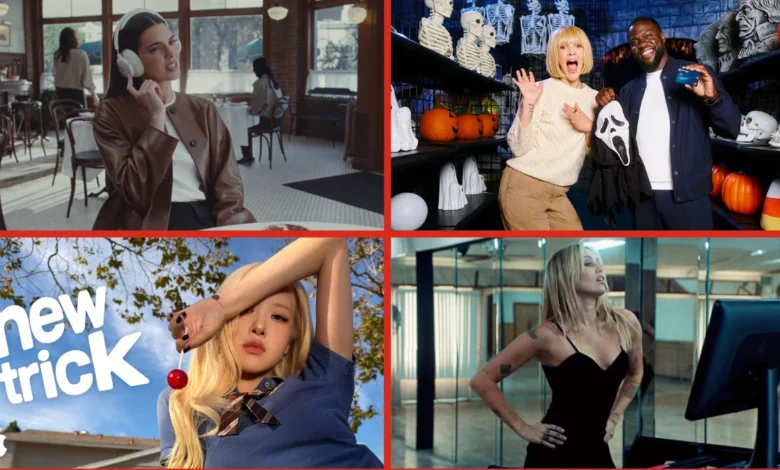
The contemporary advertising landscape is currently witnessing a convergence of high-wattage celebrity talent, nostalgic brand storytelling, and data-driven performance metrics, all coalescing into a series of campaigns that prioritize consumer engagement over traditional product placement. As major brands prepare for the critical fourth-quarter shopping season, the industry is seeing a shift toward meta-narratives, where iconic figures lean into their own pop-culture history to capture fleeting audience attention. This trend is anchored by the upcoming Adweek House: Advertising HQ event, scheduled for October 5–8 in Midtown, which serves as a nexus for industry leaders to discuss how these creative strategies are reshaping commerce and media.
The Celebrity-Centric Pivot: A Strategic Overview
The current roster of high-impact advertising features a diverse array of personalities, ranging from Hollywood royalty to global pop icons. Ben Stiller’s recent turn in a feline-themed costume for Stiller’s Soda highlights a growing appetite for surrealist, self-aware humor in brand messaging. Similarly, Kendall Jenner’s multi-version campaign for Beats exemplifies the use of deep-fake adjacent visual effects to create scale and intrigue. Alan Cumming’s sophisticated approach for Campari, coupled with Rosé’s high-fashion collaboration with Apple, underscores a broader industry move toward blending lifestyle aesthetics with product utility.
These campaigns do not exist in a vacuum. They are carefully engineered responses to a fragmented media environment where consumers possess shorter attention spans and higher expectations for entertainment value. According to recent industry benchmarks, commercials that leverage recognizable celebrity IP (Intellectual Property) see an average increase in brand recall of approximately 22% compared to those utilizing non-celebrity influencers or generic talent.
Case Study: Chase and the Power of Nostalgia
Among the most notable creative efforts this cycle is the Chase “Scream Halloween” campaign. By reuniting original Scream star Drew Barrymore with comedian Kevin Hart, Chase has tapped into the 30th-anniversary milestone of the seminal horror film. The campaign serves a dual purpose: it leverages deep-seated cultural nostalgia to build immediate brand affinity while simultaneously driving consumer awareness for Chase Freedom’s cash-back rewards programs ahead of the peak holiday shopping season.
This strategy—tying financial incentives to pop-culture anniversaries—reflects a sophisticated understanding of the consumer psyche. By positioning a credit card product within the context of a highly anticipated seasonal event, Chase minimizes the friction between the consumer’s desire for entertainment and their financial decision-making process. Market analysts suggest that such narrative-driven marketing is essential for maintaining relevance in a saturated credit card market, where interest rates and reward structures are increasingly commoditized.
Chronology of the Recent Advertising Surge
The evolution of these campaigns can be traced through the first three quarters of the fiscal year:
- Q1: The Return of the Spokescharacter: M&M’s initiated a strategic pivot by leaning into the dramatic, often humorous personas of their long-standing Spokescandies. This move signaled a return to brand-asset stability, reinforcing loyalty among core demographics.
- Q2: The Rise of Lifestyle Integration: Brands like Peloton and Apple intensified their focus on "integrated living," where the product is presented not as a standalone item but as a component of the user’s lifestyle. Miley Cyrus’s fitness-focused content for Peloton represents this shift toward authenticity and aspirational branding.
- Q3: The Meta-Humor Wave: Leading into the current period, the focus shifted toward "meta-marketing." Campaigns from brands like Beats and Stiller’s Soda have embraced a sense of self-referential irony, acknowledging the artifice of advertising while simultaneously engaging the viewer through spectacle.
- Q4: The Holiday Push: As we enter the final quarter, the industry is transitioning into high-stakes seasonal messaging, exemplified by Target’s latest campaign, which emphasizes logistical efficiency—"in the bag"—to reassure consumers of supply chain readiness.
Data-Driven Effectiveness: The McDonald’s Metric
The effectiveness of these creative choices is not merely anecdotal. Through a partnership with EDO, an analytics firm focused on consumer behavior, industry observers have identified the current McDonald’s "spicy" campaign as the most effective ad of the week.
Data shows that the ad achieved significant "search engagement," a metric that tracks the volume of consumer queries for a brand immediately following a broadcast. By focusing on sensory product appeal—specifically the flavor profile of their spicy offerings—McDonald’s successfully drove a measurable uptick in digital foot traffic and intent-to-purchase signals. This underscores a critical takeaway for the industry: while celebrity star power captures attention, sensory-focused product messaging is what ultimately converts engagement into actionable consumer data.
The Role of Adweek House: Advertising HQ
The upcoming gathering in Midtown serves as a critical forum for these developments. As the industry faces pressures from technological disruption, evolving privacy regulations, and the rapid integration of artificial intelligence in content creation, the need for unscripted, high-level conversation is paramount.
Adweek House is designed to provide a venue for stakeholders—including agency heads, CMOs, and media buyers—to dissect the success of campaigns like those mentioned above. The event is not merely a showcase; it is a collaborative space where the underlying mechanics of modern advertising are debated. Participants are expected to focus on the "attention economy," exploring how companies can sustain consumer engagement in an environment where ad-skipping technology and ad-free subscription models are the norm.
Institutional and Economic Implications
The broader implications of this current trend toward "Big Talent, Big Spectacle" marketing are twofold. First, it signifies a concentration of marketing budgets toward high-risk, high-reward creative projects. As brands compete for dominance, the cost of entry—both in terms of talent fees and production value—continues to rise. This creates a barrier for smaller brands that lack the capital to participate in this celebrity-driven arms race.
Second, the reliance on pop-culture nostalgia and celebrity IP suggests a potential creative stagnation. While these campaigns are undeniably effective in the short term, there is a legitimate industry concern regarding whether this approach builds long-term brand equity or simply provides a temporary boost in performance metrics. Industry leaders at the upcoming Advertising HQ event will likely debate whether the "nostalgia trap" is a sustainable strategy for the next decade, or if it represents a defensive posture in a volatile economy.
Industry Outlook: The Path Forward
As the calendar turns toward the final months of the year, the industry is preparing for a period of intense activity. The focus will remain on balancing creative innovation with the harsh realities of performance marketing. Whether it is the humor of a well-placed soda commercial or the precision of a seasonal retail campaign, the common thread remains the necessity of human connection.
The success of the current campaigns underscores a fundamental truth in advertising: despite the sophisticated data sets and algorithmic targeting, the core of the business remains the ability to tell a story that resonates. As brands convene in Midtown this October, the overarching theme will undoubtedly be how to maintain that human connection while navigating an increasingly digital and automated marketplace.
The industry is currently in a state of rapid adaptation. From the humorous antics of M&M’s to the high-fashion sensibilities of Apple’s collaborations, the variety of approaches highlights a sector that is willing to experiment. As stakeholders analyze the effectiveness of these efforts, the insights gained will likely inform the strategies for the coming years, marking a transition toward more integrated, high-impact, and culturally relevant marketing narratives.
For industry professionals, the imperative is clear: stay informed, analyze the data, and understand the shifting cultural zeitgeist. As the lines between entertainment and advertising continue to blur, those who can navigate this intersection with precision and creativity will define the future of the commerce-media landscape. The upcoming Adweek House event is set to be the primary venue for these discussions, providing the necessary insights to keep brands and agencies ahead of the curve in an increasingly competitive environment.