Managing a cohesive digital presence in 2026 requires more than mere manual effort; it demands a sophisticated ecosystem of software capable of synthesizing content creation, real-time engagement, and data-driven analysis. As the digital landscape continues to fragment across emerging platforms and established networks, creators, small business owners, and global enterprises alike are increasingly turning to centralized social media management platforms to streamline their workflows and maintain consistency in an era of hyper-connectivity.
The evolution of social media management tools has transitioned from simple scheduling interfaces to comprehensive suites that incorporate artificial intelligence, CRM integration, and advanced buyer-journey tracking. This shift is a direct response to the increasing complexity of cross-platform marketing, where businesses must now juggle traditional networks like Facebook and LinkedIn alongside short-form video giants like TikTok and newer, decentralized platforms like Bluesky and Substack Notes.
The Landscape of Social Media Management in 2026
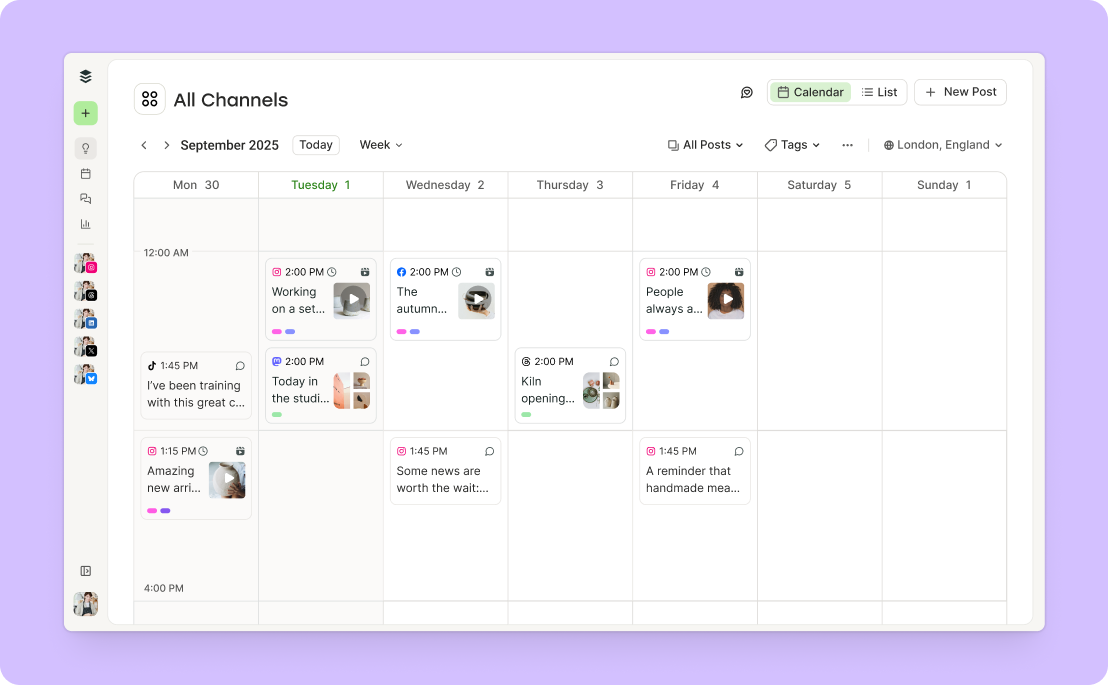
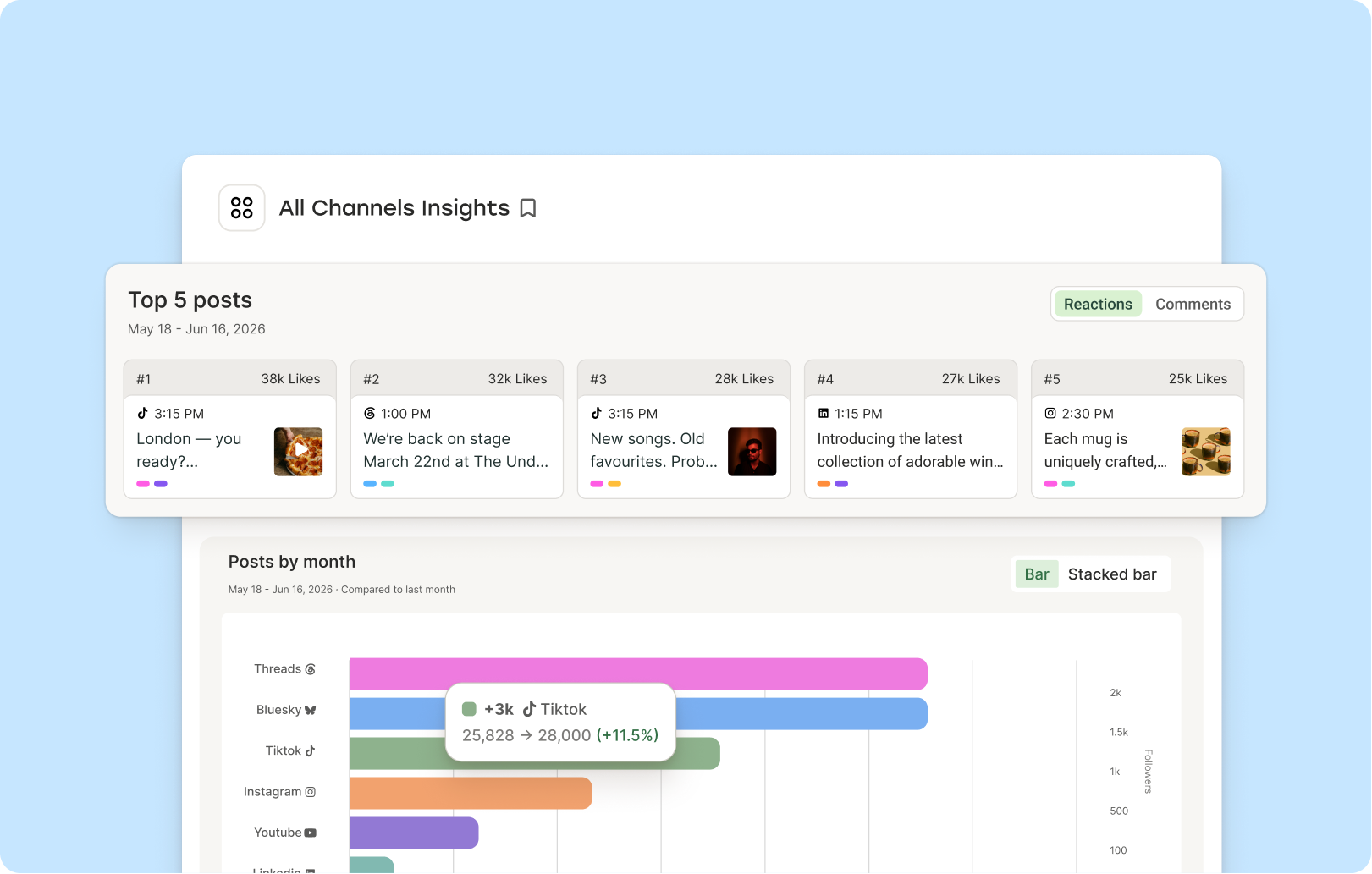
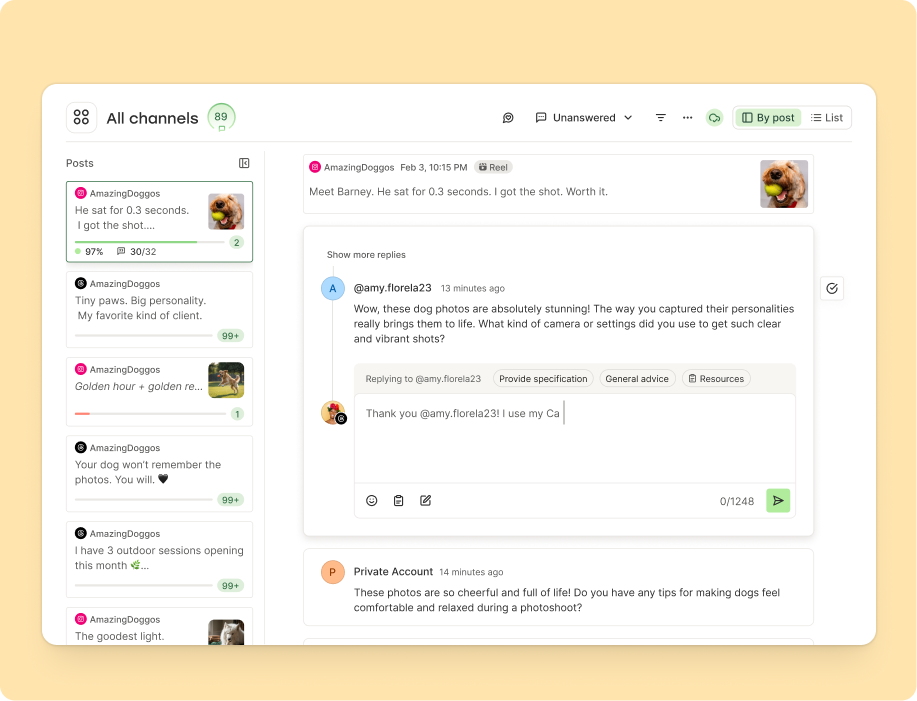
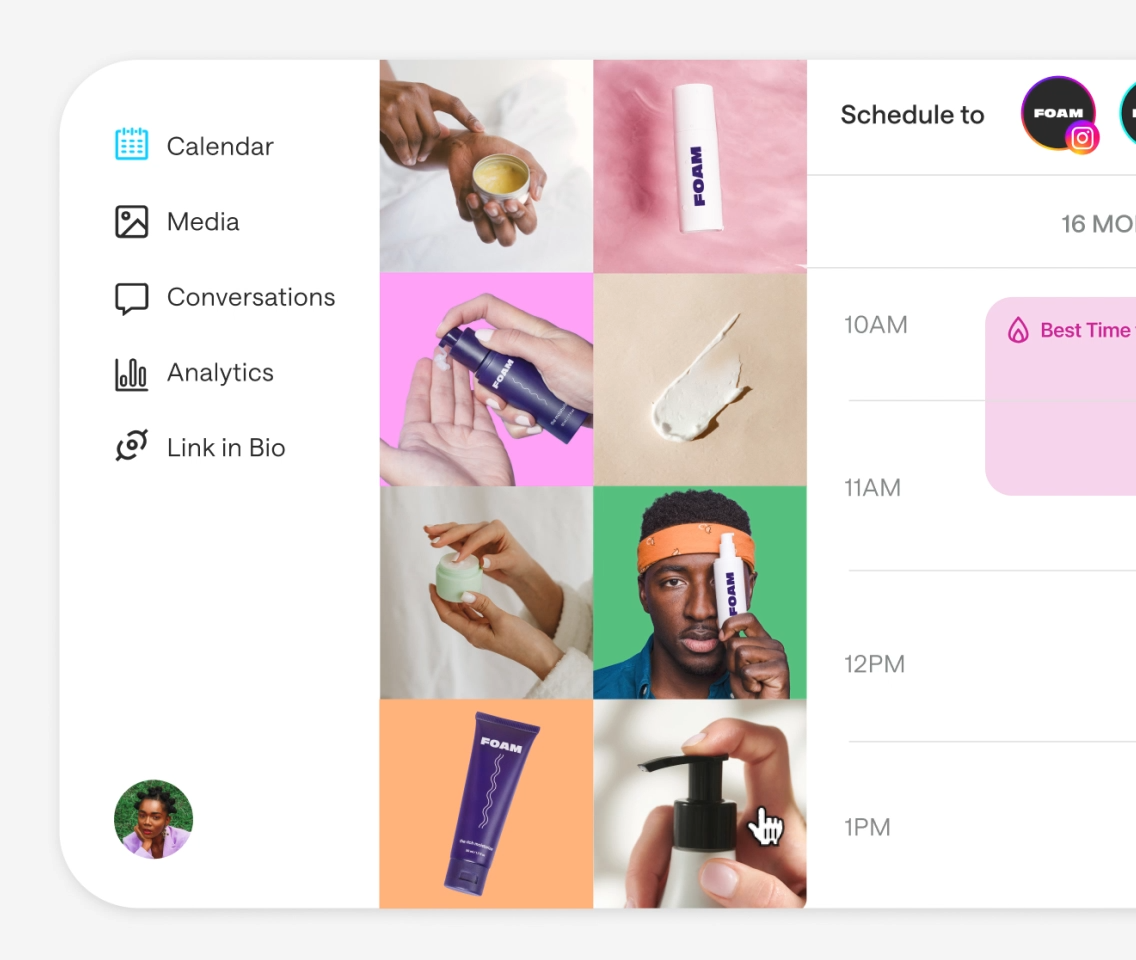
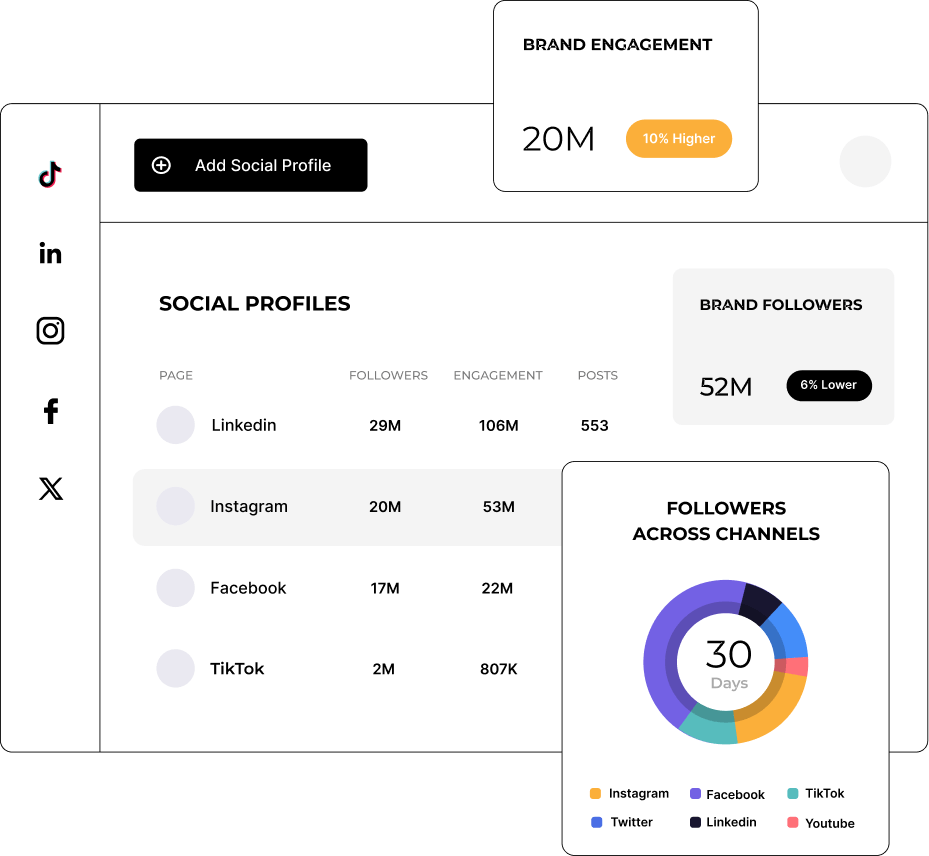
The fundamental value proposition of modern social media management software is the consolidation of disparate tasks into a single dashboard. By moving away from the cumbersome process of logging in and out of individual accounts, users gain the ability to manage multifaceted campaigns with a unified strategy. Current industry standards dictate that a competitive tool must offer, at minimum, a multi-channel scheduling calendar, a unified inbox for community engagement, and performance analytics.
According to market analysis from the first half of 2026, the sector is currently stratified into three distinct tiers: entry-level tools designed for individual creators, agency-focused platforms emphasizing white-label reporting and client collaboration, and enterprise-grade solutions that prioritize data governance, social listening, and deep CRM integration.
Comparative Analysis of Leading Platforms
The following table summarizes the market leaders based on their specific utility, core features, and entry-level pricing models as of August 2026.
| Tool | Primary Use Case | Standout Feature | Free Plan | Starting Price |
|---|---|---|---|---|
| Buffer | Creators & Small Business | Per-channel flexibility | Yes | $6/mo per channel |
| Hootsuite | Enterprise/Listening | Talkwalker Integration | No | $199/mo |
| Tailwind | Pinterest-First | One-click Pin Design | Yes | $29.99/mo |
| SocialPilot | Agencies | White-label Dashboards | No | $30/mo |
| Zoho Social | Existing Zoho Users | CRM Integration | Yes | $15/mo |
| Sprout Social | Influencer/Advocacy | Tagger Media Sync | No | $199/mo |
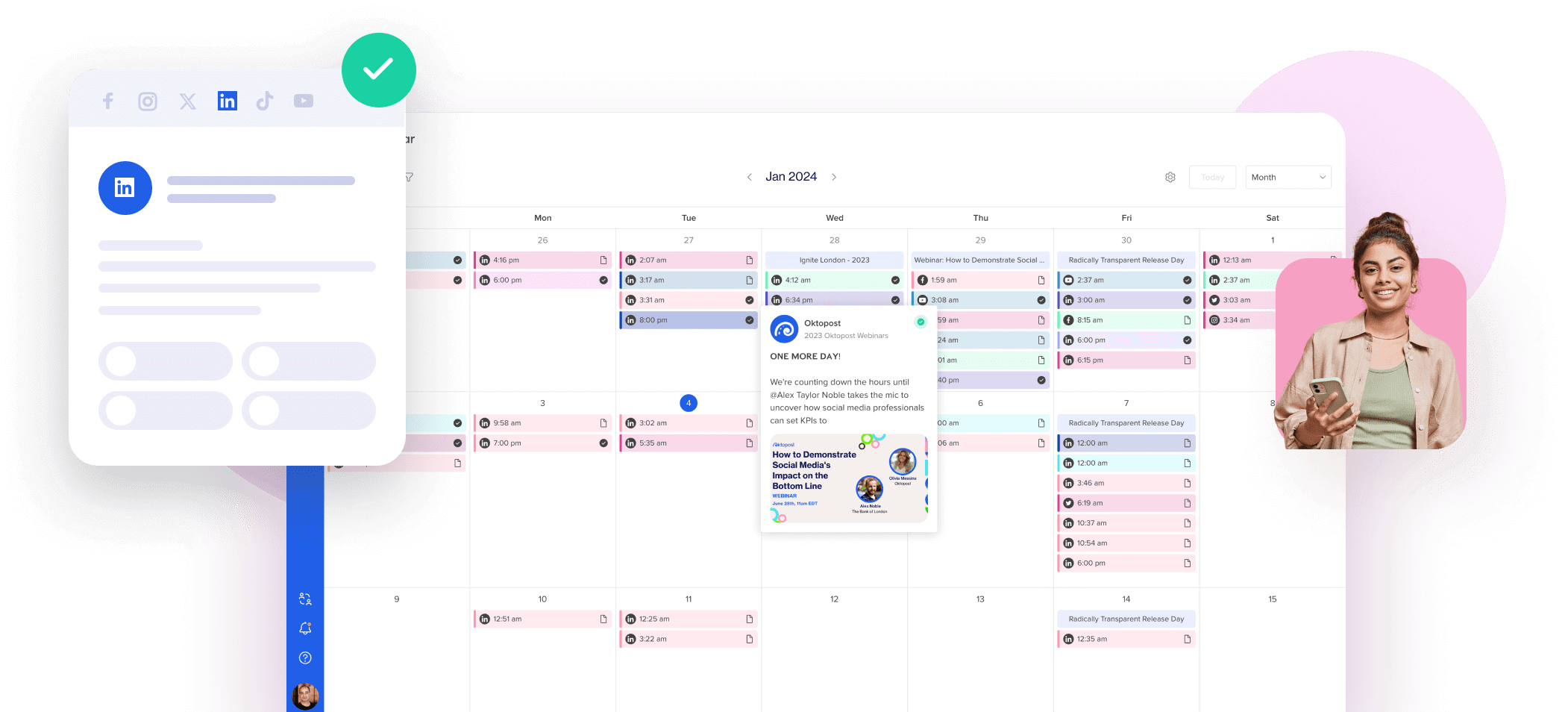
| Oktopost | B2B/ROI Tracking | Buyer-Journey Analytics | No | Custom |
| Later | Influencer Marketing | Creator Discovery | No | $25/mo |
| Socialinsider | Deep Analytics | Competitor Benchmarking | No | $99/mo |
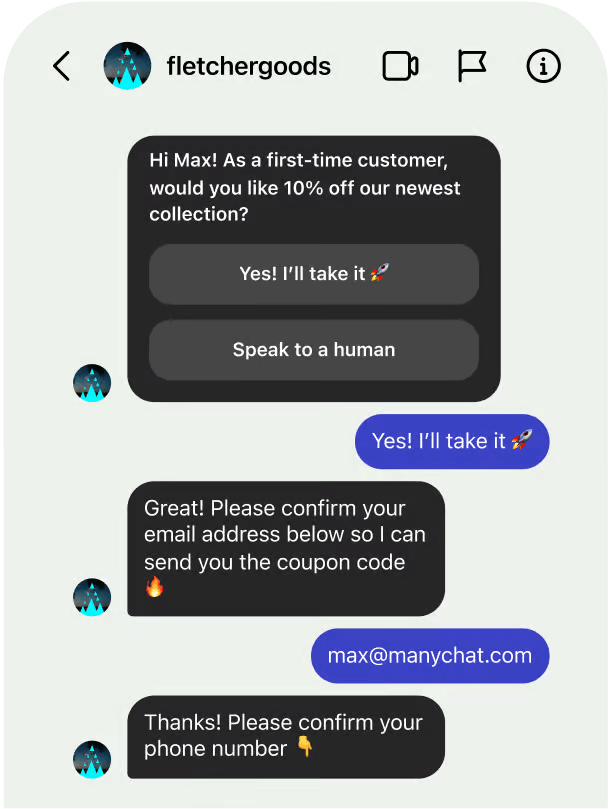
| Manychat | Automation | DM/Comment Triggers | Yes | $15/mo |
| Sprinklr | Global Enterprise | AI Persona Apps | No | Custom |
Strategic Profiles: A Deep Dive into Key Tools
Buffer: The Modular Approach for Growing Brands
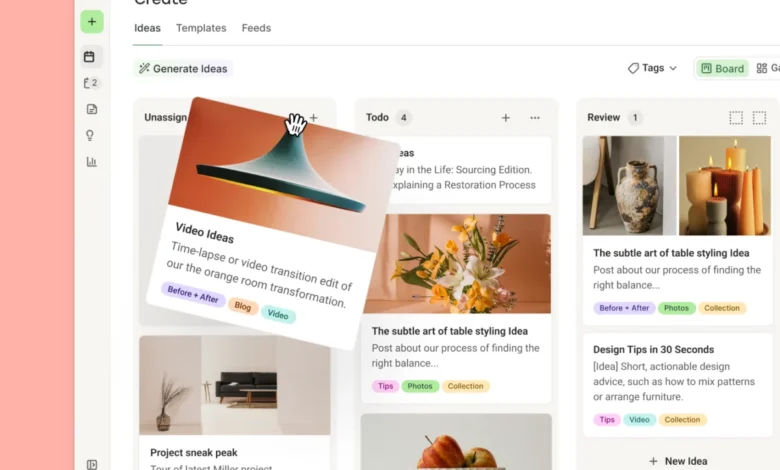
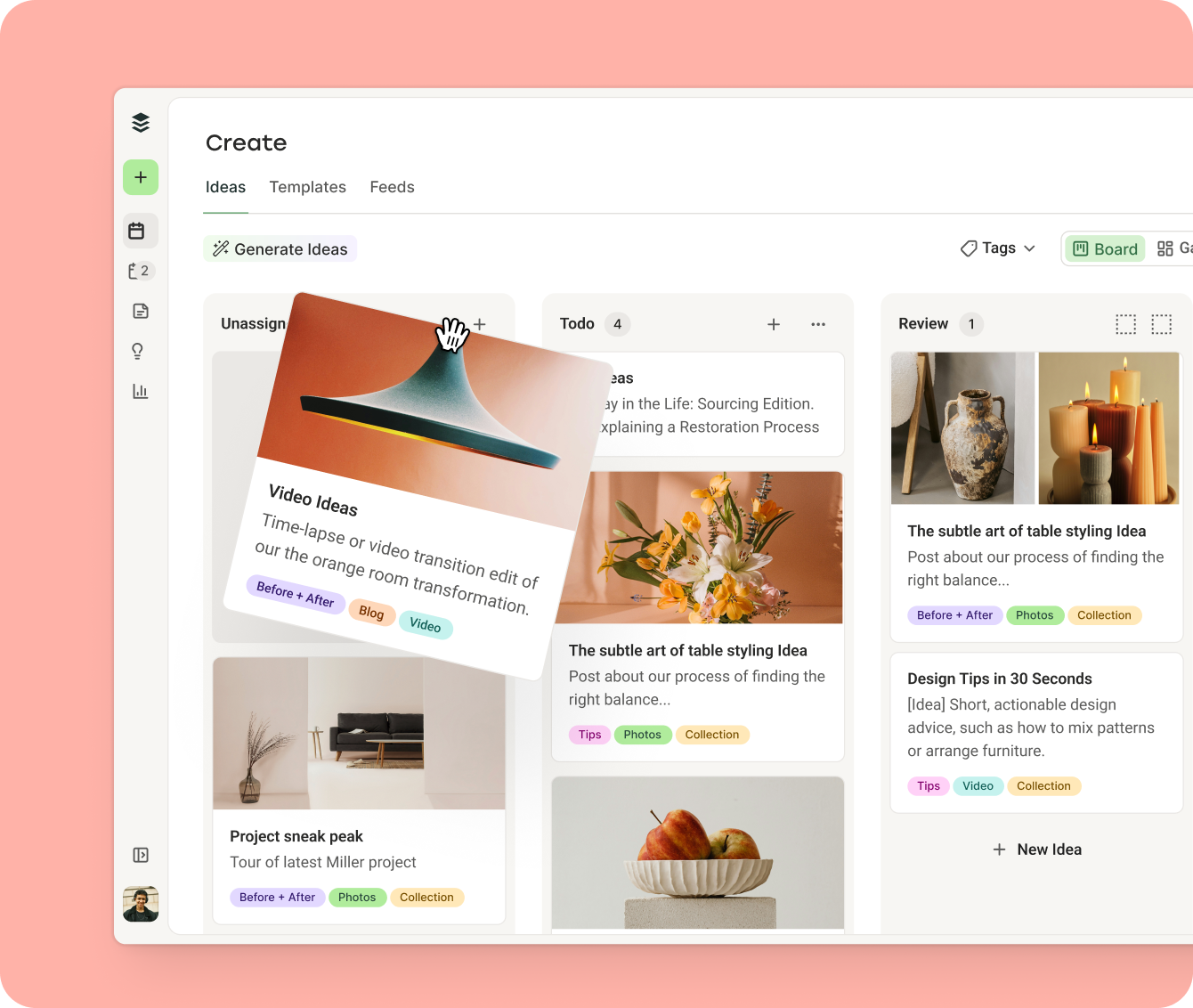
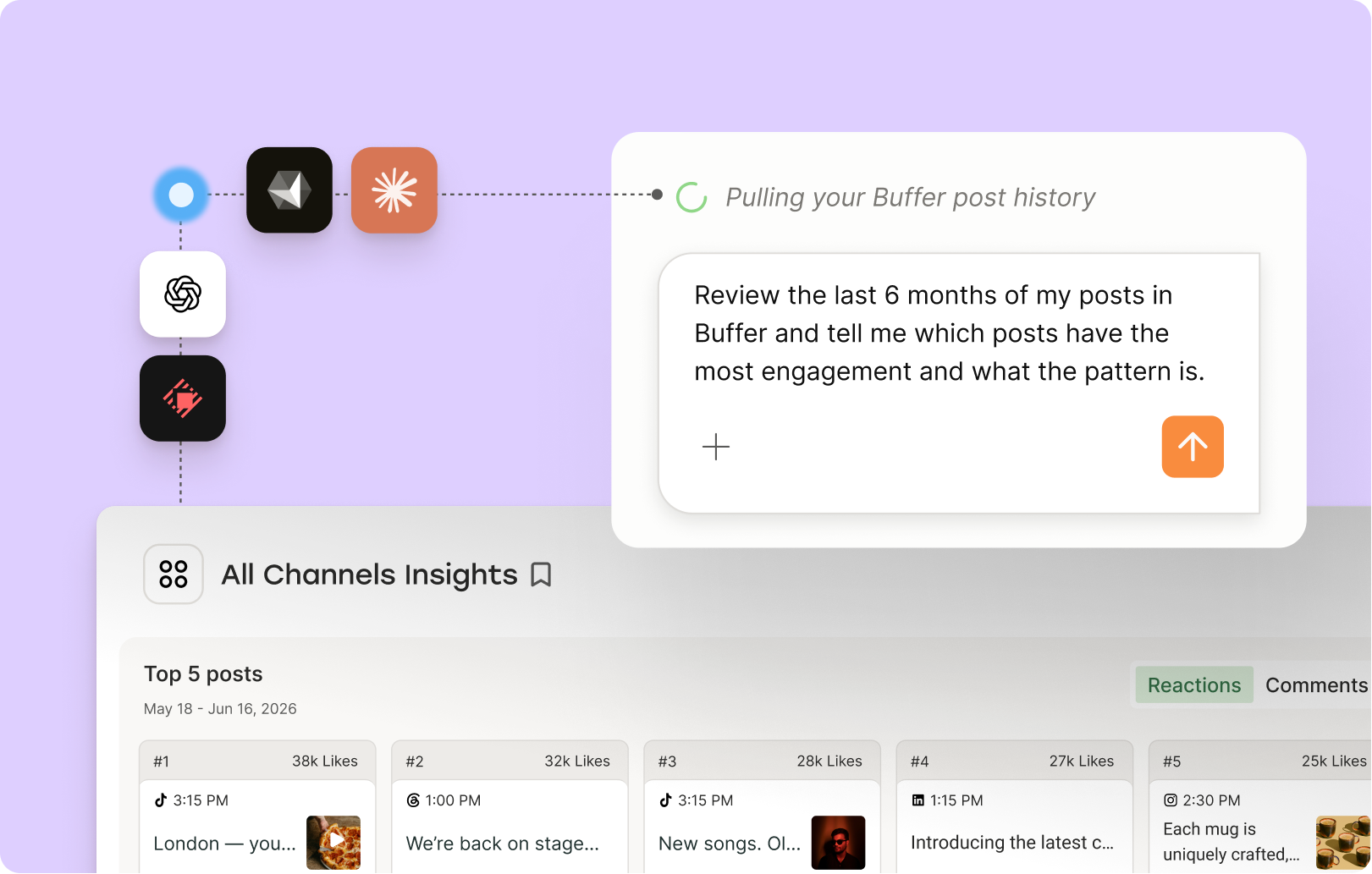
Buffer has maintained its market position by adhering to a modular, per-channel pricing model. By allowing users to pay only for the channels they actively use, the platform lowers the barrier to entry for solo creators. Its recent integration of "Create Space" for idea management and native AI-assisted drafting tools highlights a focus on streamlining the transition from ideation to publication. Its utility is best suited for those who prioritize ease of use and visual calendar management over complex enterprise governance.
Hootsuite: Enterprise-Grade Listening
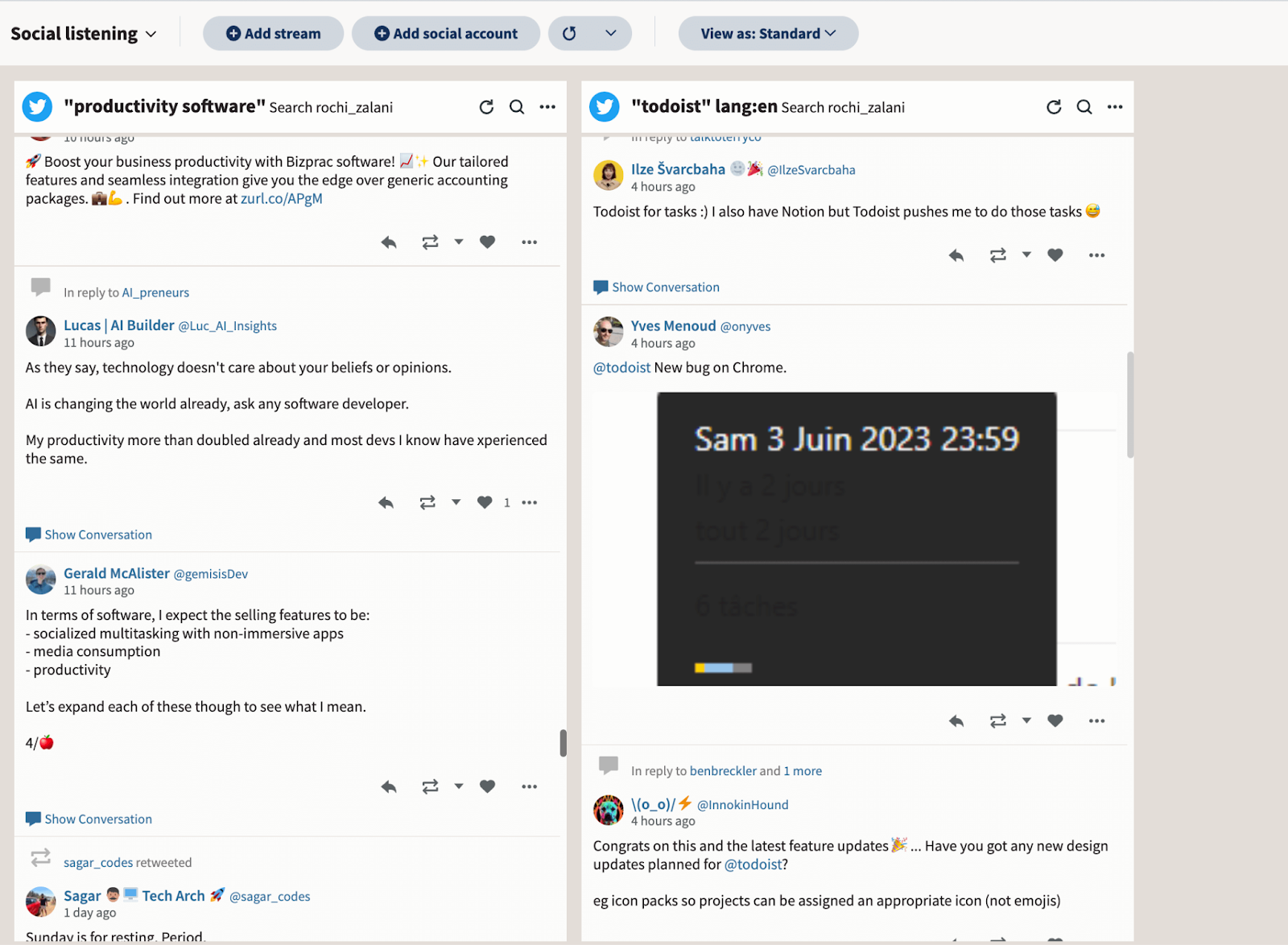
Following its strategic acquisition of Talkwalker, Hootsuite has solidified its status as a leader in social listening. For larger organizations, the ability to parse consumer sentiment and monitor global brand mentions in real-time is a critical requirement. Hootsuite’s architecture allows for granular team permissions, which is essential for corporations that need to restrict or grant access based on department-level roles.
SocialPilot: The Agency Standard
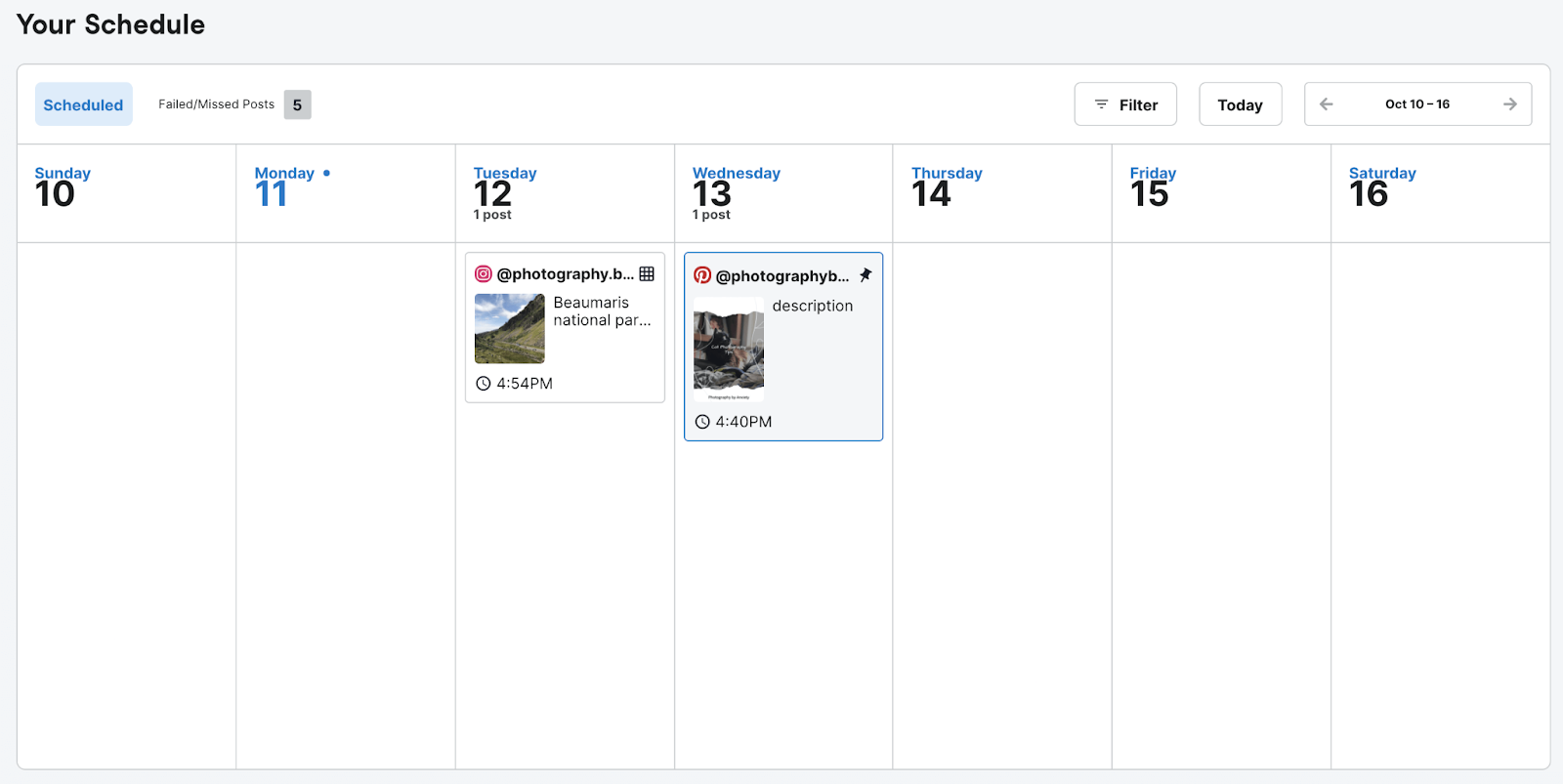
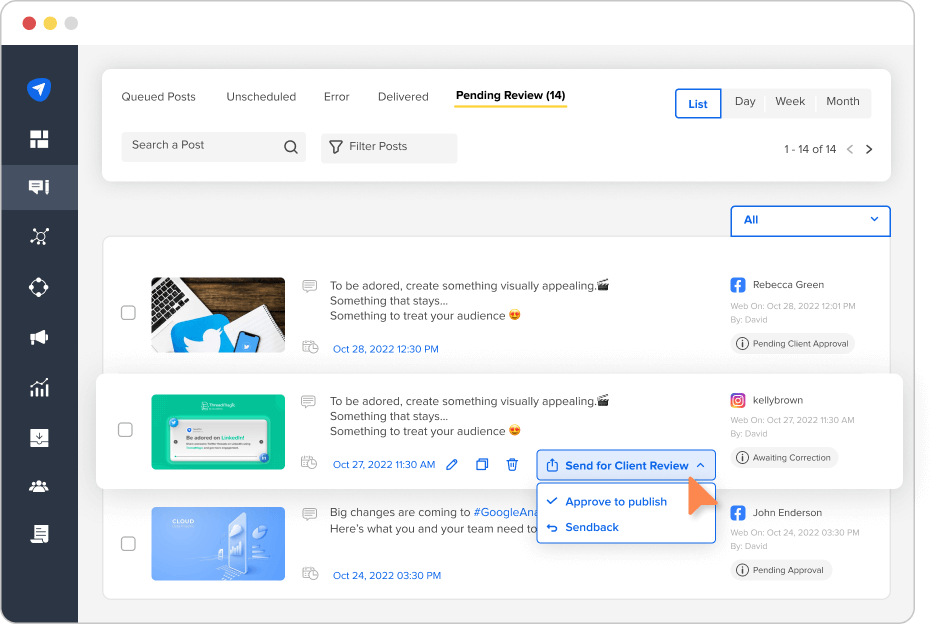
SocialPilot caters specifically to the needs of digital marketing agencies. The platform’s standout utility is its white-label client dashboard, which allows agencies to present analytics and content calendars to clients under their own branding. By emphasizing simplified, no-signup approval workflows, SocialPilot reduces the friction often associated with client-side review processes.
Zoho Social: Ecosystem Integration
For organizations already embedded in the Zoho ecosystem, Zoho Social provides a logical extension of their existing CRM and customer service infrastructure. The platform’s ability to pull data from Zoho Desk allows customer support teams to resolve queries that originate on social platforms without switching contexts, significantly reducing response times—a critical metric for modern customer experience management.
Sprinklr: The Enterprise Ecosystem
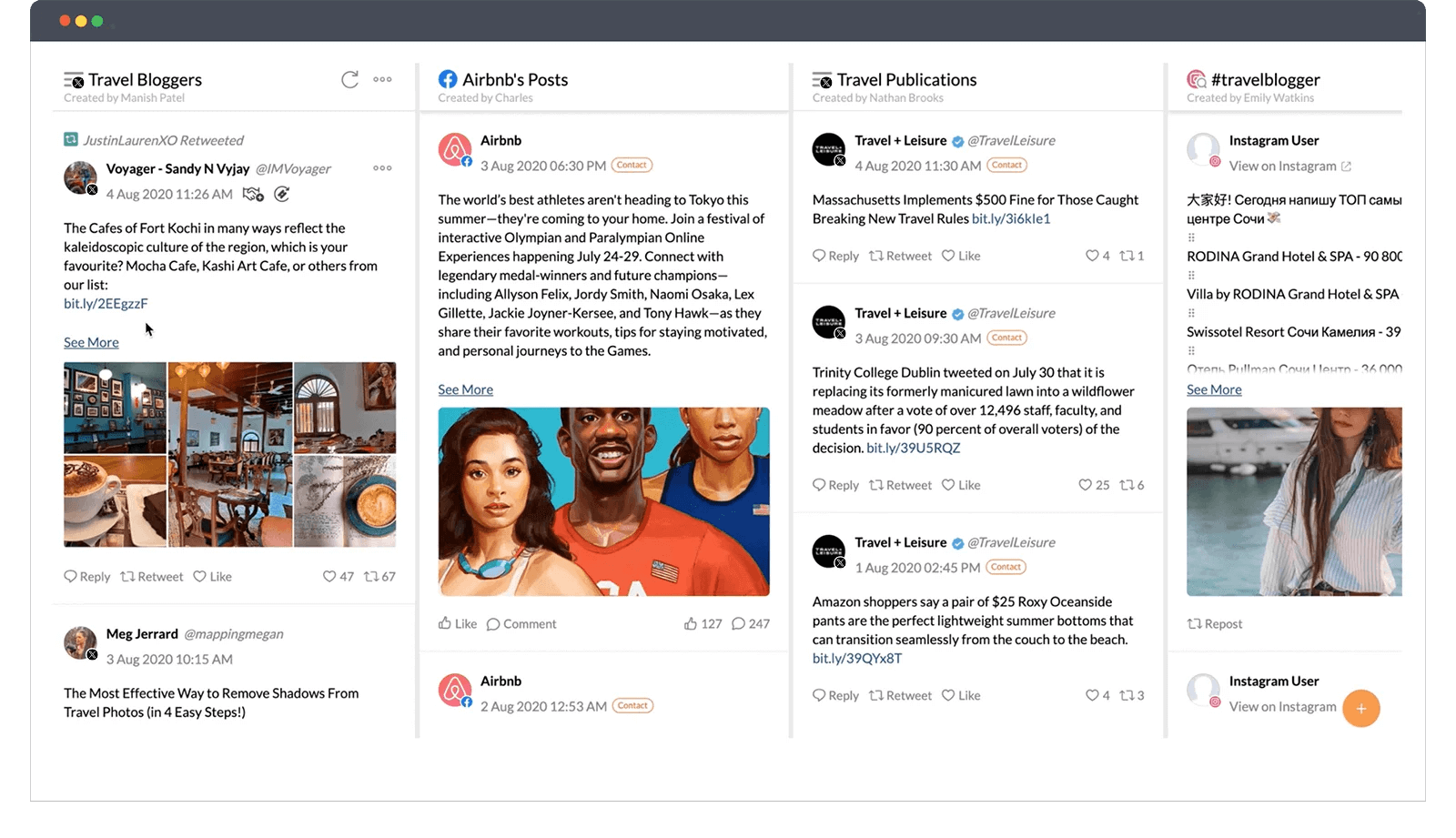
At the highest level of complexity, Sprinklr serves the needs of Fortune 500 companies. Its platform is less of a "social scheduler" and more of a comprehensive Customer Experience Management (CXM) suite. With capabilities ranging from AI-powered image detection to unified messaging across dozens of global channels, Sprinklr is designed for teams that require strict compliance, auditing, and multi-layered approval chains.
Criteria for Selecting the Right Tool
Choosing the appropriate platform requires an objective evaluation of current and future organizational needs. Industry experts recommend the following five-point framework when vetting potential software:
- Network Compatibility: Does the tool support your current core channels, and how quickly does it integrate emerging platforms? Future-proofing your strategy is vital in an industry where platform popularity shifts rapidly.
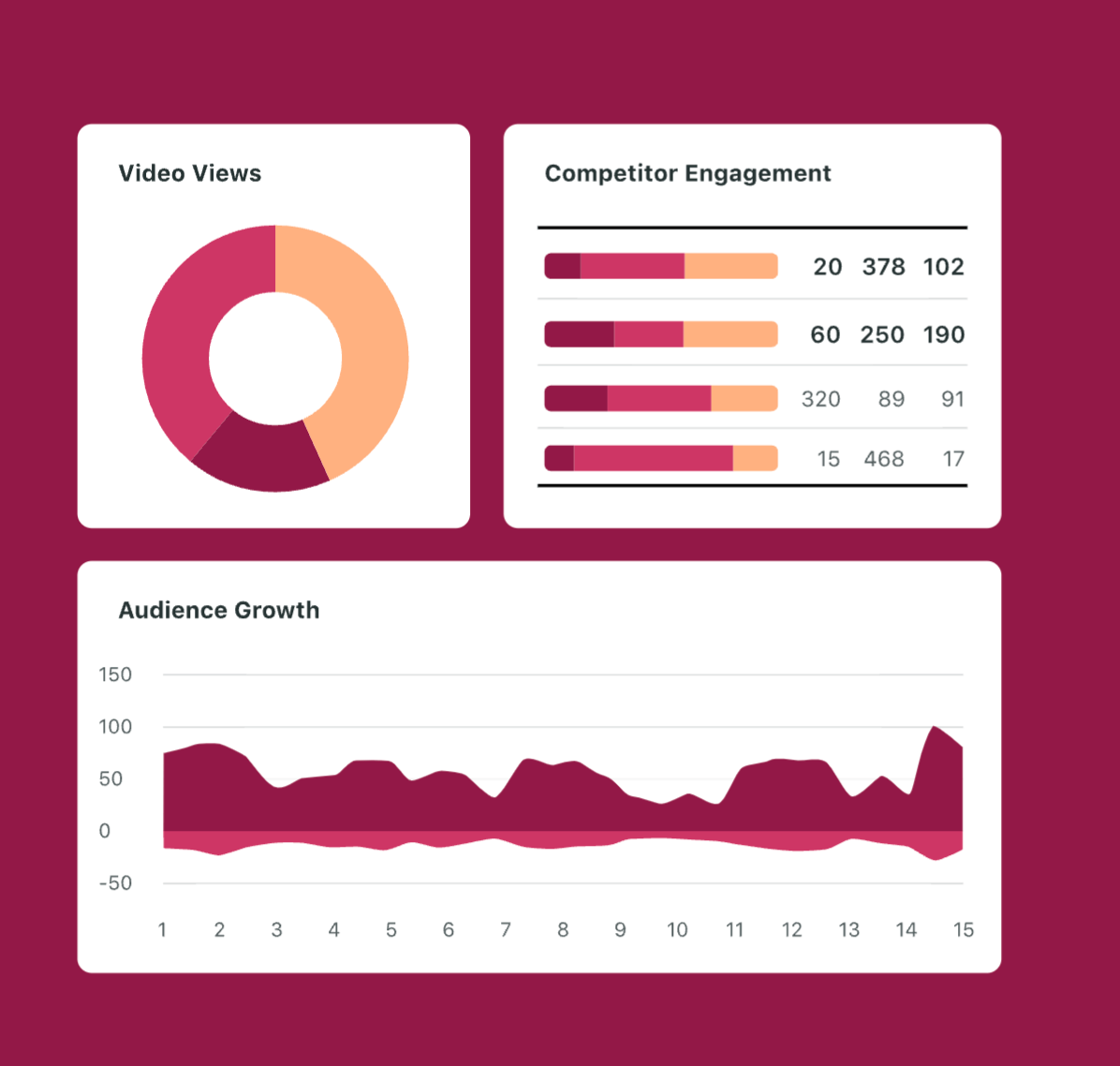
- Reporting Depth: Distinguish between vanity metrics (likes, follower counts) and actionable data (ROI, click-through rates, buyer journey impact).
- Collaboration Features: As teams expand, the requirement for granular user roles, internal approval workflows, and audit logs becomes non-negotiable for brand safety.
- Scalability: Analyze pricing not just for your current needs, but for the projected cost as your team size and number of managed profiles grow.
- Specialized Utility: Determine if your strategy requires niche features, such as influencer discovery tools, automated chat workflows, or direct CRM integration.
Chronology of Social Media Management Evolution
The trajectory of this software category reflects the broader professionalization of social media marketing:
- 2010–2015: The "Scheduling Era." Tools focused primarily on queueing posts to ensure basic consistency across major platforms.
- 2016–2020: The "Analytics & Engagement Era." The industry shifted toward unified inboxes and basic performance reporting as companies began treating social media as a customer service channel.
- 2021–2024: The "Automation & AI Era." Platforms integrated generative AI for copywriting and image creation, alongside automated workflows for DM and comment management.
- 2025–2026: The "Integration & ROI Era." The current focus is on connecting social performance directly to revenue, CRM systems, and holistic customer experience journeys.
Broader Implications and Future Outlook
The reliance on these management tools underscores a broader trend: the move toward "social-first" business models. As brands face increased pressure to demonstrate the ROI of their social presence, the role of these tools in tracking the buyer journey—from initial brand awareness on a short-form video platform to final conversion within a CRM—will only intensify.
However, the proliferation of automation also presents a challenge. As businesses increasingly rely on AI to generate content and manage community interactions, maintaining an authentic brand voice has become a central tension for many marketing departments. The most successful organizations in 2026 are those that leverage these tools to handle the logistical "heavy lifting"—scheduling, data aggregation, and workflow management—while preserving human oversight for the creative and community-building aspects of their digital identity.
Ultimately, the choice of a social media management platform is a long-term investment in operational efficiency. Whether a user is a creator seeking a streamlined way to manage multiple accounts or an enterprise needing global governance, the ideal solution remains the one that balances technical sophistication with the specific requirements of the user’s current growth stage. As platforms like Bluesky and Threads continue to capture market share, the agility of a tool’s development team will remain a primary indicator of its long-term viability.