Breaking the Glass Ceiling in Retail Banking: How Junior Professionals Are Transitioning Into Specialized Roles Through Practical Upskilling


The modern banking sector is undergoing a profound structural transformation, driven by rapid technological advancements, shifting consumer expectations, and increasingly complex regulatory frameworks. For decades, the traditional career trajectory for ambitious entrants into the banking industry followed a well-trodden, albeit slow, path. Many banking professionals began their careers on the front lines—serving as customer experience associates, bank tellers, administrative assistants, or junior financial advisors. These foundational roles offered invaluable direct exposure to client service and day-to-day branch operations, but they historically presented a steep climb for those aspiring to transition into higher-impact, specialized divisions such as corporate lending, commercial credit analysis, and comprehensive wealth management.
Today, however, the demand for specialized talent within financial institutions has accelerated dramatically, creating both an urgent hiring need for banks and a unique window of opportunity for junior personnel. To bridge the gap between entry-level tasks and advanced advisory responsibilities, industry professionals are increasingly turning to specialized, practical training programs. Institutions like the Corporate Finance Institute (CFI) have emerged as key players in this space, offering targeted certifications designed to equip workers with the hard skills required to navigate complex financial landscapes and accelerate their career progression.
The Evolution of the Banking Career Pipeline
Historically, the transition from a teller or customer service representative to a commercial credit analyst or wealth manager relied heavily on internal, on-the-job training and tenure. Banks typically invested heavily in multi-year rotational programs for graduates of elite business schools, leaving front-line retail staff with fewer structured pathways to upper-tier roles.
However, the labor market dynamics of the 2020s have forced a reevaluation of talent pipelines. With financial institutions facing persistent talent shortages in specialized departments, banks are increasingly looking inward, recognizing that front-line employees possess an intimate understanding of customer behavior and branch operations. The missing link has rarely been work ethic or ambition; rather, it has been access to rigorous, standardized training in complex financial analysis, credit risk evaluation, and wealth planning methodologies.
Industry data underscores this shift. According to recent workforce studies in the financial sector, employee retention and internal mobility have become top priorities for human resources executives. Financial institutions that successfully upskill their existing workforce not only reduce recruitment costs but also significantly improve morale and productivity. Employees who see a clear, merit-based path from entry-level positions to specialized advisory roles are far more likely to build long-term careers within the organization.
Addressing the Skills Gap Through Practical Education
Recognizing the limitations of traditional, highly theoretical academic curricula, modern professional development platforms have pivoted toward hands-on, use-case-driven education. Traditional business degrees often emphasize abstract macroeconomic theories and high-level case studies that, while intellectually stimulating, frequently leave new hires unprepared for the day-to-day realities of building a commercial credit memo or structuring a client’s investment portfolio.
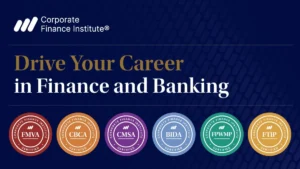
To counter this, certification programs such as CFI’s Commercial Banking and Credit Analyst (CBCA) and the Financial Planning and Wealth Management Professional (FPWMP) have gained widespread traction among up-and-coming banking professionals. These programs are specifically engineered to reflect real-world scenarios encountered by institutions, credit committees, and advisory firms on a daily basis.
The CBCA curriculum, for instance, focuses intensively on credit evaluation, borrower risk assessment, financial statement analysis, and loan structuring—core competencies required for professionals working with small-to-medium enterprises (SMEs) and large corporate clients. Similarly, the FPWMP addresses the intricacies of asset allocation, retirement planning, tax strategies, and estate planning, empowering junior advisors to manage high-net-worth client relationships with confidence.
By embedding these practical modules into their professional routines, front-line workers can effectively bridge the skills gap, transforming their experiential knowledge of retail banking into hard-nosed analytical expertise.
The Macroeconomic Imperative for Upskilling
The push toward specialized upskilling is not merely an HR initiative; it is a macroeconomic necessity. In an era marked by fluctuating interest rates, inflationary pressures, and tightening credit conditions, financial institutions cannot afford complacency in risk management or client advisory services.
Commercial banks face heightened scrutiny regarding credit quality and portfolio risk. Consequently, credit analysts must possess precise, up-to-date analytical skills to evaluate borrower health accurately. A miscalculation in commercial lending can lead to substantial non-performing loans, threatening the stability of regional and national institutions alike. Therefore, upskilling junior personnel into certified credit analysts serves as a vital risk-mitigation strategy for the banking sector as a whole.
Concurrently, the wealth management sector is experiencing the largest generational wealth transfer in history. As trillions of dollars pass from Baby Boomers to Millennials and Generation Z, wealth management firms must adapt to the unique preferences and digital expectations of younger clientele. Financial advisors and junior wealth managers must be equipped not only with traditional portfolio management techniques but also with a deep understanding of modern financial technologies, sustainable investing (ESG) frameworks, and holistic financial planning.
Industry Responses and Institutional Support
Recognizing the mutual benefits of professional development, progressive financial institutions are increasingly encouraging—and in some cases subsidizing—external certifications for their employees. Rather than viewing professional credentials as a stepping stone to a competitor, forward-thinking banks view them as a mark of internal quality and a tool for employee retention.
Training providers have responded to this institutional demand by offering flexible, modular learning formats that allow working professionals to balance demanding full-time schedules with rigorous academic study. Free resource libraries, introductory modules, and targeted template toolkits serve as low-barrier entry points for employees testing the waters before committing to full certification tracks.
This democratization of financial education has fundamentally altered how talent is identified and promoted within the sector. Merit-based credentials provide an objective benchmark of a candidate’s capabilities, helping to democratize promotions and reduce reliance on subjective networking within the corporate hierarchy.
Implications for the Future of Banking
As the financial services industry continues to evolve, the distinction between front-office and back-office, or retail and corporate banking, is becoming increasingly fluid. Technology has automated many routine transactional tasks—such as cash deposits, basic balance inquiries, and standard account openings—that once occupied the majority of a teller’s or customer service associate’s day.
This automation-driven liberation of human capital represents both a challenge and an opportunity. Without deliberate upskilling efforts, front-line staff face the risk of displacement by digital banking platforms and artificial intelligence. However, by leveraging targeted educational pathways to transition into specialized advisory, analytical, and management roles, these same professionals can secure their long-term career viability in an increasingly competitive marketplace.
Ultimately, the transformation of the banking workforce relies on a collaborative commitment from employees, educational providers, and financial institutions. By equipping ambitious workers with practical, real-world tools and clear career pathways, the industry can cultivate a more resilient, highly skilled, and dynamic generation of financial leaders ready to meet the complex demands of the modern global economy.