EEOC Legal Actions, University Subpoena Settlements, and Major Discrimination Verdicts Shape the Employment Law Landscape


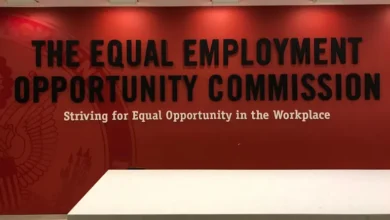
The Equal Employment Opportunity Commission (EEOC) continues to navigate a complex and highly scrutinized legal environment, marked by shifting federal priorities, high-profile institutional settlements, and aggressive private advocacy group litigation. Across the United States, employers, universities, and federal agencies are recalibrating their compliance strategies in response to a wave of recent enforcement actions, subpoena withdrawals, and proposed structural overhauls to the federal equal employment opportunity (EEO) adjudication process. From corporate boardrooms to elite academic institutions, the intersection of civil rights enforcement, diversity, equity, and inclusion (DEI) initiatives, and workplace accommodation mandates has generated significant legal friction.
Recent developments underscore a changing dynamic in how federal regulators pursue information, how major corporations and universities respond to investigative demands, and how advocacy groups utilize administrative charges to challenge institutional practices. Legal analysts note that these events reflect broader cultural and political debates over workplace training, religious accommodations, and recruitment programs tailored to specific demographic groups.
EEOC and Nike Resolve Subpoena Enforcement Action in Missouri Federal Court
The legal standoff between the federal government and athletic apparel giant Nike concluded on August 12, when a federal district court formally dismissed the EEOC’s subpoena enforcement action at the agency’s own request. The dismissal came after Nike fully complied with the agency’s demands, providing the requested information between March and August of this year.
The underlying investigative journey began when an original discrimination charge was filed against Nike with the EEOC’s Oregon office in May 2024. The probe was subsequently assigned to and investigated by the EEOC’s San Francisco office. As the investigation progressed, friction arose regarding the scope of information requested by federal investigators, leading the EEOC to file a subpoena enforcement lawsuit in February in the U.S. District Court for the Eastern District of Missouri.
While subpoena enforcement actions are a standard investigative tool for the EEOC when employers are perceived as uncooperative or slow to respond, the voluntary dismissal indicates that cooperative compliance ultimately prevailed. Employment law experts point out that while protracted litigation over investigative subpoenas can be costly and damaging to corporate reputations, proactive data sharing often allows companies to successfully mitigate the risk of broader systemic lawsuits.
University of Pennsylvania and EEOC Reach Settlement Over Jewish Studies Data Demand
In the academic sector, a high-profile dispute involving the University of Pennsylvania (UPenn) and the EEOC reached a resolution on July 23. The two parties agreed to settle a subpoena enforcement action that had previously required the university to turn over extensive information concerning faculty members involved in Jewish Studies and related campus programs.
Under the terms of the settlement, the EEOC formally agreed to take no further measures to enforce the controversial subpoena, which had targeted staff contact information. In exchange, UPenn agreed to drop its pending appeal before the U.S. Court of Appeals for the Third Circuit. Furthermore, the EEOC waived its right to enforce a prior federal district court order that had largely granted the agency’s request for the documents.
The subpoena had drawn intense public scrutiny and criticism from free speech advocates, academic freedom organizations, and legal scholars who questioned the appropriateness of federal investigators probing specific academic departments and faculty rosters. While the settlement brings an immediate halt to the litigation, it leaves lingering questions regarding the boundaries of federal oversight into university curricula, faculty assignments, and campus programming amid rising tensions over geopolitical conflicts and civil rights on college campuses.
Anti-DEI Advocacy Group Targets Law Firms and Educational Nonprofits
The legal landscape surrounding diversity, equity, and inclusion initiatives experienced a new escalation when Americans for Equal Opportunity (AEO)—an advocacy group explicitly opposed to DEI programs—filed a sweeping discrimination charge with the EEOC. The group petitioned the federal agency to investigate an education nonprofit alongside 14 major law firms, alleging that these entities engaged in unlawful preferential treatment for Muslim and Middle Eastern applicants.
According to AEO, the nonprofit Sponsors for Educational Opportunity (SEO), which places incoming law students into prestigious summer internships, discriminated against candidates based on race, color, national origin, religion, and sexual orientation. The advocacy group brought the charges on behalf of members who had unsuccessfully applied for various fellowship programs sponsored by the targeted law firms. This filing follows a separate EEOC charge that AEO previously filed against SEO in February 2025.
The latest complaint highlights a growing trend among conservative and anti-DEI legal organizations that utilize federal anti-discrimination statutes, such as Title VII of the Civil Rights Act of 1964, to challenge corporate diversity pipelines, fellowship programs, and recruitment criteria. Legal scholars observe that while civil rights laws were originally enacted to protect historically marginalized groups from discrimination, advocacy groups are increasingly leveraging these exact statutes to dismantle race- and identity-conscious programs across corporate America and higher education.
Washington University Faces EEOC Lawsuit Over Mandatory DEI Training Firing
Institutional policies regarding mandatory workplace training are also facing heightened legal scrutiny. The EEOC has filed a federal lawsuit against Washington University in St. Louis, alleging that the institution unlawfully terminated a Black employee who objected to mandatory DEI training that reportedly separated employees by race.
The plaintiff, Amega Thaier, raised internal complaints regarding the structure of the training program, arguing that the race-based separation constituted discriminatory treatment. After receiving what she considered an inadequate internal response, Thaier filed a formal charge with the EEOC. According to the federal lawsuit, the university retaliated against her by terminating her employment just a few months after she lodged her administrative complaint.
The case brings to the forefront a contentious debate within human resources circles regarding the design and implementation of corporate and academic training programs. While proponents argue that targeted training is essential for fostering inclusivity and addressing systemic bias, critics and legal challengers contend that certain instructional formats can create racially hostile environments or violate federal prohibitions against disparate treatment in the workplace.
Proposed Overhaul of the Federal EEO Adjudication Process
In a development that could radically alter how federal sector discrimination claims are handled, the Office of Management and Budget (OMB) and the EEOC have proposed sweeping structural changes to the federal EEO process. The joint proposal aims to eliminate several key procedural steps currently available to federal employees, most notably the right of a complainant to request a hearing before an EEOC administrative judge.
Under the proposed framework, all federal agency investigations would conclude with a final agency decision. Complainants would retain the ultimate right to file a lawsuit in federal district court, but the internal administrative complaint process would be shifted entirely from the oversight of the EEOC to the specific federal agency where the alleged discrimination occurred. Additionally, the plan seeks to formally remove the right to bring class complaints—a procedural avenue that the EEOC had already suspended the previous year.
Federal employee unions and civil rights advocates have expressed deep concern over the proposed changes, arguing that removing independent administrative judges and shifting investigative power back to the accused agencies strips away crucial safeguards and impartiality. Conversely, federal management advocates suggest the reforms could streamline a notoriously backlogged system and reduce administrative delays. The formal proposal is scheduled for publication in the Federal Register in September, opening a mandatory public comment period that is expected to attract significant legal and political debate.
Recent Settlements Highlight Enforcement of Title VII and Vaccine Mandates
Beyond high-profile investigative battles and proposed regulatory overhauls, the EEOC continues to secure substantial financial settlements and policy concessions from employers accused of systemic workplace violations. Three recent settlements illustrate the diverse range of issues currently targeted by federal enforcers.
-
TCI of Alabama: The industrial company agreed to pay $2.6 million to resolve an EEOC lawsuit alleging a long-standing pattern of refusing to hire female laborers, dating back to 2006. According to the federal investigation, when the company transitioned to outsourcing its labor staffing, it explicitly instructed third-party employment agencies to refer exclusively male applicants. In addition to the multi-million-dollar monetary relief for affected women, the settlement terms require TCI of Alabama to terminate a Title VII coordinator, implement mandatory anti-discrimination training for all managers and staff, issue formal directives to all staffing agencies prohibiting discriminatory referral requests, and post prominent workplace notices detailing employee rights and reporting procedures.
-
Battelle Memorial Institute: The major research and development organization agreed to pay $5 million to settle EEOC charges alleging religious and disability discrimination stemming from the company’s mandatory COVID-19 vaccination policy. The settlement provides back pay and compensatory damages to more than 100 workers who were either penalized or separated from employment after requesting accommodations. Furthermore, Battelle agreed to provide specialized training to its human resources personnel regarding the proper legal handling of religious and disability-related accommodation requests.
-
Bouchon and Thomas Keller Restaurant Group: The renowned restaurant group agreed to pay $2 million to settle a comprehensive EEOC sexual harassment and retaliation lawsuit. The federal complaint asserted that, beginning in 2018, male supervisors and staff members subjected both female and male restaurant employees to pervasive sexual harassment and hostile work environments, followed by retaliatory actions against those who spoke out.
Implications for Employers and Legal Practitioners
As the legal landscape continues to evolve, employment law experts emphasize the importance of proactive compliance and meticulous record-keeping. The simultaneous increase in private advocacy group challenges, complex federal subpoenas, and aggressive agency enforcement underscores that employers can no longer treat equal employment opportunity compliance as a static administrative checklist.
Legal practitioners advise corporate leadership and human resources departments to conduct regular audits of recruitment pipelines, workplace training curricula, and accommodation request protocols. With federal agencies altering their procedural rules and private litigants aggressively testing the boundaries of anti-discrimination laws, organizations must navigate an increasingly litigious environment with vigilance, legal foresight, and strict adherence to federal standards.