Navigating Moroccan Dress Etiquette: A Comprehensive Guide for Travelers to Enhance Cultural Understanding and Comfort

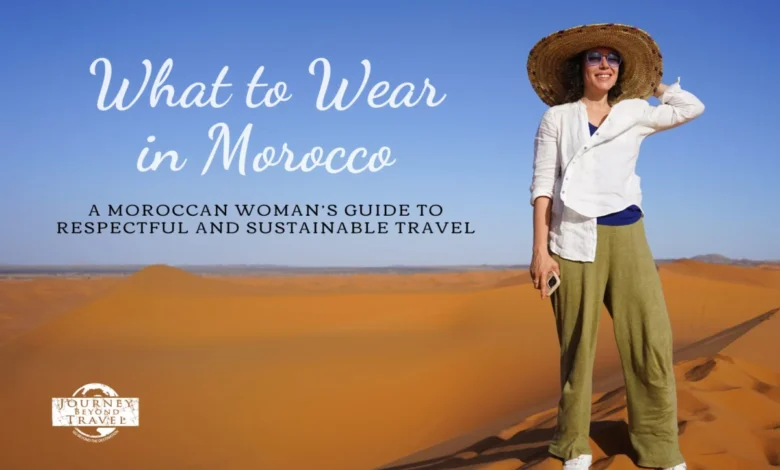
Morocco, a vibrant nation at the crossroads of Africa and Europe, captivates travelers with its rich history, bustling souks, and stunning landscapes. While the country does not enforce a formal dress code, understanding and respecting local cultural norms is paramount for visitors seeking an authentic and harmonious experience. This guide aims to provide comprehensive insights into appropriate attire for all seasons and regions, emphasizing comfort, climate, and cultural sensitivity.
The Evolution of Moroccan Dress Norms: A Historical Perspective
Morocco has long been characterized by a dynamic interplay of tradition and modernity, evident in its sartorial landscape. Recalling Tangier in the 1980s, one might have observed a strikingly liberal public sphere where beachgoers freely wore swimsuits alongside individuals in traditional jellabas (long hooded tunics) and flowing robes. This colorful mix underscored a period of significant openness, particularly in cosmopolitan urban centers and coastal towns. This historical backdrop is crucial for understanding the present-day nuances of dress. For decades, Morocco has welcomed international visitors, fostering a degree of cultural exchange that has influenced local fashion, particularly in major tourist destinations like Marrakech and Casablanca, and coastal areas such as Tangier and Essaouira.

However, the social fabric has subtly shifted over the past few decades. While Morocco remains a relatively liberal Muslim country without strict legal mandates on dress, there has been a noticeable trend towards more conservative clothing choices among Moroccan women. This shift is partly a response to increased verbal harassment, including catcalling and unsolicited comments, from some segments of the male population. This phenomenon highlights a complex interplay between evolving societal norms, personal safety, and religious identity. Studies and anecdotal evidence suggest that women, both local and foreign, sometimes opt for more modest attire as a deterrent to unwanted attention, reflecting a practical adaptation to social dynamics rather than a legal requirement.
The role of religion, specifically Islam, has always been deeply interwoven into the daily lives of Moroccans. While public displays of religious adherence vary, a general ethos of modesty often influences clothing choices. This is particularly pronounced outside major tourist hubs and in smaller towns, villages, and rural areas, where traditional values hold stronger sway. For instance, a comparison to many visitors’ home countries might reveal a similar gradient: rural regions often exhibit more conservative social and dress customs than their urban counterparts. This distinction is crucial for travelers, as adopting a respectful approach to dress in these more traditional settings can significantly enhance interactions with locals and foster deeper cultural connections. Adhering to modest attire in such areas is not merely about avoiding disapproving glances but about demonstrating an appreciation for local customs, which can open doors to warmer hospitality and more meaningful exchanges. For example, local guides frequently report that travelers who dress respectfully often experience more genuine interactions and are invited into homes or community events more readily.
Climate Considerations: Preparing for Morocco’s Diverse Seasons
Morocco’s geographical diversity results in varied climatic conditions throughout the year, necessitating a thoughtful approach to packing. From the scorching Sahara Desert to the snow-capped Atlas Mountains and the temperate Atlantic coast, understanding the seasonal nuances is key to comfortable travel.

Spring (March-May): Generally an ideal time to visit, spring offers pleasant weather across much of the country. However, regional variations can be significant. While Chefchaouen, nestled in the Rif Mountains, might experience cool, rainy days with temperatures around 13°C (55°F) and occasional drizzles, the Sahara Desert could see daytime highs exceeding 43°C (110°F) during heatwaves. Most regions enjoy early-summer-like conditions, characterized by warm days and cooler evenings, with average temperatures in cities like Marrakech ranging from 15°C to 28°C (59°F to 82°F), making layering essential. The blossoming landscapes and generally mild conditions contribute to spring being a peak tourist season, drawing visitors to its diverse offerings.
Summer (June-August): Summer is intensely hot, especially in inland cities like Marrakech and the southern regions, including the desert, where daytime temperatures can routinely reach 38-43°C (100-110°F) and soar above 46°C (115°F) in the Sahara. Coastal cities such as Essaouira and Tangier offer a reprieve, with milder temperatures typically ranging from 24-29°C (75-85°F) and a refreshing ocean breeze. Evenings generally cool down, sometimes significantly in desert areas, where temperatures can drop by 15-20°C (27-36°F) from daytime highs. The summer months are also exceptionally dry, meaning the sun’s intensity is amplified, making sun protection indispensable. Humidity levels are generally low, but the pervasive dry heat requires constant hydration.
Fall (September-November): Often regarded as one of the best times to visit, fall brings a welcome moderation in temperatures after the summer’s heat. Inland areas typically see highs around 27-32°C (80-90°F), with nights cooling into the 15-20°C (60s°F) range. Coastal regions remain pleasantly warm and breezy, perfect for beach activities. While rain is generally limited, the Atlas Mountains may experience occasional showers as the season progresses. Overall, fall offers comfortable, warm conditions ideal for extensive exploration, with average temperatures in Fez, for example, ranging from 18°C to 29°C (64°F to 84°F).
Winter (December-February): Winter in Morocco is mild along the coast and in major cities, with daytime highs in Marrakech or Casablanca typically between 13-18°C (55-65°F). However, nights can become quite chilly, dropping to 4-9°C (40s°F). The Atlas Mountains transform into a winter wonderland, offering opportunities for skiing and hiking amidst crisp, cold air and snow, with elevations like Oukaïmeden receiving significant snowfall. Desert nights can also be surprisingly cold, occasionally approaching freezing point. Rainfall is more frequent in the northern and coastal regions, while the south generally remains dry. Despite the cooler temperatures, winter offers unique experiences, from exploring snowy mountain villages to enjoying the relatively mild coastal climate without the summer crowds.
General Principles for Respectful and Comfortable Attire
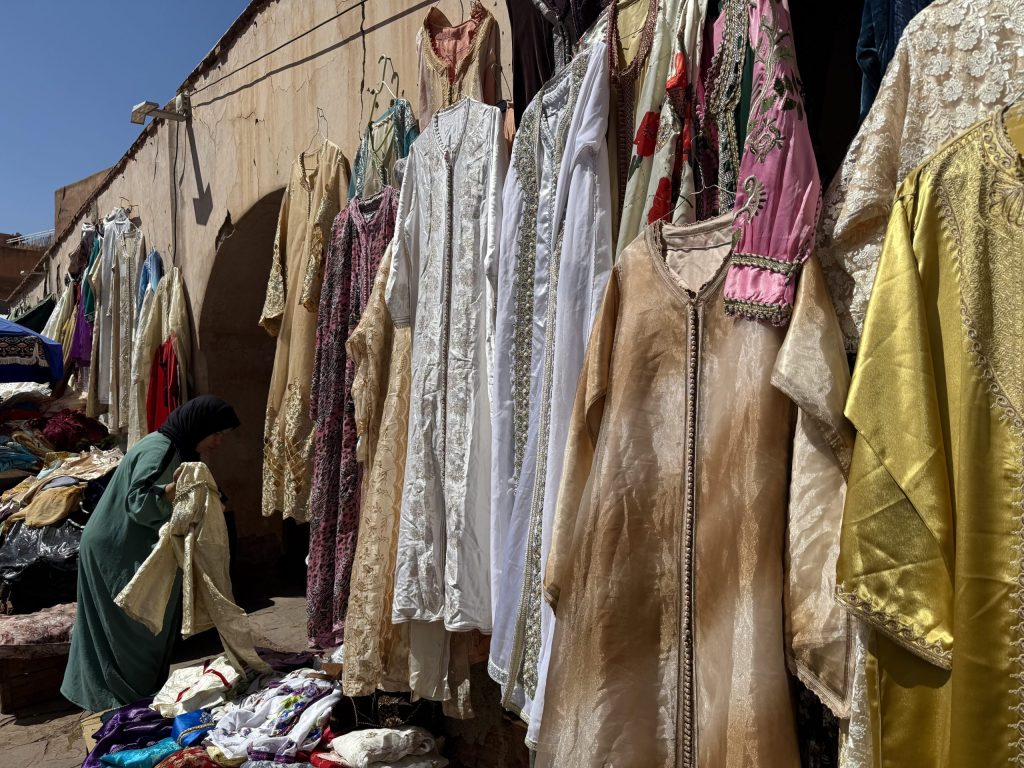
Regardless of the season, a few overarching principles guide appropriate dress in Morocco: comfort, climate, and customs. Opting for natural fabrics like linen, organic cotton, or merino wool is beneficial for both personal comfort and supporting sustainable travel practices. These materials are breathable, regulate temperature effectively, and align with a low-impact travel philosophy. A versatile wardrobe consisting of mix-and-match neutrals or a palette of complementary colors allows for diverse outfits without overpacking. Travelers are also encouraged to embrace local shopping opportunities, as Moroccan artisans offer a plethora of beautiful handmade pieces that serve as unique souvenirs and support the local economy and traditional crafts. Cities like Fez, Marrakech, Tangier, and Essaouira are renowned for their vibrant souks and independent boutiques, offering everything from intricately embroidered tunics to handcrafted leather goods.
Detailed Packing Guide for All Travelers
Tops:
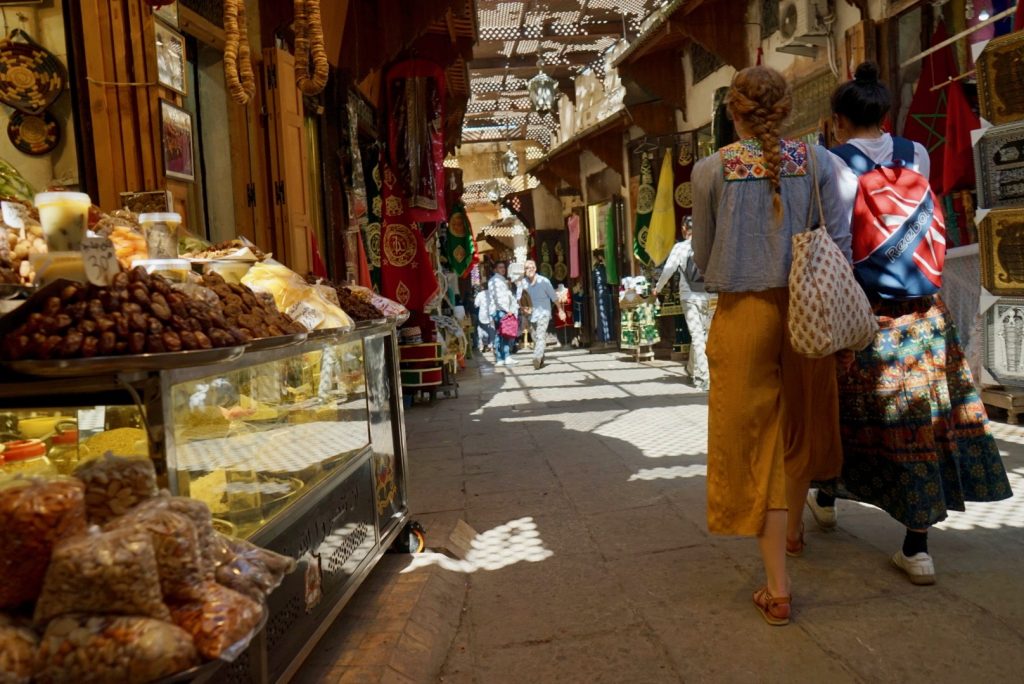
- Spring & Summer: Lightweight, light-colored shirts and blouses made from cotton, linen, or merino are highly recommended for their breathability and sun protection. Linen, in particular, is known for its moisture-wicking properties and quick-drying nature, making it ideal for warmer climates. Loose-fitting tunics or peasant-style tops offer modesty without sacrificing comfort and are excellent for layering. Sleeveless tops, including round or V-necks, are generally acceptable, provided they are not excessively plunging. While spaghetti straps are best reserved for evenings or private settings, sleeveless options can be made more culturally appropriate by carrying a versatile scarf for additional coverage when needed. Button-up linen blouses are a particularly practical choice, offering adaptability when paired with tank tops or t-shirts. For individuals with fair skin or sensitivity to strong sun, a light, long-sleeved layer is invaluable, particularly in the intense sun of the Sahara and mountainous regions, where UV index can be very high.
- Fall & Winter: Transition to long-sleeved tops in slightly heavier cotton, wool-blend sweaters, or thin merino layers. These are ideal for layering under fleeces, hoodies, or jackets, especially when exploring cooler cities like Chefchaouen or mountain towns. Merino wool is highly valued for its warmth-to-weight ratio and odor-resistant properties, making it excellent for multi-day wear. The ability to roll up sleeves allows for easy adjustment to fluctuating daytime temperatures, which can range widely.
Dresses & Skirts:
- Spring & Summer: Midi or maxi dresses are excellent choices, offering airiness, comfort, and sun protection while maintaining modesty. Wrap dresses or flowing skirts in light fabrics are both stylish and practical for navigating medinas or enjoying a café. Mid- to high-knee skirts and dresses are also suitable, but travelers should avoid overly short or tight garments, especially outside major urban tourist zones and in more conservative rural areas. A solid-color dress can be easily accessorized for either a casual daytime stroll or an evening dinner, while a button-down dress or skirt offers versatility for various settings, from poolside lounging to active exploration.
- Fall & Winter: Midi and maxi skirts in wool blends or heavier cotton, often paired with tights or leggings, provide warmth and comfort for cooler weather exploration. Long-sleeved dresses or sweater dresses, accessorized with scarves, create a chic and cozy ensemble for city sightseeing or evening meals. Versatile pieces that can be layered and accessorized are key to adapting to changing temperatures and occasions. Shirt dresses, light tunics, and kimonos offer comfortable and modest alternatives, especially when long enough to cover the hips or thighs. These can be worn with leggings or cinched with a belt to transform them into dresses. Such items are also readily available in local bazaars, often adorned with traditional Moroccan embroidery and sfifa (handmade ribbon braid), offering a blend of traditional aesthetics and modern comfort.
Pants & Bottoms:
- Spring & Summer: Linen or cotton wide-leg pants and culottes are ideal for both city exploration and desert excursions, with light colors reflecting the sun and promoting coolness. For shorts, mid-thigh "Safari-style" shorts are more appropriate than very short "Daisy Dukes." Tight shorts, when combined with a long, covering shirt, can be suitable for activities like jogging or workouts in less crowded areas.
- Fall & Winter: For colder regions, heavier fabrics such as denim, wool-blend pants, or corduroys are appropriate. While denim jeans might be too warm for summer and spring, they are a versatile choice for cooler months, easily dressed up or down. Leggings serve well for layering under other garments or for pairing with long tunics. When wearing skinny pants, travelers should ensure their bottom is covered, especially when visiting villages, popular neighborhoods, or during family invitations, to show cultural respect. This gesture is often deeply appreciated by hosts.
Swimwear:
- Spring & Summer: Bikinis, tankinis, and one-piece swimsuits are generally acceptable at hotel pools and private beaches. In these private tourist spaces, a wide range of swimwear is common. However, for public beaches or pools outside major tourist areas, modest swimwear is preferred. A lightweight cover-up or kaftan is essential for transitioning to and from the water or for lounging at a riad pool. String bikinis and topless sunbathing should be avoided in all public areas in Morocco, as they are not culturally aligned and can draw unwanted attention. Local kaftans, tunics, or multi-purpose scarves (usable as sarongs) offer stylish and respectful cover-up options that also support local artisans.
- Fall & Winter: Swimming is less common in these cooler months, but for heated pools or spa resorts, a swimsuit remains necessary. A warm cover-up or robe is advisable for movement between indoor and outdoor areas, along with sandals or flip-flops for poolside use. For women planning to visit a traditional hammam (public bath), a bikini bottom (or disposable underwear provided by many spas) is the only required swimwear. The scrubbing expert will move it slightly during the treatment, ensuring privacy while maintaining effectiveness.
Outerwear: Jackets and Layers
- Spring & Summer: A light jacket is recommended for spring, offering protection against occasional rain showers, chilly early-morning hikes, or cool desert evenings. A waterproof windbreaker and rain jacket is a practical item, especially for regions like the Rif Mountains. Even in summer, desert nights can see significant temperature drops, making a light jacket or fleece valuable.
- Fall & Winter: Winter calls for warmer outerwear. A hoodie, a rain jacket, a couple of sweaters, and a warm coat are advisable. A fleece top is virtually indispensable for mountain regions, regardless of the season, due to unpredictable temperature drops and colder altitudes. Layering is consistently the most effective strategy for adapting to Morocco’s varied microclimates, allowing travelers to adjust their clothing rapidly to changing conditions throughout the