SAP Reaches Landmark Settlement with European Commission on ERP Maintenance and Support Practices

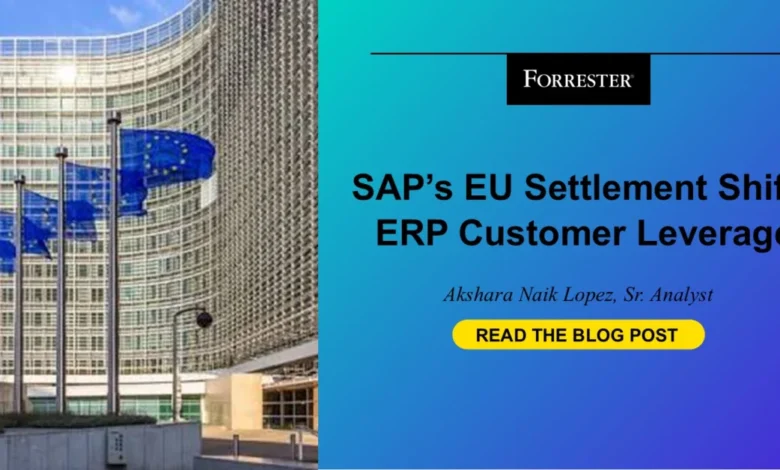
On July 9, SAP, a global leader in enterprise software, finalized a significant settlement with the European Commission, bringing a lengthy antitrust investigation into its maintenance and support practices for on-premises enterprise resource planning (ERP) software to a close. This resolution was achieved through legally binding commitments from SAP, rather than an admission of wrongdoing or a financial penalty. While the absence of a fine might suggest a minor outcome, the implications for SAP customers worldwide are substantial, ushering in a decade of legally enforceable changes to how they manage software maintenance, support, and licensing.
The Genesis of the Investigation: Concerns Over Market Power
The European Commission’s investigation, initiated in response to complaints from various stakeholders within the enterprise software ecosystem, primarily focused on whether SAP’s established maintenance and support policies created undue barriers for customers. Regulators expressed concerns that these practices might restrict competition in the aftermarket support sector, particularly for SAP’s widely adopted on-premises ERP solutions. Specific areas of scrutiny included the perceived difficulties customers faced when attempting to:
- Reduce Support Coverage: The investigation examined whether SAP made it excessively difficult for customers to scale down their maintenance and support agreements when their needs evolved or reduced.
- Engage Third-Party Support Providers: A key concern was whether SAP’s terms and conditions effectively discouraged or penalized customers for opting for support services from independent third-party vendors, which often offer more cost-effective solutions.
- Terminate Unused Licenses: The Commission looked into practices that might have made it challenging for customers to terminate licenses for software they were no longer actively using, leading to continued maintenance fee obligations.
- Return to SAP Support: The investigation also probed whether customers who had previously moved to third-party support faced significant hurdles or punitive measures if they decided to transition back to SAP’s official support services.
This focus on the aftermarket support ecosystem is critical. Once an enterprise invests heavily in an ERP system, it becomes deeply embedded in the organization’s operational infrastructure. The substantial switching costs associated with migrating to a new system create a strong dependency on the incumbent vendor for ongoing maintenance, support, and future upgrades. The Commission’s intervention aimed to rebalance this dynamic, ensuring a more competitive environment.
SAP’s Binding Commitments: A Decade of Change
Under the terms of the settlement, SAP has agreed to implement a series of operational and contractual changes that are legally binding for a period of 10 years and have global applicability. While the specific details of all commitments have not been fully disclosed in the initial announcements, SAP has emphasized that these changes are designed to provide greater clarity and flexibility for its customers.
Key areas addressed by SAP’s commitments are understood to include:
- Increased Flexibility in Support Contracts: SAP is expected to offer more adaptable terms for maintenance and support agreements, allowing customers greater latitude to adjust their coverage based on evolving business needs. This could involve more streamlined processes for reducing support levels or terminating unused licenses.
- Fairer Terms for Third-Party Support: The commitments are likely to address practices that may have deterred customers from utilizing third-party support providers. This could involve clearer guidelines on how customers can engage external support without facing undue penalties or restrictions from SAP.
- Improved License Management: SAP is expected to facilitate better management of software entitlements, potentially making it easier for customers to decommission or reallocate licenses for software that is no longer in use.
- Clearer Exit and Re-entry Policies: The settlement aims to provide more transparent and equitable conditions for customers who choose to leave SAP’s support ecosystem and for those who may wish to return in the future.
It is crucial to note that SAP has explicitly stated that these commitments apply solely to its on-premises maintenance and support policies. The company has reiterated that its cloud offerings and associated support models are not affected by this settlement. SAP has framed the outcome as a positive development, reinforcing customer choice and providing a clearer roadmap for managing their existing software investments.
The Strategic Significance: Enhancing Customer Leverage
The timing of this settlement is particularly relevant, given the ongoing transition within the ERP landscape. For nearly a decade, enterprise software buyers have voiced concerns about the significant leverage held by ERP vendors once an implementation is complete. The substantial investment in system integration, business process alignment, and user training creates formidable switching costs. This dependency often extends beyond initial implementation, influencing decisions about ongoing maintenance, support, and future software modernization.
The European Commission’s settlement directly confronts some of these historical barriers. While the commitments are primarily operational and contractual, their strategic impact is profound. They significantly enhance customer optionality at a critical juncture for thousands of SAP customers who are currently navigating the complex decisions surrounding their migration from older ECC (ERP Central Component) systems to SAP’s next-generation S/4HANA platform.
For SAP customers, the immediate implication is a strengthening of their negotiating position. Organizations now possess more robust grounds to:
- Challenge Support Costs: The increased availability of alternatives empowers customers to question the prevailing costs of SAP’s proprietary support and maintenance services.
- Explore Third-Party Support: With clearer terms and reduced potential penalties, customers can more confidently explore and engage with third-party support providers, potentially realizing significant cost savings and access to specialized expertise.
- Rationalize Software Assets: The ability to more easily manage and terminate unused licenses allows businesses to reduce unnecessary expenditures on "shelfware" – software that has been purchased but is not being actively utilized.
- Negotiate More Aggressively: The enhanced flexibility and reduced vendor lock-in provide customers with greater leverage in negotiations for long-term maintenance agreements and future software acquisitions. Traditionally, vendors benefit when customer alternatives are limited; this settlement directly aims to broaden those alternatives.
SAP’s Perspective: Removing a Regulatory Cloud
From SAP’s corporate standpoint, this settlement represents the removal of a significant regulatory overhang at a strategically opportune moment. The company is currently heavily invested in accelerating customer migrations to S/4HANA, driving adoption of its Business Data Cloud solutions, and positioning its artificial intelligence initiatives, such as Joule and Business AI, as foundational elements of its future ERP strategy.
A protracted antitrust battle, potentially involving lengthy investigations, legal proceedings, and the possibility of substantial financial penalties, would have undoubtedly served as a considerable distraction. Such a scenario could have diverted management attention, impacted employee morale, and potentially created uncertainty among customers regarding SAP’s long-term trajectory. The settlement provides SAP with much-needed certainty, allowing the company to focus its resources and strategic efforts on innovation and customer success without the looming threat of ongoing litigation or financial repercussions.
However, this outcome also signals a broader shift in regulatory scrutiny. For years, competition authorities have primarily focused their enforcement efforts on consumer-facing technology platforms, such as social media and online marketplaces. The European Commission’s investigation into SAP highlights a growing trend of regulators turning their attention to the enterprise software market, specifically targeting issues related to high switching barriers and vendor dependency. This case serves as a clear indication that enterprise software vendors are no longer operating outside the purview of competition law enforcement. It would not be surprising to see this regulatory focus expand in the future, potentially encompassing broader questions related to:
- Migration Incentives: Scrutiny of how vendors encourage or discourage customers from migrating to newer platforms.
- Cloud Portability: Examination of the ease with which customers can move their data and applications between different cloud environments.
- Data Access and Interoperability: Concerns about customers’ ability to access and utilize their own data and integrate with other systems.
- AI Ecosystem Dependencies: The evolving landscape of AI integration and the potential for vendor lock-in within AI-driven business processes.
Implications for SAP Customers: Navigating the New Landscape
The most immediate beneficiaries of this settlement are likely to be SAP customers who are still operating on the legacy ECC system. These organizations often face complex and challenging decisions regarding the timing and approach to their S/4HANA migration, the potential use of third-party support as a transitional strategy, and the critical need for cost containment.
The settlement grants these customers significantly enhanced flexibility. They can now more thoroughly evaluate their various options – including continued reliance on ECC with third-party support, phased migrations, or direct transitions to S/4HANA – without the historical penalties or restrictive conditions that may have previously been associated with deviating from SAP’s prescribed support pathways. This allows for a more strategic and cost-effective approach to managing their existing ERP infrastructure while planning for future modernization.
However, it is essential for these customers to avoid misinterpreting the scope and implications of the ruling. The settlement provides greater commercial flexibility and negotiating leverage, but it does not alter the fundamental reality of SAP’s innovation roadmap. Organizations that view this settlement as a reason to indefinitely postpone their modernization efforts risk missing out on critical advancements. SAP’s most significant innovations, including enhanced AI capabilities and new functional features, are increasingly concentrated within its S/4HANA and cloud-based platforms.
Therefore, the commercial flexibility afforded by this settlement should be strategically leveraged to secure more favorable terms and better outcomes during the modernization process, rather than serving as a justification for delaying long-term strategic planning. Customers are encouraged to use this newfound leverage to negotiate better pricing, more tailored support packages, and more favorable contract terms as they embark on their S/4HANA journeys.
For organizations seeking to understand the specific impact of this European Commission decision on their unique circumstances and to develop tailored strategies for navigating the evolving ERP landscape, engaging with expert guidance is recommended. These discussions can help refine negotiation strategies, assess third-party support options, and align modernization plans with both operational realities and future business objectives. The settlement, while a significant regulatory event, is ultimately a catalyst for customers to proactively manage their ERP strategies in a more empowered and flexible manner.