The landscape of consumer packaged goods (CPG) is undergoing a structural transformation as digital channels evolve from simple marketing touchpoints into complex, full-funnel commerce ecosystems. According to the latest research from Forrester, titled Digital Go-To-Market Review: CPG Brands, 2026, the traditional path to purchase has been superseded by an integrated digital discovery journey. This report, which evaluated 24 prominent CPG brands, highlights that success in the current climate is no longer defined by reach alone, but by the ability to seamlessly transition consumers from inspiration to transaction within social media environments.
The Evolution of the Digital Discovery Journey
For decades, the CPG industry relied heavily on brick-and-mortar shelf placement and mass-market advertising. However, the rise of the digital-native consumer—particularly Gen Z and younger Millennials—has necessitated a paradigm shift. Today, social media platforms such as TikTok, Instagram, and YouTube serve as primary search engines for product discovery. These users utilize social interfaces to conduct research, read peer reviews, watch influencer demonstrations, and, increasingly, complete purchases without ever leaving the platform.
Forrester’s analysis indicates that the most successful brands are those that treat social media as a holistic business channel. By integrating social commerce features—such as in-app checkout, live-stream shopping, and sophisticated user-generated content (UGC) integration—these brands are effectively shortening the time between product discovery and the point of sale. This "frictionless commerce" model is becoming a prerequisite for market share retention.
Methodology and Scope of the 2026 Review
The 2026 Digital Go-To-Market Review represents a comprehensive audit of 24 major CPG entities. Analysts examined these brands across several critical digital performance indicators, including organic engagement rates, the sophistication of social commerce deployment, the efficacy of influencer partnerships, and the integration of community-driven content.
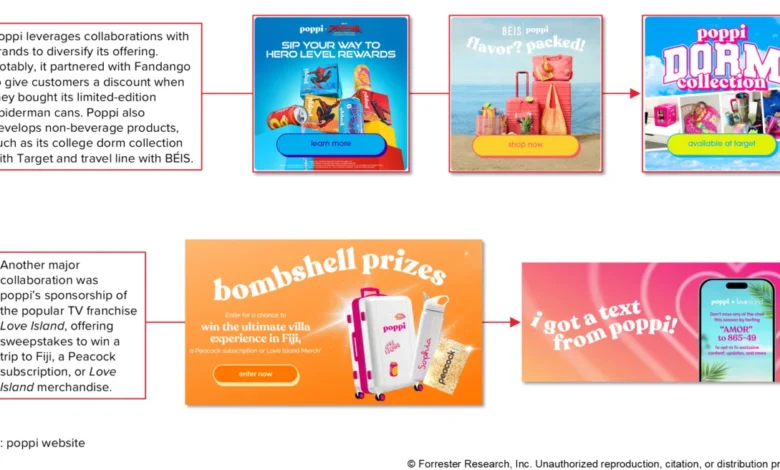
The evaluation process utilized a weighted scoring system that measured both the breadth of a brand’s presence—its footprint across Facebook, X, Instagram, TikTok, and YouTube—and the depth of its engagement. A key finding of the research is that mere activity on these platforms is insufficient. High-scoring brands demonstrate a strategic alignment between their brand identity and the native culture of the platform they are occupying. For instance, brands that successfully leverage collaborative marketing, such as the beverage company poppi, are seeing higher conversion rates by diversifying their offerings through co-branded digital activations.
Historical Context: From Traditional Retail to Digital-First
The transition to a digital-first go-to-market strategy has been accelerated by several factors over the past five years. In 2021, the global pandemic forced a massive migration to online grocery and household goods shopping, effectively socializing older demographics to e-commerce. Following this, the rapid maturation of "social discovery" algorithms in 2023 and 2024 shifted the consumer behavior model from "intent-based search" (going to Google to find a product) to "discovery-based consumption" (opening a social app and finding a product via the feed).
This timeline of evolution shows a clear trajectory:

- 2021–2022: Initial surge in online grocery adoption; focus on basic fulfillment and supply chain resilience.
- 2023: The rise of short-form video as the primary engine for consumer trends, forcing CPG brands to pivot toward content-led marketing.
- 2024–2025: The integration of "Answer Engines" and AI-powered search, where consumers query AI tools for product recommendations rather than browsing traditional websites.
- 2026: The current state, characterized by the maturity of in-app social commerce and the critical importance of digital brand authenticity.
Supporting Data and Market Implications
The data suggests that the stakes for CPG brands are higher than ever. Research shows that nearly 60% of consumers under the age of 30 consider social media their primary destination for product research. When brands fail to appear in these discovery feeds, they suffer from "invisibility bias," a phenomenon where they are effectively excluded from the consumer’s consideration set.
Furthermore, the emergence of AI-powered "answer engines"—where search results are summarized into conversational responses—poses a new challenge. Brands must now optimize their digital presence not just for keywords, but for relevance within AI-generated summaries. As Forrester notes, brands that do not ensure their content is discoverable within these emerging AI-powered experiences risk losing significant market share to more agile competitors.
Regulatory and Ethical Challenges
The digital environment is not without its risks. The industry is currently contending with significant regulatory headwinds. For example, the recent $17 billion settlement involving Meta regarding social media addiction allegations has created a ripple effect across the digital advertising sector. Brands that rely heavily on these platforms for their go-to-market strategies must now navigate a landscape where user tracking, data privacy, and youth access are subject to increasing scrutiny.
This regulatory climate suggests that the "Wild West" era of social media marketing is closing. Brands are now encouraged to invest in first-party data strategies, building direct relationships with their customers through loyalty programs and owned digital communities, rather than relying solely on the algorithms of third-party platforms.
Strategic Recommendations for CPG Leaders
For leaders within the CPG sector, the implications of the 2026 report are clear: digital strategy must be elevated to the boardroom level. The traditional separation between "marketing" and "sales" is increasingly obsolete in a digital environment where the content is the store.
- Prioritize Social Commerce: Brands must move beyond vanity metrics (likes and shares) and prioritize the implementation of robust, in-app transaction capabilities.
- Invest in UGC and Authenticity: Consumers are increasingly skeptical of high-production-value advertisements. Integrating authentic, user-generated content into the brand narrative creates trust and improves conversion rates.
- Optimize for AI Discovery: As search habits shift toward answer engines, content strategy must evolve to provide concise, factual, and highly relevant information that AI models can easily ingest and reference.
- Diversify Channels: While major platforms remain critical, brands should look to build "owned" digital assets to insulate themselves from the volatility of platform algorithm changes and regulatory shifts.
Conclusion
The 2026 Digital Go-To-Market Review serves as both a scorecard and a blueprint for the future of the CPG industry. As digital channels continue to fragment and evolve, the brands that win will be those that view technology not as an add-on, but as the foundation of their value proposition. The transition from physical shelf-space dominance to digital discovery dominance is the defining challenge of the current decade.
For brands that feel they are falling behind, Forrester recommends immediate action through structured guidance and inquiry sessions. By auditing their current digital footprint against the benchmarks established in the 2026 review, CPG companies can identify the specific areas where they are failing to connect with the modern consumer and recalibrate their strategies to capture the attention of the next generation of shoppers. As the digital ecosystem continues to mature, the cost of inaction will only rise, making this a pivotal moment for digital transformation in the consumer goods space.