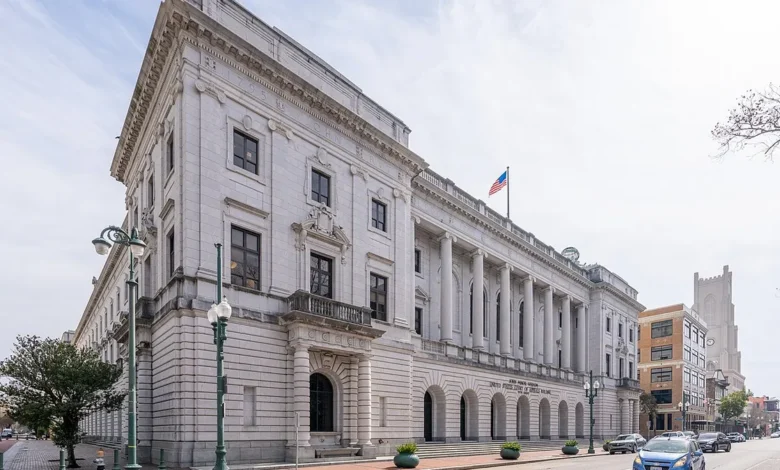
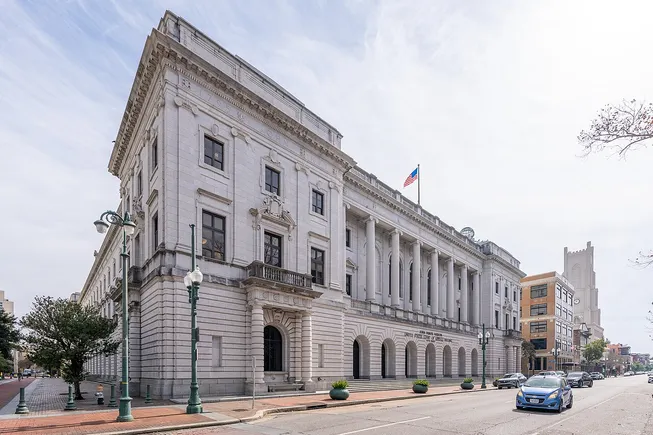
The U.S. Court of Appeals for the 5th Circuit has vacated a lower court’s summary judgment in favor of a Texas-based healthcare provider, signaling a significant shift in how appellate courts evaluate the adequacy of internal corporate investigations and the weight of "secondhand harassment" in the workplace. The decision, handed down in mid-2026, revives a lawsuit brought by a Black nurse against her former employer, doing business as Corpus Christi Medical Center (CCMC) and Bay Area Healthcare Group. The ruling underscores the high legal risks companies face when their internal responses to discrimination complaints are perceived as performative or procedurally deficient.
The plaintiff’s claims centered on a pervasive atmosphere of racial hostility, which she alleged the hospital failed to rectify despite multiple reports. In reversing the district court’s previous dismissal, the 5th Circuit found that the plaintiff had presented sufficient evidence to suggest that the employer’s investigation into her claims was "insufficiently prompt and thorough." This finding effectively forces the case toward a jury trial, where the healthcare provider must now defend its internal HR protocols and the conduct of its management team.
Background and Allegations of a Hostile Environment
The legal battle began when the plaintiff, a healthcare professional at CCMC, alleged that she was subjected to a series of racially motivated incidents that created a hostile work environment. According to court documents, the plaintiff relied on a combination of her own deposition testimony, corroborated statements from a Black co-worker, and a trail of emails documenting specific instances of harassment.
The plaintiff’s testimony painted a picture of a workplace divided by racial lines and exclusionary behavior. She alleged that the conduct of her colleagues made her feel "less than human" and caused her to question her ability to continue functioning in a professional capacity. To support the severity of these claims, the plaintiff produced clinical counseling records. These documents provided a contemporaneous account of her mental state, showing she was distressed, traumatized, and in fear of physical or professional harm as a result of the workplace culture.
Crucially, the plaintiff also pointed to "secondhand harassment"—incidents where she witnessed her Black colleagues being targeted by the same group of employees. While the district court had initially downplayed these observations, the 5th Circuit clarified that witnessing the harassment of others in one’s protected class is a vital factor in assessing the "totality of the circumstances" under Title VII of the Civil Rights Act of 1964.
The Failure of the Faragher-Ellerth Defense
In many hostile work environment cases, employers rely on what is known as the Faragher-Ellerth defense. This legal doctrine allows an employer to avoid liability if they can prove two things: first, that they exercised reasonable care to prevent and promptly correct any harassing behavior; and second, that the plaintiff employee unreasonably failed to take advantage of any preventive or corrective opportunities provided by the employer.
CCMC argued that it had met this burden. The hospital stated that upon receiving the plaintiff’s complaints, management conducted interviews with the accused parties and provided "coaching" to the nurses involved. Furthermore, CCMC highlighted that they offered the plaintiff a transfer to a different unit as a means of resolving the conflict.
However, the 5th Circuit found these arguments unpersuasive due to significant procedural gaps and inconsistencies in the employer’s evidence. The court noted that CCMC staff testimony regarding the investigation contained several discrepancies. Perhaps most damaging to the defense was the employer’s failure to produce an actual investigation file or contemporaneous notes during the discovery phase of the litigation. In the eyes of the court, the absence of documentation made it difficult to verify whether a "thorough" investigation had actually occurred.
Furthermore, the plaintiff provided evidence that the managers tasked with the investigation were dismissive of her concerns. She alleged that one manager told her point-blank that "the cliques were not going anywhere," suggesting that the hospital had no intention of breaking up the groups responsible for the exclusionary behavior. The plaintiff also testified that the harassment did not cease following the alleged "coaching" sessions, further undermining the employer’s claim that it took effective corrective action.

Chronology of the Case and Legal Precedent
The 5th Circuit’s decision does not exist in a vacuum but follows a trend of appellate courts tightening the requirements for summary judgment in civil rights cases.
- 2019: The 9th Circuit Benchmark – The court referenced a 2019 decision where the 9th Circuit held that a manager’s use of four racial slurs over a single year was sufficient to create a triable issue regarding a hostile work environment. This established that "severity" can sometimes outweigh "pervasiveness" if the conduct is sufficiently egregious.
- Early 2026: The 10th Circuit Walmart Ruling – Just weeks prior to the CCMC decision, the 10th Circuit revived a case against Walmart involving anti-gay harassment. In that instance, the court ruled that multiple discriminatory acts, even if spread out over time, plausibly alleged a hostile environment.
- July 2026: The 5th Circuit Decision – By reversing the summary judgment for CCMC, the 5th Circuit aligned itself with these broader judicial trends, emphasizing that the adequacy of an employer’s response is a question of fact for a jury, not a question of law for a judge to decide prematurely.
The Importance of Documentation and Discovery
A central theme in the court’s critique of CCMC was the "insufficiently prompt and thorough" nature of the internal investigation. In modern employment law, the "investigation file" is often the most critical piece of evidence. It should ideally include:
- A clear timeline of when the complaint was received and when the investigation began.
- Transcripts or detailed notes from interviews with the complainant, the accused, and third-party witnesses.
- Copies of relevant communications, such as emails, texts, or internal memos.
- A written report concluding whether company policy was violated and outlining the corrective actions taken.
CCMC’s inability to produce such a file during discovery created a "credibility gap." The court’s skepticism highlights a growing reality for HR departments: if an investigation is not documented, the law may treat it as if it never happened. The discrepancies in staff testimony further suggested that the "coaching" provided to the accused nurses may have been informal and ineffective, rather than a structured disciplinary response.
Broader Implications for the Healthcare Industry
The healthcare sector has faced increasing scrutiny regarding workplace culture and "nurse bullying" or "clique" mentalities. This case serves as a warning that characterizing such behavior as mere "interpersonal conflict" or "personality clashes" is a dangerous legal strategy when racial dynamics are involved.
When a hospital manager acknowledges the existence of "cliques" but claims they are "not going anywhere," it can be interpreted as an admission that the employer is unwilling to address a systemic culture of exclusion. In a high-stakes environment like a medical center, such a culture not only leads to legal liability but can also impact patient care by degrading team communication and professional morale.

Data from the Equal Employment Opportunity Commission (EEOC) shows that race-based harassment remains one of the most frequently cited bases for workplace complaints. In the 2025 fiscal year, the EEOC reported a marked increase in "hostile work environment" filings, with a specific focus on cases where employers failed to follow their own internal grievance procedures.
Conclusion and Future Outlook
The 5th Circuit’s ruling in the CCMC case reinforces the principle that Title VII requires more than a "check-the-box" response to harassment. For an employer’s corrective action to be legally sufficient, it must be "reasonably calculated to end the harassment." Offering a transfer to the victim—rather than disciplining the perpetrators—is increasingly viewed by courts as an inadequate remedy that unfairly burdens the complainant.
As this case returns to the district court for trial, it will likely focus on the testimony of the managers who conducted the disputed investigation. The outcome will be closely watched by HR professionals and employment attorneys across the country. It serves as a stark reminder that in the face of serious allegations of racial harassment, a "thorough" investigation is not just a best practice—it is a legal necessity. Companies must ensure that their internal processes are transparent, well-documented, and, above all, effective in stopping discriminatory conduct. Failure to do so may result in a long, expensive, and public journey through the federal court system.