TreeSize Perpetual License Policy Shift Sparks User Outrage and Debate Over Subscription Models

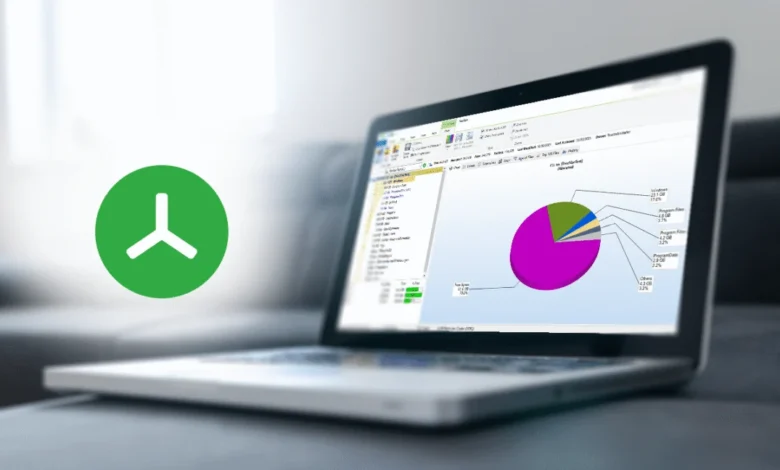
The digital landscape of software licensing is once again at a crossroads, this time with the disk space analysis tool TreeSize at the center of a user backlash. A recent policy change by JAM Software, the developer of TreeSize, regarding the availability of perpetual license downloads and associated keys has ignited a debate about the evolving software business models and the expectations of consumers, particularly in business environments. While JAM Software asserts this is a long-standing practice, the outcry highlights a growing disconnect between the traditional understanding of a "perpetual license" and the realities of a software industry increasingly dominated by subscription-based revenue streams.
The core of the controversy lies in JAM Software’s decision to cease offering indefinite downloads and unrestricted access to older versions of TreeSize, particularly for those who purchased perpetual licenses. According to a statement attributed to a JAM Software representative, the company views making these older versions available "indefinitely and without restriction" as a significant "risk to our customers, particularly in business environments." This risk, the company elaborates, stems from the "technical and organizational overhead of maintaining and supporting old versions and their associated keys indefinitely." This stance, while framed as a policy of long standing, has evidently clashed with the expectations of many users who believed their perpetual licenses granted them perpetual access to the software they purchased.
The Shifting Sands of Software Licensing
The TreeSize incident is not an isolated event but rather a microcosm of a broader trend that has been reshaping the software industry over the past decade. The pursuit of predictable and recurring revenue streams has led a growing number of software vendors to transition from traditional one-time purchase models to subscription-based services. This shift offers companies a more stable financial outlook, allowing for continuous investment in research and development, ongoing support, and more frequent updates. However, for consumers, it often translates to a change in ownership perception, moving from outright purchase to a leasing arrangement.
For users who purchased software under a perpetual license, the expectation is typically that they own that specific version of the software indefinitely. This includes the right to install it on a specified number of machines, receive occasional security patches, and potentially access support for a reasonable period. The notion that a vendor might restrict access to installation files or license keys for a product already paid for can feel like a betrayal of that agreement.
JAM Software’s Rationale and Customer Communication
JAM Software, through its representative, has attempted to clarify its position and mitigate customer frustration. The company states that it "proactively notify[ies] them by email, well before their maintenance ends, to back up their installation file and license key themselves." The intention behind this proactive communication, according to the company, is "to ensure no one loses access to software they’ve already purchased." This approach underscores their belief that while they are discontinuing indefinite support for older versions, they are providing users with the means to retain access to their purchased software.
However, the effectiveness of this communication strategy is being questioned by the user community. Many may not fully understand the implications of their maintenance expiring or may overlook these notifications amidst a deluge of emails. The technical expertise required to properly back up and manage installation files and license keys can also be a barrier for some users, particularly in less tech-savvy business environments.
The company also addressed the possibility of refunds, stating, "since our customers do receive what was agreed, namely indefinite use of the software version they purchased, we don’t consider a refund to be warranted." This position is consistent with their assertion that users retain the right to use the software they bought, even if direct download access from the vendor is eventually curtailed.
The Subscription Question for Disk Space Analyzers
Beyond the licensing dispute, the TreeSize situation also raises questions about the fundamental value proposition of subscribing to certain types of software. TreeSize is primarily a disk space analysis tool. While the paid versions offer advanced features like duplicate file searching, deduplication, and historical disk space comparisons, the existence of capable free alternatives, such as WinDirStat, prompts the question of whether a subscription is always the most sensible option for such utilities.
WinDirStat, for example, is a popular open-source alternative that provides a visual representation of disk usage, allowing users to identify large files and directories. While it may lack the sophisticated business-oriented features of TreeSize’s premium tiers, it serves the core function of disk space analysis effectively and without cost. This availability of robust free alternatives puts pressure on paid software to demonstrate clear and compelling value, especially when transitioning to a recurring revenue model.
TreeSize’s Feature Set and Free Alternative
The free version of TreeSize, while available, comes with significant limitations. It does not offer features crucial for businesses such as the ability to search for duplicate files, perform deduplication, or compare disk space usage over time. Furthermore, it is explicitly not intended for business use, meaning that any organization requiring these advanced capabilities would need to consider the paid versions. This tiered approach is common in software development, where a free version serves as a gateway to attract users and showcase basic functionality, with paid tiers offering the full suite of advanced features.
The premium features offered by TreeSize are undeniably valuable for IT administrators and businesses looking to optimize storage, identify inefficiencies, and manage their digital assets effectively. The ability to quickly locate and remove duplicate files, for instance, can lead to substantial storage cost savings. Similarly, tracking disk space growth over time is essential for capacity planning and preventing performance issues. The debate, therefore, is not necessarily about the utility of TreeSize’s advanced features, but rather about the licensing model under which they are offered.
The Broader Economic Context and Recurring Revenue
The shift towards subscriptions by JAM Software is indicative of a wider economic reality faced by software vendors. As Christ noted, "The broader economic environment is more challenging today than it was a few years ago, and we feel that too as a software vendor." In such an environment, companies are increasingly prioritizing predictable revenue streams to ensure stability and continuity.
"To continue meeting our own standards and our responsibility to business customers who rely on high-quality software, we are placing greater emphasis on predictability in development and support," Christ stated. "A subscription model gives us that predictability in a way one-time purchases do not." This sentiment reflects a common argument within the software industry: recurring revenue allows for consistent investment in product improvement, security updates, and dedicated support, ultimately benefiting the end-user by ensuring the software remains relevant and robust.
This pursuit of recurring revenue has been a defining characteristic of the software industry over the last decade. Companies that were once synonymous with perpetual licenses, such as Adobe with its Creative Suite transitioning to Creative Cloud, have successfully navigated this shift, albeit not without initial user resistance. The underlying logic is that a subscription model can provide a more sustainable business model for software companies, allowing them to adapt to evolving technologies and user needs more effectively than the sporadic revenue of one-time sales.
Implications for the Software Industry and Consumers
The TreeSize controversy serves as a potent reminder for both software vendors and consumers. For vendors, it underscores the importance of clear communication and managing user expectations, especially when transitioning to new licensing models. Transparency about the long-term implications of perpetual licenses and the rationale behind shifts to subscriptions is crucial to fostering goodwill and minimizing user dissatisfaction.
For consumers, it highlights the need to carefully review software license agreements and understand the terms and conditions associated with perpetual licenses, particularly regarding future access to downloads and support. The rise of the subscription economy means that the concept of "ownership" in the digital realm is becoming increasingly fluid. Users may need to adjust their purchasing strategies, considering the total cost of ownership over time for subscription services versus the upfront investment of perpetual licenses, while also factoring in the potential risks of vendor-specific access restrictions.
The long-term implications of this trend are significant. As more software transitions to subscription models, the landscape of software accessibility and affordability will continue to evolve. While subscriptions can offer continuous access to updated software and ongoing support, they can also lead to increased long-term costs for users. The debate around the value and fairness of these models is likely to persist as the software industry continues its trajectory towards recurring revenue. The TreeSize situation, therefore, is not just about one software product, but about the fundamental principles of software ownership and the future of how we license and access digital tools. The challenge for both vendors and consumers lies in finding a balance that ensures sustainability for businesses while remaining equitable and transparent for users.