As the autumn chill deepens and meteorologists forecast a particularly volatile winter season, millions of households across the United States—particularly in the Northeast and Mid-Atlantic regions—are preparing for a significant financial strain. For the nearly 5 million American homes that rely on heating oil as their primary source of warmth, the seasonal outlook is increasingly bleak. Projections from the National Energy Assistance Directors Association (NEADA) indicate that heating oil expenditures could surge by as much as 70% this winter, with average seasonal bills potentially reaching $2,977. This sharp rise comes at a time when families are already managing the cumulative effects of inflation on groceries, housing, and essential services, making the prospect of record-high heating bills a critical concern for personal finance stability.
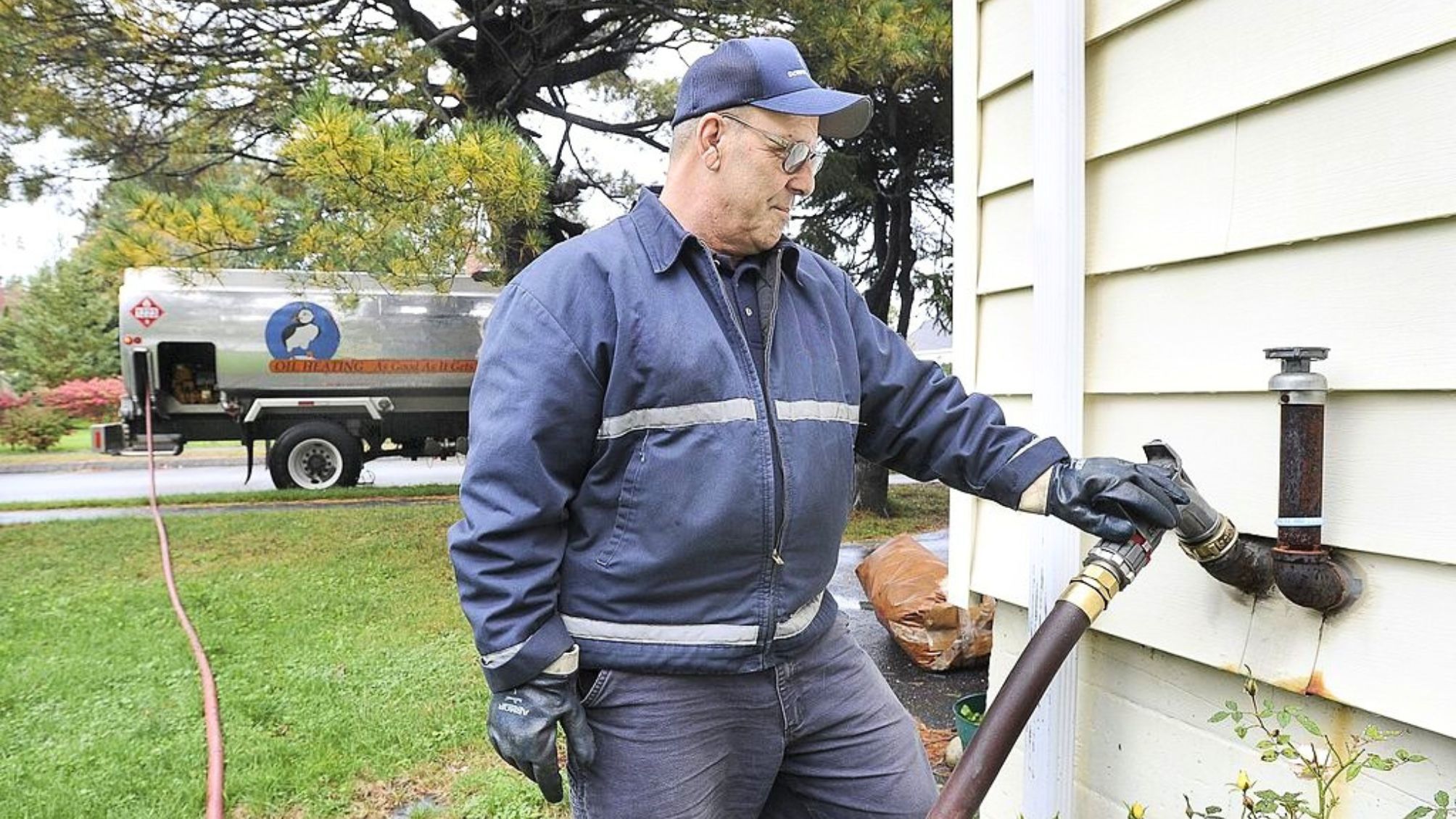
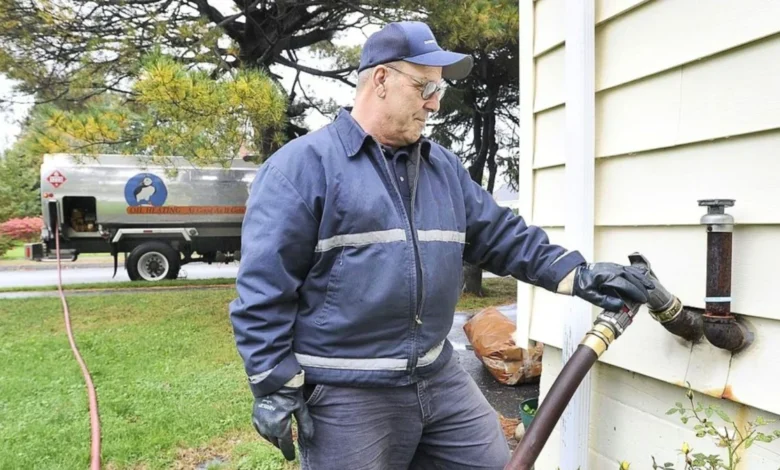
The mechanics of the heating oil market differ fundamentally from those of natural gas or electricity. While gas and electric utilities are typically regulated and billed on a monthly, consumption-based schedule, heating oil is a commodity-based purchase. Consumers are often required to pay for hundreds of gallons at a time, turning a routine utility expense into a series of large, unpredictable capital outlays. When global oil prices fluctuate due to geopolitical tensions or supply chain disruptions, the immediate impact on household budgets is far more visceral than the gradual rate changes seen in utility-grid energy.
A Chronology of Rising Energy Costs
The current crisis did not emerge in a vacuum. It is the culmination of years of supply chain instability and shifting energy policy. Following the global economic disruption of 2020, energy markets saw a period of record-low demand followed by a frantic rebound. By late 2021 and early 2022, global oil prices began a sustained climb, driven by the post-pandemic recovery and compounded significantly by the onset of the conflict in Ukraine, which disrupted the global distribution of refined petroleum products.

Throughout 2023 and into 2024, the heating oil market remained sensitive to global crude oil benchmarks and regional refinery capacity. Because the U.S. Northeast relies heavily on imports for its heating oil supply, regional inventories have become increasingly susceptible to shipping delays and winter storm logistics. In previous years, low inventory levels during the peak of January and February led to "basis" spikes—where the local price of heating oil disconnects from the broader crude oil market, resulting in even higher prices for the end consumer.
Economic Implications for Vulnerable Households
The 70% increase projected by experts at NEADA carries profound implications for low- and middle-income families. Energy costs are regressive, meaning they consume a larger percentage of income for lower-earning households. When a significant portion of a household’s monthly budget is diverted to keep the home at a safe temperature, other critical needs, such as health care, debt repayment, or savings contributions, are often sidelined.

The broader economic concern is the "crowding out" effect. As discretionary spending power is absorbed by energy bills, regional economies may see a contraction in retail spending. Furthermore, for those living on fixed incomes, such as retirees, the spike in winter costs represents a structural challenge that cannot be mitigated by simply reducing discretionary purchases. Advocacy groups have already begun calling for increased federal allocations for the Low Income Home Energy Assistance Program (LIHEAP), noting that current funding levels may fall short of covering the gap for the most vulnerable populations.
Strategic Financial Management of Heating Costs
Despite the macro-economic pressures, homeowners are not entirely without agency. Managing heating costs requires a combination of logistical shopping, contractual vigilance, and physical home maintenance.
1. Competitive Procurement and Supplier Comparison
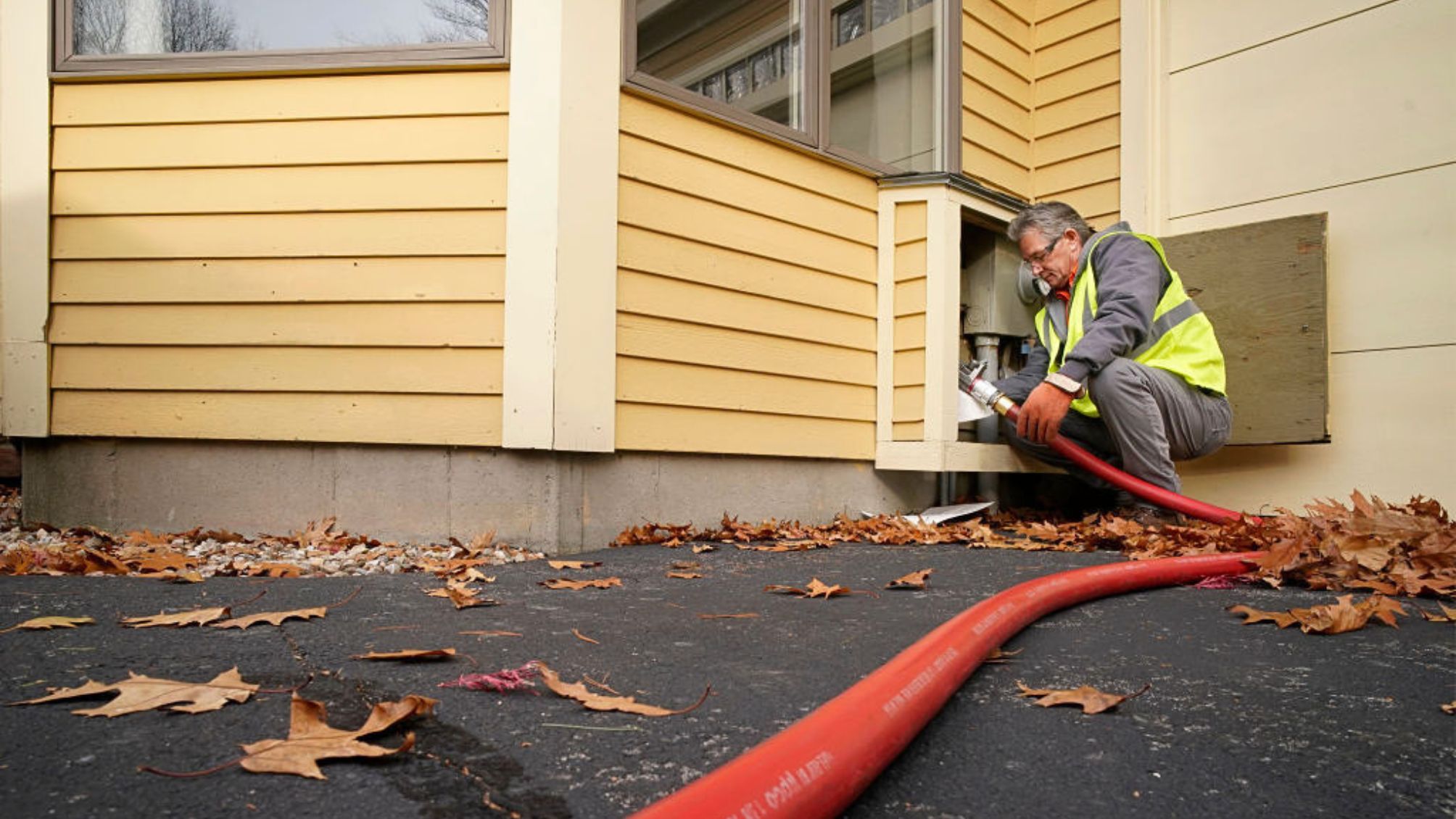
The most immediate way to manage costs is to break the inertia of "loyalty" to a single provider. Heating oil markets are highly localized; prices can vary significantly between suppliers operating in the same ZIP code. Consumers should treat heating oil like any other high-ticket purchase. Before committing to a fill-up, it is advisable to contact at least three local suppliers. When requesting a quote, homeowners should specifically inquire about the "all-in" price, which includes potential surcharges for delivery, environmental fees, or credit card processing costs.
2. Evaluating Pricing Contracts: Fixed vs. Variable
Suppliers often offer various pricing plans, the most common being fixed-rate, capped-price, and variable-rate contracts. A fixed-rate contract guarantees a set price per gallon throughout the heating season. While this provides budget certainty, it is essentially a bet that market prices will rise above the fixed rate. Conversely, variable-rate plans fluctuate with the market. While they offer no price protection, they allow consumers to benefit if oil prices drop. Homeowners must read the fine print regarding "early termination fees," which can be prohibitively expensive if the homeowner decides to switch suppliers mid-season.
3. Reassessing Automatic Delivery
Many households default to "automatic delivery," where the supplier uses a computer model to estimate tank levels based on historical usage and "degree days" (a measurement of how cold the outdoor temperature is). While this prevents the risk of a "run-out"—which can lead to expensive emergency service calls and potential damage to the furnace—it removes the consumer’s ability to shop for the lowest price. Households comfortable with monitoring their own tank levels may find significant savings by switching to "will-call" delivery, which allows them to time their purchases to market dips.
4. The Role of Energy Efficiency and Home Audits
Beyond the mechanics of the purchase, the efficiency of the home itself is a major variable. The U.S. Department of Energy estimates that simple air-sealing measures can reduce total heating costs by as much as 10% annually.
Homeowners should prioritize:
- Thermal Sealing: Using weatherstripping on door frames and caulking around window casings to prevent convective heat loss.
- Professional Tune-ups: An unserviced oil furnace is an inefficient one. Deposits of soot and carbon can accumulate on the heat exchanger, forcing the system to burn more fuel to reach the desired temperature. An annual inspection is a low-cost investment that pays dividends in fuel efficiency.
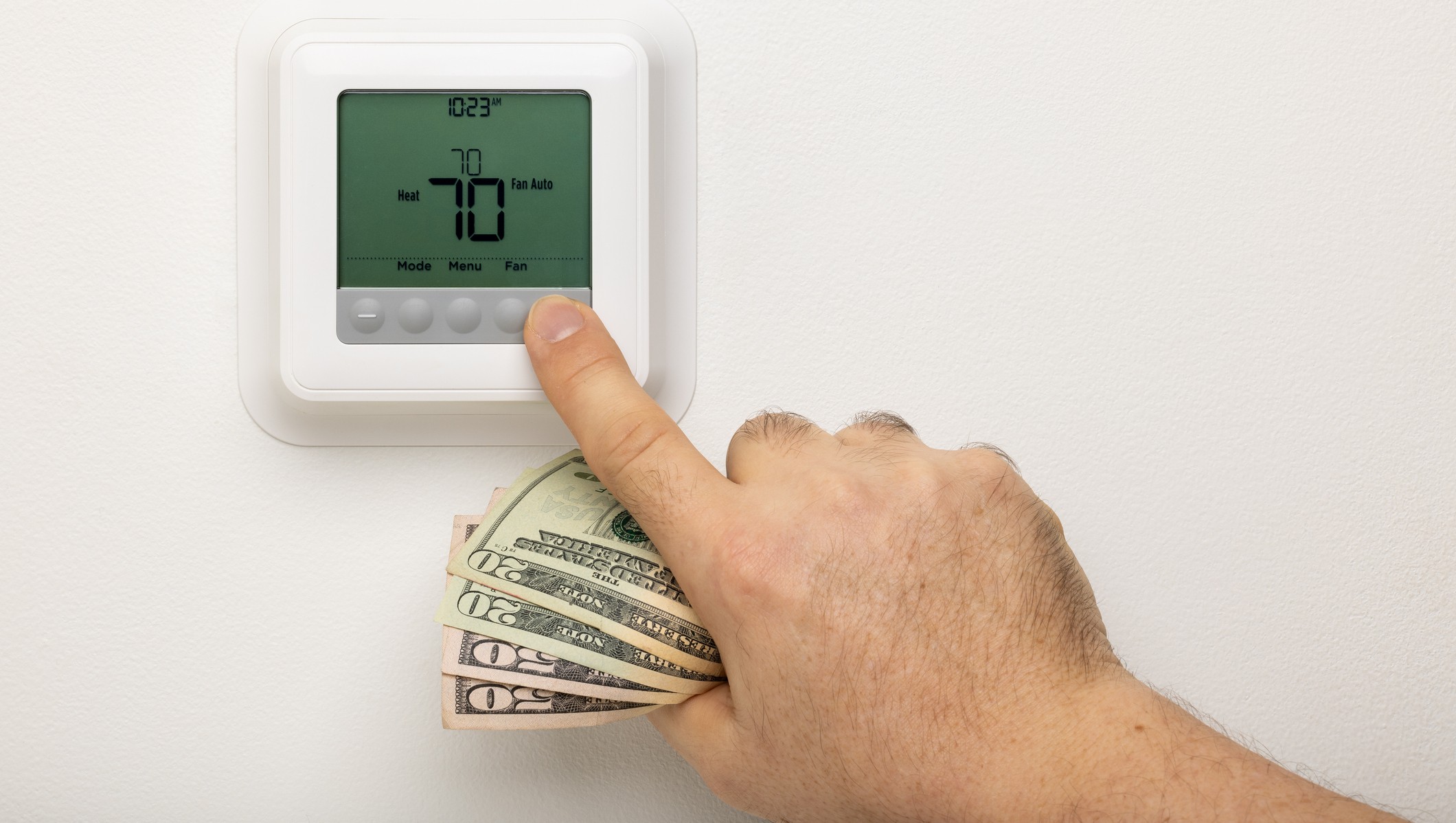
- Smart Thermostat Implementation: While older, "dumb" thermostats provide basic control, modern smart thermostats allow for granular control, lowering the temperature during hours when the home is unoccupied or residents are sleeping.
Official Responses and Assistance Programs
Government agencies and energy advocacy groups are monitoring the situation with concern. In many states, utility commissions are encouraging suppliers to offer deferred payment plans to prevent service shutoffs during the coldest months. Additionally, the federal LIHEAP program remains the primary safety net. However, because LIHEAP is a federal grant distributed through state agencies, eligibility criteria and application deadlines vary.
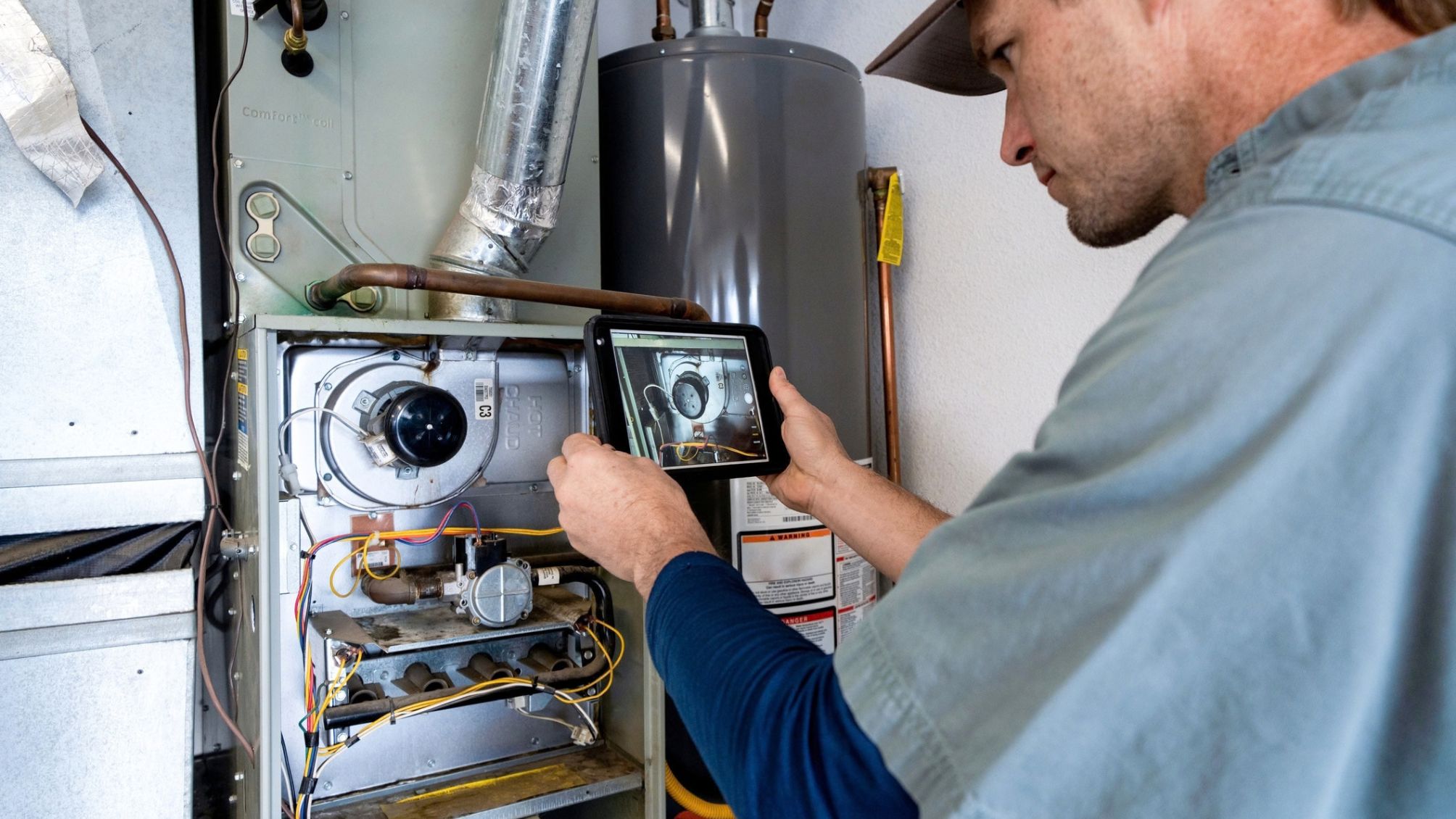
Experts recommend that households act early. "The most expensive fuel you will buy is the fuel you are forced to purchase in the middle of a blizzard when the tank is empty," one industry analyst noted. By assessing furnace health in late autumn and establishing a relationship with a reliable, transparent fuel supplier before the first deep freeze, homeowners can insulate their budgets from the most extreme market shocks.
Conclusion
The winter ahead poses a distinct challenge for those dependent on heating oil. While global commodity markets remain outside the control of the individual consumer, the combination of proactive purchasing, household energy conservation, and careful evaluation of delivery terms provides a pathway to mitigate the worst of the projected price hikes. As the season progresses, the ability of households to adapt to these conditions will depend on their willingness to move away from legacy habits and embrace a more active, data-driven approach to their winter energy requirements. For those struggling to meet these rising demands, exploring local energy assistance resources is not just an option—it is a necessary step to ensure the safety and financial stability of the home during the coming months.