Navigating the Blue Checkmark: A Comprehensive Guide to Facebook Account Verification and Brand Protection

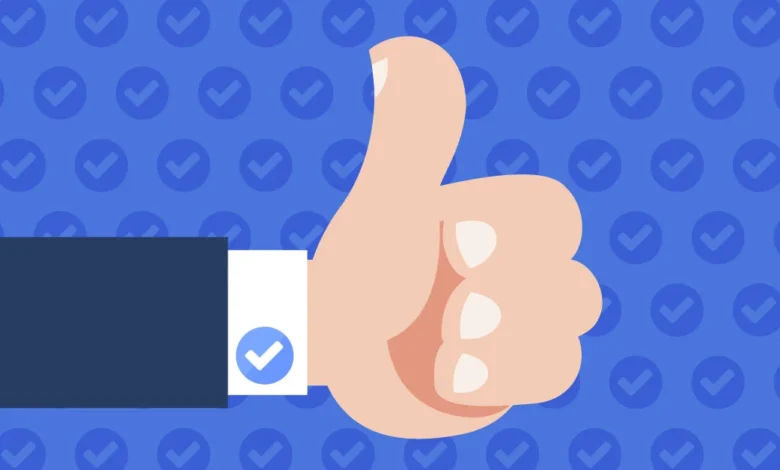
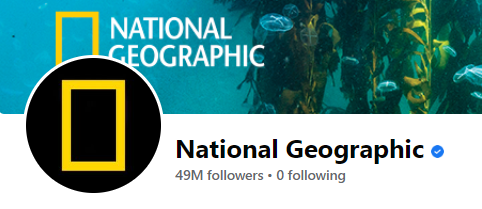
Securing authenticity and shielding digital assets from malicious actors has become a paramount concern for brands, public figures, and content creators operating in the modern social media ecosystem. Across major digital networks, the rise of sophisticated impersonation tactics and fraudulent copycat profiles poses a continuous threat to consumer trust and brand equity. To combat these challenges, platforms like Meta have established credentialing mechanisms designed to distinctly separate verified entities from impostors. Among these credentialing tools, the Facebook verification badge—the ubiquitous blue checkmark—remains one of the most sought-after trust indicators in digital marketing. However, despite its widespread recognition, the application process for obtaining and retaining this digital insignia often appears opaque to applicants. Understanding the structural requirements, preparation phases, and ongoing compliance mandates is essential for any organization seeking to fortify its digital footprint on the platform.
The Evolution of Social Verification Systems
The concept of digital verification originated over a decade ago as a mechanism to protect high-profile accounts from impersonation. In May 2013, Facebook officially introduced verified pages and profiles, drawing inspiration from early industry models established by platforms like Twitter. Initially, this credentialing tier was strictly limited to a select group of public figures, prominent artists, athletes, journalists, and major global organizations whose high visibility made them prime targets for spoofing and fraudulent representation.
As the digital landscape matured and commerce increasingly shifted toward social channels, the platform expanded its verification criteria. By 2018, Meta broadened its scope to encompass Pages with substantial follower bases and verified business entities. In recent years, the eligibility parameters widened further to accommodate individual creator profiles that met specific audience scale and public interest thresholds. Throughout this evolution, the visual identifier has undergone standardization. While early iterations included diverse design elements such as gray checkmarks for local businesses and specific Marketplace credentials, Meta ultimately streamlined the user experience, consolidating authentication around the distinct blue checkmark while phasing out secondary verification badges.
Understanding the Verification Criteria
When evaluating verification applications, Meta applies a rigorous set of underlying standards to ensure that only legitimate, notable entities receive the badge. According to platform guidelines, a successful applicant must satisfy four core pillars: authenticity, uniqueness, completeness, and notability.
Authenticity requires proving that the profile or Page represents a real person, a registered business, or a legally recognized entity. Uniqueness dictates that the account must be the singular, definitive presence for the individual or brand it represents, with rare exceptions made for language-specific instances. Completeness ensures that the digital property is active, publicly accessible, and fully populated with essential background information, including a functional bio, profile imagery, and regular posting activity. Finally, notability remains the most stringent hurdle; the account must represent a well-known, frequently searched person, brand, or entity that is actively targeted by public interest and potential impersonators.
Strategic Preparation Prior to Application
Because the verification request process involves manual review by platform moderators, submitting an application without adequate preparation frequently results in rejection. Industry analysts and digital strategists consistently advise brands and influencers to optimize their online ecosystem long before initiating the single-page verification request form.
Step one in this preparatory phase involves updating and auditing all organizational information. Business addresses, contact details, operational hours, and category classifications must be entirely accurate and consistent across all digital touchpoints. Discrepancies between a Facebook presence and external corporate registries heavily penalize an application during the review stage.
Step two centers on informational depth. Enhancing the About section of a Facebook Page with comprehensive corporate history, mission statements, and precise categorization signals credibility to evaluators. Furthermore, maintaining a professional aesthetic that mirrors the brand’s real-world identity is vital. Pages littered with inconsistent branding, unverified claims, or content that compromises public credibility are routinely flagged and denied verification.
Step three requires the integration of official cross-platform web properties. Applicants must seamlessly connect their official corporate websites to their Facebook profiles, and conversely, embed direct links to their Facebook Pages within their primary web domains. This reciprocal linking structure provides automated and manual reviewers with verifiable proof of ownership.
Step four involves cultivating an active, legitimate community. Because notability is tied directly to public prominence, accounts with stagnant follower growth or minimal organic engagement rarely pass the threshold. Brands must implement robust content strategies, foster meaningful interactions, and utilize organic engagement tactics to build a measurable digital footprint.
The Application Procedure
Once foundational preparations are complete, initiating the verification request follows a streamlined structural workflow.
First, applicants must log into the administrative account associated with the specific profile or Page they wish to verify. Navigating to the dedicated account settings or the official verification request portal automatically populates the interface with eligible digital properties. For individual personal profiles, users are required to supply the exact profile URL.
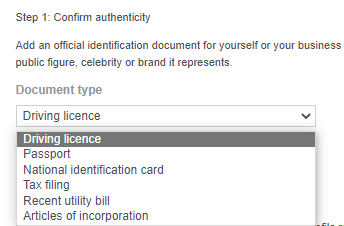
Second, applicants must submit official documentation confirming their identity. For individuals, Meta accepts government-issued identification documents, such as a valid passport or driver’s license. For registered businesses, accepted documentation includes official tax filings, articles of incorporation, or utility bills displaying the formal corporate name and address. These documents must be digitally scanned and securely uploaded directly through the form interface.
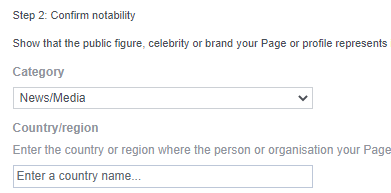
Third, the application requires proof of notability. Applicants must categorize their account, designate their primary geographic region of influence, and delineate their target audience demographics. Additionally, the form provides fields to input up to five independent digital links—such as news articles, editorial features, or verified secondary social media profiles—that substantiate the applicant’s public prominence. Meta explicitly excludes paid or promotional content from consideration during this phase.
Fourth, upon successful submission, the application enters a review queue. Processing windows typically range from 48 hours to 45 days, concluding with an official notification delivered via email regarding the approval or denial of the request.
Post-Verification Security and Compliance Mandates
Securing the blue checkmark marks the conclusion of the application process, but it introduces ongoing maintenance obligations. Platforms retain the explicit right to strip verification badges from accounts that violate platform policies or fail to maintain security standards.
The most critical operational requirement for maintaining a verified status is the implementation of robust account security protocols, specifically two-factor authentication (2FA). Because a verified badge significantly elevates the commercial and social value of an account, these digital assets frequently become targets for sophisticated cybercriminals and phishing campaigns. Enforcing secondary verification checkpoints—such as SMS-based authentication or hardware security keys—makes unauthorized account takeovers exponentially more difficult.
Furthermore, verified entities are held to rigorous compliance with platform guidelines. While all users must adhere to general community standards prohibiting illegal content, hate speech, and harassment, verified accounts face heightened scrutiny regarding intellectual property and privacy rights. Organizations that systematically share unverified third-party content without proper authorization risk triggering intellectual property flags that can result in the immediate revocation of their verification status.
Finally, maintaining organic momentum is essential. Because algorithmic visibility and platform trust are intertwined with ongoing public engagement, verified brands must sustain active marketing strategies. Whether through organic publishing, community management, or targeted paid advertising, continuous audience interaction ensures that the account remains a vibrant, notable presence within the digital ecosystem. By pairing rigorous preparation with sustained compliance, organizations can successfully leverage verification to protect their brand equity and foster enduring consumer trust in an increasingly complex digital marketplace.