The Ultimate Guide to Crafting High-Converting Calls to Action Across Digital Platforms


In the modern digital landscape, where consumer attention spans are shorter than ever and ad fatigue is a pervasive challenge for marketers, the call to action (CTA) remains the ultimate pivot point of digital campaigns. Whether the objective is driving e-commerce transactions, capturing email subscriptions, or generating software-as-a-service (SaaS) conversions, the precise phrasing, visual placement, and psychological framing of a CTA frequently determine whether a campaign succeeds or fails. Recent industry data underscores this vulnerability, revealing that over 22% of internet users actively employ ad blockers due to pervasive ad saturation. Consequently, brands are forced to refine their copywriting strategies to cut through the noise and compel user engagement.
Understanding the Anatomy of an Effective CTA
A call to action, at its core, is a targeted text or button prompt engineered to guide a target audience toward a specific, measurable conversion goal. While historically confined to simple transactional directives like "Buy Now" or "Download Now," contemporary marketing paradigms utilize a broad spectrum of lengths, emotional triggers, and design frameworks. Effective CTAs serve a dual purpose: they alleviate consumer decision fatigue by providing clear navigational direction, and they introduce psychological urgency to drive conversion rates upward.

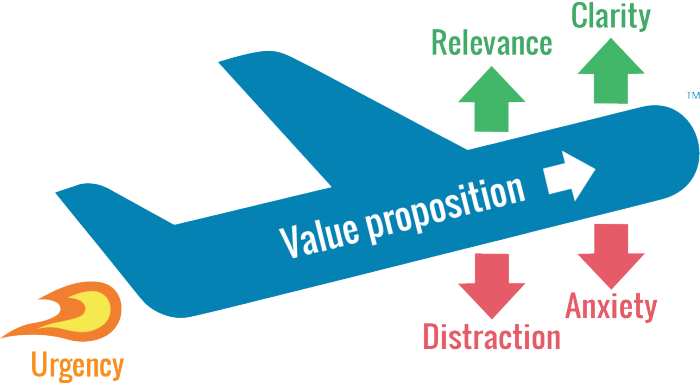
Marketing analysts often evaluate CTA strength through frameworks such as the LIFT Model, which balances value proposition, relevance, clarity, and urgency against the friction and anxiety of user interaction. When structured effectively, a CTA bridges the gap between passive content consumption and active brand engagement. Industry data increasingly demonstrates that structural presentation matters immensely; transitioning from plain-text hyperlinks to distinct, clickable buttons has been documented to boost conversion rates by up to 45% in specific publishing and e-commerce case studies.

Strategic Approaches to Copywriting and Design

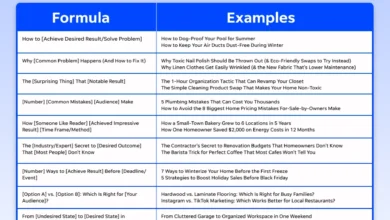
Crafting a persuasive CTA requires a disciplined approach to language. Because digital advertisements and mobile interfaces impose strict character limits, brevity and strength are paramount. Industry best practices recommend initiating CTAs with a strong imperative verb—such as "Buy," "Try," "Download," or "Join"—followed directly by relevant modifiers or objects.

To maximize efficacy, digital marketers segment CTAs according to their intended conversion purpose:

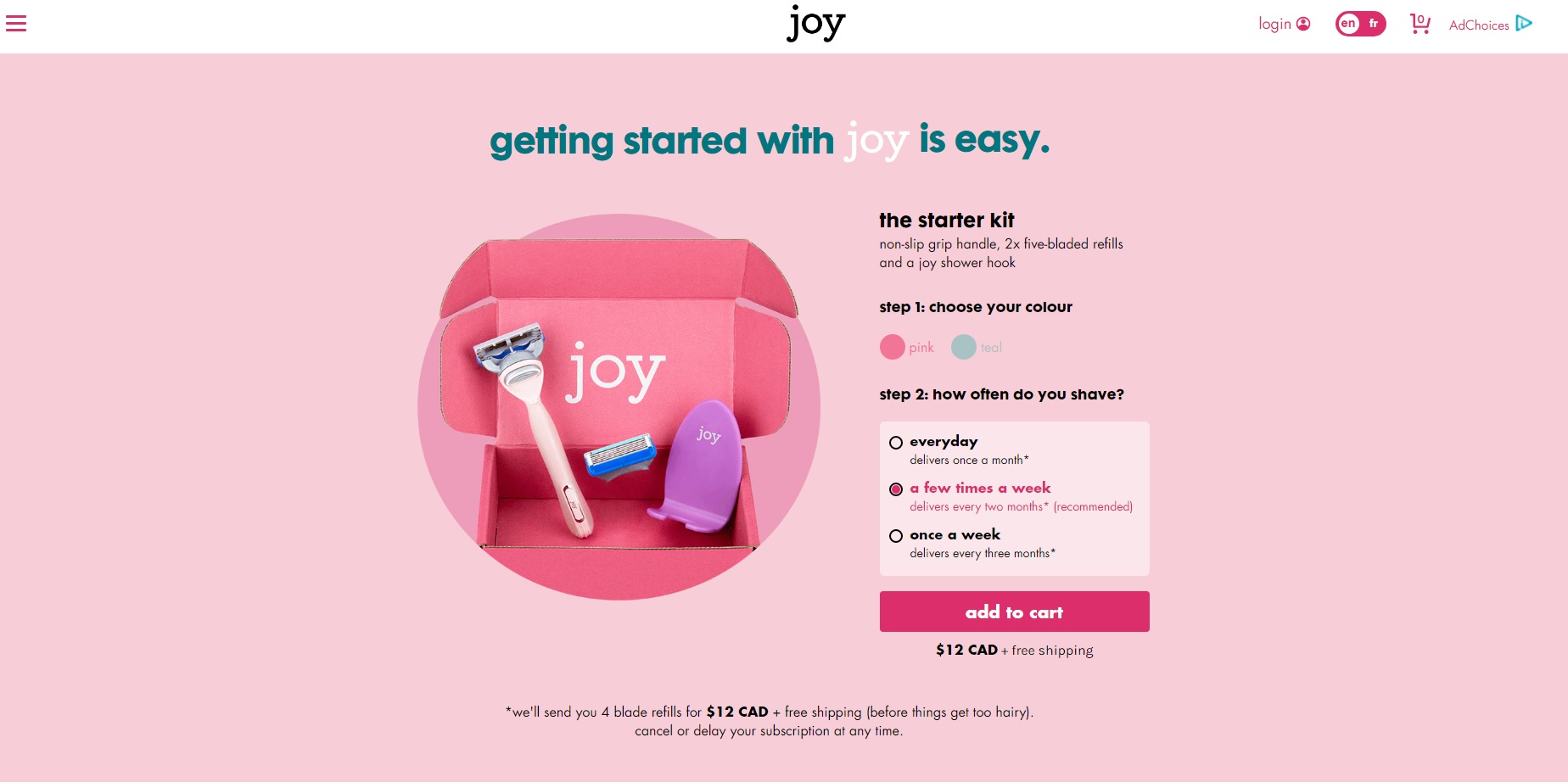
- E-commerce campaigns rely on action-oriented verbs such as Buy, Shop, Order, Reserve, and Add to Cart.
- SaaS providers leverage trial-centric terminology including Try, Get Started, Subscribe, and Sign Up.
- Non-profit organizations appeal to philanthropic motivations through Donate, Commit, Volunteer, and Support.
- Content creators and newsletter publishers focus on community growth using Join, Sign Up, and Refer.
Beyond structural vocabulary, advanced marketing campaigns frequently employ sensory or emotional modifiers to evoke enthusiasm and personal connection. Brands like Headspace, for instance, utilize sensory-driven phrasing such as "Snuggle up to Headspace" to foster intimacy and emotional resonance. Similarly, innovative brands like Thinx have successfully challenged conventional copywriting norms by transforming traditional nouns into dynamic verbs within their campaign messaging.

Empirical Evidence and Split-Testing Implications

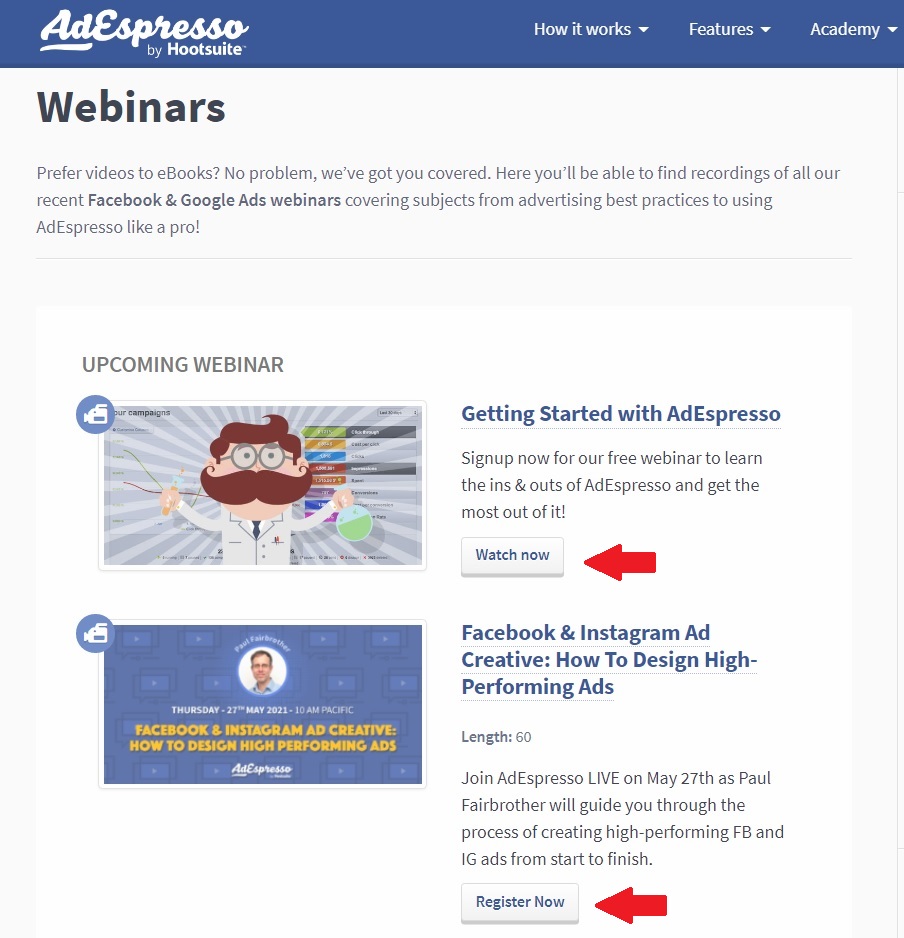
To measure the tangible financial impact of CTA optimization, digital marketing platforms routinely conduct empirical split-testing. In a controlled $1,000 experiment executed by AdEspresso to evaluate native button variations within paid social media campaigns, results demonstrated dramatic cost-per-acquisition discrepancies based solely on button choice.

The top-performing CTA button ("Download") generated 49 conversions at an average cost of $5.10 each. Conversely, identical ad sets deployed without a clickable CTA button yielded only 20 conversions at more than double the cost, averaging $12.50 per acquisition. These findings illustrate a critical economic reality for modern advertisers: failing to optimize and test CTA elements can quietly double customer acquisition costs over the lifecycle of a digital campaign.

Furthermore, cross-platform analysis indicates that strategic placement—such as positioning primary and secondary CTAs above the fold on landing pages—significantly enhances user experience and navigational flow. Minimalist landing pages, exemplified by high-profile content properties like Tim Ferriss’s subscriber portals, reduce cognitive load by eliminating peripheral distractions, thereby funneling 100% of the visitor’s focus toward the primary conversion action.

Implications for Future Digital Marketing Strategies
As privacy regulations tighten and customer acquisition costs rise across major advertising networks like Meta, Google, and LinkedIn, the margin for error in digital marketing continues to shrink. Brands can no longer rely solely on broad targeting and expansive media budgets to secure profitability. Precision in copywriting, rigorous split-testing of user interfaces, and the strategic deployment of psychological triggers—such as scarcity, social proof, and seamless user journeys—have transitioned from optional tactics to foundational requirements for competitive viability.

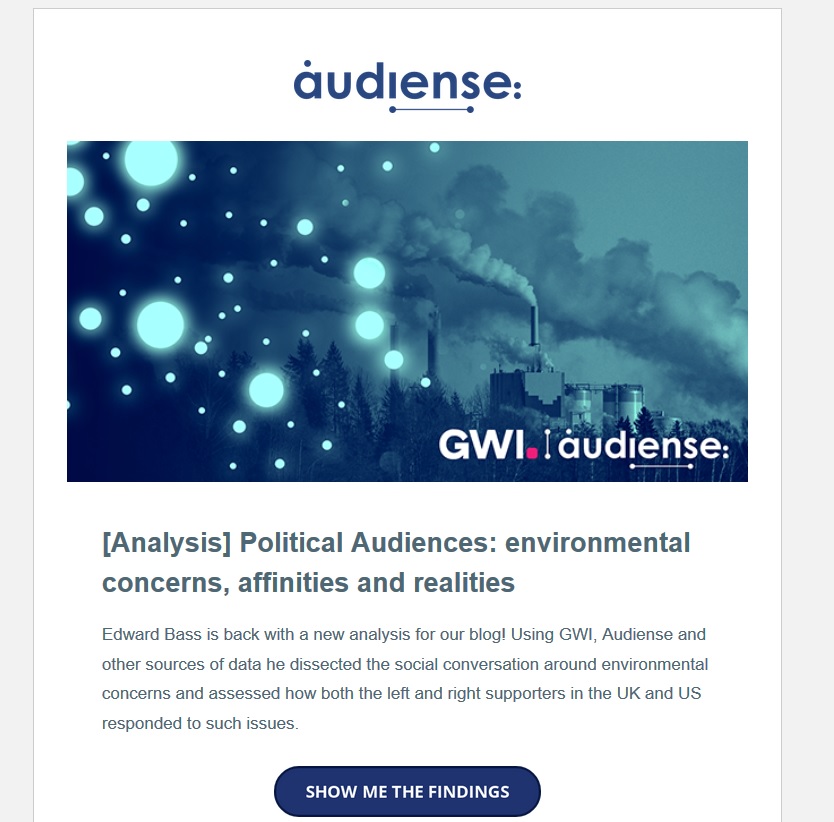
Ultimately, the humble call to action functions as the decisive moment of truth in the digital consumer journey. Whether implemented as a high-contrast button on an e-commerce checkout page, a retarget
ing prompt within a social media advertisement, or a hyperlinked text directive inside an email newsletter, a well-optimized CTA transforms casual browsers into loyal brand advocates. Marketers who invest the necessary time into iterative testing, optimization, and creative copywriting will consistently outperform competitors in capturing and converting consumer attention.