Meta 2022 Year in Review: A Comprehensive Analysis of Platform Evolution, Advertising Innovations, and Strategic Shifts

The final quarter of 2022 marked a period of extensive structural and feature-based transformation for Meta Platforms, as the tech giant rolled out significant enhancements across its flagship ecosystems, including Facebook, Instagram, Messenger, and its emerging virtual reality initiatives. As digital marketers and advertisers navigate the post-2022 landscape, they are increasingly met with a heavily automated, highly streamlined operational framework. From native content scheduling on Instagram to sophisticated machine learning-driven ad suites, Meta’s strategic trajectory throughout 2022 has prioritized efficiency, monetization opportunities for creators, and elevated brand safety standards. This retrospective details the major product rollouts, algorithmic adjustments, and policy updates implemented across Meta’s platforms, culminating in a forward-looking analysis of expectations for the digital marketing industry.
Chronology of Major Platform Updates: A 2022 Timeline
Throughout the four quarters of 2022, Meta implemented a steady succession of sweeping changes designed to harmonize cross-platform capabilities and respond to evolving consumer consumption habits.
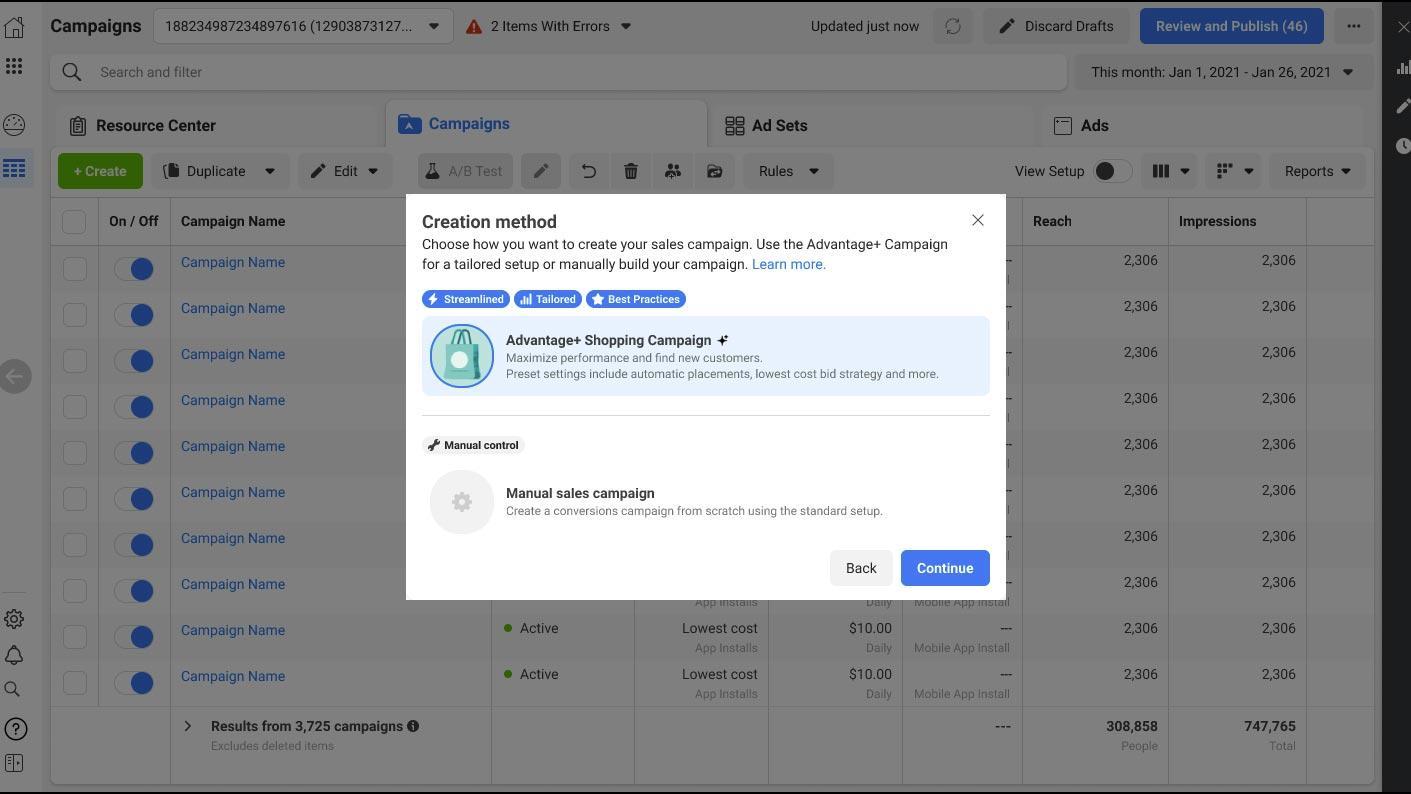
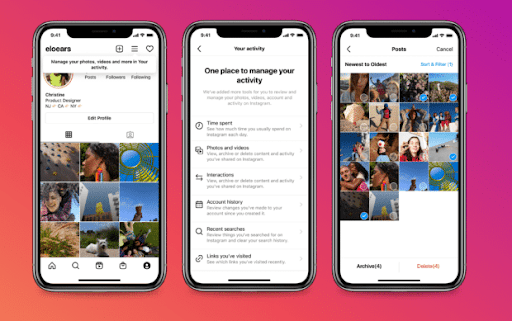
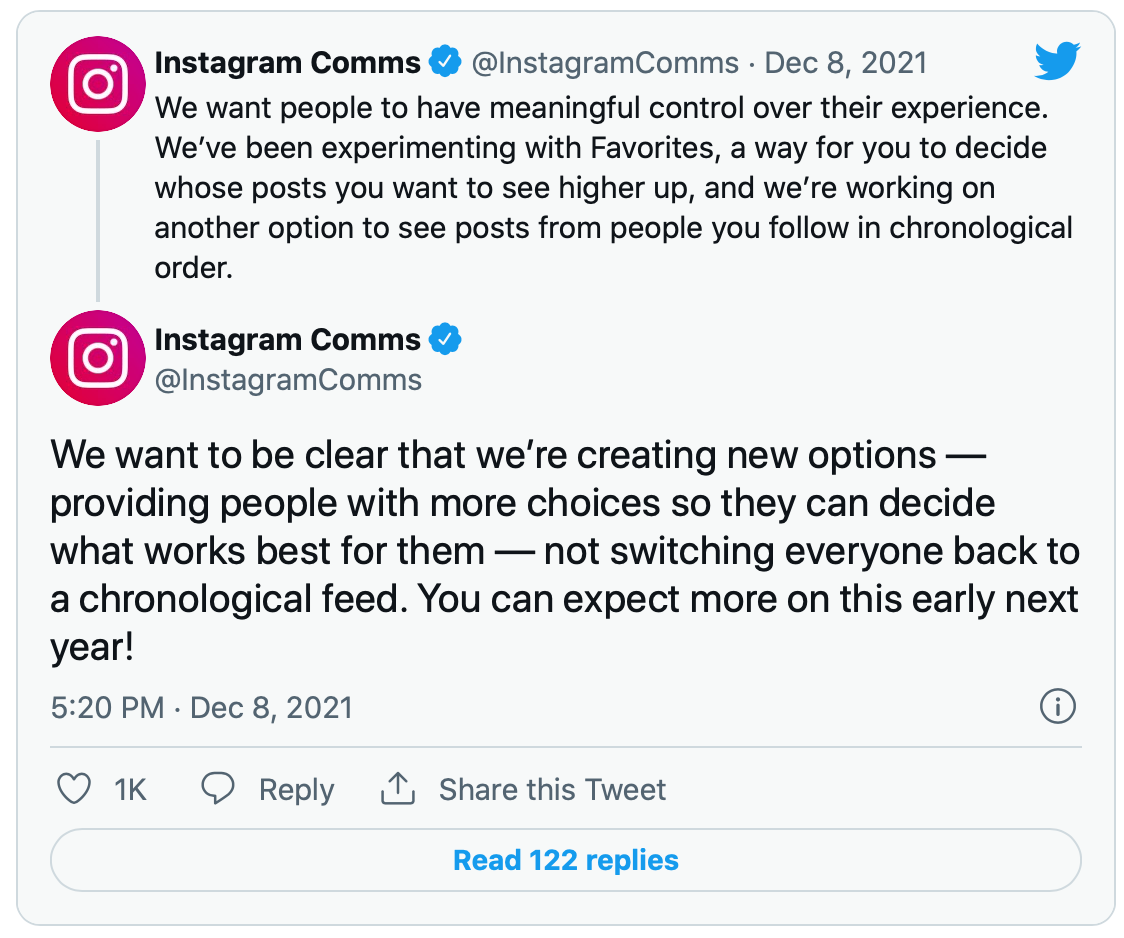
Early in the year, particularly during the first quarter, Meta consolidated its automated advertising tools under the unified "Meta Advantage" suite. This overarching architecture grouped together Advantage+ automated shopping campaigns and audience solutions, leveraging machine learning to automate creative variation and targeting. Concurrently, Instagram reintroduced a chronological feed option—offering "Following" and "Favorites" tabs—to appease users demanding greater control over content visibility, while simultaneously rolling out auto-generated captions for feed videos to improve digital accessibility.
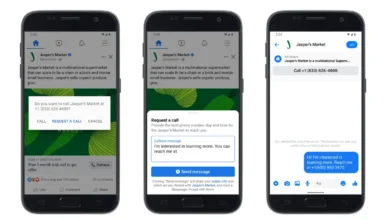
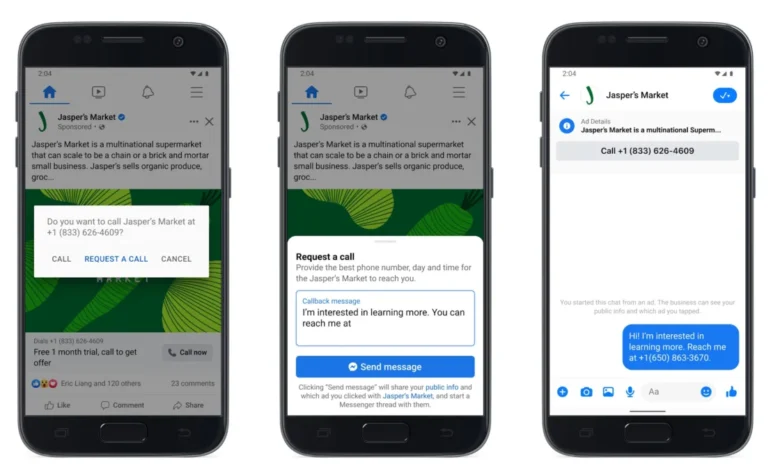
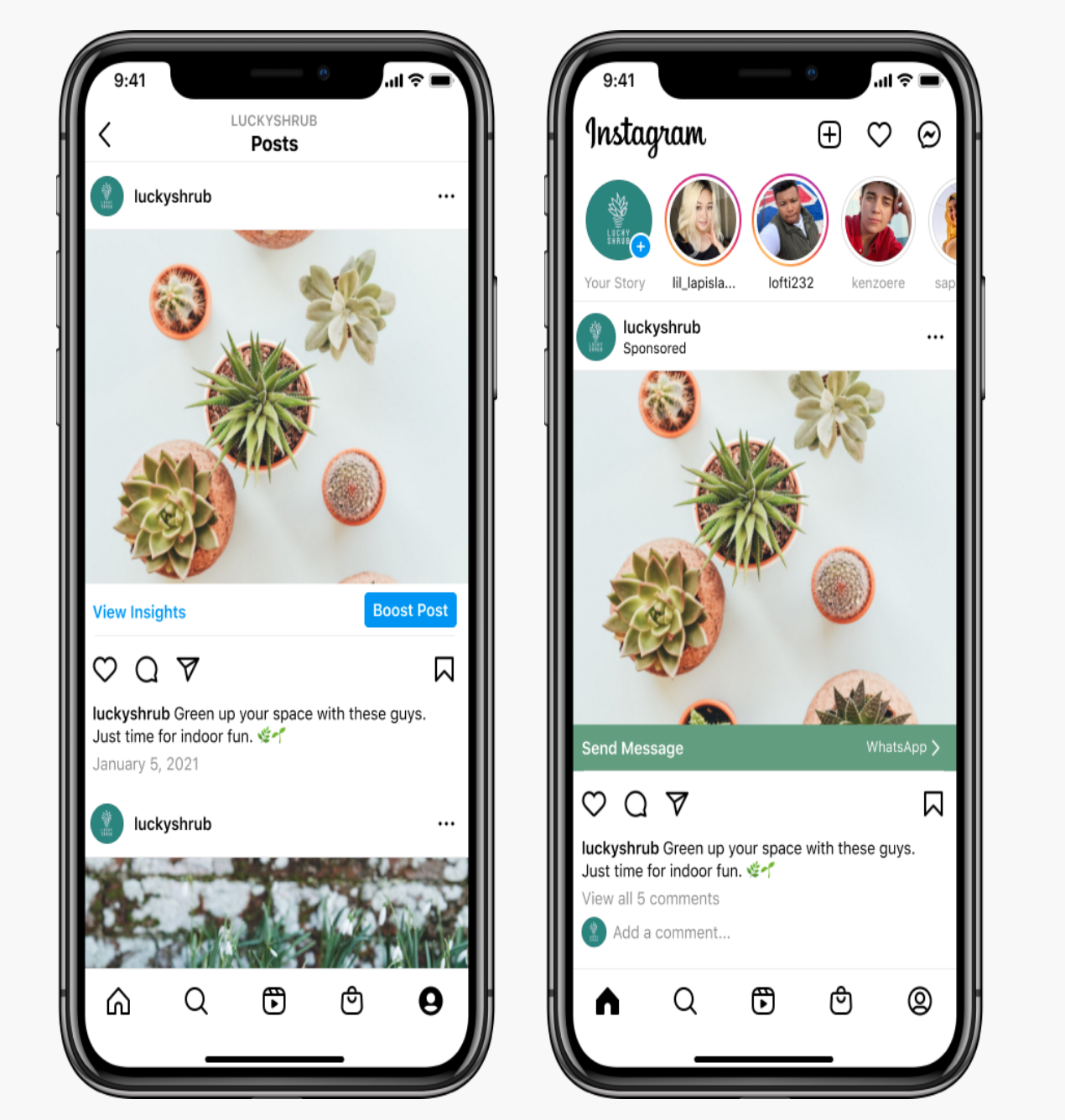
Moving into the second quarter of 2022, regulatory scrutiny and user privacy concerns prompted Meta to introduce enhanced transparency tools for social, political, and electoral ads. The Ad Library expanded its targeting summaries to vetted academic researchers, ensuring rigorous compliance with evolving privacy expectations. Simultaneously, Meta aggressively expanded its business messaging infrastructure, integrating WhatsApp messaging directly into the centralized Meta Business Suite inbox and streamlining ad creation flows to drive direct-to-chat conversions.
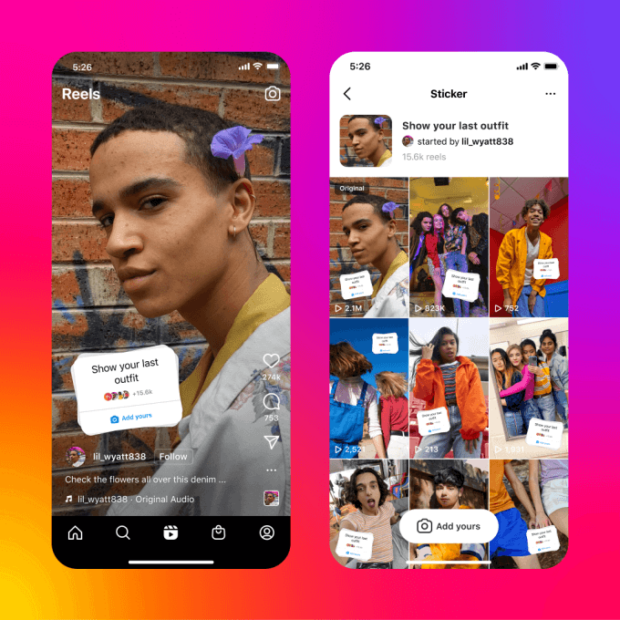
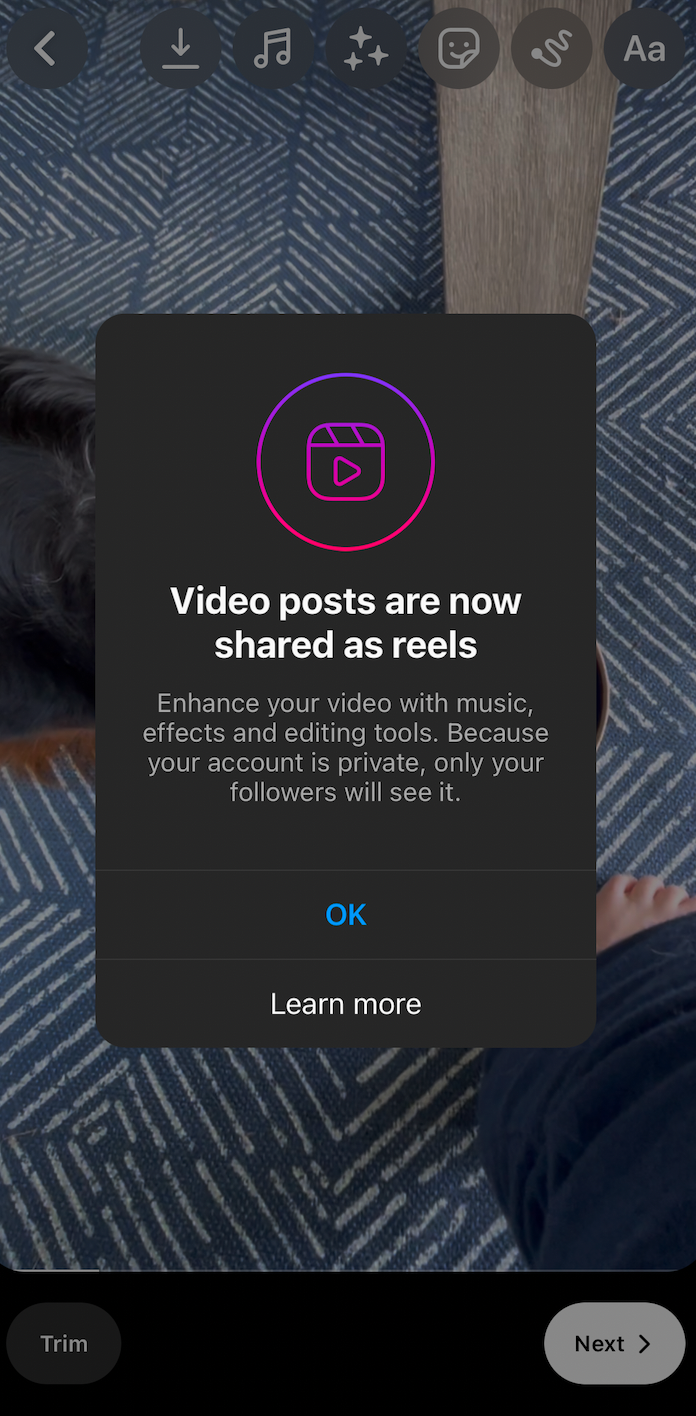
By the third quarter, the pivot toward short-form video consumption became absolute. Meta globally integrated standard video posts under 15 minutes long into the Instagram Reels format, merging video profile tabs and unlocking advanced editing and creative capabilities for all video content. Furthermore, the company launched the initial testing phases of the Instagram Creator Marketplace in the United States, providing a centralized dashboard for brands and creators to negotiate paid partnerships. Automated solutions also expanded significantly during this window, highlighted by the August launch of Advantage+ Shopping campaigns, which internal tests demonstrated reduced cost-per-purchase conversions by an average of 12% compared to traditional targeting methods.
The fourth quarter cemented Meta’s commitment to brand safety and operational streamlining. In November, Meta achieved Media Rating Council (MRC) accreditation for content-level brand safety on Facebook, validating its content and partner monetization policies. December introduced native content scheduling directly within the Instagram mobile application, allowing Business and Creator accounts to schedule photos, carousels, and Reels up to 75 days in advance without relying on third-party software or desktop dashboards. Additionally, the platform enabled users to integrate up to 90 seconds of licensed music directly into static in-feed photo posts, bridging the gap between static media and dynamic, audio-driven expression.

Democratizing Content Management: Instagram’s Native Scheduling and Audio Enhancements
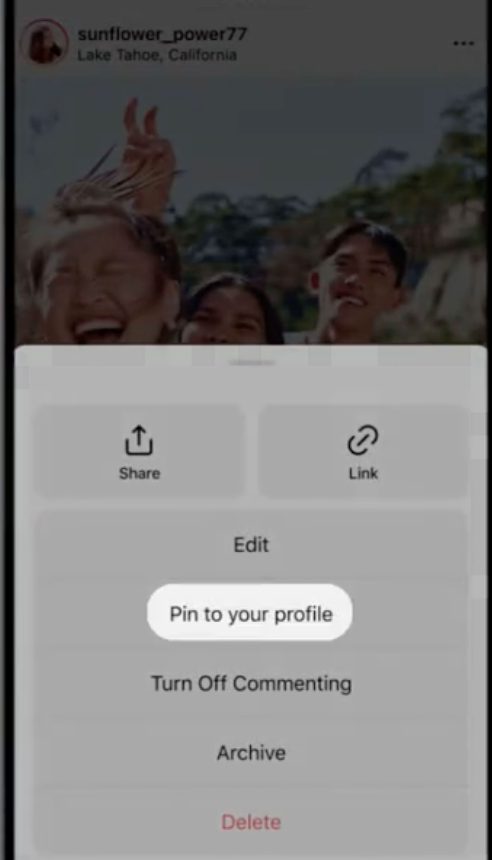
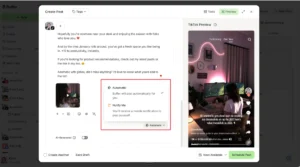
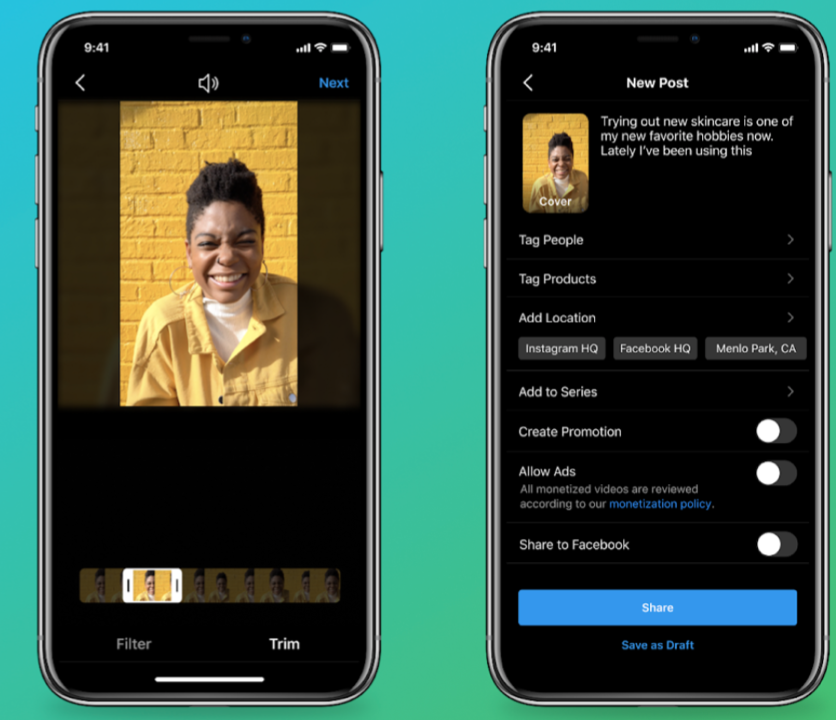
One of the most persistent requests from social media managers and independent creators was the integration of native scheduling tools directly within the mobile application environment. Historically, scheduling required external social media management tools or desktop-bound Creator Studio interfaces. By introducing native scheduling for Business and Creator accounts up to 75 days in advance directly through the Instagram app, Meta significantly lowered the barrier to consistent publishing.

To execute this feature, users navigate through the standard creation flow for a photo, carousel, or Reel, access "Advanced settings" on the final publishing screen, and designate a specific launch date and time via the "Schedule" parameter. Edited, rescheduled, or deleted posts remain accessible within the dedicated "Scheduled posts" drop-down menu. However, technical limitations accompany the rollout: advanced features such as product tagging, automated cross-posting to Facebook, and post boosting are currently restricted for pre-scheduled content, necessitating live execution for promotional amplification.
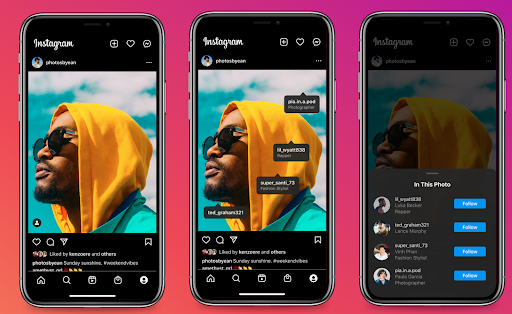
Simultaneously, Instagram expanded its audio integration capabilities. Moving beyond Stories and Reels, the platform authorized users to attach up to 90 seconds of commercial music to standard in-feed photo posts. This development provides brands with a powerful sensory tool to capture user attention within otherwise static visual environments, aligning static media consumption with the audio-first trends dominating modern social engagement.
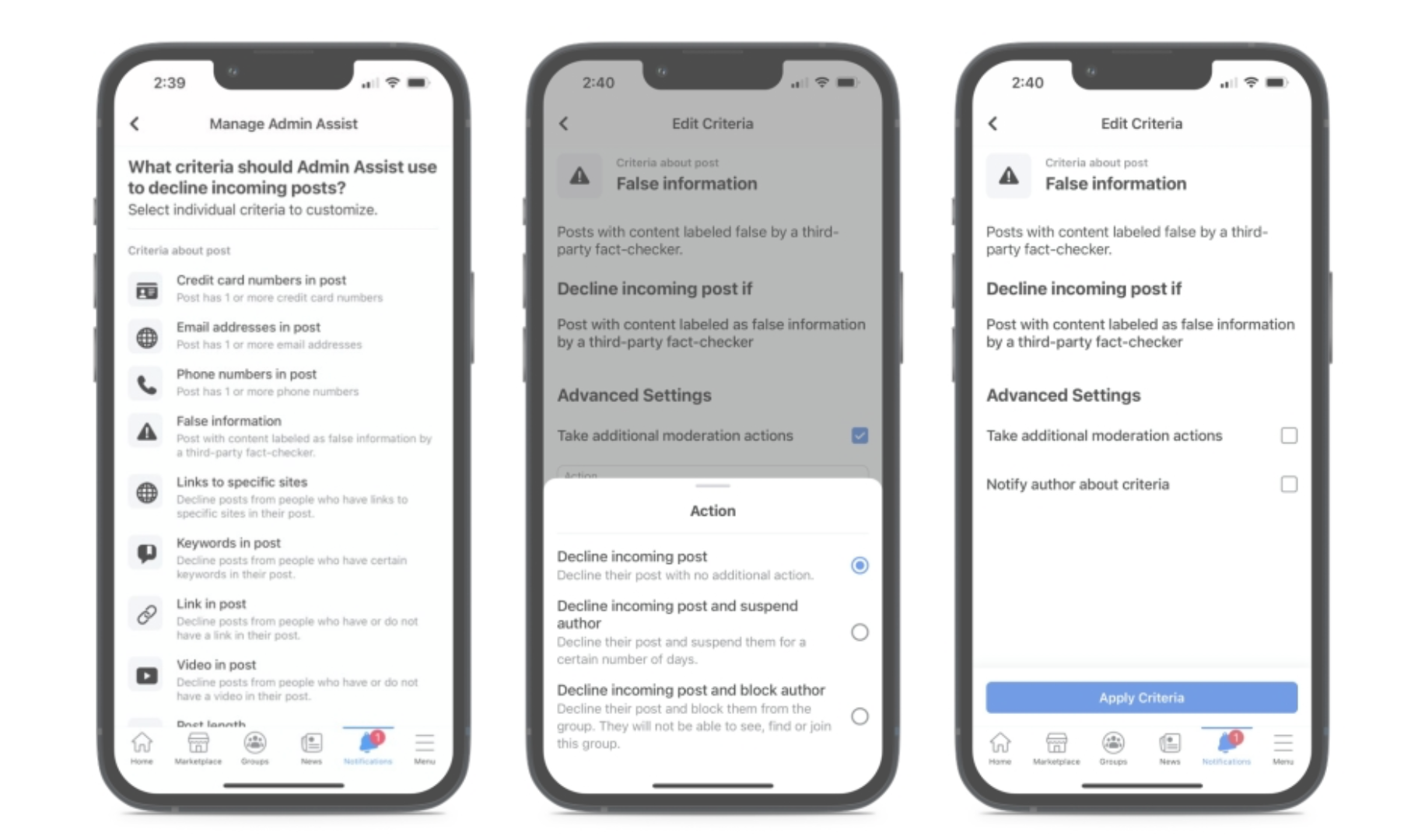
The Ascendancy of Automation: Meta Advantage+ and Machine Learning
As advertisers grapple with signal loss resulting from historic privacy updates—such as Apple’s App Tracking Transparency (ATT) framework—Meta has doubled down on proprietary machine learning infrastructure to maintain campaign efficacy. The Meta Advantage suite, comprising Advantage+ shopping, app, and creative campaigns, represents the cornerstone of this strategic pivot.
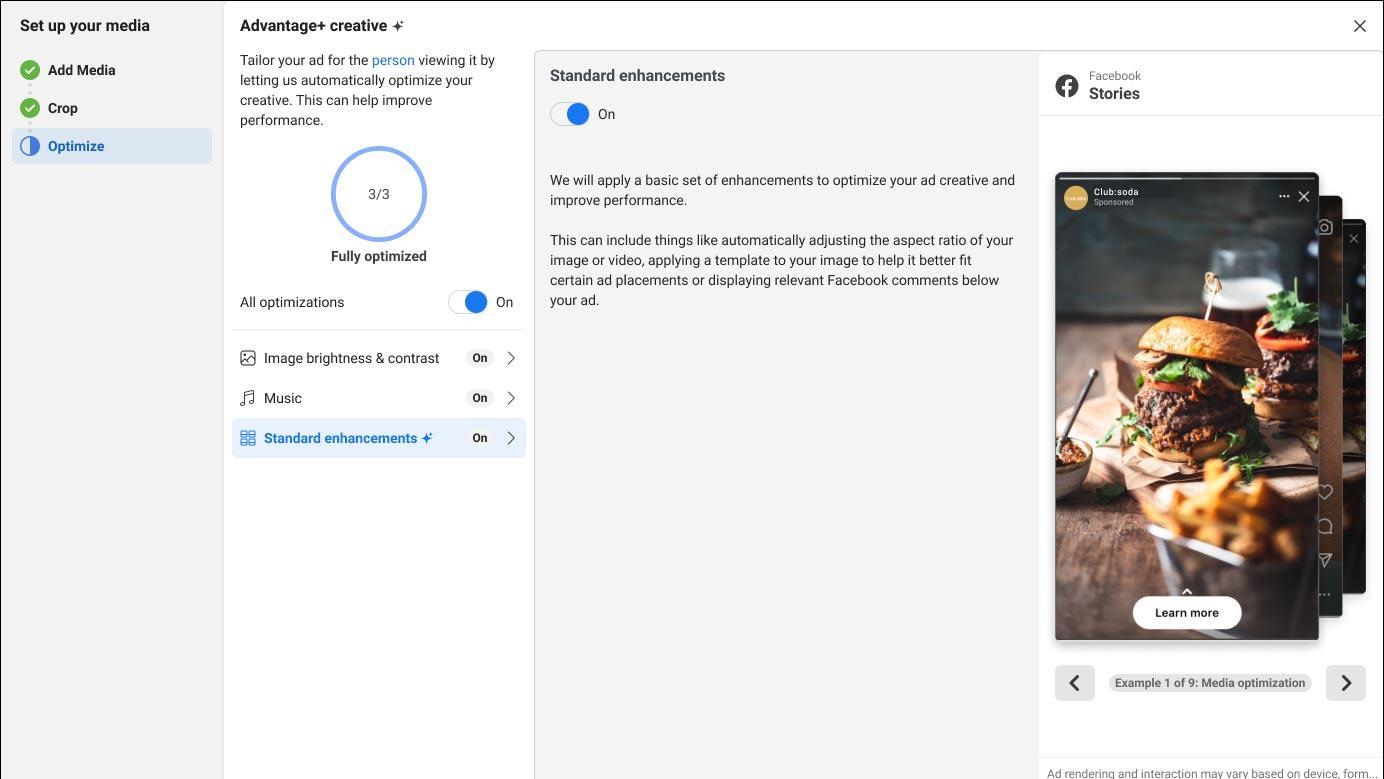
Advantage+ Shopping campaigns, which became widely available in August 2022, automate the labor-intensive ad creation process by dynamically generating and split-testing up to 1,500 creative variations simultaneously across multiple placements. By utilizing algorithmic allocation rather than manual audience definition, Meta’s internal data indicates superior performance metrics, including lower cost-per-acquisition rates. Complementary features such as Advantage+ creative automatically adjust visual assets and text for individual viewers based on predicted responsiveness, ensuring hyper-personalized ad delivery at scale.
Furthermore, Meta has refined its B2B targeting architecture to bridge the gap between consumer-centric social platforms and professional networking environments. By introducing robust targeting parameters based on precise on-platform job titles and professional interests, Meta has sought to capture B2B marketing budgets traditionally allocated to specialized platforms like LinkedIn.
Brand Safety Milestones and Intellectual Property Protections
Ensuring brand suitability and protecting intellectual property rights became paramount operational objectives for Meta throughout 2022. The culmination of years of infrastructural investment occurred in November, when Meta secured independent Media Rating Council (MRC) accreditation for content-level brand safety on Facebook. This accreditation independently audited and validated Meta’s Partner Monetization Policies, Content Monetization Policies, and content-level suitability controls across Instant Articles and In-Stream video formats across desktop and mobile environments.
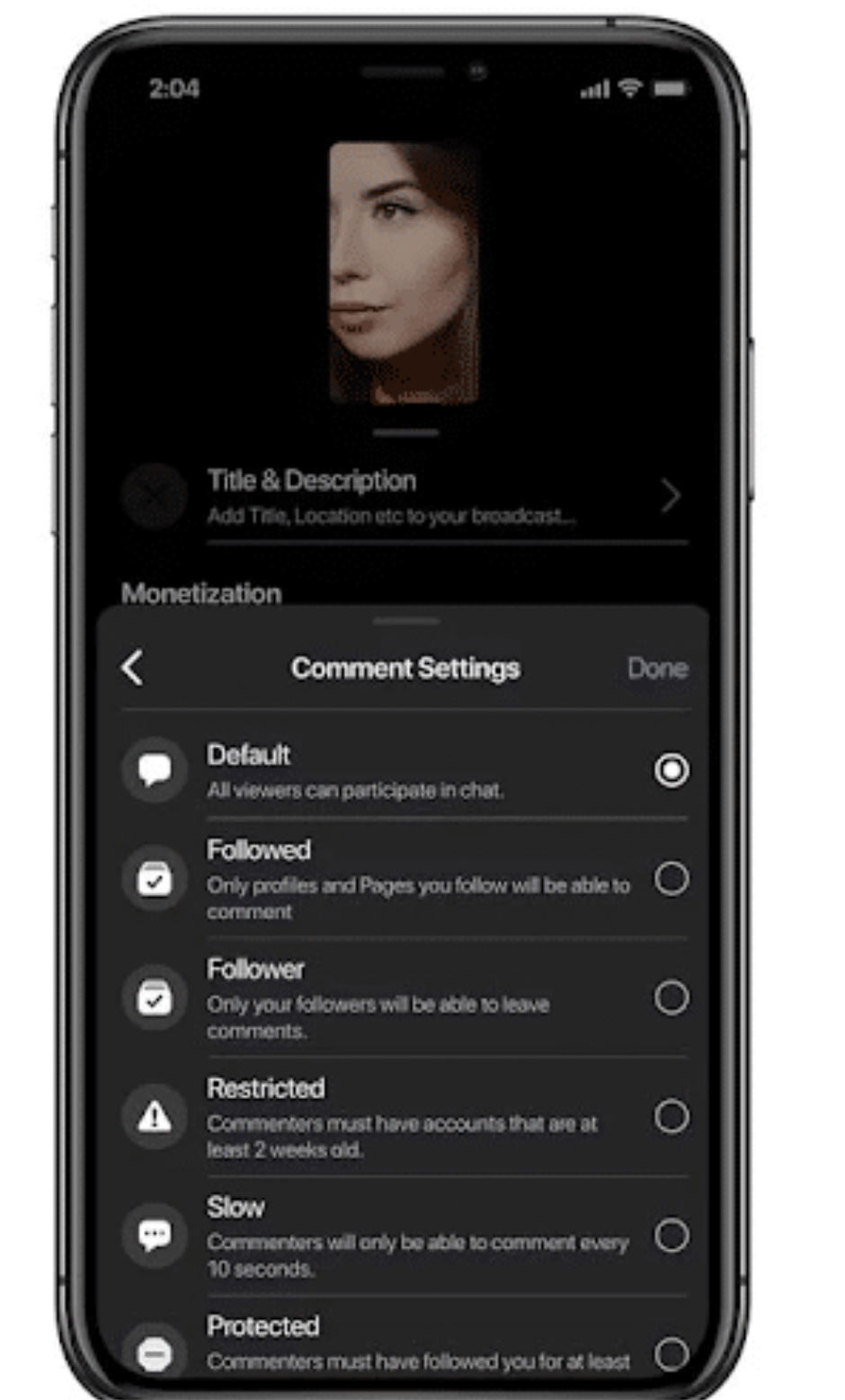
To complement this milestone, Meta commenced testing of content-based inventory filters across the Facebook and Instagram feeds. These filters empower advertisers to proactively align ad delivery with their specific brand risk tolerances, segmenting content into distinct inventory tiers.
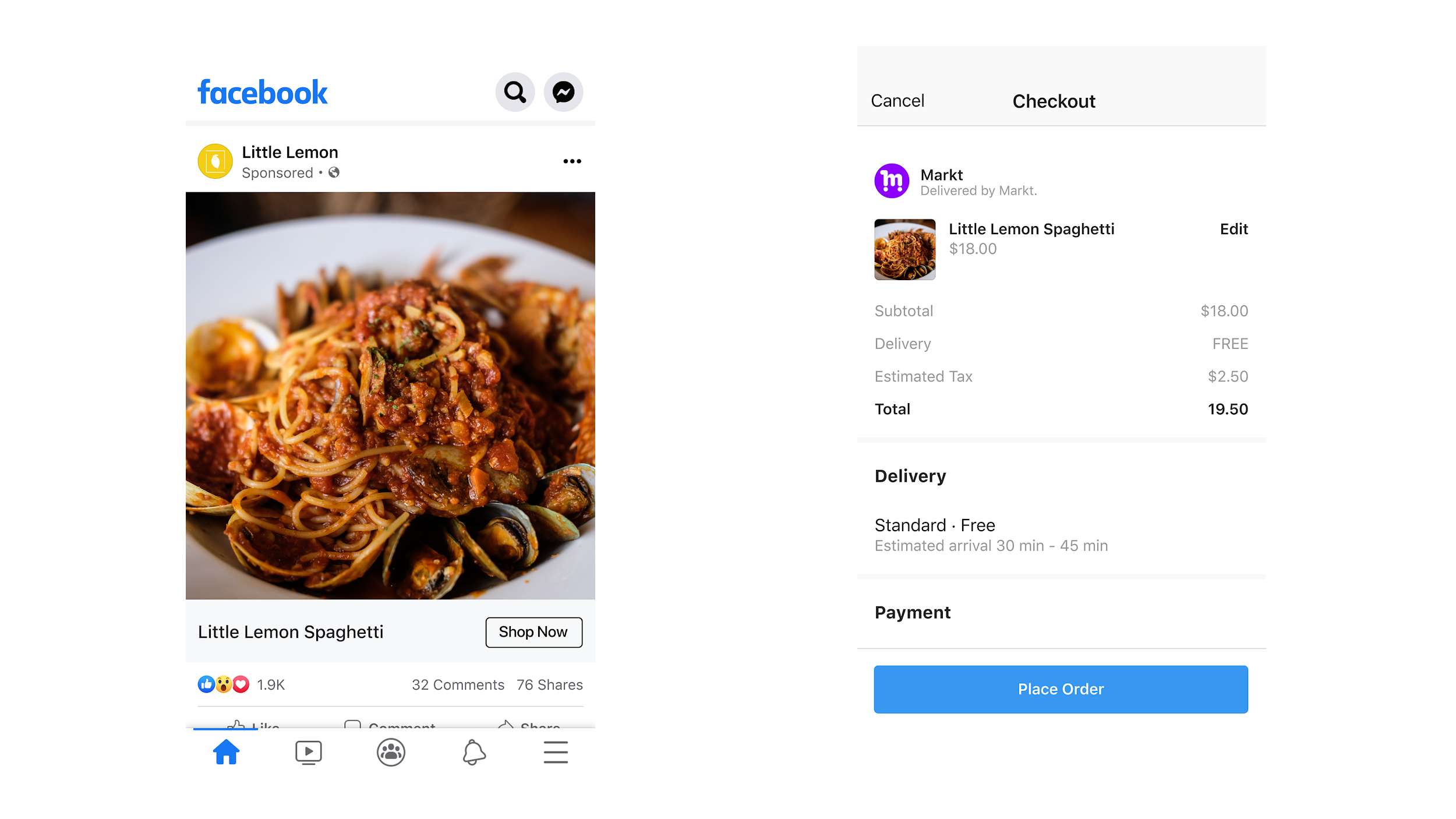
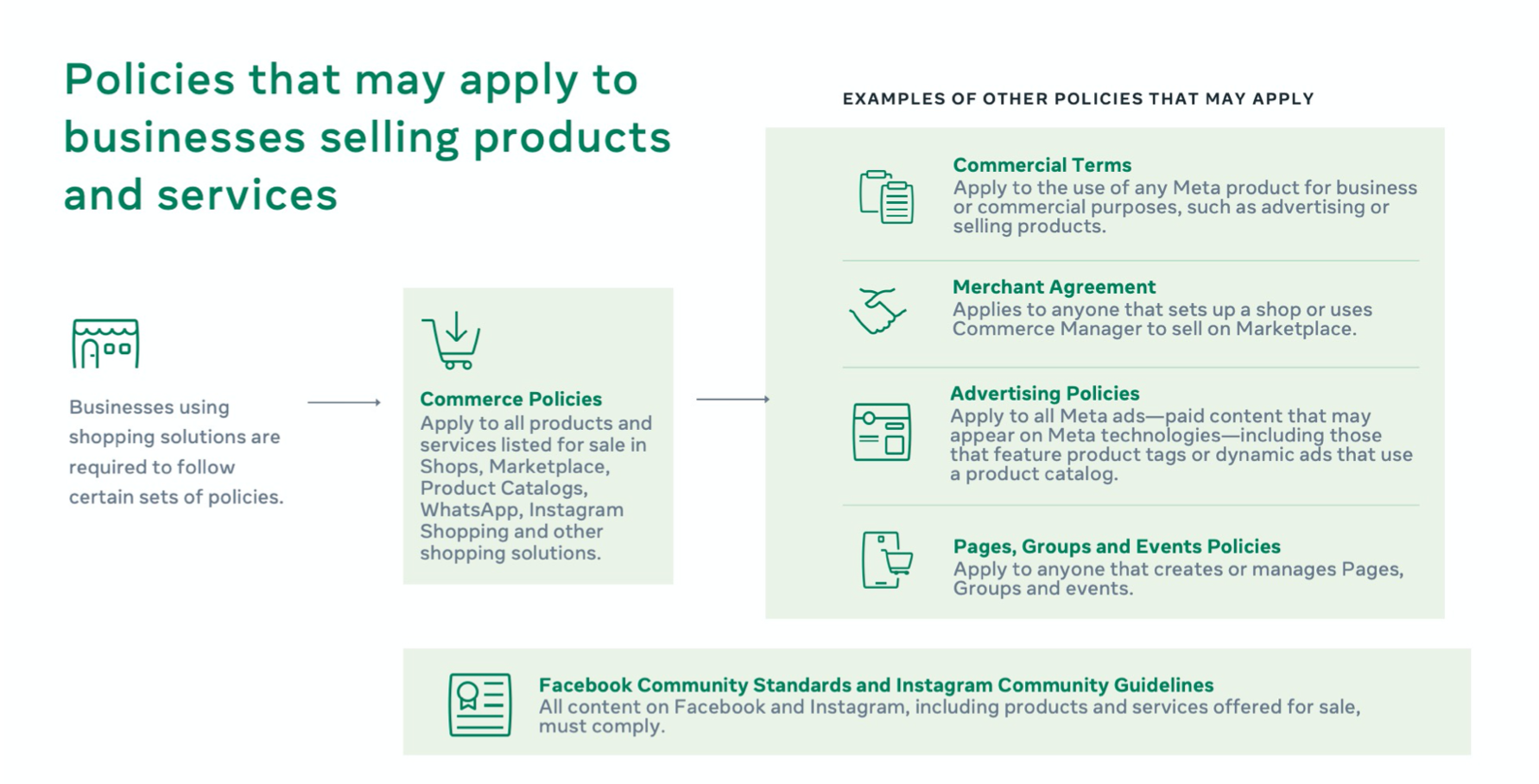
Simultaneously, the introduction of the IP Reporting API and enhancements to Brand Rights Protection addressed rampant copyright infringement and counterfeiting within social commerce ecosystems. By integrating directly with the Graph API, rights holders gained a streamlined mechanism to identify, report, and request the removal of unauthorized intellectual property, counterfeit goods, and impersonation accounts. This infrastructure is critical as Meta continues to scale native on-platform shopping and marketplace transactions.
Strategic Implications and Expectations for 2023
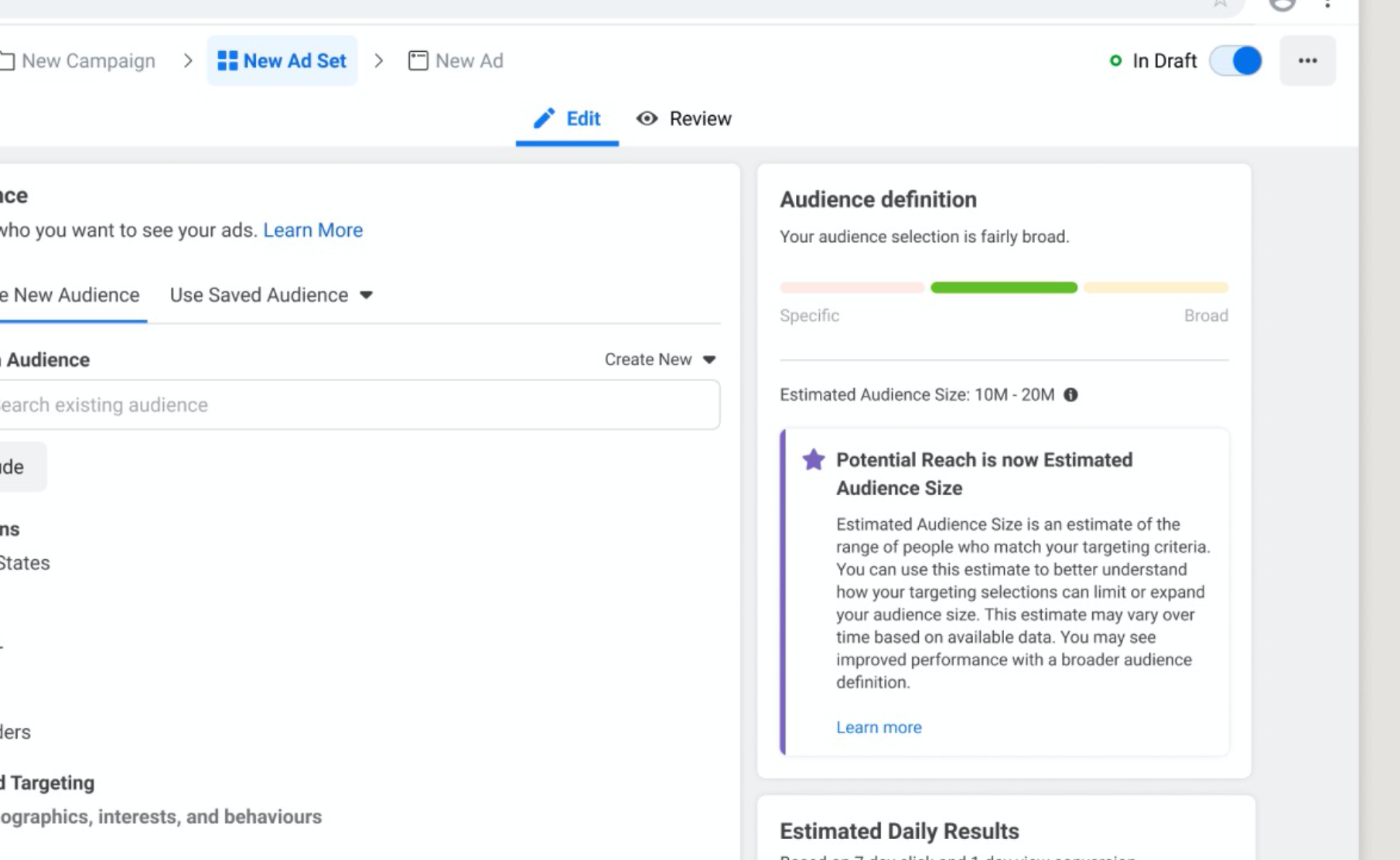
As digital marketing professionals analyze the organizational shifts of late 2022 and look toward the operational horizon of 2023, several clear implications emerge. Meta’s overarching philosophy has shifted definitively away from manual campaign architecture toward fully automated, machine learning-driven ecosystems. Advertisers must relinquish granular control over manual audience micro-segmentation, pivoting instead toward providing rich, diverse creative assets that algorithms can test and optimize autonomously.
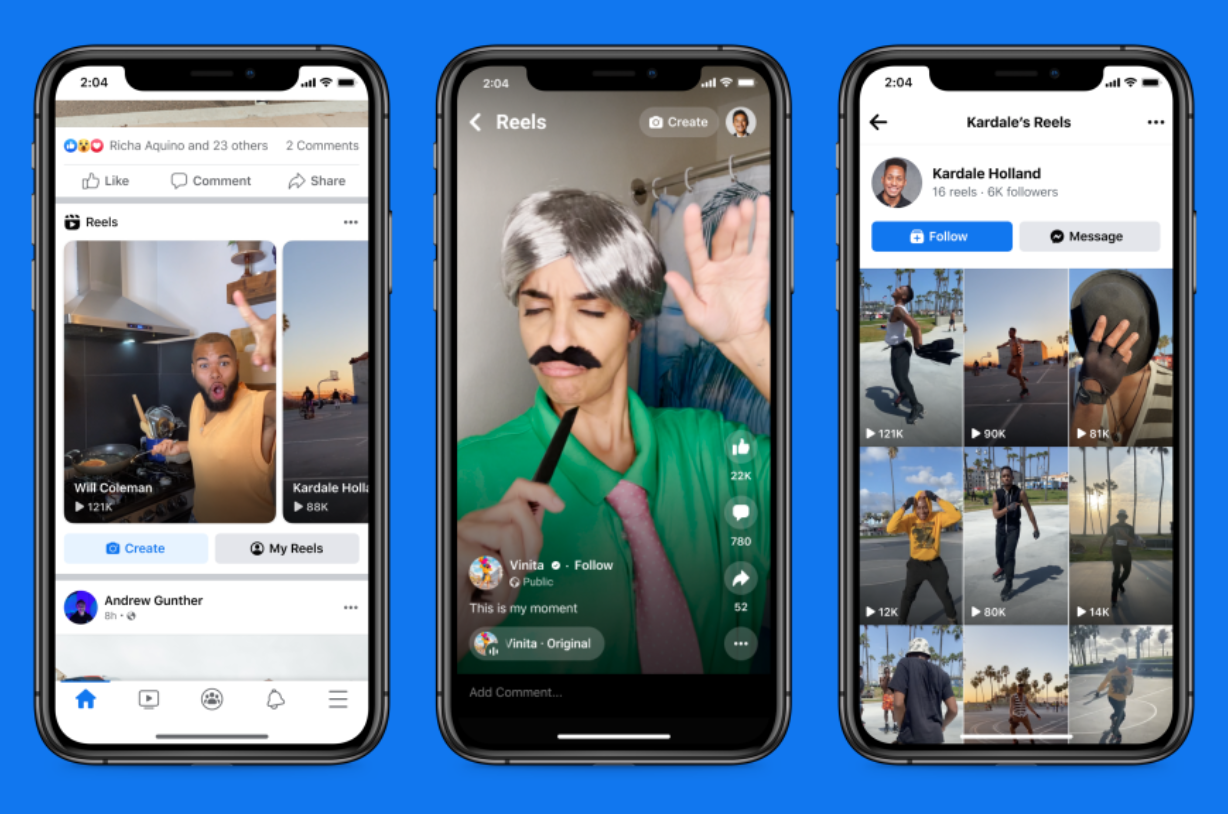
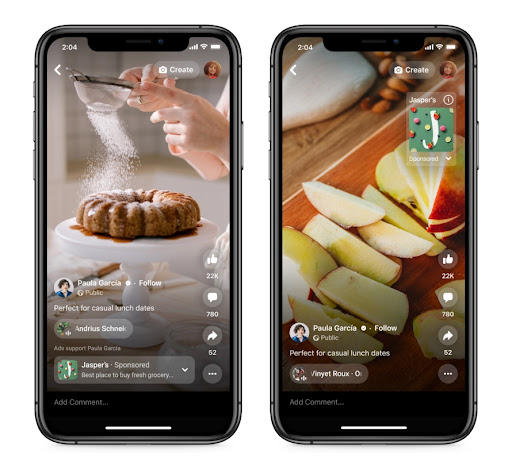
Short-form video, institutionalized via the ubiquitous expansion of Reels across both Facebook and Instagram, will remain the primary engine of algorithmic distribution, traffic generation, and ad revenue. Consequently, creative strategies must prioritize vertical, mobile-first video production.
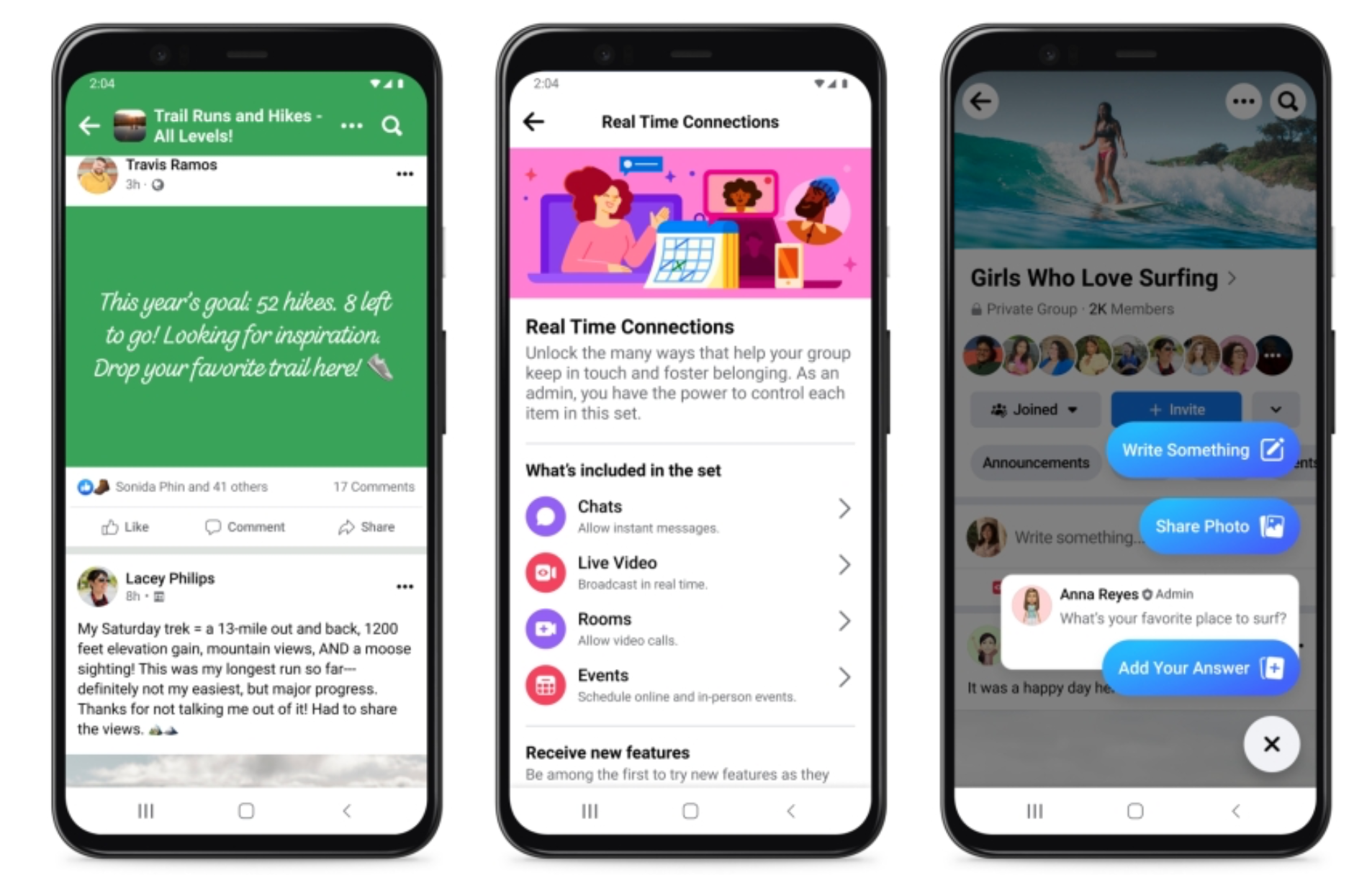
Concurrently, community-building infrastructure—manifested through enhanced management tools, subscription-based monetization models, and visibility within Facebook Groups—will serve as a vital antidote to declining organic reach on traditional broadcast pages. Brands that successfully cultivate engaged, niche communities will likely secure higher customer lifetime values and insulated brand loyalty.
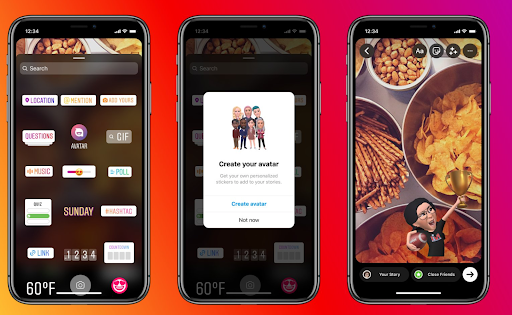
Finally, while the ongoing investments by Chief Executive Officer Mark Zuckerberg into the long-term realization of the Metaverse continue to draw financial scrutiny, the foundational augmented and virtual reality technologies developed under this umbrella will progressively influence core social features. From 3D avatars and immersive ad placements in VR environments to sophisticated AR "Try-On" commerce APIs, the boundary between digital and physical consumer experiences will continue to blur.

Meta’s aggressive operational evolution in the final quarter of 2022 laid a definitive groundwork for 2023. By prioritizing automation, reinforcing brand safety governance, and streamlining content management workflows, Meta has reinforced its foundational utility as an indispensable engine for global digital commerce and audience engagement.