Meta Platform Overview: Key Product Updates, Strategic Shifts, and Advertising Evolutions Through 2022

The final quarter of 2022 marked a period of intensive transformation and operational restructuring for Meta Platforms Inc., setting the stage for a strategically streamlined approach to digital marketing and user engagement heading into 2023. Throughout the latter half of 2022, Meta deployed a sweeping array of structural updates, algorithmic shifts, and compliance milestones across its core ecosystem—including Facebook, Instagram, WhatsApp, and its virtual reality frameworks. These adjustments reflect a concerted corporate pivot toward advanced automation, video-first indexing via Reels, and enhanced monetization frameworks designed to maximize advertiser return on investment (ROI) while navigating stringent macroeconomic and regulatory headwinds.
Strategic Context and Market Environment
Meta’s aggressive update cycle in late 2022 occurred against a backdrop of significant financial pressure and evolving digital privacy regulations. Following the implementation of Apple’s App Tracking Transparency (ATT) framework in 2021, which severely disrupted traditional third-party data tracking and ad attribution models, Meta experienced consecutive quarters of declining ad revenues and heavy capital expenditures directed toward its nascent Metaverse division. Chief Executive Officer Mark Zuckerberg’s sustained multi-billion-dollar investments in virtual and augmented reality underscored a high-stakes corporate transition.
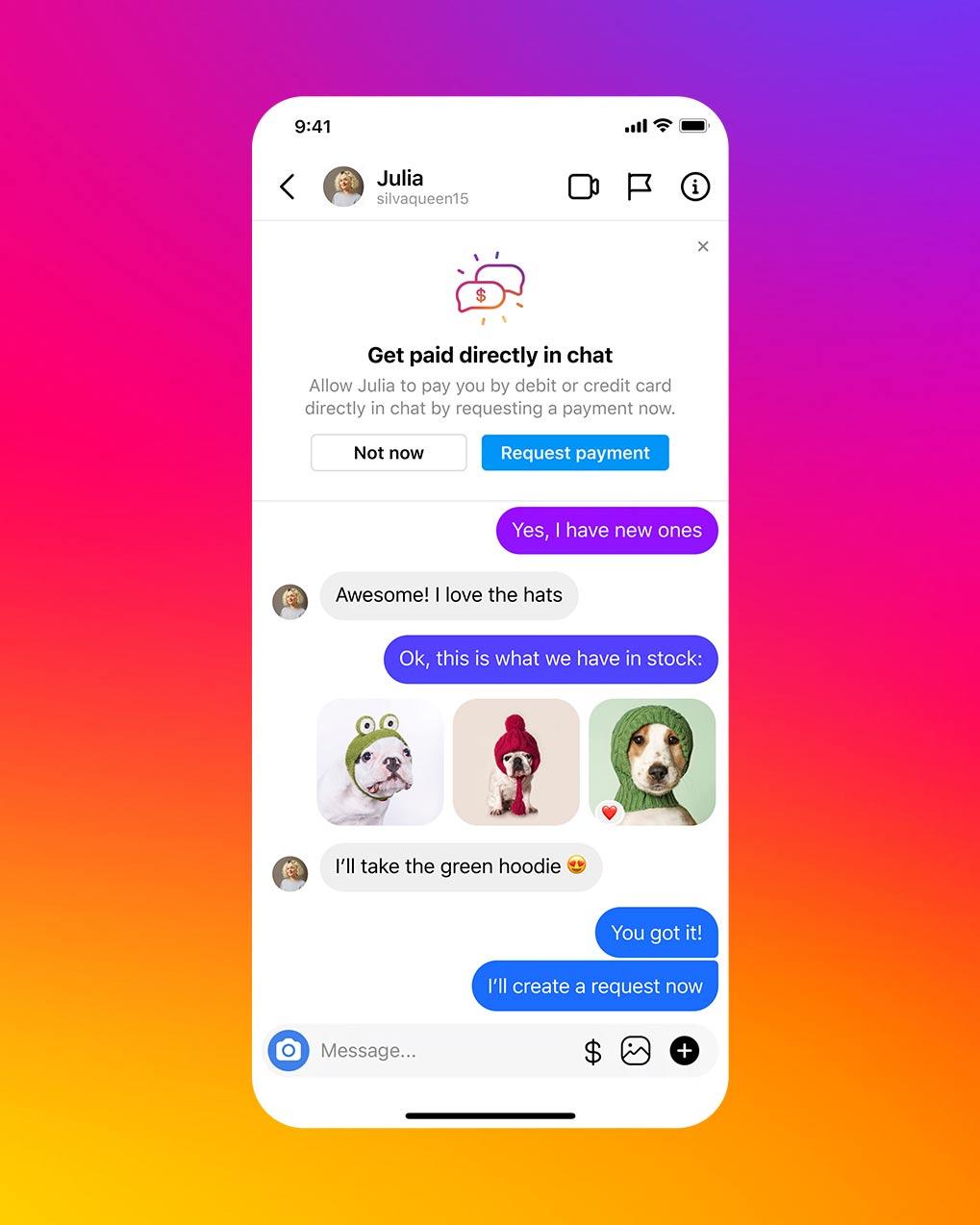
To offset valuation pressures and regain advertiser confidence, Meta accelerated the deployment of machine learning-driven advertising suites, such as the Advantage+ portfolio, while concurrently overhauling its organic and paid commerce infrastructures. The company’s closing months of 2022 demonstrated an institutional effort to consolidate fragmented tools, empower content creators, and secure independent brand safety accreditations to assure enterprise-level spenders of the platform’s viability.
Major Product and Feature Rollouts: Chronology of 2022 Developments
Throughout 2022, Meta systematically integrated structural changes across Instagram and Facebook to align with shifting consumer habits, particularly the dominance of short-form vertical video popularized by competitors like TikTok.
Q3 2022: The Acceleration of Reels and Native Commerce Integration
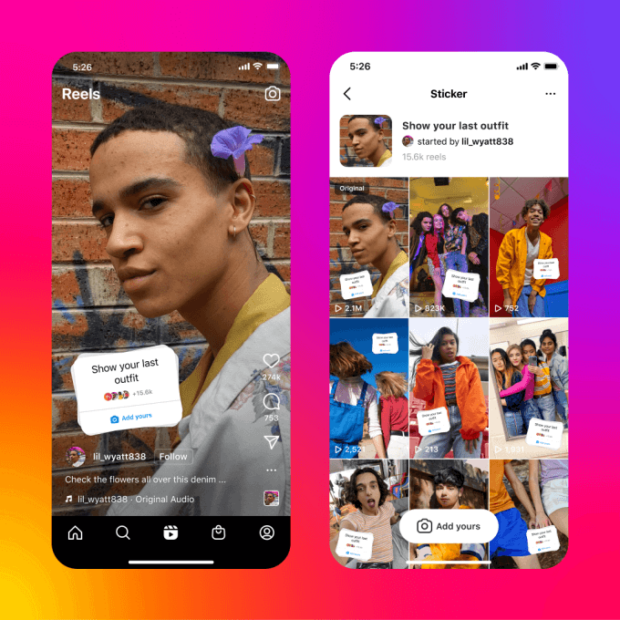
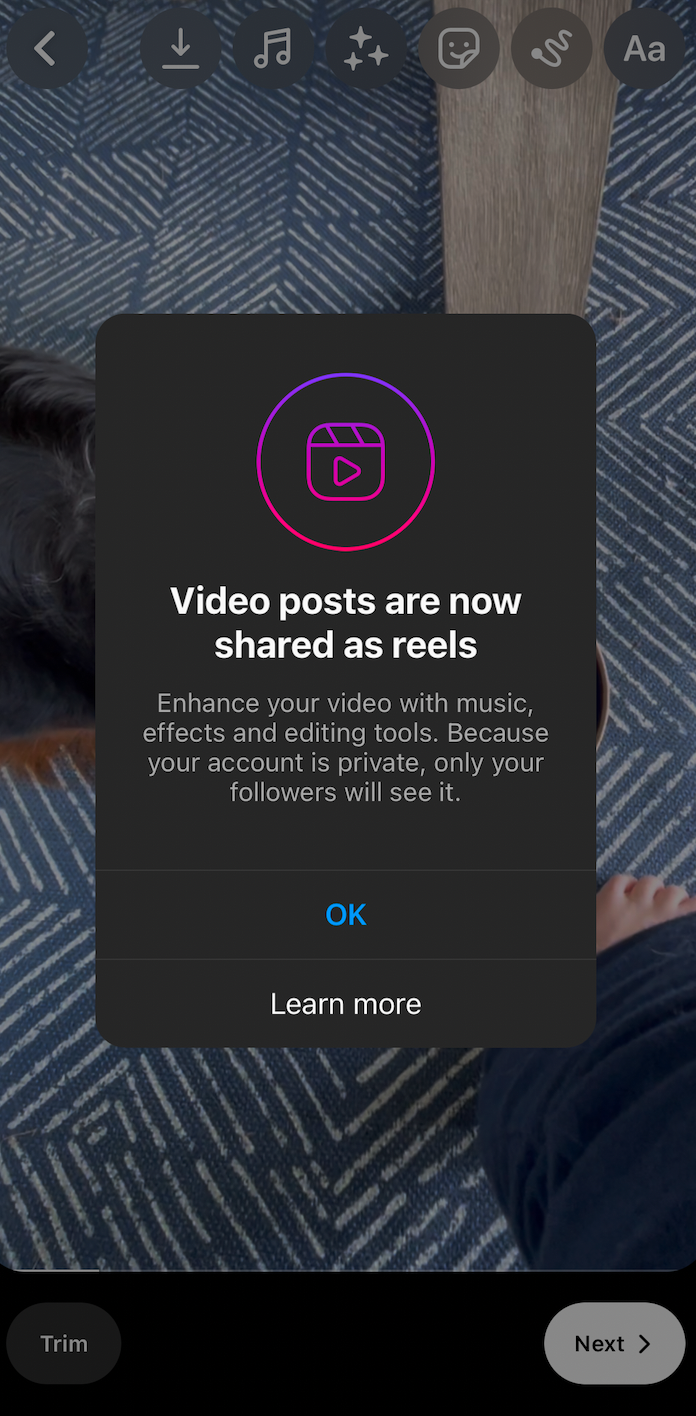
During the third quarter, Meta’s product pipeline was dominated by the aggressive expansion of Reels and the structural absorption of legacy video formats. In July 2022, Instagram announced that all new video posts under 15 minutes would automatically be shared as Reels, merging the traditional Video and Reels profile tabs. This operational shift granted standard video uploaders access to Meta’s suite of advanced creative and editing tools.
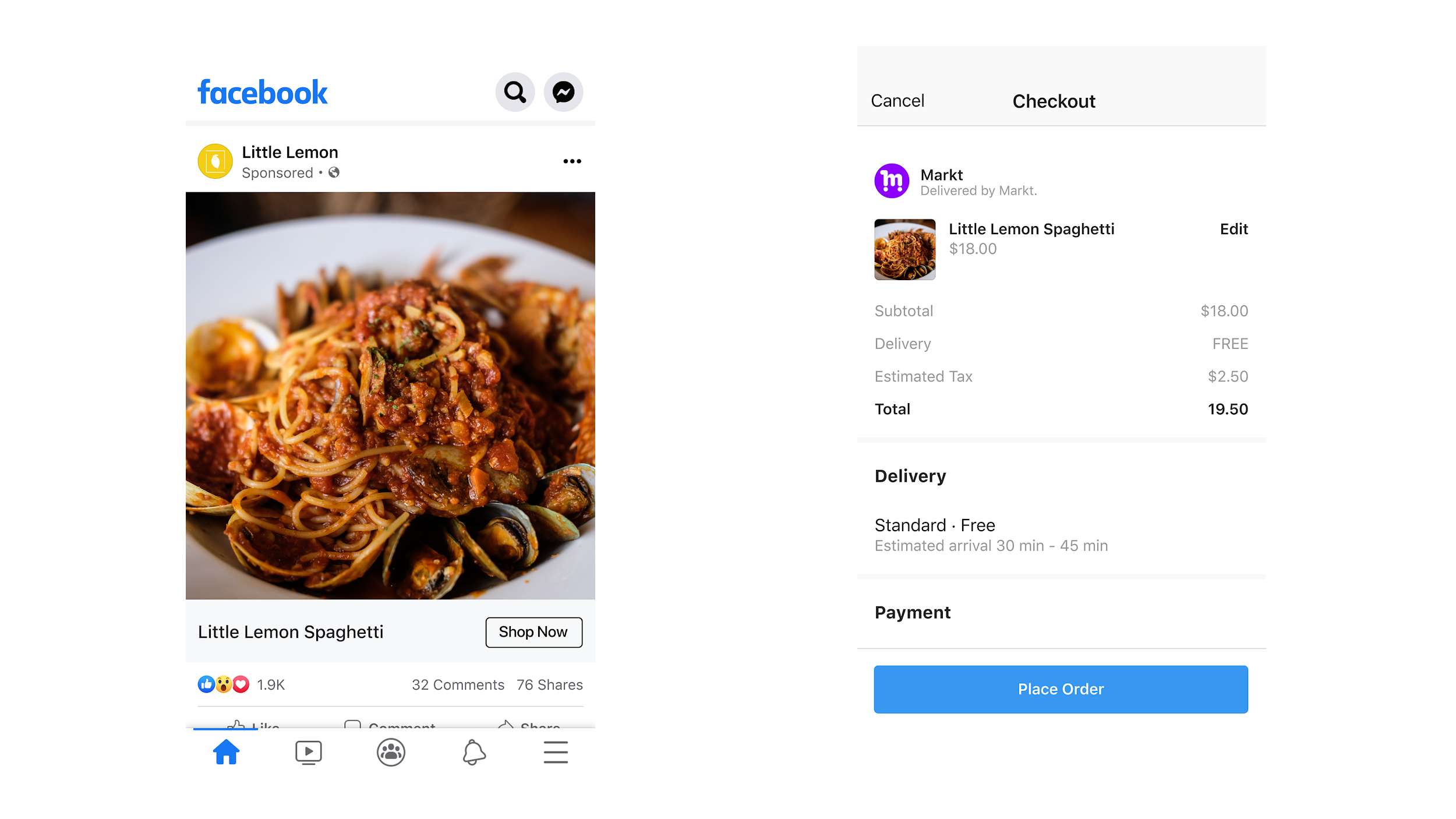
Concurrently, Meta launched the Creator Marketplace in the United States on an invite-only basis, providing a centralized dashboard within the Meta Business Suite for brands to discover, vet, and collaborate with digital influencers. This was paired with the global rollout of local delivery features for Collaborative Ads, enabling grocery and consumer packaged goods brands to connect local inventory directly with rapid delivery services.
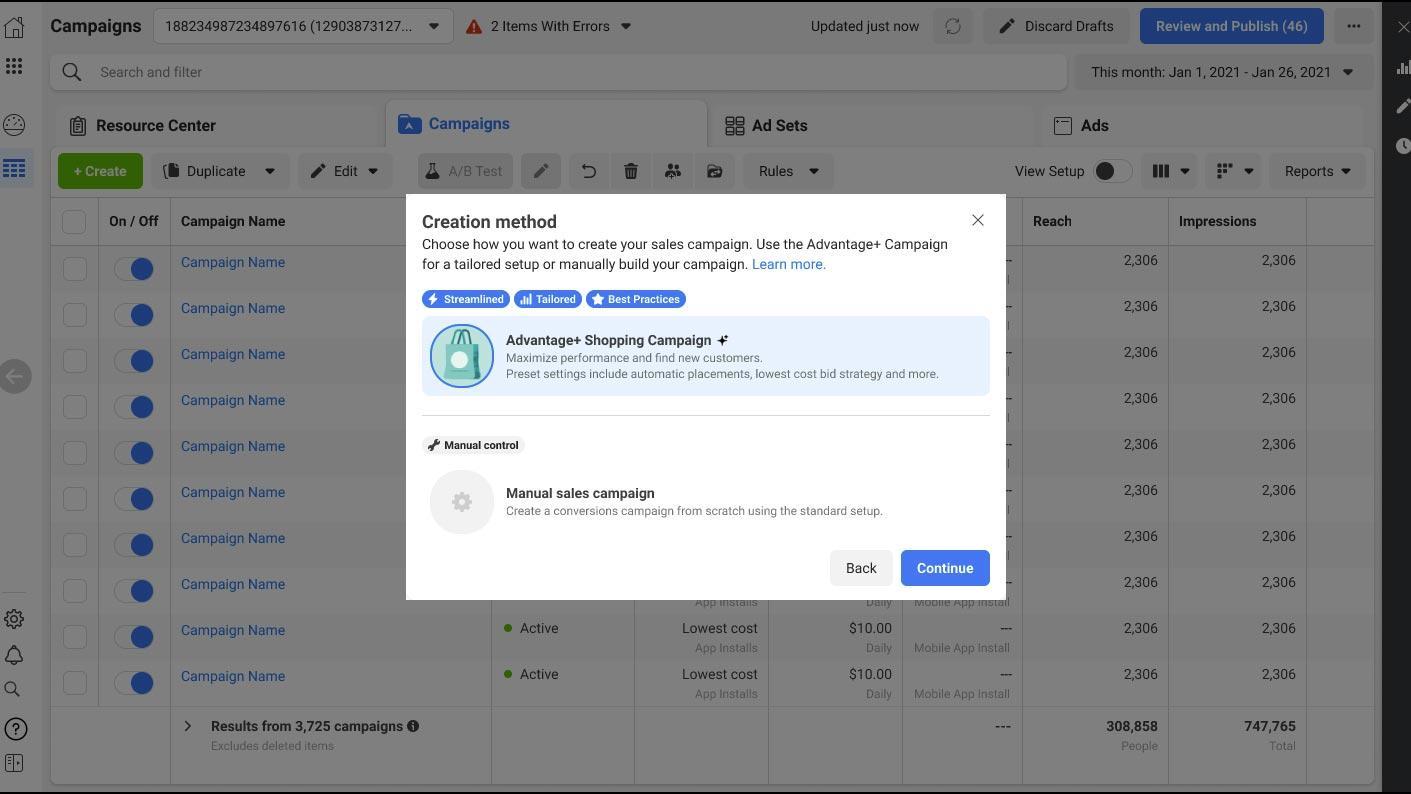
August 2022 brought the formal introduction of Advantage+ Shopping campaigns, leveraging machine learning to automate creative generation and split-testing across up to 150 variations simultaneously. Initial internal data shared by Meta indicated a 12% lower cost-per-purchase conversion rate compared to standard legacy campaigns in select A/B tests. However, the period also featured strategic contractions, most notably the announcement that Facebook Live Shopping would shut down on October 1, 2022, as consumer viewing preferences permanently favored asynchronous short-form content.

Q4 2022: Streamlining Content Management and Advertising Best Practices
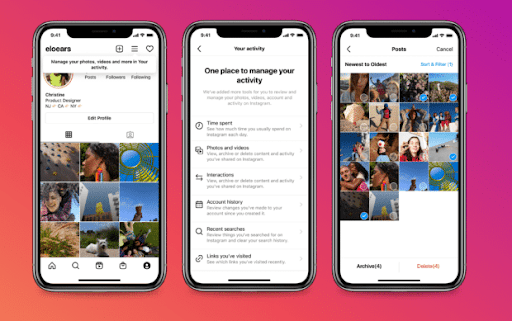
As the year drew to a close, Meta focused on user-level workflow efficiencies and institutional brand safety validation. In December 2022, Instagram introduced native content scheduling for Business and Creator accounts directly within its mobile application, allowing users to queue photos, carousels, and Reels up to 75 days in advance without relying on third-party software.
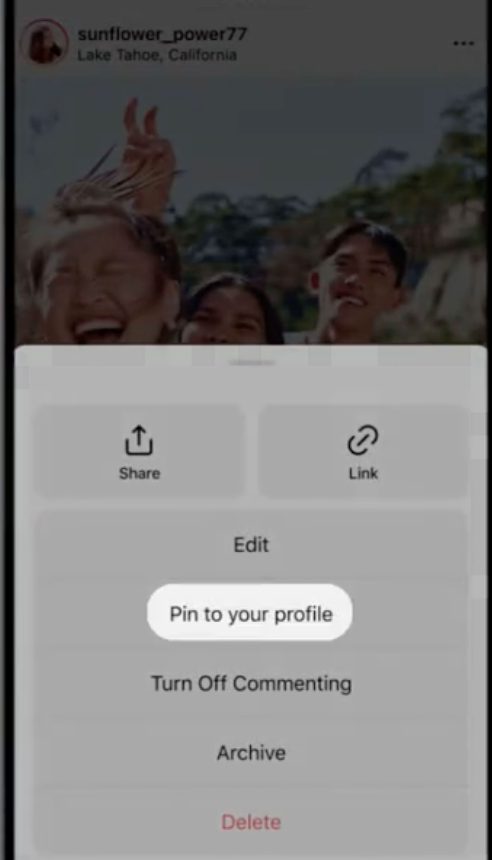
Further expanding creative expression, Instagram updated in-feed photo posts to support up to 90 seconds of embedded audio tracks, bridging the expressive gap between static imagery and video content. Furthermore, Meta achieved a critical compliance milestone in November 2022 when its content-level brand safety controls on Facebook received official accreditation from the Media Rating Council (MRC) following independent third-party audits.

Advertising Infrastructure and Automation
Meta’s advertising apparatus underwent a fundamental structural consolidation under the "Meta Advantage" suite. By grouping automated products into "Advantage" (automation applied to specific campaign elements) and "Advantage+" (fully automated end-to-end campaign creation), Meta sought to reduce manual configuration friction for small-to-medium-sized businesses (SMBs) while optimizing algorithmic delivery.
The rollout of the IP Reporting API and enhancements to Brand Rights Protection in late 2022 provided intellectual property holders with robust automated mechanisms to identify and report copyright infringements, counterfeit products, and unauthorized impersonations directly via Business Manager. Additionally, updates to B2B targeting parameters—allowing refined audience segmentation based on granular on-platform job titles and industry-specific interests—significantly narrowed the capability gap between Meta and professional networking platforms like LinkedIn.
Creator Economy and Monetization Frameworks
Recognizing the vital role content creators play in sustaining platform engagement, Meta extended its creator revenue-sharing protections. Mark Zuckerberg confirmed that revenue-sharing models across Badges, Subscriptions, and paid online events would remain un-monetized by the platform (meaning creators retained 100% of their earnings, excluding applicable taxes) through 2024.
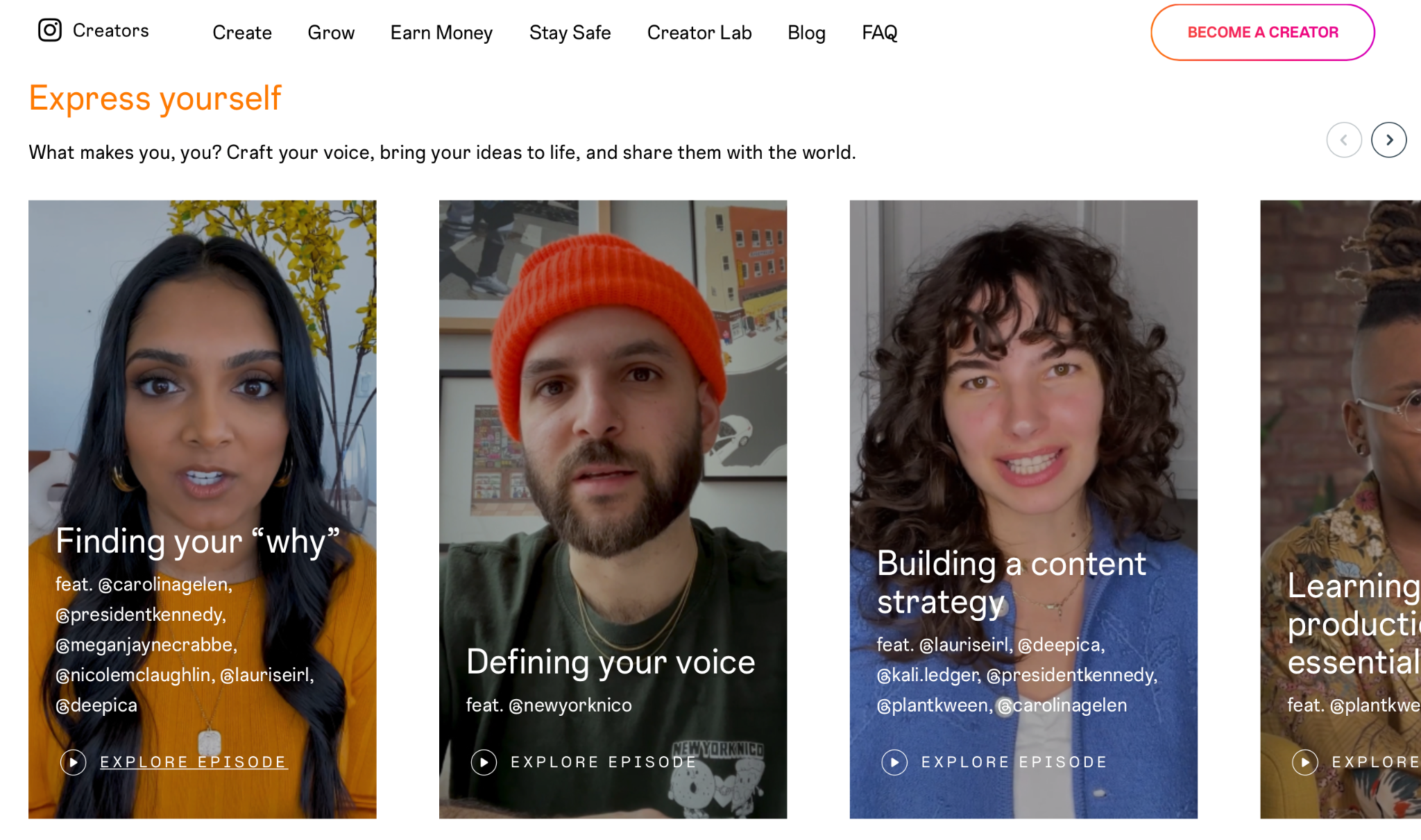
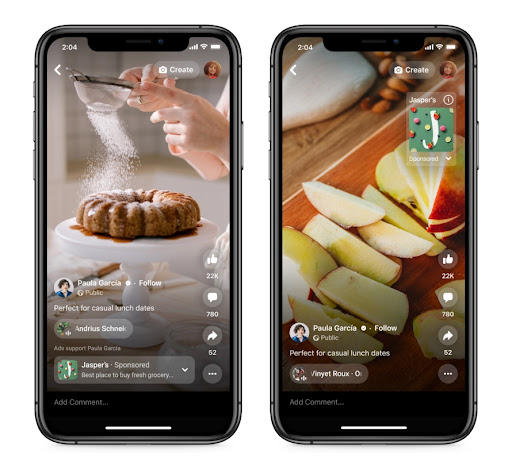
Furthermore, Meta expanded affiliate monetization testing, enabling creators to earn direct commissions by tagging and promoting partner products within native platform checkouts. The integration of subscriptions on Instagram—allowing creators to establish recurring monthly income streams in exchange for exclusive content and subscriber-only badges—mirrored successful deployment strategies previously tested on Facebook.
Implications and Outlook for Digital Marketers
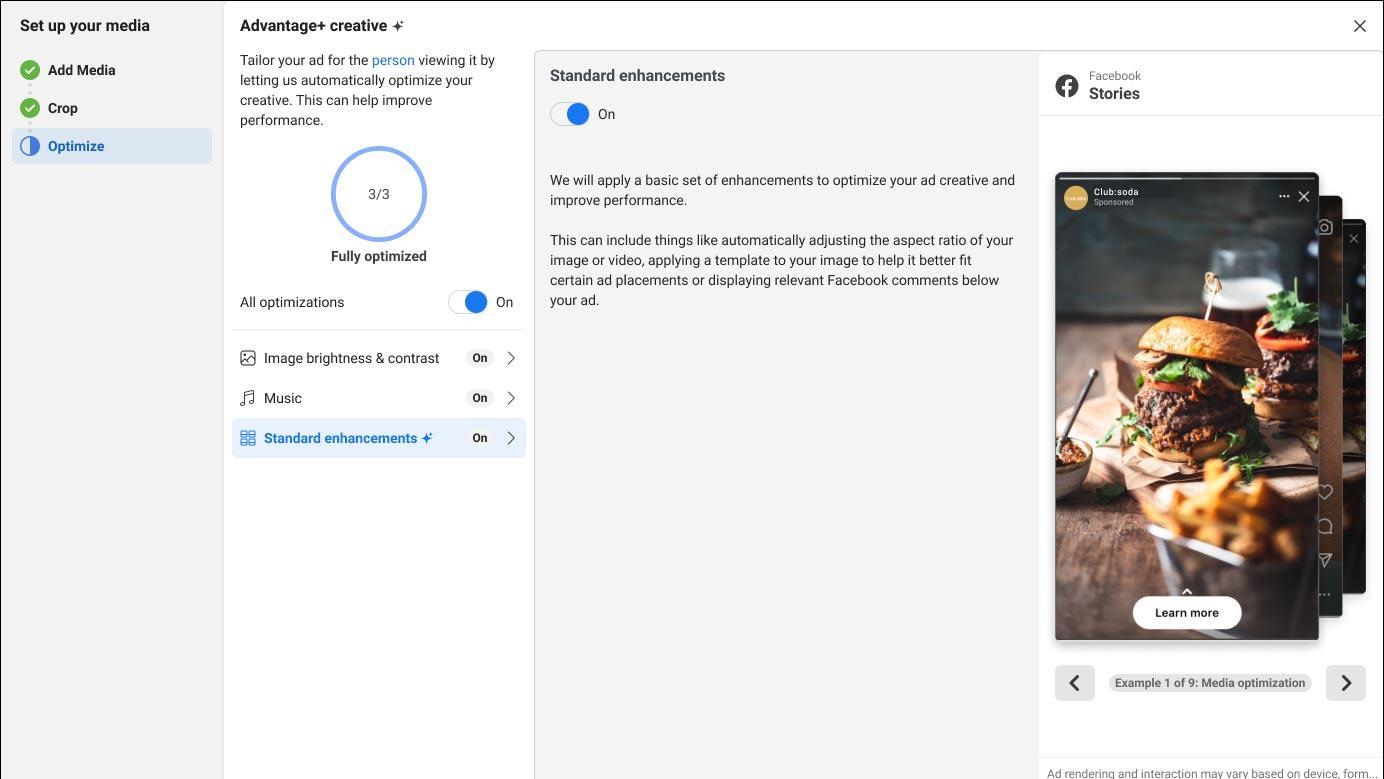
The cumulative adjustments implemented by Meta through the end of 2022 reflect a permanent shift toward algorithmic dependency and integrated platform ecosystems. For brands and digital advertisers operating in 2023, success increasingly requires relinquishing granular manual control in favor of machine learning-driven frameworks like Advantage+.
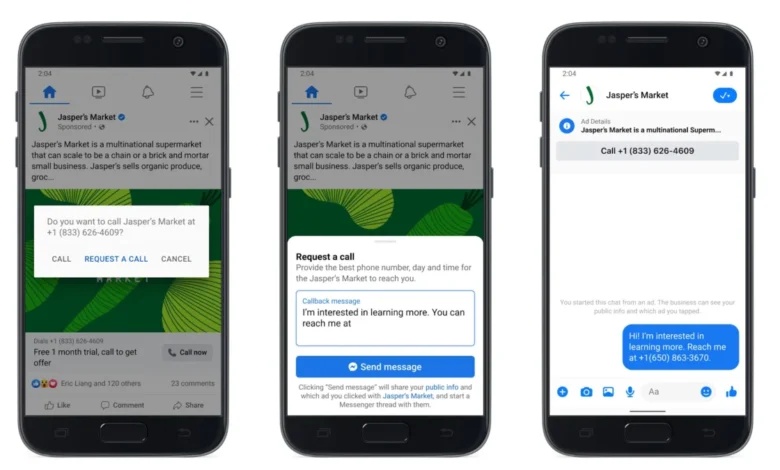
While privacy regulations such as Apple’s ATT have permanently altered attribution modeling, Meta’s investments in first-party data tools, conversational commerce via WhatsApp and Instagram DMs, and streamlined in-app checkouts provide alternative pathways for conversion. Industry analysts note that while adaptation to automated workflows demands a steeper initial learning curve for traditional media buyers, the long-term efficiency gains and reduced cost-per-acquisition metrics position Meta’s ecosystem as a resilient pillar of the digital marketing landscape.
Related posts: