The Strategic Evolution of Instagram Captions: Enhancing Digital Marketing Through Narrative and Engagement


While Instagram established its global dominance as a visual-first platform, the maturation of digital marketing has revealed that the image is merely the hook, while the caption serves as the line and sinker for consumer engagement. In the current social media landscape, where attention is a finite currency, brands are increasingly shifting their focus toward high-quality, long-form captions to drive meaningful interactions, brand loyalty, and direct sales. As the platform transitions further into a search-centric ecosystem, the text accompanying photos, videos, and Reels has become a critical component of search engine optimization (SEO) within the app, making the art of the Instagram caption a fundamental skill for modern marketers.

The Structural Foundation of Instagram Textual Content
Technically, an Instagram caption allows for up to 2,200 characters, providing ample space for storytelling, product descriptions, or community dialogue. However, the platform’s interface truncates text after approximately 125 characters, necessitating a "hook" that compels the user to tap the "more" button. This structural limitation has birthed a strategic approach to copywriting where the most vital information or the most provocative statement is front-loaded.
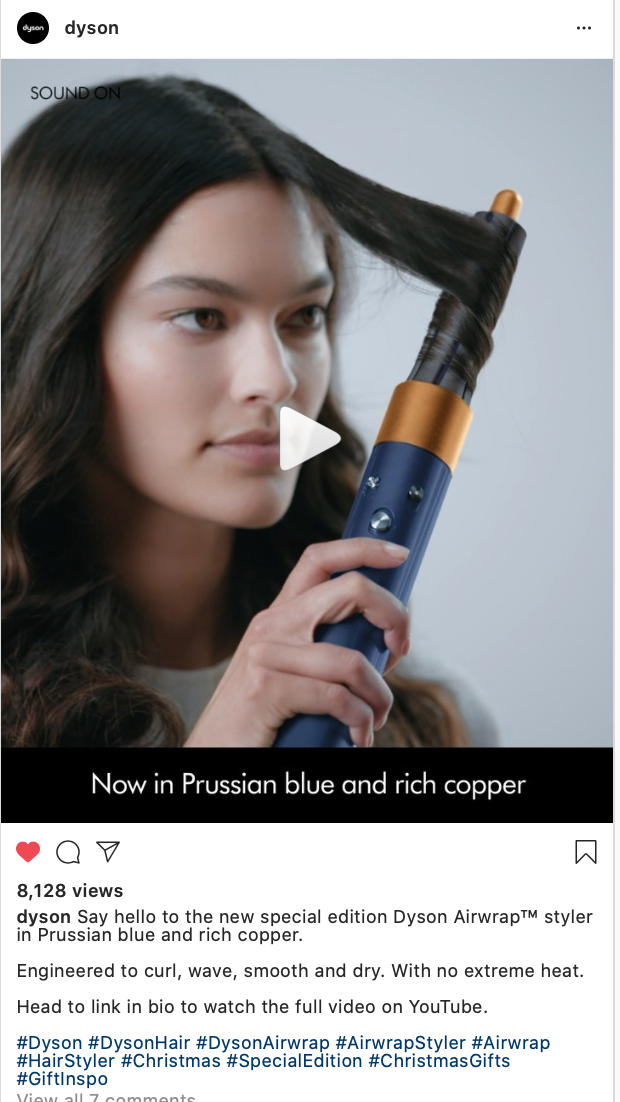
Within this 2,200-character limit, creators can integrate up to 30 hashtags and an array of emojis to convey tone and brand personality. Despite these generous limits, the absence of clickable hyperlinks remains a defining constraint of the Instagram caption. This limitation forces brands to utilize creative calls to action (CTAs), often directing traffic to a "link in bio" or utilizing the "link" sticker in accompanying Stories.

The Historical Shift from Aesthetics to Authenticity
To understand the current importance of the Instagram caption, one must look at the platform’s chronological evolution. In its 2010 inception, Instagram was a repository for filtered photography where text was often an afterthought—frequently limited to a single emoji or a brief location tag. By 2016, as the algorithm moved away from a chronological feed to an engagement-based one, the "dwell time" (the amount of time a user spends looking at a post) became a primary ranking signal.
This shift incentivized longer, more engaging captions. By 2020, the rise of "micro-blogging" on Instagram saw influencers and brands using the caption space to share vulnerable stories, educational tutorials, and political manifestos. Today, in 2024, the caption has evolved once more into a tool for "Social SEO." Instagram’s internal search engine now crawls captions for keywords, meaning a well-written description is the difference between a post being discovered by new audiences or remaining visible only to existing followers.

Data-Driven Insights into Caption Performance
Industry research consistently supports the transition toward more substantive text. An experiment conducted by social media management platform Hootsuite found that captions ranging between 400 and 705 characters significantly outperformed shorter snippets in terms of engagement. Specifically, these mid-to-long-form captions received more comments and shares, suggesting that users are more likely to interact when they are provided with context or a narrative.
Furthermore, data from various marketing analytics firms suggest that posts with at least one hashtag see an average of 12.6% more engagement than those without. However, the quality of these hashtags has become more important than quantity. While the limit is 30, current best practices suggest that 3 to 5 highly relevant, niche-specific hashtags are more effective for the current algorithm than "hashtag stuffing," which can trigger spam filters and reduce reach.
Categorical Strategies for Brand Voice
For brands looking to scale their content creation, the industry has identified several "sure-fire" caption categories that resonate with the platform’s diverse user base. These categories allow brands to maintain a consistent "Brand Voice" while adapting to seasonal trends or cultural moments.
- Short and Punchy: Ideal for high-impact visuals where the image speaks for itself. These are often used for product launches or high-fashion editorial content.
- Seasonal and Timely: Utilizing "Sweater weather" in the fall or "Here comes the sun" in the summer taps into the collective mood of the audience.
- The Sassy and Relatable: This style uses humor and wit to humanize a brand, making it feel like a friend rather than a corporation.
- Inspirational and Quoted: Leveraging timeless wisdom or pop culture references (such as Beatles lyrics or trending movie quotes) provides a sense of familiarity and shared culture.
Strategic Implementation: The "Thumb-Stopping" Technique
Writing the "perfect" caption requires a blend of psychology and marketing savvy. The primary goal is to be "thumb-stopping"—stopping a user mid-scroll. This is achieved by placing the value proposition at the very beginning. For instance, a food brand might start with, "The simplest 3-ingredient dinner you’ll make this week," rather than starting with a history of the ingredients. This immediately identifies the benefit to the reader.

Effective captions also rely heavily on pop culture integration. By referencing current events, trending music, or common cliches, brands can make their content feel fresh and relatable. For example, fashion retailers often use the transition of seasons to engage users in a dialogue about style aesthetics, such as "The leaves are falling, and this outfit is calling." This not only promotes a product but also invites the user into a specific, aspirational lifestyle.
Optimizing for Community Engagement
Unlike traditional advertising, social media marketing is a two-way street. A caption that does not invite a response is a missed opportunity. Engagement-boosting tactics include:
- Direct Questioning: Simple prompts like "Who agrees?" or "What’s your favorite pick?" jumpstart the comment section.
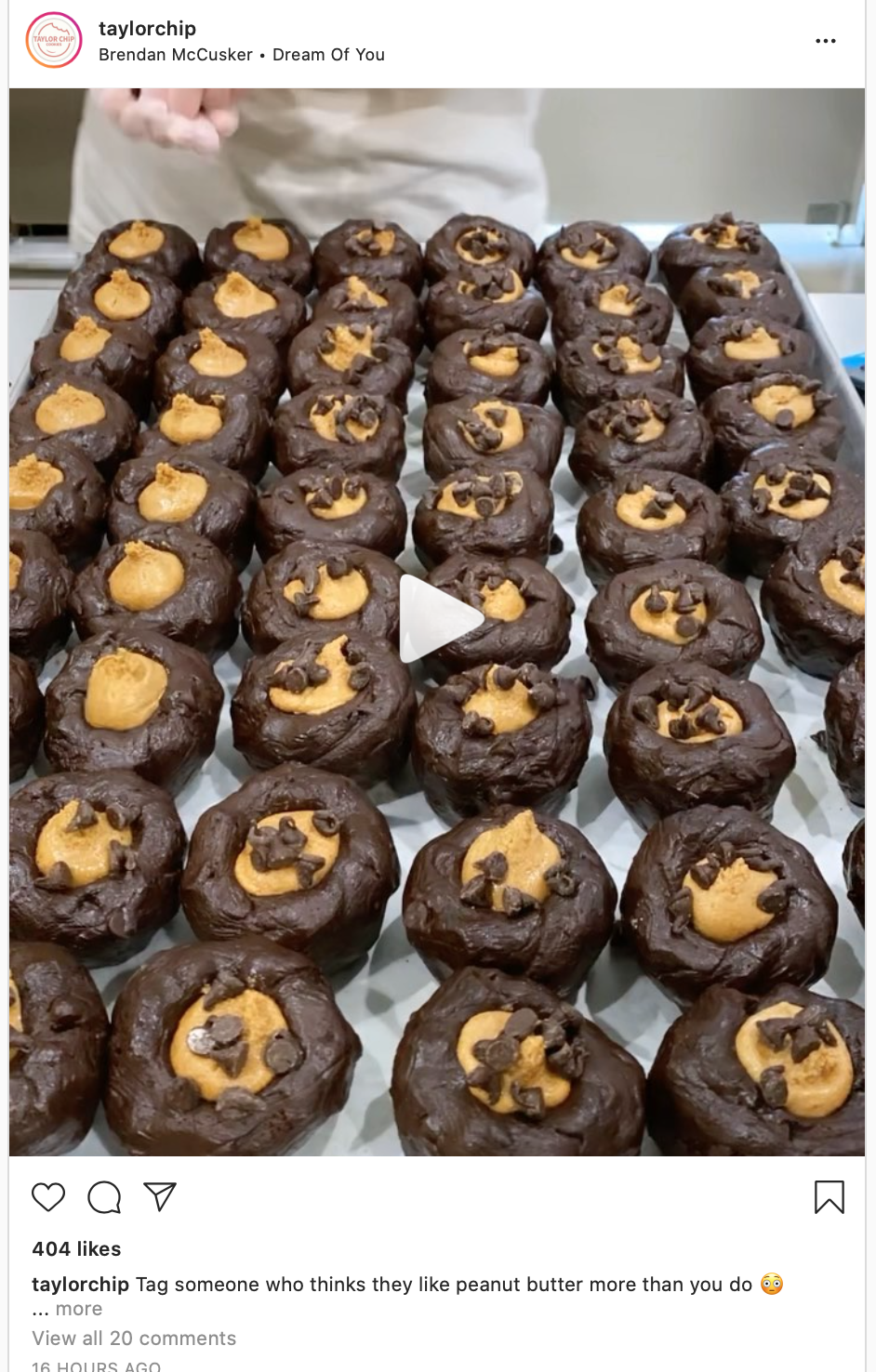
- The "Tag a Friend" Prompt: This strategy leverages the user’s own network to expand the post’s reach organically. When a cookie company asks users to "tag someone who loves peanut butter," they are essentially turning their followers into brand ambassadors.
- The Call to Action (CTA): For posts intended to drive revenue, the CTA must be clear and frictionless. Whether it is signing up for a workshop or visiting a sale page, the reader should know exactly what the next step is and what value they will receive from it.
Technical Proficiency and Formatting Best Practices
The visual presentation of text is as important as the content itself. Dense blocks of text are intimidating and often skipped. Successful marketers utilize "white space" by breaking captions into small paragraphs or using bullet points.
The "return" key is a vital tool for creating clean, readable sections. A common template involves a brief, high-impact opener, a blank line, a body of 2–3 sentences, another blank line, and finally, a block of hashtags. For brands seeking to further differentiate themselves, third-party font tools allow for the use of bold or italicized text, though these should be used sparingly to ensure accessibility for users with screen readers.

Furthermore, the ability to edit captions post-publication is a critical feature for correcting typos or updating information. While the "Edit" function on Instagram is easily accessible via the three-dot menu on any post, marketers should be aware that significant changes to a caption shortly after posting can sometimes impact how the algorithm initially categorizes the content.
Broader Impact and the Future of Social Copywriting
The implications of caption strategy extend far beyond individual likes and comments. In the broader context of digital commerce, the Instagram caption is a tool for building "brand equity"—the perceived value of a brand in the eyes of the consumer. Through meaningful storytelling, brands can move away from transactional relationships and toward community-based loyalty.

As we look toward the future, the integration of Artificial Intelligence (AI) in social media management is expected to play a significant role. AI tools can now analyze a brand’s past performance to suggest optimal caption lengths, keywords, and even the "sentiment" that resonates most with their specific demographic. However, the human element—the ability to be authentic, vulnerable, and genuinely funny—remains the most powerful asset in a marketer’s toolkit.
In conclusion, the Instagram caption is no longer a secondary component of a post; it is a sophisticated marketing instrument. By combining technical knowledge of character limits and SEO with the psychological nuances of storytelling and community engagement, brands can transform a simple photo into a powerful vehicle for growth. As the platform continues to evolve, the brands that master the art of the written word will be the ones that thrive in an increasingly crowded digital marketplace.