Buffer Unleashes Innovation During Third Annual Build Week Powered by Artificial Intelligence

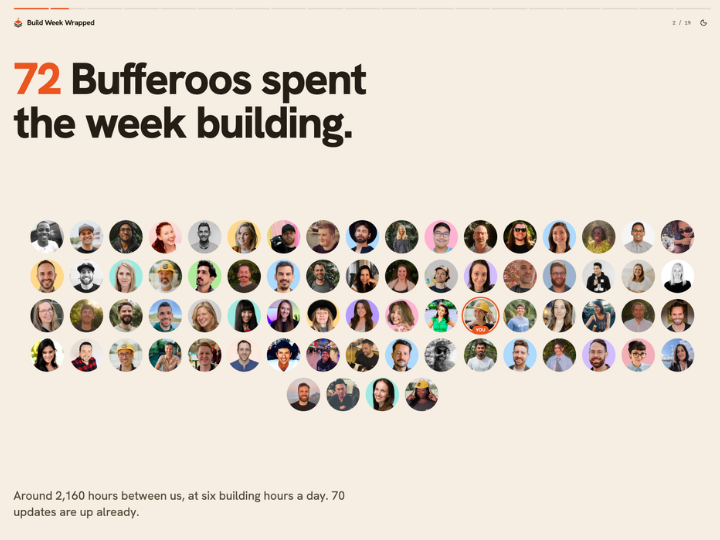
Last week, 72 employees at Buffer collectively halted their standard operational workflows to embark on the company’s third annual Build Week, an intensive, high-output event that resulted in the completion of 112 distinct projects. This year’s iteration marked a significant departure from previous methodologies, shifting from pre-determined, team-based assignments to an individualized model where participants leveraged generative artificial intelligence to drive personal innovation and project autonomy.

The event, which took place over five working days, transformed the company’s internal landscape. By the close of business on Friday, the initiative had yielded 57 new internal tools deployed across the company’s private domains, created by 41 unique contributors. The technical output was substantial, characterized by 1,083 pull requests merged across 26 distinct code repositories and 15 meaningful updates shipped directly into the organization’s core administrative product. Notably, the event served as a collaborative incubator, enabling six staff members to successfully merge their first-ever pull requests, underscoring the event’s dual purpose as both a production sprint and a professional development opportunity.
Evolution of the Build Week Model
The transition to an AI-assisted, decentralized structure represents a strategic pivot in how Buffer approaches organizational growth and internal problem-solving. In the inaugural and second years of the program, the company utilized a more rigid framework, where employees were clustered into pre-selected teams tasked with addressing top-down objectives.
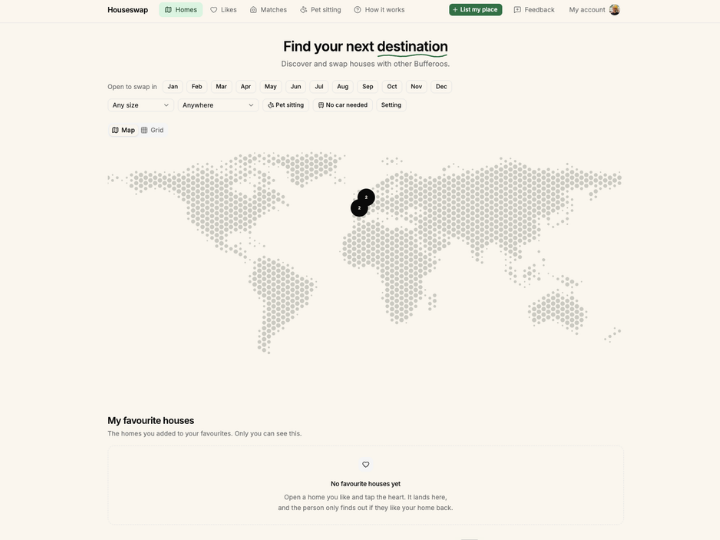
While the previous model ensured alignment with corporate goals, the 2026 iteration was designed to foster individual ownership and technical upskilling. By providing staff with access to advanced AI coding assistants, Buffer management sought to lower the barrier to entry for non-technical staff and accelerate the development velocity for seasoned engineers. This approach allowed participants to curate their own "learning paths," effectively democratizing the software development process. The result was a diverse array of outcomes ranging from high-level infrastructure improvements to creative, morale-boosting "side quests" that addressed long-standing minor pain points within the company.
Chronology and Operational Impact
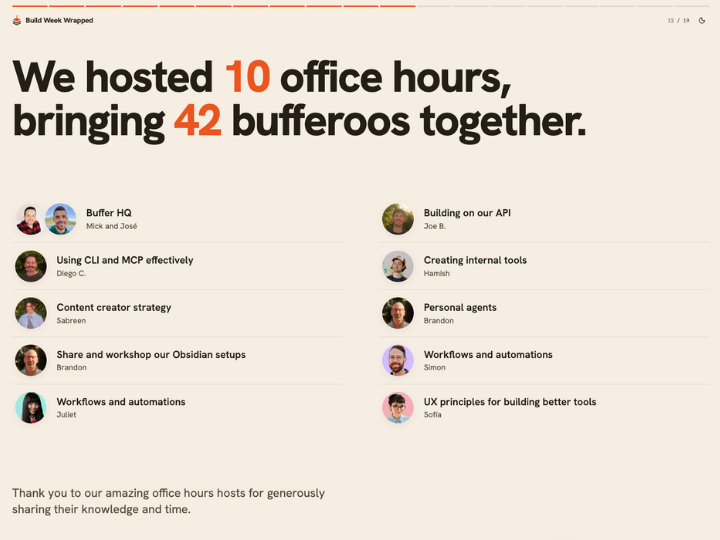
The week followed a structured, albeit fast-paced, progression designed to maximize momentum. Monday served as the "Ideation and Scoping" phase, where participants defined their project goals and established the necessary AI guardrails. Tuesday through Thursday were dedicated to the "Execution Sprint," characterized by rapid iteration and peer-to-peer knowledge sharing. Throughout these days, experts across the company were encouraged to act as consultants for those venturing into unfamiliar technical territories, effectively creating a decentralized mentorship network.
By the final day of the week, the sheer volume of output necessitated a streamlined review process. The 1,083 pull requests represent a significant spike in repository activity compared to standard operating weeks. This surge of activity was not limited to software engineering; it spanned operational documentation, design, and administrative tooling.
Categorical Analysis of Project Output
The projects completed during the week can be categorized into nine primary areas, reflecting the breadth of challenges the staff chose to address:
1. Operational Efficiency and Workflow Automation:
A primary focus was the elimination of redundant, weekly tasks. Several employees focused on automating reports that previously required manual data extraction. By deploying custom scripts, these individuals reduced hours of repetitive administrative labor into near-instantaneous automated processes.
2. Knowledge Management and Documentation:
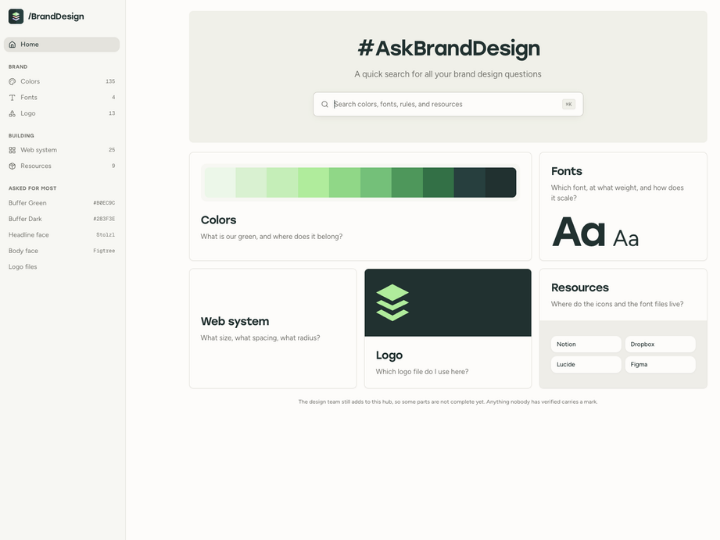
Recognizing the friction inherent in large, decentralized companies, several participants addressed the issue of stale documentation. New "Ask Design" interfaces and updated internal wikis were created, ensuring that tribal knowledge is now indexed and searchable, significantly reducing the time spent hunting for internal policy answers.
3. Financial and Resource Visibility:
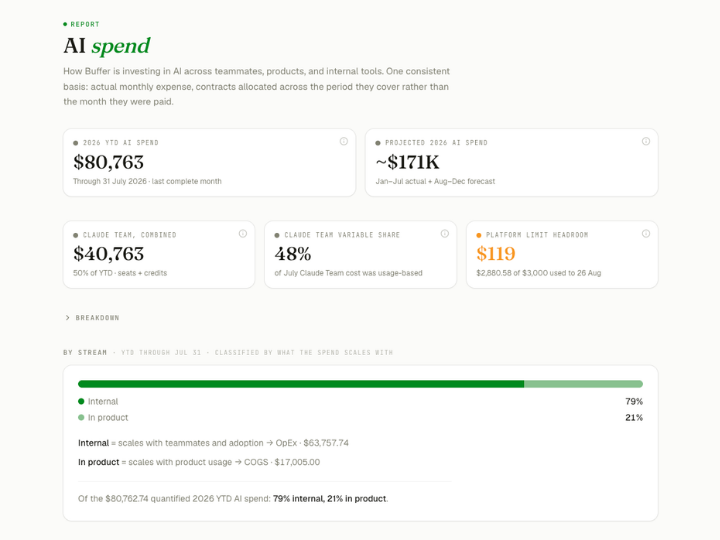
Data transparency emerged as a clear theme. Projects like the "AI Spend Dashboard" allowed the company to gain real-time visibility into the financial costs associated with their new AI-driven toolsets, providing a level of granular oversight that was previously unavailable to the finance and operations departments.
4. Product and Customer Experience:
Engineers and product managers used the week to address long-standing customer friction points. By analyzing historical support tickets, participants shipped 15 updates to the administrative product that directly mitigate common user frustrations, illustrating a proactive approach to product maintenance.
5. Employee Engagement and Culture:
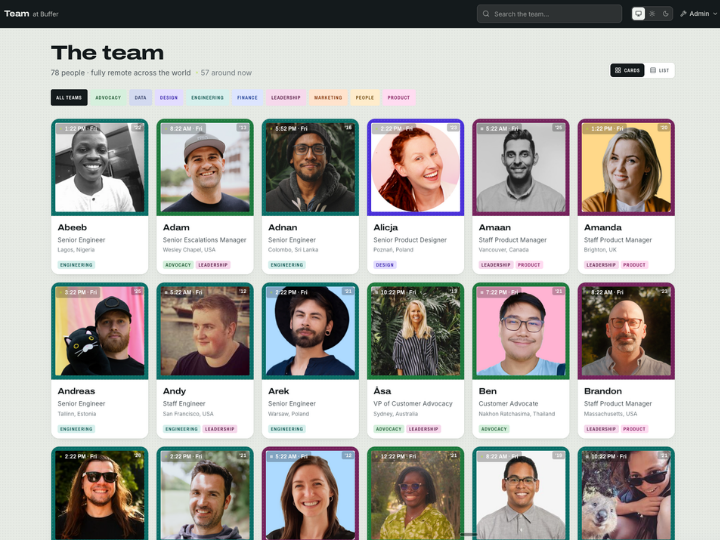
Recognizing the importance of company morale, several projects were categorized as "Just for Fun." These included tools like "Guess the Pets of Buffer" and various interactive internal games. While these projects may seem tangential to core business, they played a critical role in fostering cross-departmental collaboration and maintaining a cohesive culture in a remote-first work environment.
Strategic Implications and Future Outlook
The success of the third Build Week suggests that the integration of AI into internal development cycles is not merely a efficiency play, but a cultural catalyst. By empowering non-developers to build, and by allowing developers to work on passion projects, Buffer has effectively lowered the cost of experimentation.
Industry analysts observing this trend note that such events are becoming increasingly common among tech-forward firms aiming to mitigate "innovation debt"—the gradual accumulation of minor bugs and inefficient processes that hamper large organizations. By dedicating 72 people-weeks of effort to these tasks, Buffer has essentially "refactored" its internal operations in a way that would be prohibitively expensive to conduct through standard outsourcing or outside consultancy.
Furthermore, the data regarding first-time pull requests provides a clear metric for professional development. The company has successfully utilized this period to upskill its workforce, ensuring that even those without a traditional software engineering background are capable of contributing to the technical stack. This creates a more resilient, cross-functional team that is less dependent on specialized silos.
Official Stance and Next Steps
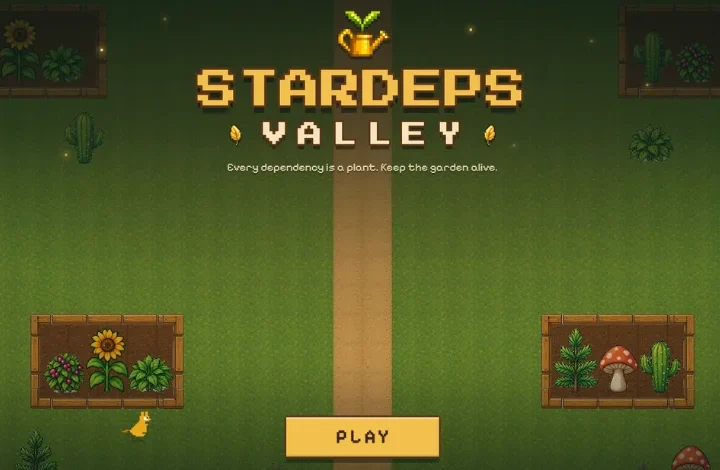
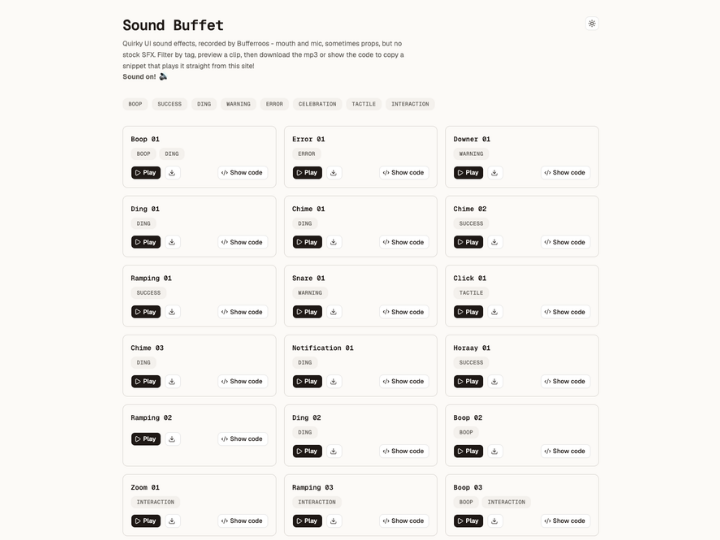
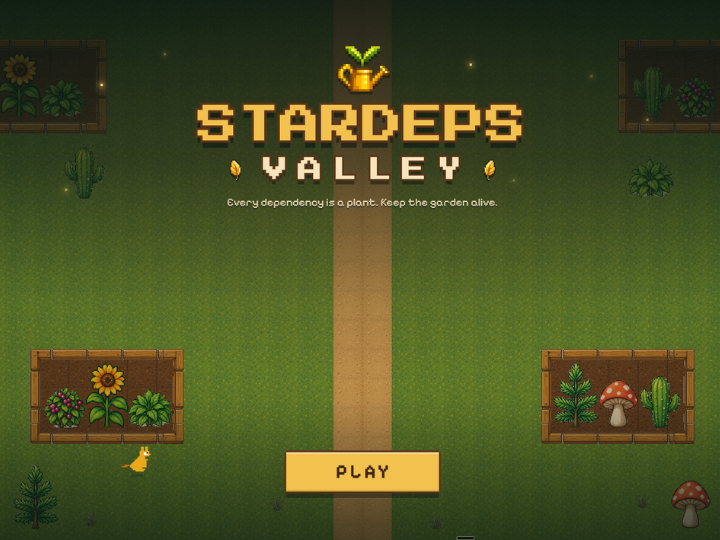
Management at Buffer has characterized the week as a "monumental" success, noting that the sheer diversity of the projects—from the "Sound Buffet" interactive tool to complex database management systems like "StarDeps Valley"—demonstrates a high degree of creative freedom among the staff.
Moving forward, the company has indicated that it will be providing further documentation on the lessons learned during this week. The objective is to identify which of the 57 internal tools warrant long-term maintenance and integration into the permanent infrastructure, and which served their purpose as ephemeral solutions to immediate problems.
As Buffer looks to the future, the integration of these projects into the daily workflow will be the next major test. While the excitement of the "Build Week" environment is high, the sustainability of these tools—ensuring they remain updated, secure, and compatible with the broader product ecosystem—will require continued investment.
For the broader tech industry, the Buffer case study serves as a proof-of-concept for how AI can be leveraged to flatten the hierarchy of production. When individual contributors are given the tools to build, the collective output is not just a sum of its parts, but a reflection of the organization’s most persistent, yet often ignored, challenges.
The company has invited the community to reach out with specific inquiries regarding the implementation of these projects. As they prepare to integrate these updates, the focus will remain on balancing the rapid, experimental nature of Build Week with the rigorous standards required of a platform serving over 200,000 creators and businesses. The event concludes, but the impact of these 112 projects is expected to resonate throughout the remainder of the fiscal year, providing a blueprint for future internal development cycles.