The Evolving Landscape of Paid Social in 2026
The digital advertising ecosystem has undergone significant transformations over the past twenty-four months. As economic pressures forced businesses to optimize their marketing expenditures, the demand for measurable ROI on social platforms reached an all-time high. The 2026 data suggests that Meta has successfully refined its internal auction and delivery algorithms, resulting in a more efficient marketplace for both small businesses and enterprise-level advertisers.
Historically, the tension between reach and cost has been a primary concern for digital marketers. However, the 2026 benchmarks highlight a unique convergence: traffic campaigns are becoming more cost-effective while simultaneously driving higher engagement levels. This development challenges the long-standing narrative that achieving broader reach necessitates a proportional increase in spending.
Traffic Campaigns: A Surge in Engagement
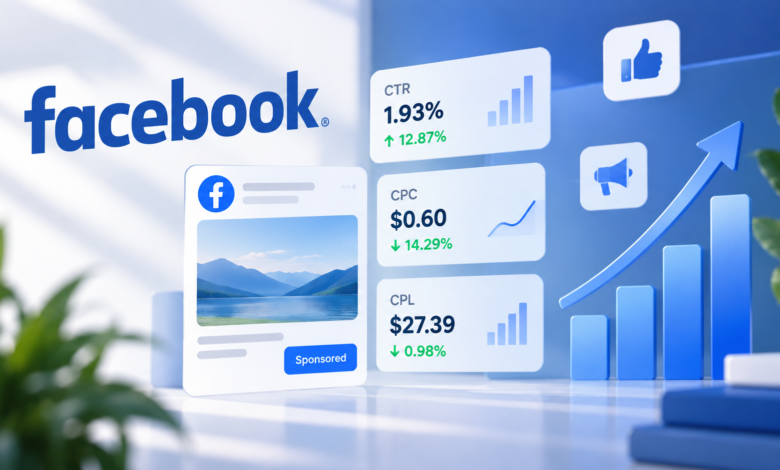
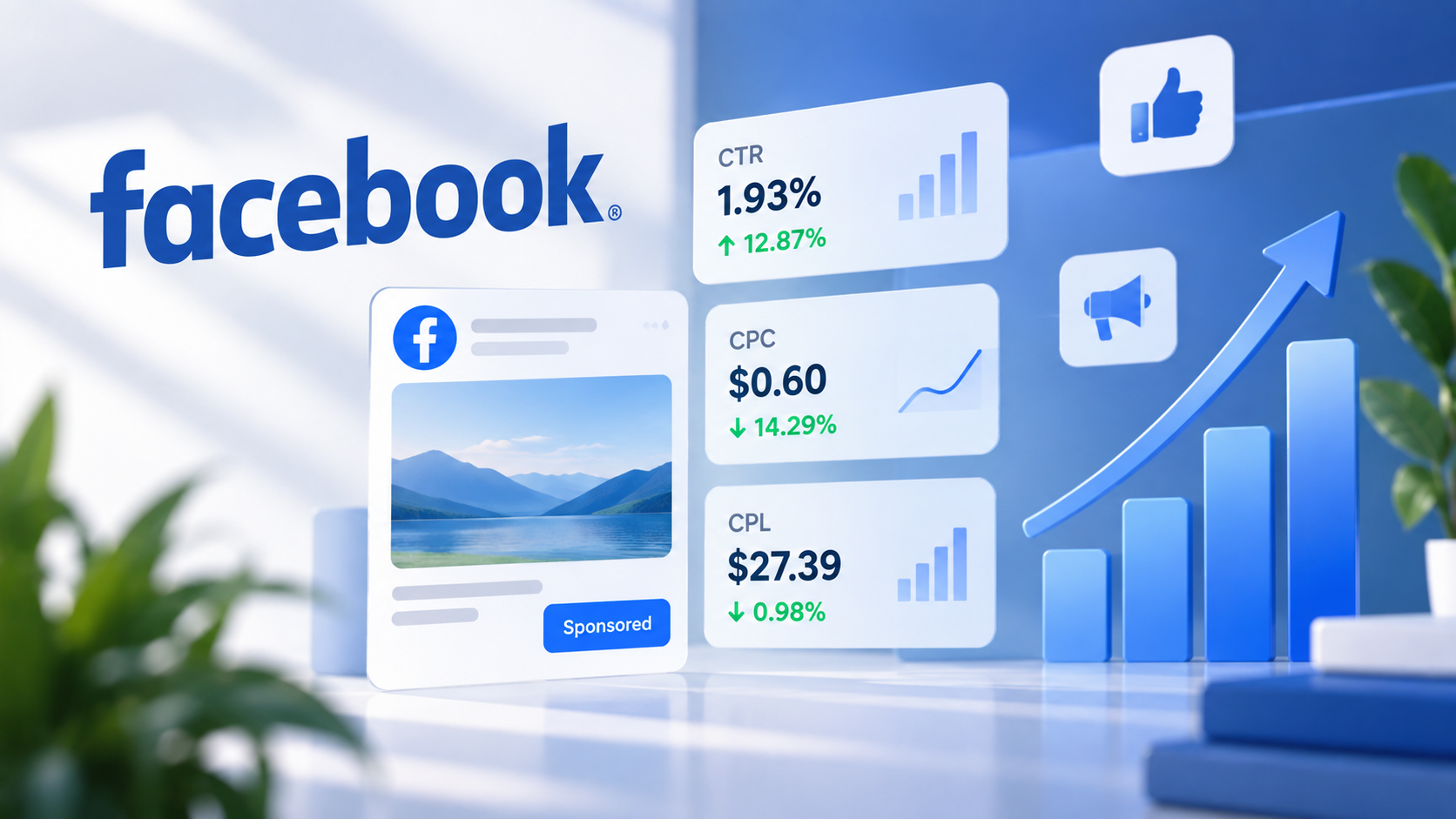
The report identifies a clear upward trajectory in the performance of traffic-focused campaigns. On average, advertisers saw a 14% reduction in CPC for traffic campaigns, coupled with a 13% improvement in click-through rates. This combination of lower costs and higher interest indicates that creative assets and audience targeting parameters are aligning more effectively with user intent.
Despite the broad decline in costs, the data reveals significant industry-specific variances. The retail sector experienced a challenging year, with "Shopping, Collectibles and Gifts" seeing a 73.53% increase in traffic CPCs. Similarly, the "Sports and Recreation" sector faced a 43.90% hike in costs. Analysts suggest these spikes may be attributed to heightened competition during specific seasonal cycles and a saturation of ad inventory within these high-volume verticals.
Conversely, sectors such as "Real Estate" and "Restaurants and Food" saw significant relief, with CPCs dropping by 39.56% and 37.50%, respectively. For these industries, the lower barrier to entry for traffic generation has allowed for more experimental creative strategies and increased testing of ad formats, including short-form video and carousel ads.
Analyzing Lead Generation Dynamics
While traffic campaigns focus on top-of-funnel awareness, lead generation remains the lifeblood of B2B and service-oriented businesses. The 2026 benchmarks for lead campaigns tell a story of stability. While CPL figures have remained largely flat, the underlying cost of clicks for these campaigns has decreased across the majority of industries.
"Automotive – For Sale" campaigns led the charge in efficiency, witnessing a 44.17% reduction in CPC. The dental and health sectors followed closely, with drops of 41.72% and 30.30%, respectively. This data implies that Meta’s machine learning models are becoming more adept at identifying high-intent users, thereby reducing the "wasted" spend that typically plagues lead-gen campaigns.

However, not all sectors enjoyed this trend. "Education and Instruction" saw a 4.24% increase in lead campaign CPCs, likely driven by a competitive surge in online learning enrollment. When examining the absolute cost of leads, the data shows a wide disparity. Industries like "Home Improvement" and "Professional Services" continue to face higher CPLs compared to more commoditized retail services. This is a reflection of the longer sales cycles and higher customer lifetime value associated with these sectors, which naturally command a higher price point in the digital auction.
The Strategic Shift: Meta vs. Google
A critical component of this year’s analysis is the comparison between Meta’s ad performance and that of Google Ads. For years, Google Search has been the gold standard for capturing high-intent traffic, albeit at a significantly higher cost. The 2026 benchmarks confirm that Google Ads CPC remains more than double that of Meta’s average CPC.
For marketing directors and CMOs, this gap represents a strategic opportunity. While Google continues to dominate in terms of immediate conversion intent, the efficiency gains within Meta’s ecosystem allow for a more robust top-of-funnel strategy. Advertisers are increasingly reallocating budgets to leverage Meta’s lower CPCs to fill their sales funnels, subsequently using retargeting efforts to drive final conversions. This multi-channel approach is becoming the standard operating procedure for mid-sized organizations looking to maximize their overall marketing budget.
Factors Driving Increased Efficiency
Industry experts point to several technical factors that may explain the improved efficiency observed in 2026. Meta’s continued investment in AI-driven bidding strategies, such as Advantage+ campaigns, has played a pivotal role. By automating the audience selection and placement process, the platform reduces the human error factor that often leads to inefficient spend.

Furthermore, the integration of generative AI in creative development has allowed advertisers to deploy more variations of ad copy and visual content, leading to higher engagement rates and better "quality scores" within the Meta algorithm. These quality scores are a significant factor in the auction, as they directly influence the cost advertisers pay for placement. As creative becomes more relevant to the target audience, the cost to serve those ads decreases.
Implications for Future Budgeting
The bottom line for the 2026 fiscal year is one of optimized performance. Advertisers are no longer forced to choose between the volume of traffic and the quality of leads. The data suggests that for a large portion of the market, the platform has reached a "sweet spot" where reach is cheaper and conversion performance is stable.
For businesses planning their 2027 budgets, the implications are clear:
- Prioritize Creative Diversity: Given that higher CTRs are leading to lower CPCs, the focus should remain on creating high-quality, relevant creative assets.
- Re-evaluate Funnel Allocation: With traffic-driving clicks becoming more affordable, there is a strong case for shifting a larger percentage of the social budget toward awareness and consideration campaigns to lower the overall Customer Acquisition Cost (CAC) in the long run.
- Monitor Industry-Specific Trends: As seen with the high CPCs in the retail sector, generic benchmarks can be misleading. Advertisers must cross-reference global data with their specific vertical performance to set realistic targets.
Conclusion
As the digital advertising industry moves further into the latter half of the decade, the stability of lead costs combined with the efficiency of traffic generation suggests a maturing marketplace. Meta’s platform, despite its challenges with privacy regulations and inventory volatility, remains a critical engine for growth. The 2026 benchmarks serve as both a validation of current algorithmic improvements and a roadmap for advertisers to refine their strategies. While the macroeconomic environment remains unpredictable, the data provides a compelling case for the continued relevance and potential for growth within the paid social channel. By leveraging the current efficiencies in cost and engagement, businesses are better positioned than they have been in recent years to scale their operations and achieve a more sustainable return on ad spend.