Target Appoints Former Hilton Executive Mark Weinstein as Chief Marketing and Guest Experience Officer

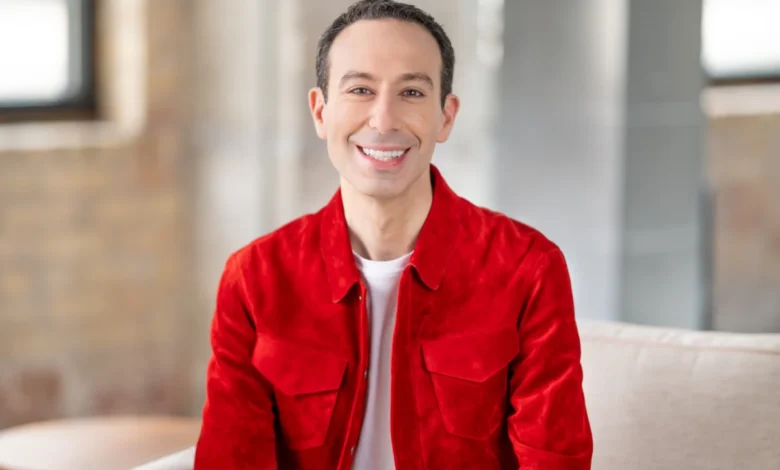
Target Corporation has officially appointed Mark Weinstein, a seasoned veteran of the hospitality industry, as its new Chief Marketing Officer and Chief Guest Experience Officer. This strategic leadership change, announced in the wake of Weinstein’s departure from Hilton Worldwide Holdings, marks a significant pivot for the Minneapolis-based retail giant as it seeks to reinvigorate its brand identity and deepen its connection with a shifting consumer demographic. Weinstein will report directly to Target CEO Michael Fiddelke, assuming responsibility for the retailer’s end-to-end marketing strategy and the holistic evolution of the shopping experience across its physical stores and digital platforms.
A Career Transition from Hospitality to Retail
Weinstein’s move to Target concludes a tenure of 16 years at Hilton, where he most recently served as the Chief Marketing Officer and head of luxury brands. During his time at the hospitality powerhouse, Weinstein was instrumental in overseeing the marketing efforts for all 28 of Hilton’s distinct brands. His work focused heavily on loyalty programs, digital personalization, and the cultivation of high-end guest experiences—competencies that Target leadership views as essential for the next phase of its retail growth.
The transition comes at a pivotal time for Target, which has spent the last several quarters navigating a volatile macroeconomic environment characterized by fluctuating consumer spending habits and heightened competition from discount giants and e-commerce rivals. By tapping a leader whose background is rooted in the service-heavy hospitality sector, Target is signaling an intentional shift toward prioritizing the "guest experience" as its primary competitive differentiator.
The Chronology of a Leadership Shift
The appointment of Weinstein follows a quiet but rapid transition period. On October 15, industry reports confirmed that Weinstein would be stepping down from his long-standing post at Hilton, effective immediately. By the following week, internal communications at Target confirmed his arrival in a newly consolidated role that combines marketing oversight with the broader guest experience portfolio.
For Target, this hire represents the culmination of a broader executive restructuring aimed at streamlining decision-making processes. By merging the CMO role with the Guest Experience function, Target is attempting to eliminate the silos that often separate brand messaging from operational execution. This structural alignment suggests that the company intends to ensure that every marketing campaign is backed by an equally robust, friction-free shopping journey, whether in the aisles of a brick-and-mortar store or within the Target mobile application.
Data-Driven Challenges in the Current Retail Landscape
Target’s recent fiscal performance provides the context for this high-profile hire. According to the company’s most recent quarterly earnings reports, Target has faced pressure to maintain sales momentum following a period of post-pandemic correction. In the second quarter of the current fiscal year, Target reported a modest increase in comparable sales, yet the company remains cautious about the outlook for the remainder of the year.
Data from the retail sector suggests that consumer sentiment has become increasingly bifurcated. While shoppers continue to seek value, there is a measurable trend toward "experience-based" retail, where consumers are less loyal to specific products and more loyal to brands that offer convenience, personalization, and a high-quality physical environment. Weinstein’s track record in managing loyalty programs at Hilton—a sector that relies heavily on repeat business and data-driven personalization—aligns with Target’s goal of optimizing its "Circle" loyalty program to drive higher conversion rates.
Industry analysts note that Target’s marketing spend, which typically accounts for a significant portion of its operating expenses, must now be deployed with higher precision. With the retail advertising market becoming increasingly fragmented due to the rise of retail media networks (RMNs), Target is in a strong position to leverage its own first-party data. Weinstein’s expertise in managing global brand portfolios will likely be deployed to refine how Target utilizes its data to create personalized offers that feel relevant to the individual shopper, rather than broad-based promotional campaigns.
Official Statements and Internal Perspectives
In a formal statement regarding the appointment, Target CEO Michael Fiddelke emphasized the importance of cultural fit and consumer insight. "Mark has a proven ability to understand what consumers value and turn those insights into brand connections that feel relevant and personal," Fiddelke stated. "His leadership will help us elevate the guest experience across every interaction with Target, ensuring that our brand promise is met at every touchpoint, from our digital platforms to our store floors."
While Hilton has not released an exhaustive statement regarding Weinstein’s departure, industry observers suggest the transition was amicable. During his 16-year tenure, Weinstein helped Hilton navigate the disruptive entry of home-sharing platforms and the digital transformation of the travel industry. His departure from Hilton is viewed by market analysts as a loss of institutional knowledge for the hotel group, but a significant "talent acquisition coup" for Target.
Broader Implications for the Retail Sector
The appointment of a hospitality executive to a top-tier retail role is reflective of a broader trend known as "retail-as-a-service." As the physical retail landscape continues to evolve, the distinction between shopping and service-based experiences is blurring. Target, which has long marketed itself as a "destination" rather than a mere necessity-driven retailer, is clearly looking to borrow from the hospitality industry’s playbook to improve its store-level engagement.
One of the primary implications of this move is the potential for a renewed focus on store design and customer service training. In the hospitality sector, the "guest experience" is the product; in retail, it is often a secondary concern to inventory management and supply chain logistics. By placing Weinstein in charge of both, Target is indicating that it wants to treat its shoppers with the same level of white-glove attention that a premium hotel chain offers its guests.
Furthermore, this appointment may signal an acceleration in Target’s digital strategy. Weinstein’s success at Hilton was deeply tied to the integration of mobile technology into the guest journey—such as digital key access and personalized app experiences. Integrating these "high-touch" digital features into the Target experience could provide the retailer with a necessary edge in an environment where consumers increasingly expect an omnichannel experience that is both seamless and anticipatory of their needs.
Future Outlook and Strategic Goals
Looking ahead, the market will be watching to see how Weinstein balances the immediate need for sales growth with the long-term objective of brand building. The retail environment is notoriously difficult for executives moving from other sectors, as the cadence of retail—driven by weekly inventory cycles and seasonal promotions—is significantly faster than the hospitality industry.
However, if Weinstein can successfully translate his expertise in building emotional connections with luxury and mid-market travelers to the mass-market retail consumer, Target could see a substantial improvement in its brand equity. The company’s focus on its private-label brands, which have been a major driver of recent growth, will likely be a primary beneficiary of Weinstein’s marketing strategy. By positioning these brands not just as low-cost alternatives but as lifestyle choices, Target may be able to capture a larger share of wallet from the value-conscious yet style-seeking shopper.
As Weinstein begins his tenure, he faces the task of harmonizing Target’s vast, multi-category operations into a cohesive narrative. With the holiday shopping season approaching—a critical period for any major retailer—the industry will be closely monitoring his initial strategic pivots. His ability to hit the ground running, particularly in managing the marketing complexities of Target’s high-traffic digital platforms, will likely determine the success of this high-profile executive transition.
Ultimately, the appointment of Mark Weinstein is a testament to Target’s ambition to transcend the traditional boundaries of discount retail. By investing in leadership that prioritizes the psychology of the consumer and the quality of the service experience, Target is setting the stage for a transformation that aims to make the "Target Run" more than just a chore, but an engaging, personalized, and efficient experience that keeps customers returning in an increasingly crowded marketplace. Whether this shift will yield the desired competitive advantage remains to be seen, but the intent to lead through experience, rather than price alone, is now clearly articulated at the highest levels of the organization.