
The modern ecommerce landscape faces an increasingly complex challenge as return rates continue to climb, threatening the thin margins that define online retail success. According to the 2025 Retail Returns Landscape report published by the National Retail Federation (NRF) and Happy Returns, the return rate for online orders has reached 19.3%, significantly outpacing the 15.8% average observed across all retail channels. This disparity highlights a critical vulnerability in digital storefronts: a lack of physical interaction between the consumer and the product, which often leads to misaligned expectations and logistical friction. While many merchants reflexively respond to high return rates by tightening policies or overhauling logistics, industry experts argue that the solution lies in a data-driven diagnostic approach.
The Financial Imperative of Return Mitigation
The economic implications of these return rates are profound. Industry analysts and executives, including the leadership at major logistics firms like Narvar, have noted that a 50% reduction in ecommerce returns could bolster net profitability by as much as 25%. This is not merely a matter of saving on shipping costs; it is a fundamental preservation of customer lifetime value and operational efficiency. When a product is returned, the business loses the original shipping cost, incurs the expense of reverse logistics, faces potential inventory devaluation, and risks losing the customer’s future loyalty.
For many retailers, the cycle of returns begins long before the transaction is finalized. The failure to provide adequate product information, size guides, or high-fidelity visual representations creates a vacuum of uncertainty. When consumers feel unsure about a product’s dimensions, compatibility, or quality, they often purchase multiple versions or units with the intent to return the items that do not meet their needs. This "bracketing" behavior has become a standard consumer practice, forcing merchants to reconsider how they present product data to reduce the necessity for post-purchase returns.

Chronology of a Return: Analyzing the Data Trail
A comprehensive analysis of returns requires a granular view of the customer journey, starting from the product detail page (PDP) and ending with the final disposition of the returned item. In most ecommerce ecosystems, such as WooCommerce, the data necessary to identify these patterns is already being collected. The critical step is the transition from passive observation to active analysis.
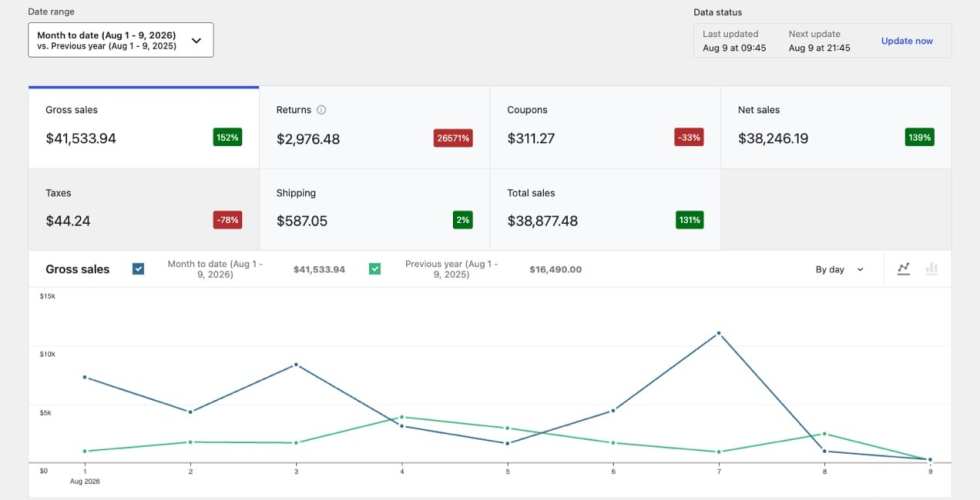
Historically, merchants have treated returns as a static cost of doing business. However, contemporary best practices involve a systematic audit of the "Revenue Report" within analytics dashboards. By filtering data by product SKU and time range, merchants can identify "hot spots"—products that consistently trigger higher-than-average return rates.
Chronologically, the emergence of a return pattern often correlates with specific business shifts. For instance, a spike in returns frequently follows a change in supply chain partners, a revision of packaging materials, or a modification in product pricing. If a specific SKU shows a surge in returns following the introduction of a new supplier, the data points directly to a potential quality control issue. If the returns remain constant but high, the issue is likely rooted in inaccurate or insufficient product descriptions.
Addressing Product-Specific Friction Points
The "why" behind a return is rarely contained within the raw numbers; it requires qualitative input from the consumer. When a customer initiates a return, it serves as a primary data point for organizational improvement. Savvy retailers have begun implementing short, optional surveys at the point of return to categorize the reason: was the item damaged, did it not fit, or did it fail to meet the expectations set by the marketing collateral?
For technical products, the root cause is frequently a "knowledge gap." Customers often return items because of compatibility issues—power requirements, software specifications, or hardware dimensions that were omitted from the product page. Manufacturers provide these specifications in technical manuals, yet they are frequently absent from the public-facing storefront. Bridging this gap requires a proactive audit of product pages. By cross-referencing return reasons with the content on the PDP, merchants can determine if they have failed to answer the customer’s most pressing questions.
Leveraging Automation to Curb Return Abuse
While the majority of returns are driven by legitimate product or expectation friction, a subset of returns stems from policy abuse. Serial returners—customers who purchase items with the intent to use them once and return them, or those who manipulate return policies to gain unfair advantage—can disproportionately erode profits.
To mitigate this without manual intervention, platforms like WooCommerce allow for the integration of tools like AutomateWoo. By establishing automated workflows, merchants can set "trigger" thresholds. For example, if a customer exceeds a specific number of returns within a 90-day window, the system can automatically flag the account for review or trigger a notification to the support team. This enables a surgical response: the merchant can reach out to the customer to offer assistance or, in cases of confirmed abuse, restrict future returns or impose restocking fees. This targeted approach preserves the customer experience for honest shoppers while creating a deterrent for those attempting to exploit the system.
Strategic Policy Differentiation
One of the most persistent myths in ecommerce is that a return policy must be a "one-size-fits-all" document. In reality, modern retailers are moving toward modular, product-specific return policies. A high-value, fragile electronic item may require a different return process—or a stricter policy—than a low-cost, durable household item.

By segmenting policies, retailers can protect their margins while maintaining customer trust. For instance, a merchant might offer free, expedited returns for items that were received damaged, while requiring a return shipping fee for items returned due to "buyer’s remorse" or incorrect sizing. When updating these policies, the communication strategy is paramount. Retailers are encouraged to use transparent, positive language, framing policy updates as an effort to improve the overall shopping experience and ensure product quality.
Broader Implications and Future Outlook
The broader implication for the retail sector is a shift toward "informed commerce." As return rates become a key performance indicator (KPI) on par with conversion rates and average order value, the focus of digital marketing and product management is changing. The goal is no longer just to sell; it is to ensure the right product reaches the right customer.
The data suggests that the retailers who thrive in the coming decade will be those who treat returns as a feedback loop. By integrating data from fulfillment centers, customer support tickets, and sales reports, merchants can create a comprehensive view of their operational health. The findings from this data should inform everything from the copy on a landing page to the selection of a third-party logistics provider.
In conclusion, the path to reducing ecommerce returns is not found in more restrictive policies or aggressive legal stances, but in the intelligent application of data. By identifying the root causes of returns, automating the detection of policy abuse, and refining the information presented on product pages, retailers can build a more sustainable and profitable model. The evidence is clear: when a merchant stops guessing and starts analyzing, the returns data becomes a blueprint for a more efficient, customer-centric, and ultimately more profitable business. The process is continuous, requiring quarterly reviews and constant adaptation, but the result is a significant competitive advantage in an increasingly crowded digital marketplace.