How Net-a-Porter Staged a High-End Comeback by Listening to Its Most Demanding Shoppers

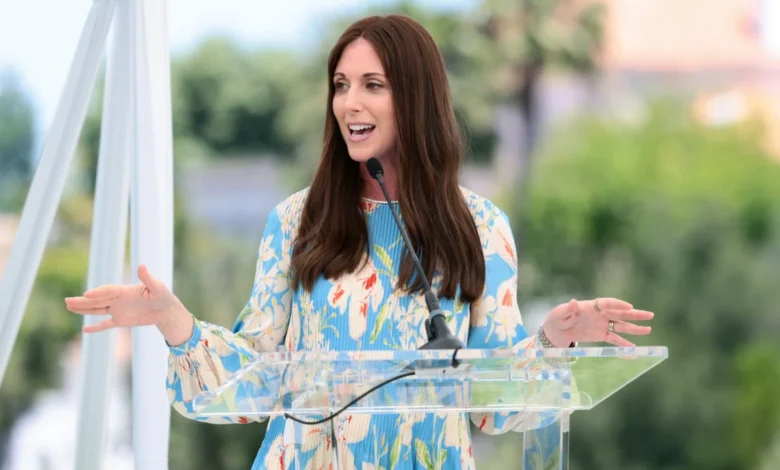
Luxury e-commerce pioneer Net-a-Porter is mounting a formidable industry comeback, fueled by an unorthodox corporate strategy: turning hyper-critical customer complaints into a master blueprint for operational reform. Since stepping into the leadership role in April 2025, Managing Director and CEO Heather Kaminetsky has embarked on an aggressive listening tour, fundamentally altering how the high-end retailer interacts with its most valuable clientele. Rather than relying solely on internal market research or automated algorithmic trends, Kaminetsky has made herself directly accessible to shoppers, asking a deceptively simple question at every turn: How can we do better?
The results of this customer-centric pivot are already tangible, reflected not only in revised return policies and expanded regional services, but also in a measurable financial resurgence. For an online luxury sector that has faced post-pandemic headwinds, shifting consumer behaviors, and fierce competition from rival platforms, Net-a-Porter’s aggressive focus on personal touch and operational refinement offers a compelling case study in modern retail rehabilitation.
Unprecedented Access and the Power of the Core 4 Percent
To understand the mechanics of Net-a-Porter’s turnaround, one must examine the concentration of its revenue base. According to industry data highlighted in recent reports, approximately 4 percent of Net-a-Porter’s shoppers account for nearly half of the platform’s total sales. Recognizing the disproportionate impact of this elite cohort, Kaminetsky adopted a remarkably direct approach shortly after taking the helm. She began sending personalized emails directly to top-tier clients, introducing herself and soliciting unfiltered, honest critiques of their shopping experiences.
This direct-line strategy broke down traditional corporate barriers between an executive suite and the end consumer. High-net-worth shoppers, accustomed to standard automated customer service tiers, suddenly found themselves in direct dialogue with the company’s chief executive. Eager to contribute, these customers did not hold back. They offered granular, highly specific feedback spanning every facet of the Net-a-Porter ecosystem, from the digital browsing experience to the final doorstep delivery.
Shoppers called for a broader curation blending established heritage fashion houses with burgeoning, avant-garde independent designers. They requested deeper, more nuanced personalization from dedicated personal shoppers who understand their unique wardrobes and lifestyles. Furthermore, they scrutinized logistics, demanding more accurate package tracking, a drastically simplified returns process, and even aesthetic upgrades to the delivery drivers’ wardrobes, arguing that the people representing the brand at their homes should project a polished image matching the luxury goods inside the boxes.
Translating Critique into Tangible Operational Overhauls
While listening to high-spending clients is one thing, executing on their hyper-specific demands requires operational agility. Kaminetsky’s administration systematically evaluated the deluge of feedback, separating the visionary ideas from the impractical ones. (A proposal for private jet deliveries was politely categorized as unrealistic). Many other suggestions, however, were swiftly implemented, transforming routine pain points into seamless luxury touchpoints.
Among the most impactful changes was the revamping of the returns process. Recognizing that printing return labels at home was a friction point for busy consumers, Net-a-Porter began including pre-printed return labels directly inside every outgoing package, entirely eliminating the need for customers to manage forms or find a printer.
Logistical details that might seem minor to mass-market retailers were given rigorous attention. Delivery drivers, previously permitted to wear standard dark clothing, were outfitted in standardized, professional uniforms to elevate the physical handover of luxury goods. Geographic service gaps were also aggressively closed. After affluent clients spending their summers at the Jersey Shore questioned why same-day delivery was readily available in the Hamptons but absent across the water, Kaminetsky and her logistics team expanded the premium delivery footprint to accommodate the Shore’s seasonal luxury demographic.
The relentless commitment to client satisfaction occasionally crossed into old-school concierge service. When a prominent shopper desperately sought a sold-out pair of Khaite’s half-calf leopard-print pants—items that had vanished from inventory globally—Kaminetsky personally contacted the designer brand’s chief executive. Her persistence paid off, resulting in the creation of a one-off pair manufactured specifically for that individual customer. This level of bespoke accommodation bridges the gap between digital e-commerce and the high-touch exclusivity of traditional brick-and-mortar flagship boutiques.
Chronology of a Career and the Genesis of the Turnaround
Kaminetsky’s intimate understanding of the luxury consumer is rooted in a deep, multi-decade career within the fashion and retail sectors. Her history with Net-a-Porter is long-standing; she first joined the company in October 2013 as vice president of marketing for the Americas. During her initial three-year tenure, she helped solidify the platform’s dominance in the Western Hemisphere before departing in 2016 to hone her expertise at other prominent retail and direct-to-consumer enterprises, including Mytheresa and footwear brand M.Gemi.
When she returned to spearhead Net-a-Porter in 2025, she immediately identified a critical corporate objective: identifying and winning back high-value customers who had drifted away from the platform over the preceding years. The luxury e-commerce landscape had grown crowded, and retaining discerning shoppers required more than just a wide inventory selection; it demanded emotional resonance and community.
To rebuild this emotional connection, Kaminetsky expanded beyond digital correspondence and infused physical, experiential community-building back into the brand’s strategy. Over the past year, Net-a-Porter dramatically ramped up its calendar of exclusive designer events and intimate gatherings—staging more in-person experiences in a single year than it had in the previous three years combined. These events brought customers and company executives together for informal fireside chats and previews. True to her philosophy of accessibility, Kaminetsky routinely distributed her direct contact information at these gatherings, inviting attendees to reach out with ongoing commentary and critiques.
Financial Indicators and the Metrics of Success
The strategic shift toward radical customer attentiveness has not merely improved customer satisfaction scores; it has fundamentally revitalized Net-a-Porter’s bottom line. Financial metrics from recent corporate reporting indicate that the platform is staging a robust, quantifiable recovery.
For the quarter ending June 30, Net-a-Porter’s overall revenue climbed 4.3 percent year-over-year. This growth was anchored by an impressive surge in the United States market, where revenues jumped by more than 13 percent. Furthermore, the platform’s average order value (AOV) climbed to $1,016, marking a significant 9 percent increase over the course of a single 12-month period. These figures suggest that while the total volume of transactions is climbing, the platform is successfully capturing higher-value baskets from affluent consumers who are willing to invest more per purchase when they feel uniquely valued and understood.
Broader Implications for the Digital Luxury Market
Net-a-Porter’s current trajectory offers broader strategic insights for the broader digital luxury and retail sectors. As artificial intelligence and automated customer service chat interfaces increasingly dominate mainstream e-commerce, high-net-worth consumers are placing a higher premium on human connection, bespoke attention, and genuine responsiveness.
By treating customer complaints not as operational failures to be minimized, but as a roadmap for product and service differentiation, Net-a-Porter has demonstrated that listening is a high-yield business investment. The company’s turnaround underscores a vital retail axiom: in the upper echelons of luxury commerce, the distance between customer retention and churn is often bridged by how willing leadership is to pick up the phone, listen closely, and act decisively on what they hear. As Kaminetsky continues to steer the retailer forward, the success of her methodology suggests that the future of online luxury belongs to brands that treat every critique as an opportunity for reinvention.