Mastering Instagram Captions: A Comprehensive Guide for Brands and Content Creators


While Instagram remains fundamentally a visual-first platform where photos, videos, and Reels drive the initial user experience, the text accompanying these assets plays a critical role in overall marketing success. Unlike platforms such as Facebook, LinkedIn, or X (formerly Twitter), which permit text-only updates, Instagram requires visual media for every standard post. However, industry analysts and social media strategists increasingly emphasize that captions are not merely an afterthought; they are an indispensable component of effective digital marketing, audience building, and consumer conversion.
In the competitive landscape of social media, robust captions provide essential context, foster genuine brand-consumer relationships through storytelling, and significantly expand organic reach. Whether an organization aims to raise brand awareness, attract new followers, boost engagement metrics, or directly influence sales pipelines, crafting thoughtful, strategic captions is mandatory. This comprehensive analysis explores the mechanics of Instagram captions, provides data-driven writing strategies, examines optimal technical formatting, and offers a curated selection of messaging templates designed to elevate digital campaigns.

Anatomy of an Instagram Caption: Parameters and Technical Limits
On Instagram, a caption functions as the written descriptive text accompanying a photograph, video, or Reel. Platform specifications permit up to 2,200 characters per caption, incorporating a blend of standard text, emojis, and hashtags. A crucial technical limitation remains the inability to include clickable hyperlinks directly within the body of a caption—a restriction that shifts the strategic focus toward directing traffic to the account’s bio link or utilizing platform-specific features like Instagram Stories and direct messaging funnels.
Within this 2,200-character allowance, creators possess considerable flexibility regarding length. While brief, punchy statements often capture immediate attention, extensive research into social media engagement demonstrates that longer, narrative-driven captions frequently outperform minimal text when structured correctly. A widely cited study conducted by Hootsuite analyzed engagement rates relative to caption length and discovered that posts featuring captions between 400 and 705 characters consistently achieved higher overall engagement compared to micro-captions under 65 characters. This data suggests that audiences appreciate additional context, behind-the-scenes insights, and narrative depth when evaluating brand content.

Strategic Framework for Writing High-Performing Captions
Developing captions that consistently drive business outcomes requires a structured approach to copywriting. Social media managers utilize several foundational principles to maximize visibility, reader retention, and audience interaction.
Starting Strong with Thumb-Stopping Hooks

Because users consume social media feeds at a rapid pace, the initial words of a caption must compel the reader to pause. Industry professionals refer to this as achieving a "thumb-stopping" effect. A primary technique involves placing the core value proposition directly at the beginning of the text. By front-loading the most compelling information or answering the user’s implicit question immediately, brands increase the likelihood that readers will click the "more" button to reveal the full text and subsequently engage with the accompanying Call to Action (CTA).
For example, positioning a relatable seasonal problem—such as finding quick, family-friendly weeknight dinners during the busy autumn months—at the very top of a post immediately hooks time-conscious consumers. This introductory hook establishes relevance before transitioning into the detailed body of the message.
Leveraging Pop Culture and Cultural Relevance
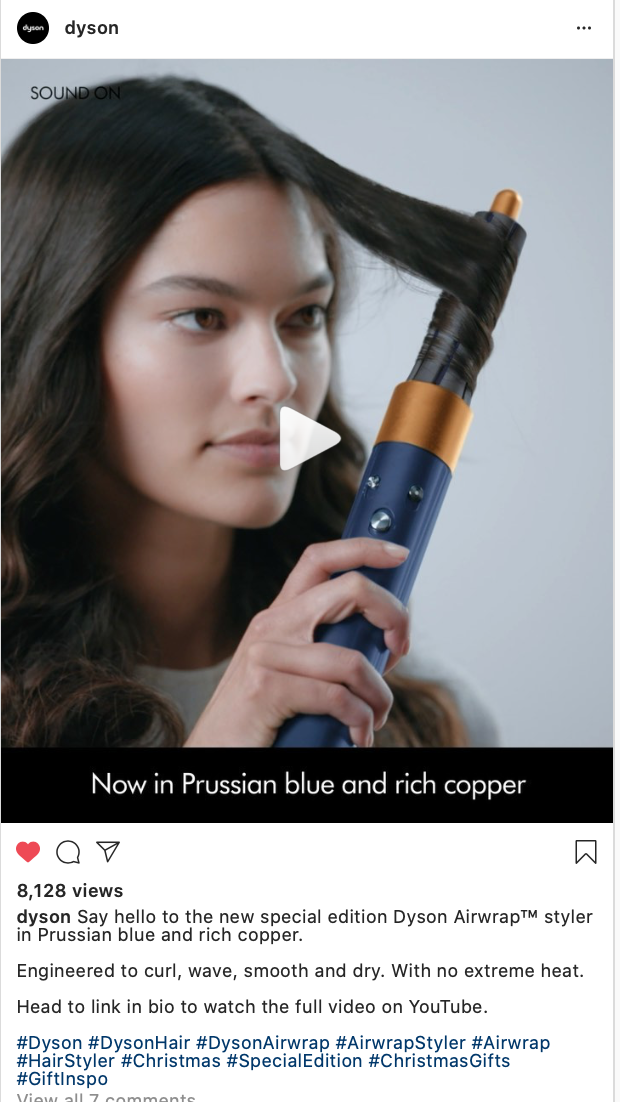
Incorporating timely references, widely recognized idioms, or subtle pop culture nods serves as an effective mechanism for humanizing corporate accounts. When brands integrate familiar cultural touchstones into their copy, the content feels inherently more approachable, timely, and shareable. Whether referencing seasonal shifts, viral internet moments, or classic cinematic and musical quotes, these elements provide instant context that resonates deeply with target demographics.
Optimizing Hashtags for Organic Discovery
Hashtags continue to function as vital indexation tools within the Instagram ecosystem, enabling content to surface in feeds managed by the platform’s recommendation algorithms. While Instagram permits up to 30 hashtags per post, digital marketing best practices advise against hashtag stuffing, recommending a curated selection instead.
Effective hashtag strategy relies on diversification. Brands should rotate their hashtag portfolios across posts to maximize exposure across multiple keyword feeds. A balanced approach typically combines branded hashtags (unique to the company or campaign), seasonal or temporal hashtags (tied to current holidays or events), interest-based tags (targeting specific niche communities), and location-based tags when geographic relevance applies. This multifaceted approach ensures steady discovery by both existing followers and prospective audiences.
Driving Meaningful Engagement
Because direct outbound links are restricted within standard post captions, maximizing on-platform engagement is essential for algorithmic visibility. The Instagram algorithm prioritizes content that generates rapid interactions—such as likes, saves, shares, and comments—pushing those posts higher into user feeds.
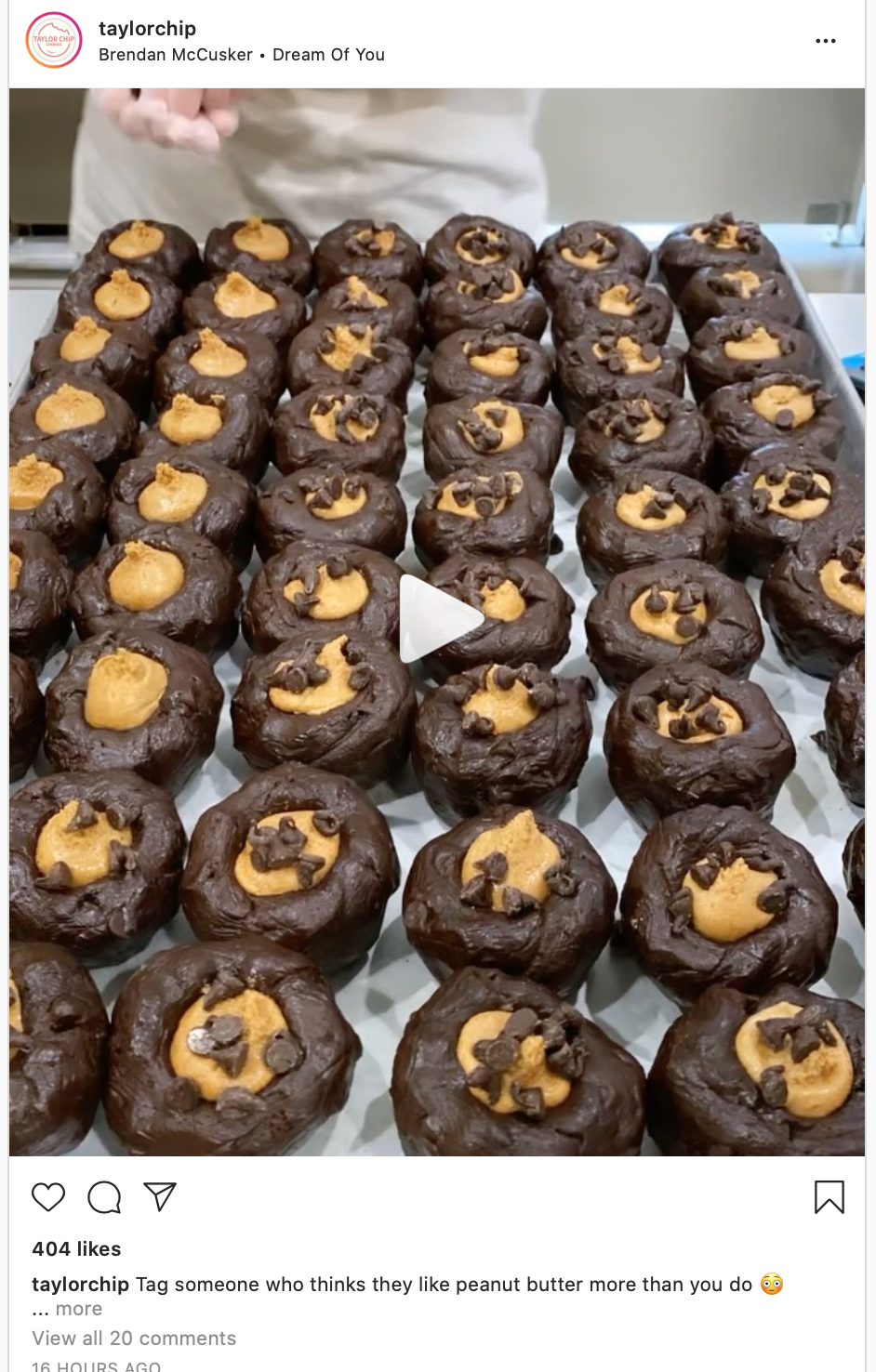
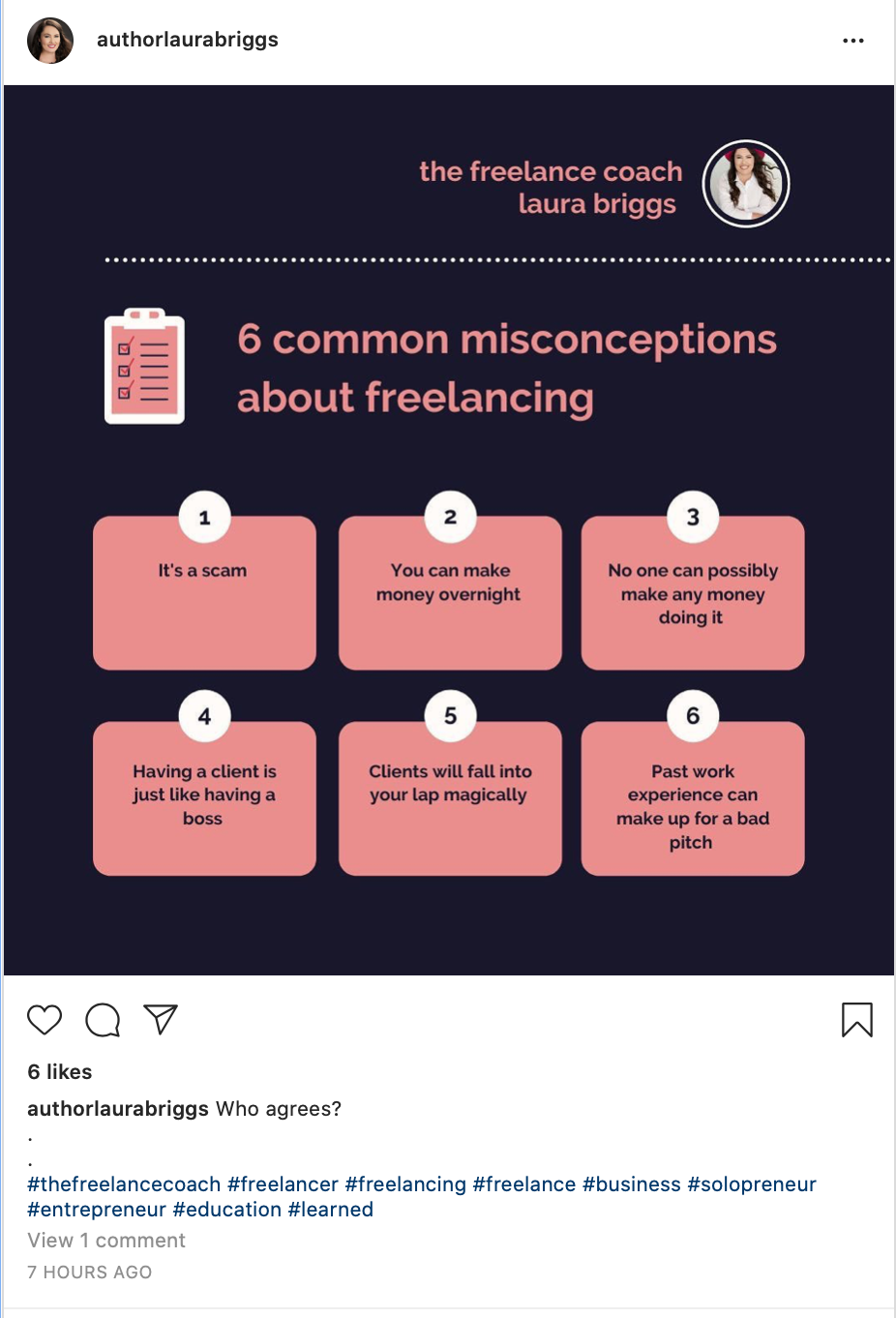
To stimulate interaction, marketers frequently employ specific engagement tactics. Asking direct, low-friction questions—such as "Who agrees?" or prompting users to choose between two options—lowers the barrier to commenting. Another proven tactic, when used sparingly to avoid audience fatigue, is encouraging users to tag friends in the comments section. When executed alongside visually appealing content, peer-to-peer tagging significantly expands organic reach and frequently translates into direct conversion opportunities.
Incorporating Clear and Actionable CTAs
While high engagement rates validate community interest, commercial accounts ultimately operate to drive business objectives such as event registrations, lead generation, or product purchases. Consequently, every promotional post should feature a clear, unmistakable Call to Action.

An effective CTA provides precise instructions on what the user should do next, establishes a clear value exchange, and removes friction in the user journey. For instance, when promoting a seasonal workshop or product drop, the caption should explicitly state the date, time, location or access link, and the specific benefit the attendee or buyer will receive. Breaking up dense text blocks with clean line spacing and relevant emojis ensures the instructions remain scannable and visually appealing.
Technical Best Practices: Formatting and Editing
Beyond copywriting, the visual presentation of text on a screen heavily influences readability. Mastering technical formatting ensures that meticulously crafted messages are not obscured by poor layout.

Structuring Paragraphs for Readability
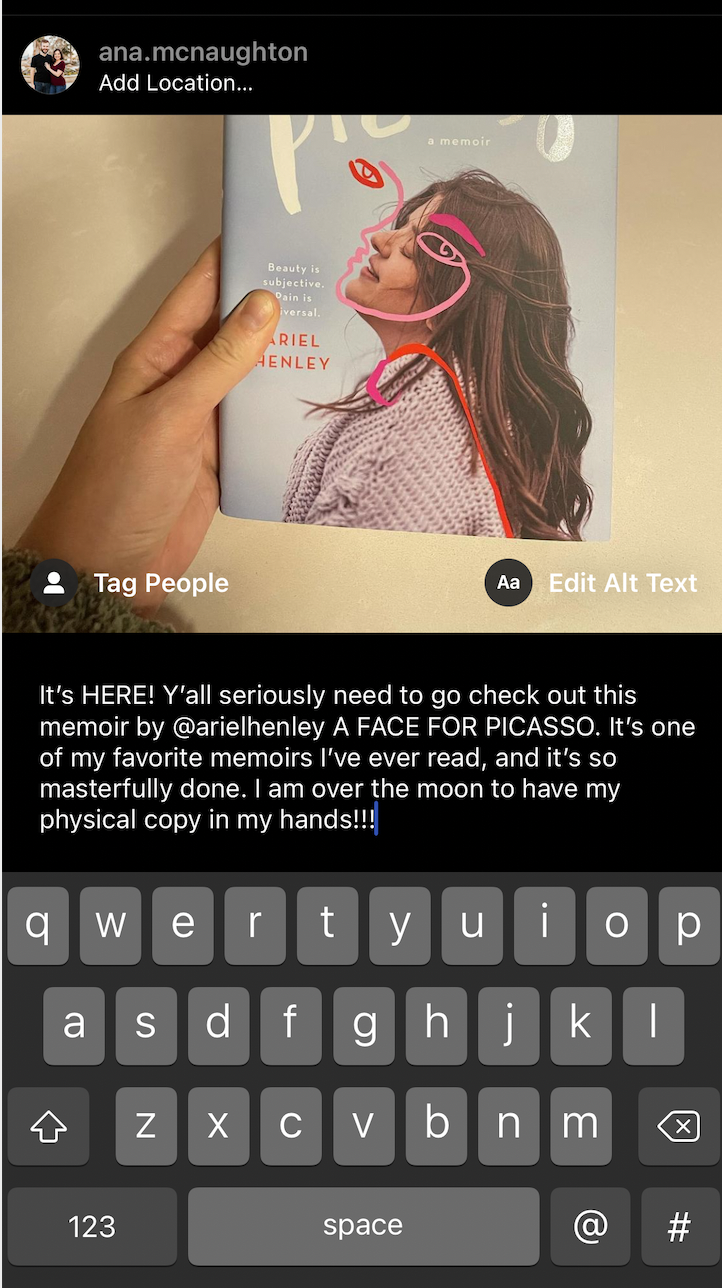
Densely packed blocks of text often deter readers from engaging with longer captions. To combat this, content creators utilize line breaks, blank spaces, or punctuation marks to segment information into digestible paragraphs.
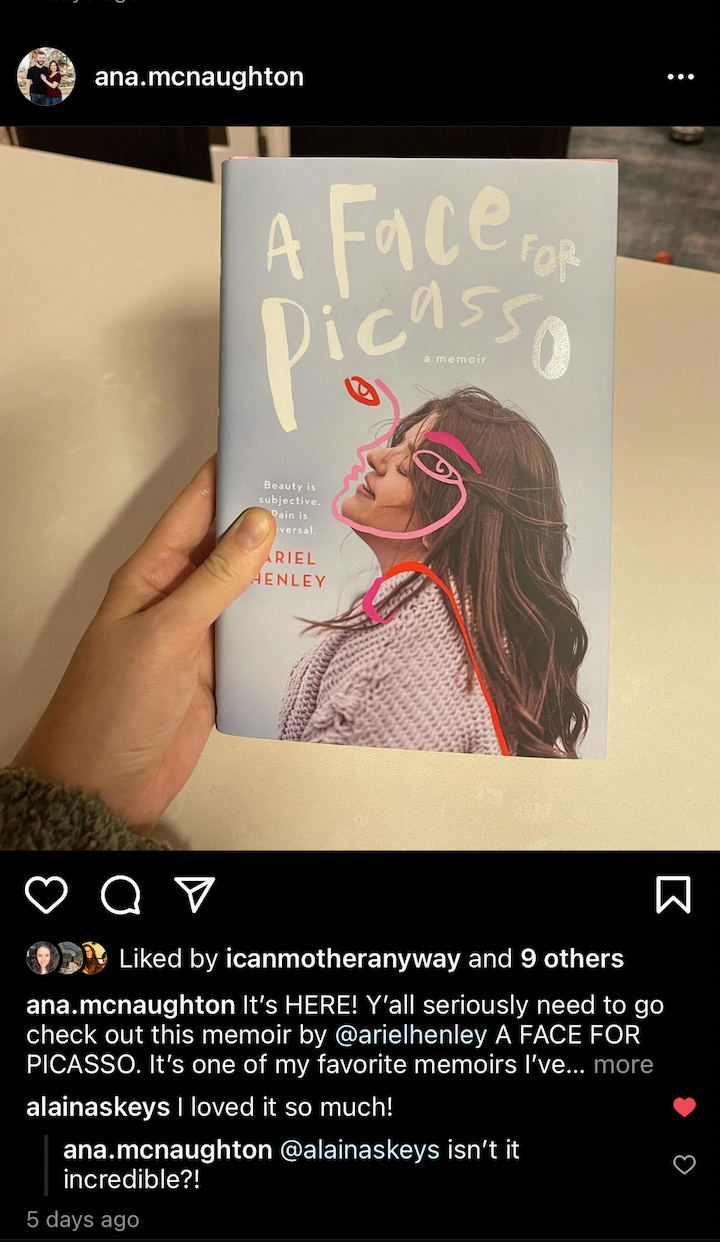
A standard professional template involves introducing the post with a concise headline line, inserting a blank space before elaborating on the core narrative, and separating the body text from the final hashtag block. Achieving clean line spacing within the Instagram mobile application can sometimes be achieved by drafting the text in a separate application or utilizing the keyboard’s return function correctly, ensuring the layout remains pristine upon publishing.
Editing and Updating Published Content
Digital marketing requires agility, and minor errors in spelling, grammar, or link direction can occasionally slip through quality control. Fortunately, Instagram provides a straightforward mechanism for post-publication corrections.
To edit an existing post, users navigate to the specific content piece within the mobile application, tap the three-dot menu icon located in the upper right corner, and select the "Edit" option from the resulting pop-up menu. This action unlocks the caption box, allowing creators to rewrite, format, or update text instantly before saving the changes. The platform updates the caption immediately without requiring the post to be deleted and re-uploaded, thereby preserving existing engagement metrics and comment threads.
Customizing Typography for Visual Impact
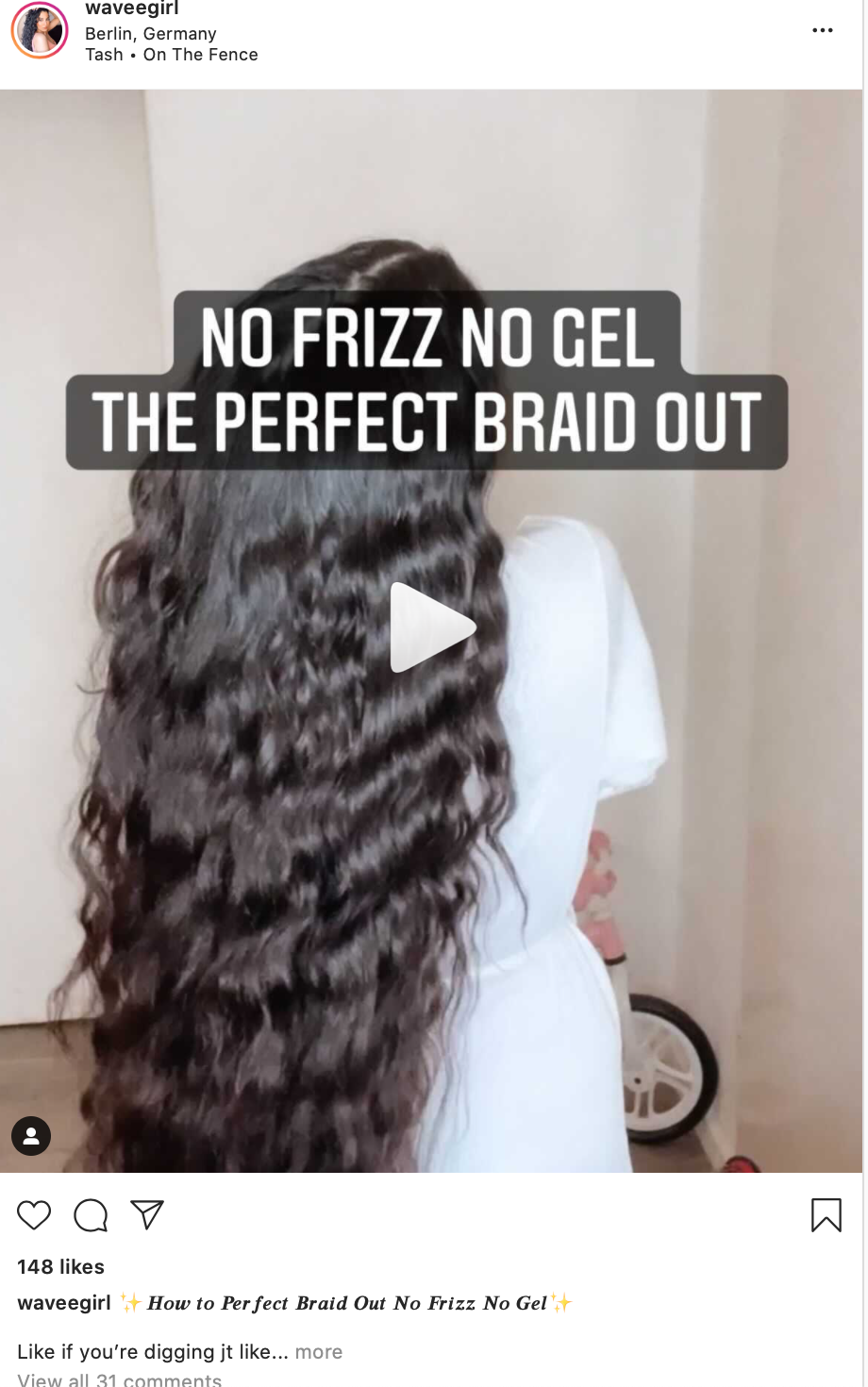
To further differentiate content within crowded feeds, many brands experiment with custom typography, including bold, italicized, or stylized Unicode fonts. Because Instagram’s native interface does not provide built-in text styling tools within the caption box, creators rely on external web-based utilities—such as specialized font generators—to convert standard text into alternative character sets. Users simply type their desired copy into the browser tool, select a preferred aesthetic style from the available options, and copy-paste the stylized text directly into their Instagram post editor.
Conclusion
As social media algorithms continue to evolve, the strategic importance of Instagram captions remains undisputed. By combining strong narrative hooks, data-informed length optimization, culturally relevant copywriting, disciplined hashtag diversification, and clean technical formatting, brands can transform standard image posts into powerful conversion engines. Mastering the art and science of caption writing ensures that visual assets are supported by compelling messaging capable of capturing attention, fostering community, and driving measurable business growth.
Related posts: