Navigating the Shift: How Medical Offices Are Adopting HIPAA-Compliant AI Receptionists to Solve Workforce Challenges


The modern medical front desk is caught in an untenable operational squeeze. High patient call volumes, persistent staffing shortages, and rising expectations for immediate access have strained traditional administrative workflows to their breaking point. In response, healthcare providers are increasingly looking toward conversational artificial intelligence to manage inbound communications. However, for medical practices, deploying an AI receptionist is not merely a matter of technological adoption; it represents a complex navigation of strict privacy regulations, electronic health record integration, and patient trust.
The Modern Front Desk Crisis and the Rise of Voice AI
Every unanswered phone call in a medical practice represents more than a missed connection—it signals a potential loss of patient retention and revenue. When a new patient attempts to contact a clinic once and encounters a busy signal or an unanswered ring, they frequently abandon the attempt and dial a competing practice. Furthermore, routine administrative tasks such as scheduling, rescheduling, confirming appointments, and fielding basic billing inquiries consume the majority of a front desk employee’s day.
This operational friction occurs against a backdrop of acute labor constraints within the healthcare sector. According to Deloitte’s 2025 US Health Care Outlook, approximately 58% of health system executives indicated that workforce challenges would directly influence their strategic initiatives. With recruitment and retention remaining stubborn hurdles for outpatient clinics and hospital systems alike, practices are turning to voice-first automation to absorb routine call volumes without compromising the quality of patient care.
The evolution of automated telephony makes this transition feasible. Traditional interactive voice response (IVR) systems relied on rigid, frustrating phone trees that forced callers to navigate endless numeric menus before often ending up in voicemail purgatory. Modern conversational AI, by contrast, is designed to understand natural human speech, deduce context, and execute multi-step tasks—such as booking an appointment directly into a calendar—within a single, continuous interaction.

Defining the Capabilities: Routine Automation Versus Clinical Judgment
To successfully implement an AI receptionist, healthcare administrators must establish a clear boundary between routine administrative workflows and clinical decision-making.
AI-powered receptionists excel at high-volume, predictable interactions. These encompass:
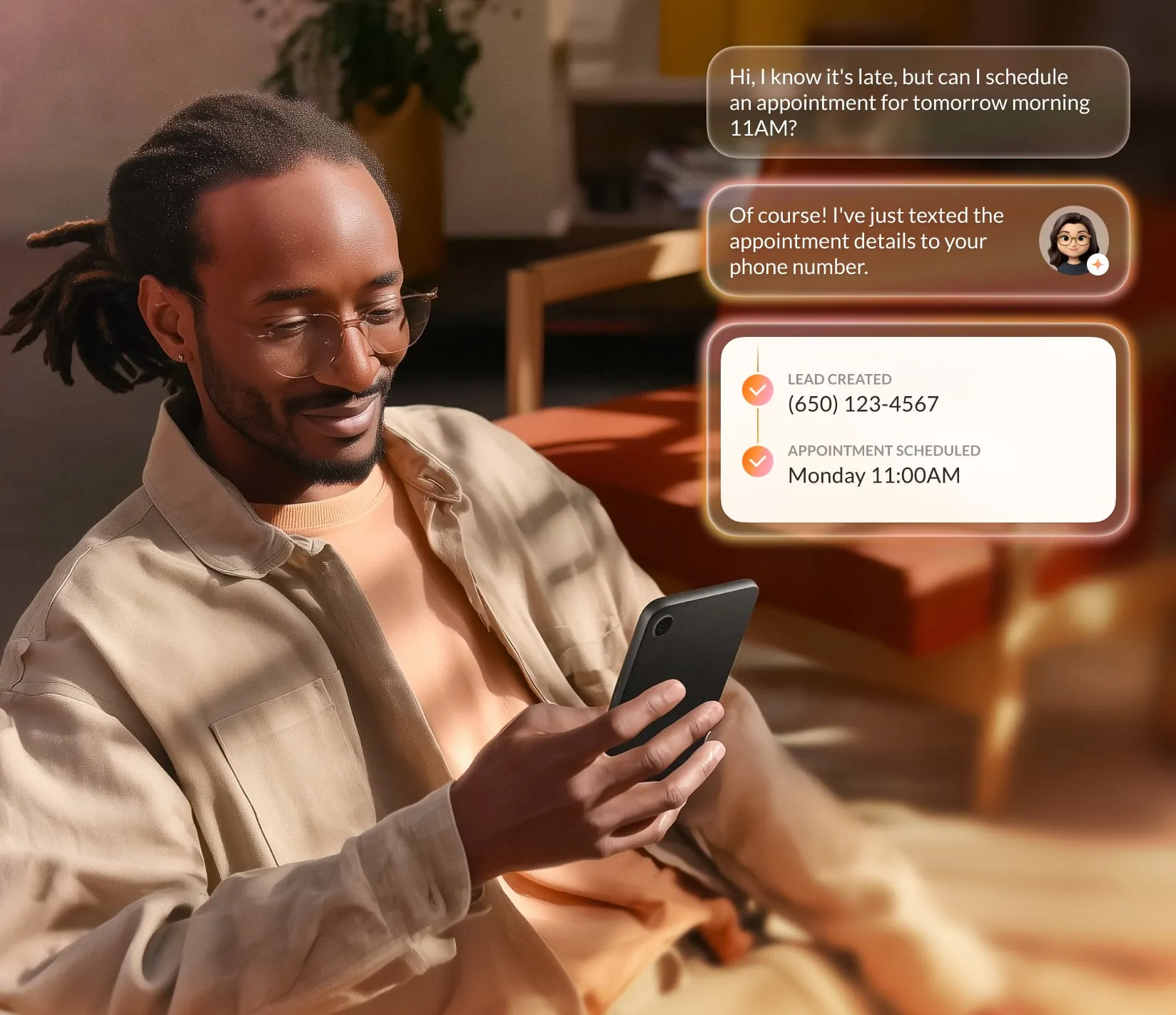
- Appointment Scheduling and Management: Real-time booking, shifting, and cancellation of visits directly against the practice management calendar, paired with automated reminders designed to mitigate the costly impact of patient no-shows.
- New-Patient Intake and Verification: Capturing demographic details and verifying caller identity where integrated systems permit, significantly reducing manual data-entry burdens on administrative staff.
- Prescription Refills and Billing Support: Routing refill requests to the appropriate clinical queue and answering fundamental billing or insurance coverage inquiries through direct database queries.
- After-Hours and Overflow Coverage: Providing round-the-clock responsiveness during nights, weekends, and peak operational hours when front-desk personnel are occupied.
Despite these advanced capabilities, artificial intelligence possesses strict limitations that require robust guardrails. Clinical advice, managing distressed or anxious callers, and complex triage decisions must remain the exclusive domain of trained medical professionals. Well-configured AI receptionists are programmed to recognize keywords or expressions indicating acute distress—such as describing chest pain—and immediately route the caller to human staff or emergency instructions, bypassing standard administrative workflows entirely.
Evaluating Compliance and Technical Integration
Before assessing the utility or feature sets of any voice AI platform, healthcare organizations face an uncompromising compliance threshold: adherence to the Health Insurance Portability and Accountability Act (HIPAA), and ideally, alignment with HITRUST security frameworks.
Deploying an AI solution in a healthcare setting requires a signed Business Associate Agreement (BAA) from the vendor, robust end-to-end encryption both in transit and at rest, strict role-based access controls, and verifiable audit trails. Industry cybersecurity experts emphasize that a vendor’s platform compliance does not absolve the medical practice of its operational responsibilities; the legal and ethical obligation to configure and monitor the tool correctly rests squarely with the healthcare provider. Consequently, integrating AI over a secure, HIPAA-compliant VoIP and telephony foundation is treated as a baseline requirement rather than an optional feature.
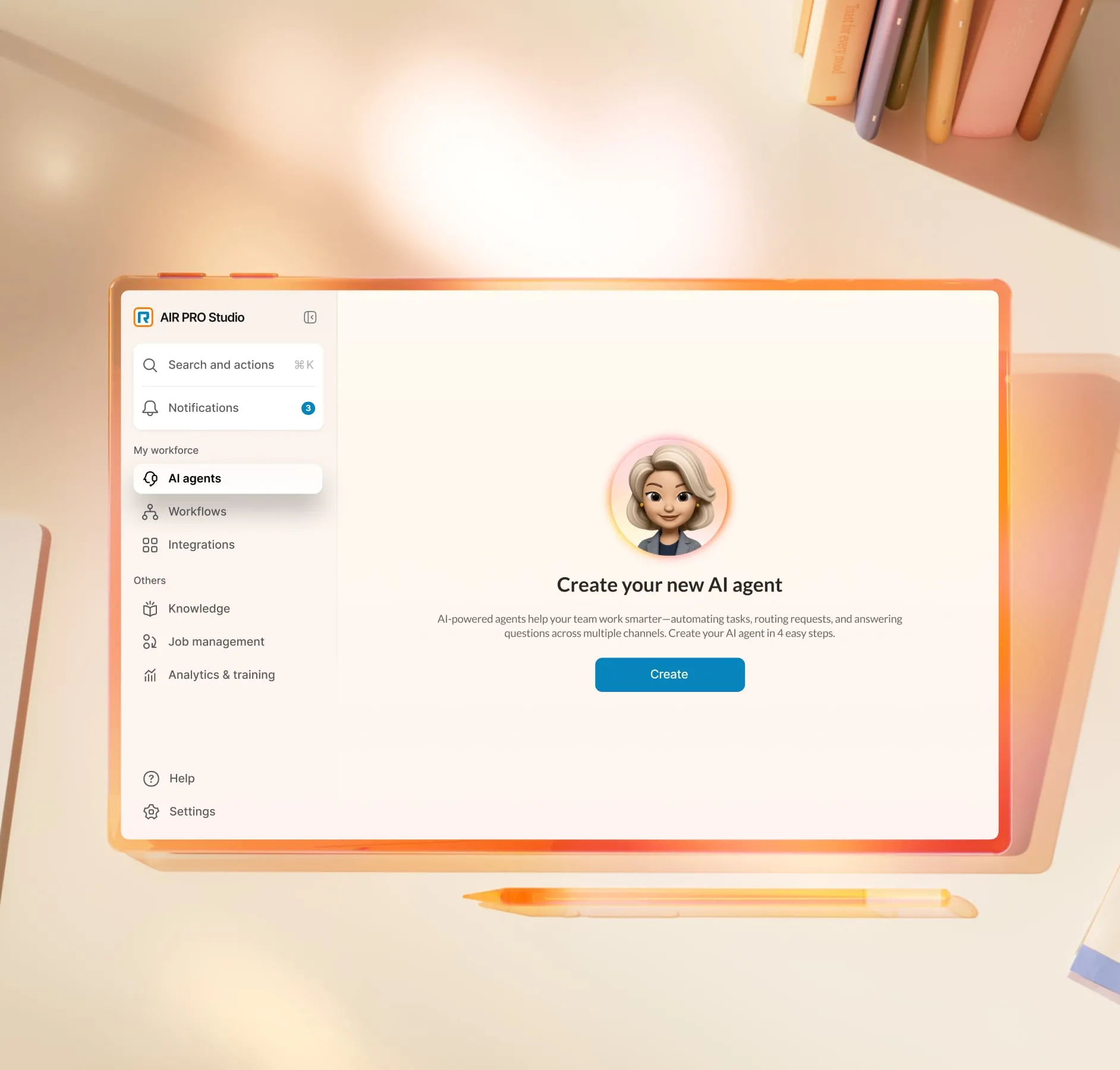
Beyond security, technical interoperability dictates the long-term viability of an AI receptionist. Healthcare organizations operate within complex ecosystems of Electronic Health Records (EHR) and practice management software. An effective AI receptionist must act as a seamless bridge into these existing platforms rather than demanding a disruptive system overhaul. Administrators must explicitly evaluate whether a prospective solution connects natively to their specific EHR architecture, ensuring that data captured during a call populates the correct patient file without manual transcription.
Industry Solutions and Tiered Offerings
Technology vendors have responded to these unique healthcare demands by developing specialized products tailored to medical environments. For instance, unified communications leader RingCentral has structured its voice AI portfolio to address varying levels of administrative complexity.
For practices requiring fundamental call coverage and message handling, standard AI receptionist tools provide round-the-clock routing and basic calendar syncing. However, for organizations managing protected health information (PHI) at scale, advanced specialized tiers—such as RingCentral’s AIR Pro for Healthcare—introduce the requisite healthcare accelerators. These advanced agentic systems are specifically engineered to navigate the regulatory demands of PHI handling, secure identity verification, and complex EHR integration, marking a significant evolution from general-purpose corporate answering bots.
Implementation Strategies: The Phased Pilot Approach
Industry analysts and healthcare IT consultants strongly recommend a measured, phased approach to deploying AI receptionists. Rather than abruptly rerouting all inbound patient traffic to an automated system on day one, practices typically achieve higher success rates by initiating a targeted pilot program.
A common starting point is the deployment of AI for after-hours appointment booking or overflow message capture. Because these calls would otherwise route to unattended voicemails, the immediate operational risk is low, allowing staff and administrators to evaluate the AI’s accuracy, conversational tone, and patient reception in a controlled environment. Once the system demonstrates reliability during off-peak hours, practices can gradually expand its responsibilities to daytime intake and high-volume scheduling.
Broader Implications and Future Outlook
The integration of artificial intelligence into the medical front desk marks a fundamental restructuring of outpatient operations. By absorbing the relentless wave of administrative noise, AI receptionists protect staff bandwidth from burnout and chronic fatigue.
Ultimately, the goal of deploying voice AI in healthcare is not to displace human empathy or administrative oversight, but to restore it. When routine inquiries, scheduling bottlenecks, and after-hours calls are handled efficiently by compliant artificial intelligence, medical receptionists and coordinators are freed to focus on their most critical mandate: providing direct, attentive, and compassionate care to the patients physically present in the clinic.