The Evolution of Slack from Collaboration Tool to the Central Command Layer for AI Agents

More than a decade ago, an engineering team launched Slack with a singular, modest vision: to create a centralized digital space where developers could coordinate code, monitor system alerts, and communicate without the fragmentation of email. Today, that platform has evolved into something far more expansive. As artificial intelligence moves from speculative pilot programs into the core of live business production, Slack has established itself as the primary execution layer where humans and AI agents work in concert. Through the adoption of open standards like the Model Context Protocol (MCP), agents are now capable of pulling real-time context from disparate platforms—including GitHub, Salesforce, and Jira—to take immediate, autonomous action within the flow of work.
The metrics underlying this shift are striking. Slack currently processes 127 million automated “MCP tool calls” every week, a figure that is doubling quarter over quarter. This surge in activity marks a transition from Slack being a passive communication tool to becoming an active, intelligent operating system for the enterprise.
A Decade of Growth and Integration
The trajectory of Slack, particularly since its acquisition by Salesforce six years ago, reflects the broader digital transformation of the modern workforce. The platform has successfully navigated the shift from simple messaging to becoming a foundational business utility.

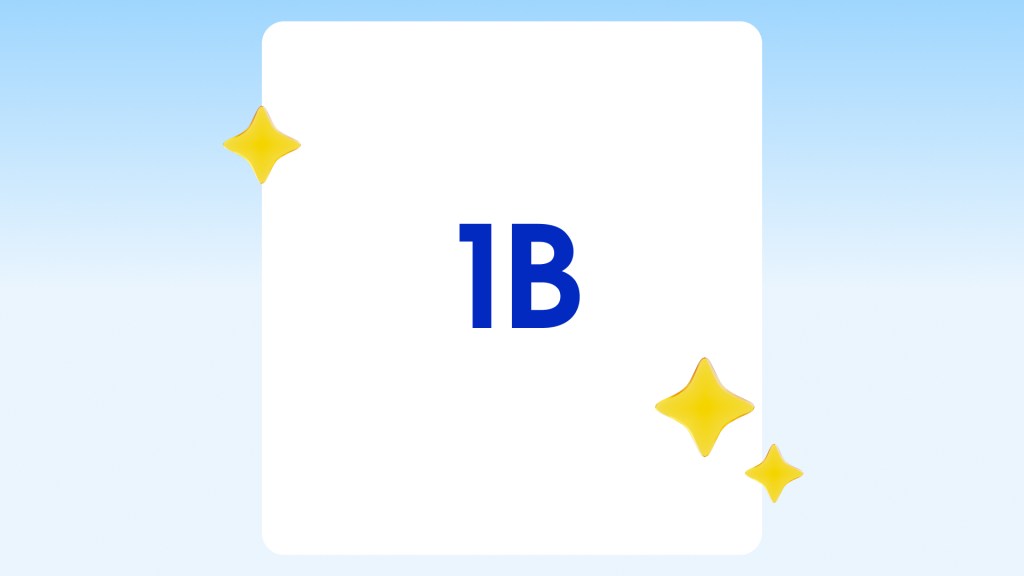
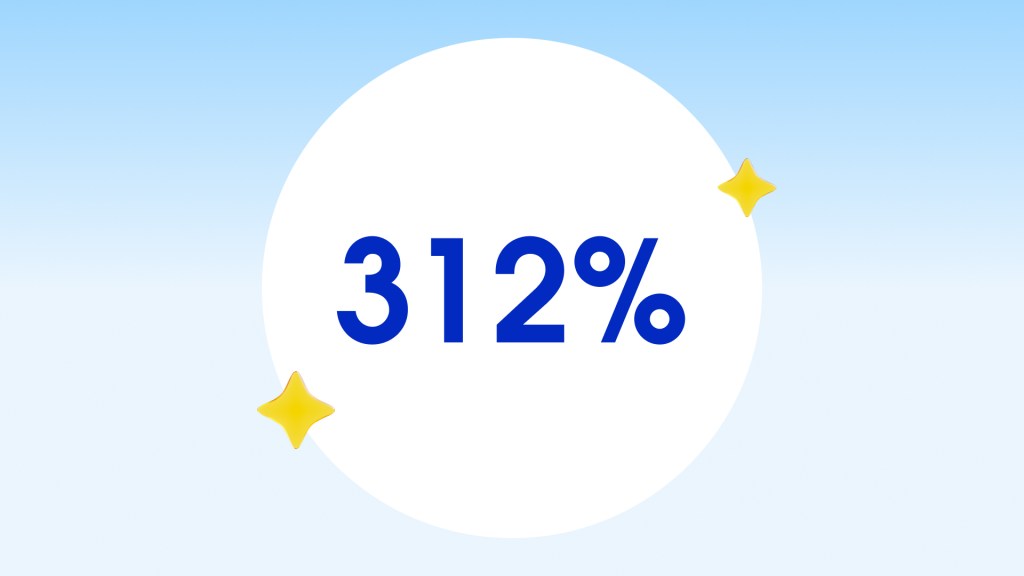
In 2026 alone, the platform has added over 100,000 new customers, a testament to its enduring relevance. Users are now sending one billion messages on the platform every single day, reinforcing the notion that Slack has become the "digital headquarters" for organizations across the globe. According to recent data, customers utilizing Slack as their primary work operating system have reported a 312% return on investment, largely driven by the reduction of operational friction and the automation of administrative overhead.
The Rise of the AI-First Workflow
The integration of AI agents is not merely an add-on; it is fundamentally altering the anatomy of a workday. At Anthropic, a leader in the development of frontier AI models, 65% of all code changes are now shipped directly through Slack. This demonstrates that for high-performance engineering teams, the chat interface is no longer just for conversation—it is the terminal for production.
This shift is mirrored in how other industries manage their supply chains. Rochester Electronics, which handles billions of semiconductor devices, has adopted Slack as its operational command center. By utilizing "Slackbot" and a library of reusable Skills, employees can instantly generate executive briefings, prepare for high-stakes client meetings, and conduct deep-dive sales performance analyses without leaving the platform.
Colin Strother, Executive Vice President at Rochester Electronics, describes the impact of this transition: “Some tasks feel like stopping at a traffic light every few minutes of a journey. The journey shouldn’t take that long, but you get stuck at every red light. Slack helps us remove those obstacles that stop the flow of work.” By automating the routine, the company has effectively turned conversations into immediate, high-velocity execution.
Quantifying the Agentic Revolution
The data suggests that the "agentic" era is no longer on the horizon; it has arrived. Slackbot has officially become the fastest-adopted AI product in the history of Salesforce, signaling a massive internal and external pivot toward AI-assisted workflows.
The scale of this adoption is evidenced by the following figures:
- Active Engagement: 1.9 million users interact with third-party AI agents within the platform every week.
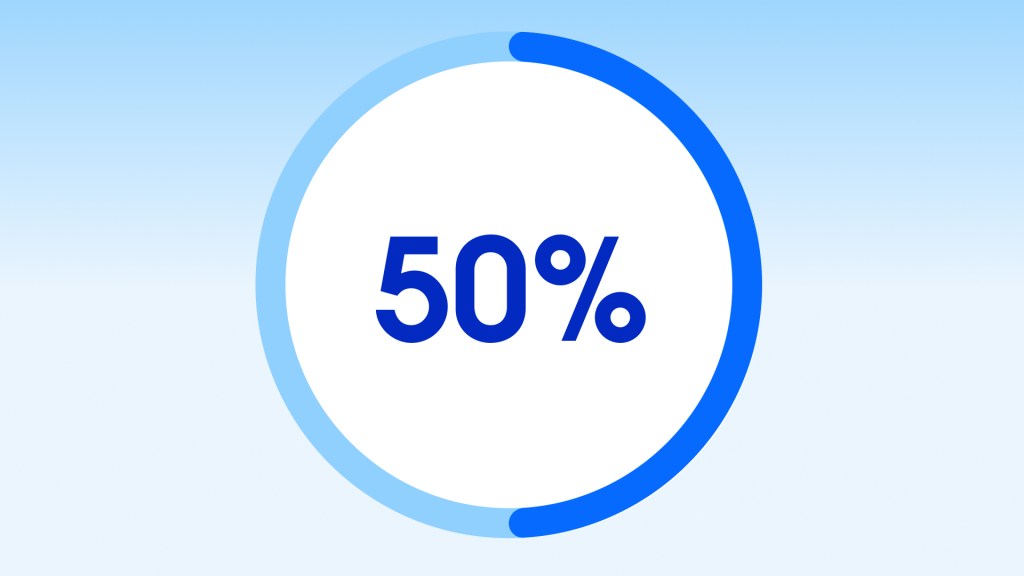
- Volume: Fifty percent of all messages sent on Slack today originate from apps, bots, or AI agents, rather than human users.
- Industry Leadership: Nine out of the top ten frontier AI companies have centralized their internal operations on Slack.
- Capital Investment: Spending on Salesforce products by these frontier AI companies has grown by 435% year-over-year, indicating that the organizations building the future of AI are relying on these tools to scale their own internal development.
Operational Transparency at Scale: The Vercel Case Study
Vercel, a company specializing in agentic infrastructure, provides a compelling case study on the efficacy of this model. The company operates its entire organization within Slack, utilizing public channels for decision-making across engineering and go-to-market teams.
The efficiency gains are measurable. Employees perform over 250,000 searches within the platform each month, and by fostering a culture of radical transparency, the company has eliminated an estimated 70,000 hours of meetings annually. Vercel has also deployed its own specialized agents, including an inbound sales agent capable of handling lead qualification, research, and outreach drafting—a workload that previously required a team of ten. As a launch partner for "Slack Code," Vercel is now extending this agentic model to software development, allowing for collaborative coding directly within the communication channels where engineers live.

The Salesforce Internal Transformation
The most rigorous testing ground for these capabilities has been within Salesforce itself. The parent company serves as a massive laboratory for the integration of AI and messaging. Salesforce currently manages 694,000 active Slack channels, a sprawling network that serves as the company’s central nervous system.
Internally, 83% of Salesforce employees are weekly active users of Slackbot, and 90% of the company’s sales force utilize the bot to update CRM records in real-time. This level of adoption suggests that the future of business software is not found in complex, multi-tabbed interfaces, but in the streamlined, conversational interaction between humans and their AI counterparts.
Broader Implications for the Future of Work
The implications of this shift are profound for the global workforce. By standardizing how agents interact with platforms via protocols like MCP, companies are lowering the barrier to entry for complex automation. The "traffic light" analogy provided by Rochester Electronics highlights the primary goal of this evolution: the removal of systemic friction.
However, the rapid influx of AI-generated messages—which now account for half of all platform traffic—presents new challenges. Organizations must now focus on governance, ensuring that the agents acting on their behalf are secure, aligned with corporate policies, and providing accurate data. As the volume of automated actions continues to double every quarter, the role of the human in the loop is also shifting from an "executor" to an "orchestrator."

The data confirms a clear trend: the platform that was once designed to connect humans is now being re-engineered to connect humans with their digital proxies. As frontier AI companies continue to lead this adoption, the rest of the enterprise sector is likely to follow, further embedding Slack into the bedrock of modern industrial, technical, and commercial operations.
Ultimately, the transformation of Slack signifies that the next phase of enterprise software will not be defined by the number of standalone applications a company purchases, but by the ability of a centralized interface to act as a bridge between human intent and machine execution. In this new landscape, the most effective companies will be those that view their communication platform not as a place to talk, but as a place to work.