The Evolution of Personal Logistics: How Minimalist Carry Habits are Redefining Daily Efficiency

The landscape of personal gear and everyday carry (EDC) is undergoing a significant transformation driven by the integration of ambient computing and the intentional shedding of redundant physical objects. As technological convergence consolidates functions once requiring multiple discrete items—keys, wallets, and disparate power cables—into single platforms, professionals are increasingly adopting "upstream" lifestyle changes to minimize their physical footprint. This shift is not merely about aesthetic minimalism; it is an exercise in cognitive offloading and operational efficiency.
The Rise of Ambient Capture Technology
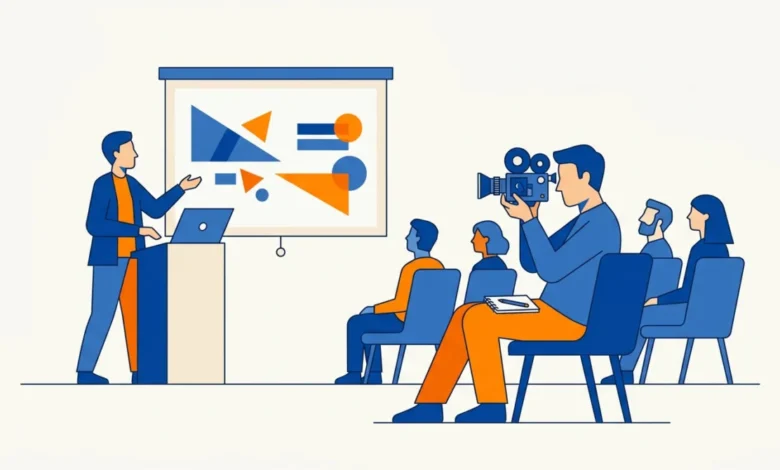
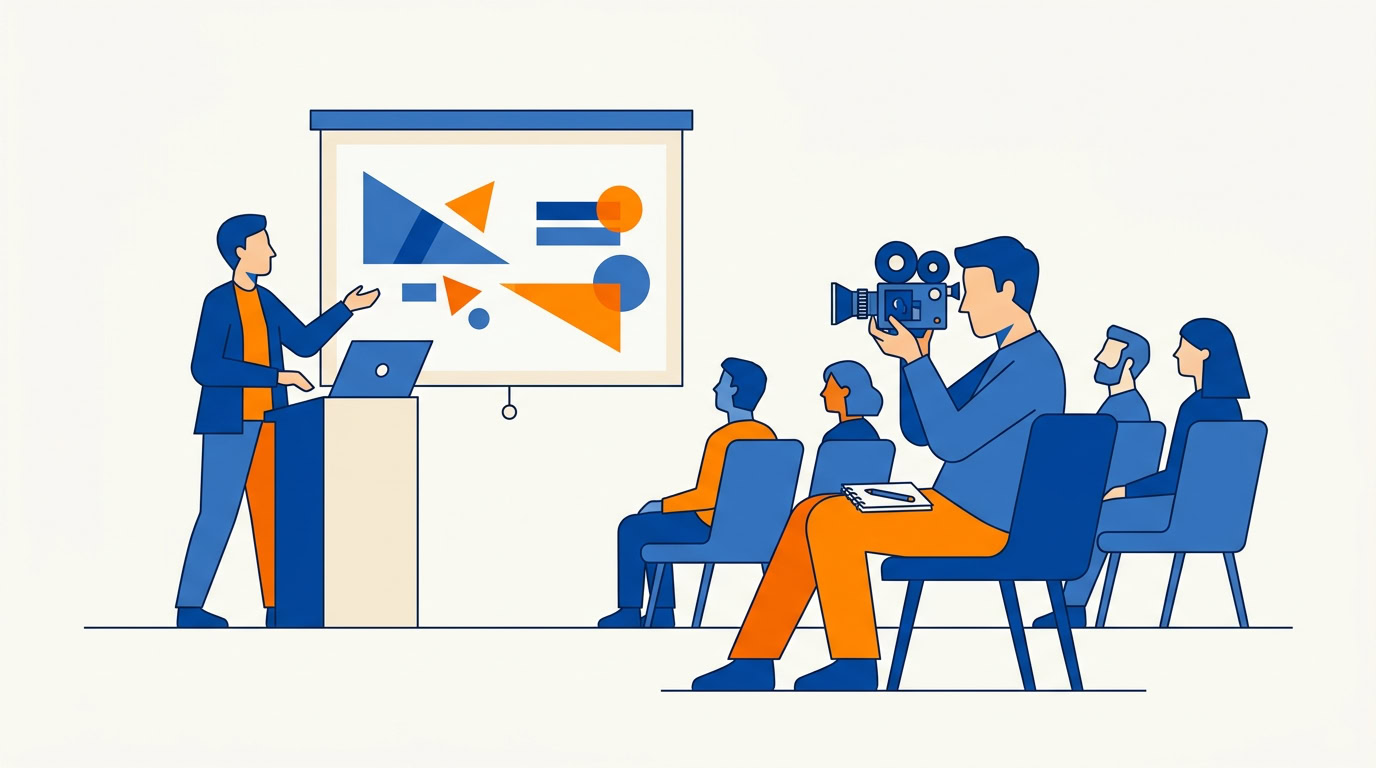
The recent observation of individuals utilizing wearable technology, specifically smart eyewear like the Ray-Ban Meta collection, during high-stakes professional conferences highlights a shift toward frictionless data collection. In professional settings, the traditional sequence of documenting presentation slides—extracting a smartphone, launching a camera application, adjusting for focus, and physically handling the device—is inherently disruptive.
By utilizing smart glasses, users can initiate image capture via a discrete haptic gesture on the device’s frame. This functionality represents a departure from traditional mobile photography, moving toward what industry analysts call "ambient computing." When equipped with clear-lens configurations, these devices maintain a professional, low-profile aesthetic that allows for integration into formal indoor environments without the social friction often associated with head-mounted displays or visible camera hardware.
Chronology of the Minimalist Shift
The trajectory of personal carry has been marked by three distinct phases over the last decade:
- The Overloaded Era (2010–2015): The era of high physical redundancy, where individuals carried dedicated devices for every function: digital cameras, standalone GPS units, physical planners, and large wallets containing multiple membership cards and physical keys.
- The Digital Consolidation Phase (2016–2022): The period where the smartphone became the primary hub for identity, payment, and navigation. As NFC-enabled mobile wallets (Apple Pay, Google Wallet) and digital key systems for smart homes and vehicles became mainstream, the necessity for physical wallets and keychains began to decline.
- The Ambient Integration Phase (2023–Present): The current period, characterized by the adoption of wearable technology that allows for "headless" interactions—where the phone stays in the pocket while tasks like photography, messaging, or authentication are handled by peripherals like smart rings, watches, and glasses.
The Logic of Upstream Simplification
The core of modern minimalist carry is not the selection of better bags, but the elimination of the underlying habits that necessitate the gear. For example, the decision to stop carrying car keys is rarely a choice made at the hardware level; it is a downstream effect of shifting to urban mobility solutions or adopting keyless vehicle entry systems.
Data from the productivity sector suggests that individuals who audit their daily carry by mapping items to specific habits often find that 30% to 40% of their "essential" items are supporting legacy behaviors rather than current needs. When an item no longer serves a unique, non-redundant purpose, it represents a cognitive tax. By removing the object, the user eliminates the maintenance, security concerns, and mental bandwidth associated with tracking that object.
Organizational Efficiency: The Role of Modular Storage
While the goal is to reduce the number of items carried, the remaining essentials—such as specialized cables, supplements, or medical necessities—require structured storage. Professional organizers have noted a trend toward repurposing existing, lightweight materials rather than purchasing specialized "tactical" gear.
Airline amenity kits, originally designed for single-use transit, are increasingly being utilized as standardized modular pouches. By categorizing items into distinct, color-coded, or size-differentiated pouches, professionals reduce the time required to pack and unpack. This "home-for-everything" approach mitigates the risk of misplaced items and ensures that high-utility objects are always ready for deployment. This method is cost-effective, sustainable, and provides a level of compartmentalization that is often superior to expensive, branded organizers.
Reliability Through Redundancy
A critical aspect of a minimalist carry is the balance between weight and fail-safe operation. Technology experts suggest that true efficiency does not ignore the possibility of technical failure; rather, it prepares for it with "zero-weight" contingencies.
For instance, while wireless earbuds are the industry standard for mobile calls, a significant portion of professionals continue to carry wired backups—such as classic 3.5mm EarPods paired with a compact USB-C adapter. The weight penalty of this backup is negligible, yet it provides a critical safety net in the event of Bluetooth interference, battery depletion, or pairing failure during high-stakes communication.
Tactical vs. Personal Carry Philosophy
Analysts distinguish between two primary styles of minimalist carry, often categorized as "Personal-Focused" and "Service-Focused" packing:
- Personal-Focused Packing: This strategy assumes that the user is only responsible for their own technical environment. The carry kit typically includes one high-capacity power bank and a single, high-quality, short-length universal cable. This minimizes weight and maximizes portability.
- Service-Focused Packing: This strategy involves carrying an "all-in-one" solution, such as a multi-tip cable or a comprehensive connector pouch (often referred to as a "Snake Charmer" configuration). This approach prioritizes being the resource person in a professional or social group.
Both strategies are valid, but the friction occurs when individuals attempt to blend the two without intent, leading to "kit creep." Experts advise choosing a primary philosophy and adhering to it, as the psychological and physical benefits of minimalism are rapidly negated by the accumulation of "just in case" hardware that is rarely utilized.
The "Beater" Concept in Professional Gear
In the watch industry, the "beater" is a durable, low-value timepiece worn for rigorous activities where a luxury watch might be damaged. This concept has expanded to everyday carry bags. Professionals are increasingly opting for "unremarkable" gear—geometric totes or simple, durable nylon bags that do not broadcast value.
This choice serves two purposes:
- Reduced Stress: The user is not inhibited from engaging in activities like cycling or navigating crowded transit due to fear of damaging expensive, high-end luggage.
- Security: Discreet gear is less likely to attract unwanted attention in high-risk environments.
Implications for Future Workplace Productivity
The shift toward smaller, more intentional carry is indicative of a broader trend in professional life: the prioritization of cognitive load management. Every item carried is a physical manifestation of a task or a potential scenario. By auditing these items through the lens of current habits, professionals can effectively "prune" their environment.
As we look toward the future, the integration of AI-assisted hardware—such as smart glasses and biometric authentication—will likely continue to shrink the physical toolkit of the average worker. However, the foundational principle remains constant: the most efficient system is one that requires the least amount of maintenance. Before adding a new item to one’s daily rotation, the question should not be "Is this useful?" but rather, "Is this the most efficient way to support the underlying habit?"
In summary, the transition to a streamlined daily carry is a logical response to the increasing density of digital information and the rising complexity of modern professional life. By focusing on the elimination of redundant habits and the adoption of modular, fail-safe, and low-profile gear, individuals can reclaim significant amounts of physical and mental space. The goal is not simply to carry less, but to carry with greater precision, ensuring that every object in one’s possession provides a clear, measurable benefit to the day ahead.