The Evolution of Sales Productivity: How PeopleFinder Addresses the Efficiency Crisis in Modern Revenue Teams


The modern sales landscape has become increasingly complex, characterized by elongated buying cycles and the proliferation of decision-makers within corporate hierarchies. As organizations navigate these challenges, the fundamental metric of success remains the same: the ability of a sales representative to effectively spend their time engaging with prospects and closing deals. However, data suggests that the vast majority of a representative’s workweek is consumed by non-revenue-generating activities, most notably the hunt for accurate, actionable contact information. To mitigate this efficiency gap, industry leaders are turning to advanced intelligence tools like PeopleFinder, designed to automate the discovery of key stakeholders and streamline the path to conversion.
The Anatomy of the Sales Efficiency Crisis
Recent industry research, including data from InsideSales, indicates that the average sales representative spends only 35.2% of their time engaged in actual selling activities. In a standard 40-hour workweek, this equates to approximately 14 hours spent in direct communication with potential clients. The remaining 26 hours are frequently absorbed by administrative tasks, data entry, and, most critically, prospect research.
This systemic drain on time is exacerbated by the phenomenon of the "expanding buying committee." Over the past decade, the number of individuals involved in B2B purchasing decisions has risen significantly. Where a single champion may have once been sufficient to sign off on a contract, current enterprise deals often require the consensus of IT, procurement, finance, and end-user stakeholders. When sales representatives fail to identify these hidden influencers, deals often stall in the final stages, resulting in lost revenue and wasted resources. The inability to map an entire buying committee is no longer just a minor oversight; it is a primary cause of deal slippage and churn.
Chronology of Sales Intelligence Development
The trajectory of sales technology has evolved from static, manual spreadsheets to sophisticated, AI-driven ecosystems. Historically, the burden of list building rested entirely on the shoulders of the representative. The mid-2000s saw the rise of CRM systems that offered centralized databases, but these systems were only as good as the manual data entry performed by the user.
By the 2010s, the emergence of third-party data enrichment tools began to automate basic contact verification. However, these tools often operated in isolation from the actual sales workflow, requiring representatives to toggle between multiple browser tabs and software platforms. The current era, represented by tools such as XANT’s Playbooks and the integrated PeopleFinder feature, marks a shift toward "Buyer Intelligence." This approach integrates contact discovery directly into the sales engagement platform, ensuring that the transition from identifying a lead to initiating contact is seamless.
How PeopleFinder Functions: The Mechanics of Intelligent Discovery
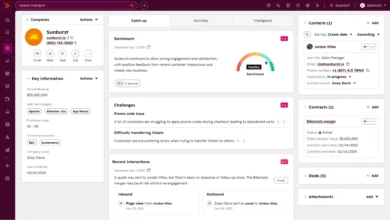
PeopleFinder serves as an automated recommendation engine for sales outreach. When a user logs into their sales interface, the system identifies "gaps" in their current target accounts. A prominent, clickable notification alerts the representative to new, validated contacts that have not yet been engaged.
The architecture behind this tool relies on XANT’s broader Buyer Intelligence infrastructure. By aggregating anonymized data from a massive network of users, the system builds predictive profiles. It analyzes patterns of successful interactions—noting which job titles, departments, and personas are most frequently involved in specific types of B2B deals—and compares these against the representative’s current CRM records.
Once a potential stakeholder is identified, the system validates the contact information against real-time third-party data sources to ensure accuracy. Crucially, the recommendations include individuals who may exist outside the company’s internal CRM, effectively expanding the representative’s reach into untapped territory within their existing target accounts. The system also provides contextual metadata, such as the individual’s level of influence and their typical role in the deal cycle, allowing the representative to tailor their communication strategy accordingly.
Supporting Data and Industry Implications
The cost of inaction in sales is quantifiable. According to industry benchmarks, poor lead targeting and incomplete buying committee identification are the leading drivers of extended sales cycles. By reducing the time spent on manual research, organizations can potentially double the number of hours their teams spend in direct customer interactions.
Analysis of firms implementing integrated buyer intelligence suggests that the primary implication of this technology is a shift in the role of the sales representative. When the heavy lifting of prospecting is automated, the representative’s role shifts from "data researcher" to "strategic advisor." This is a significant cultural shift for many sales organizations. Instead of focusing on the sheer volume of outbound calls, representatives are empowered to focus on the quality of their outreach, as they are provided with a roadmap of the entire decision-making group.
Expert Perspectives on the Future of Sales Automation
Industry analysts have noted that the competitive advantage in the coming years will belong to companies that can effectively leverage their own data to inform future actions. "The challenge for modern sales teams is no longer a lack of data, but a lack of synthesis," says one market researcher focused on sales enablement. "Tools that can translate raw data into a ‘next best step’ recommendation are essentially providing a map for a process that was previously navigated by guesswork."
By automating the identification of the buying committee, companies are seeing a reduction in the time it takes to reach the final decision-maker. Furthermore, this approach reduces the risk of "deal stalling," where a representative is blindsided by an unexpected stakeholder late in the process. When the entire committee is identified early, the representative can proactively address the specific concerns of finance, procurement, and technical leads, rather than reacting to objections as they arise.
Broader Impact on Sales Strategy
The integration of tools like PeopleFinder into the daily workflow of a sales team represents a broader move toward "intent-based" selling. By moving away from cold, broad-spectrum outreach and toward highly targeted, intelligence-backed contact, organizations can improve their brand reputation. Prospects are more likely to engage with representatives who clearly understand their organizational structure and the relevance of the product to their specific role.
Furthermore, the scalability of this technology is a major factor for large-scale enterprise sales teams. In organizations where a single territory might include thousands of potential contacts, manual identification is impossible. Automated discovery ensures that no potential influencer is overlooked, effectively maximizing the return on investment for every marketing dollar spent acquiring the account in the first place.
Conclusion: Removing the Guesswork from Revenue Generation
The evolution of the sales profession is intrinsically linked to the tools available to practitioners. As the complexity of corporate purchasing continues to grow, the reliance on manual prospecting will inevitably become a liability. Technologies that provide intelligent, data-validated recommendations allow sales teams to reclaim their most precious resource: time.
By utilizing platforms that offer continuous, automated access to relevant stakeholders, organizations can move past the limitations of the traditional 40-hour workweek. The goal is to reach a state where the representative is always engaged in the high-value activity of building relationships and closing deals. As companies continue to integrate these systems, the standard for sales performance will likely shift toward higher efficiency and more predictable, data-driven outcomes. In a market where every interaction counts, the ability to find the right person at the right time is the ultimate competitive advantage. Through the adoption of buyer intelligence, sales leaders are effectively removing the guesswork from the equation, ensuring their teams are equipped with the precision required to succeed in a demanding global economy.
Related posts: