Mastering Social Media Marketing: Strategic Frameworks and Industry Best Practices for Modern Enterprises


The evolution of digital commerce has fundamentally transformed how commercial enterprises interact with consumers, making social media marketing an indispensable pillar of modern brand management. What began as casual online networking has matured into a sophisticated ecosystem where multinational corporations and agile startups alike deploy targeted campaigns to cultivate authentic, enduring relationships with global audiences. However, for business leaders and marketing professionals who are not native digital consumers, navigating this vast landscape can present significant operational hurdles. Strategic implementation requires a nuanced understanding of channel dynamics, algorithmic shifts, and consumer psychology. This comprehensive overview examines the core mechanics of social media marketing, highlights successful industry paradigms, and outlines essential resources for building a resilient digital presence.
Defining Social Media Marketing and Core Industry Mechanics
At its operational foundation, social media marketing encompasses the strategic deployment of digital communication channels—including Facebook, Instagram, TikTok, LinkedIn, and emerging decentralized networks—by commercial entities to achieve precise business objectives. These goals range from brand awareness and customer acquisition to direct e-commerce transactions and post-purchase retention. Modern digital marketing leverages a blend of organic content creation, paid advertising, influencer partnerships, and real-time community management to maintain continuous brand visibility.
Industry data compiled by digital analytics firms indicates that global ad spend on social media networks surpassed $200 billion annually, reflecting the critical importance of these channels in the marketing mix. The core components of an effective social media strategy typically involve comprehensive audience research, content creation and curation, scheduling and publishing automation, performance analytics tracking, and proactive social listening. By systematically analyzing engagement metrics, conversion rates, and sentiment analysis, marketing teams can continuously refine their messaging to align with evolving consumer expectations.
Landscape of Popular Digital Platforms and Regional Variations
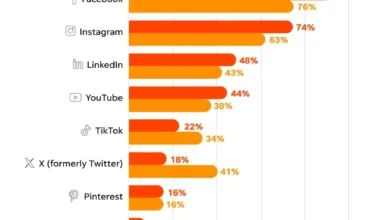
Selecting the appropriate social media channel is a critical determinant of campaign efficacy. While established giants such as Facebook, Instagram, and Twitter maintain billions of active monthly users globally, platform demographics vary significantly. For instance, Instagram and TikTok skew heavily toward younger demographics, prioritizing visual storytelling, short-form video, and dynamic audio integration. Conversely, LinkedIn remains the definitive ecosystem for B2B (business-to-business) marketing, professional networking, and corporate thought leadership.
Beyond the dominant Western platforms, regional preferences dictate alternative deployment strategies. In East Asia, super-apps like WeChat and LINE integrate messaging, social networking, and mobile payment gateways into a unified interface, necessitating localized marketing approaches for brands operating within those markets. Meanwhile, niche forums such as Reddit and specialized Tumblr communities offer brands the opportunity to engage with highly passionate, segmented audiences who often demonstrate skepticism toward traditional advertising methods. Industry analysts emphasize that a multichannel approach must be tailored to the specific digital habits of a brand’s target demographic rather than a generalized presence across all available networks.
Case Studies in Industry Excellence: How Leading Brands Engage Audiences
Examining successful brand campaigns provides valuable insight into how different enterprises leverage specific platforms to achieve strategic differentiation.
Wendy’s on Twitter
Fast-food chain Wendy’s revolutionized corporate social media engagement by abandoning stiff, overly polished advertising language in favor of witty, humorous, and conversational interactions. Through its Twitter account, the brand successfully leverages real-time marketing, humorous customer exchanges, and viral campaigns like National Roast Day. This humanized, approachable tone has generated millions of organic impressions and established a distinct brand personality that resonates powerfully with younger consumers.
Netflix on Facebook
Entertainment titan Netflix utilizes Facebook not merely as a broadcasting channel, but as an interactive community hub. By sharing behind-the-scenes snippets, exclusive trailers, interactive trivia, and relatable memes, Netflix creates a space where cinema and television enthusiasts can congregate, discuss upcoming releases, and share cultural moments. This community-centric approach fosters deep brand loyalty and drives viewership directly to its streaming platform.
L’Oréal on LinkedIn
Cosmetics multinational L’Oréal demonstrates the versatility of professional networks by targeting its substantial LinkedIn following with content that highlights corporate social responsibility, environmental activism, and scientific skincare education. Furthermore, the brand frequently spotlights internal team members and corporate culture. By aligning its LinkedIn presence with professional values and transparency, L’Oréal successfully engages industry professionals, potential talent, and conscious consumers alike.
Gymshark on TikTok
Fitness apparel brand Gymshark has capitalized on the explosive growth of TikTok by publishing engaging, educational, and often humorous workout content. By collaborating with fitness creators and sharing relatable gym experiences, Gymshark demystifies fitness culture and builds a vibrant community around its products. The brand’s strategy proves that entertaining, value-driven video content can drive massive organic reach and influence purchasing decisions without relying on hard-sell tactics.
Strategic Foundations and Recommended Resource Frameworks
For organizations seeking to establish or refine their digital marketing infrastructure, academic and professional literature offers valuable strategic guidance.
See You on the Internet: Building Your Small Business with Digital Marketing by Avery Swartz
In this foundational guide, digital strategist Avery Swartz addresses the common challenge of visibility in an increasingly crowded online marketplace. Swartz emphasizes that social media marketing cannot exist in a vacuum; rather, it must be seamlessly integrated with a business’s broader digital ecosystem, including its primary website, search engine optimization (SEO) efforts, email newsletters, and paid acquisition funnels. The text provides actionable frameworks for resource allocation, digital asset management, and maintaining brand consistency across multiple online touchpoints.
The End of Marketing: Humanizing Your Brand in the Age of Social Media and AI by Carlos Gil
Carlos Gil’s influential work challenges traditional corporate communication paradigms, asserting that contemporary consumers purchase from people rather than faceless corporate entities. Gil outlines practical methodologies for humanizing brands on platforms like Facebook and LinkedIn, advocating for authentic storytelling, rapid responsiveness, and active community engagement. The book provides tactical insights into leveraging emerging technologies and social algorithms while maintaining an empathetic, human-centric brand voice.
Operational Templates and Practical Implementation Tools
Translating strategic theory into daily execution requires structured workflows and standardized documentation. Organizations frequently leverage resource hubs, such as Hootsuite’s comprehensive template library, to streamline social media management. These repositories typically provide essential operational tools, including content calendar templates, social media audit checklists, competitive analysis frameworks, crisis communication protocols, and key performance indicator (KPI) tracking sheets. Utilizing standardized frameworks enables marketing teams to maintain consistency, measure return on investment (ROI) accurately, and adapt swiftly to algorithmic and market shifts.
Broader Implications and Future Outlook of Social Media Marketing
As artificial intelligence, algorithmic personalization, and social commerce continue to reshape the digital landscape, the role of social media marketing will only grow in strategic importance. Modern enterprises must balance automated data analytics with authentic human creativity to maintain consumer trust. Ultimately, successful social media marketing transcends simple promotional broadcasting; it represents a comprehensive commitment to listening, engaging, and delivering genuine value within digital communities. Organizations that embrace these principles will be best positioned to achieve sustainable competitive advantage in the digital economy.