Alibaba.com Introduces Accio Sourcing Toolkit to Revolutionize Global Supply Chain Management Through Autonomous AI Agents

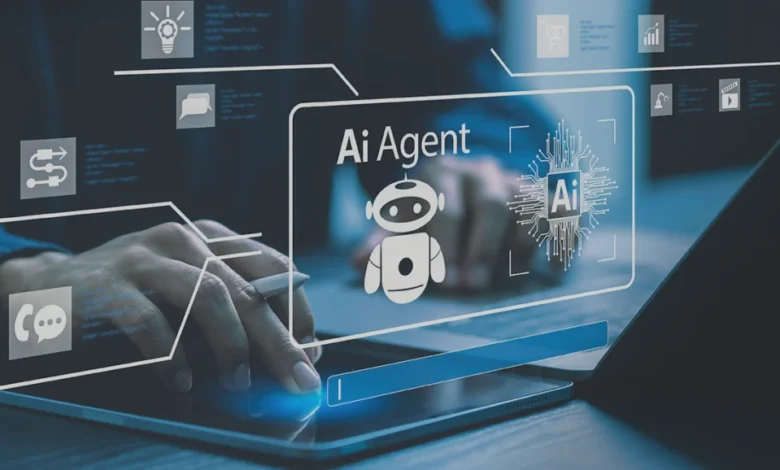
The global trade landscape is undergoing a fundamental shift as Alibaba.com launches the Accio Sourcing Toolkit, an advanced AI-powered business agent designed to automate the complex and time-consuming processes of product sourcing, supplier negotiation, and order management. This new integration, housed within the broader Accio Work platform, marks a significant transition from generative AI that simply assists in communication to agentic AI that autonomously executes business operations. For small and medium-sized enterprises (SMEs) and independent e-commerce founders, the toolkit represents a move toward the democratization of global supply chain infrastructure, allowing lean teams to operate with the logistical sophistication of much larger corporations.
The Evolution of Global Sourcing and the SME Burden
For decades, the primary barrier to entry for small businesses looking to manufacture physical products has not been the lack of ideas, but the sheer logistical friction of international trade. Sourcing involves a grueling cycle of identifying reputable suppliers, requesting quotes (RFQs), verifying manufacturing capabilities, and navigating the nuances of international shipping and customs. Historically, this has required either a massive investment of the founder’s personal time or the hiring of third-party sourcing agents, which adds a layer of cost that many startups cannot sustain.
Industry data suggests that the average small business owner spends upwards of 20 to 30 hours per week on administrative tasks related to supply chain management during the product development phase. This "sourcing trap" often prevents founders from focusing on high-value activities such as brand building, marketing, and customer acquisition. While the rise of digital marketplaces in the early 2000s made it easier to find suppliers, the actual management of those relationships remained manual, fragmented across spreadsheets, emails, and messaging apps.
The Accio Sourcing Toolkit aims to solve this fragmentation by acting as a digital intermediary. Unlike standard AI chatbots that might draft a professional email but require a human to hit "send" and monitor the reply, Accio’s agentic framework is designed to close the loop. It can initiate outreach, follow up when a supplier is unresponsive, and organize disparate data points into a cohesive comparison for the human decision-maker.
Technical Capabilities: From Specification to Negotiation
The Accio Sourcing Toolkit operates by synthesizing large language models (LLMs) with Alibaba.com’s vast proprietary database of supplier performance and market pricing. When a user enters a product requirement—for example, a request for 500 units of a high-density yoga mat with specific dimensions and eco-friendly certifications—the AI does more than just search for keywords. It analyzes the specifications against historical data to identify suppliers with a proven track record of delivering similar goods.
One of the most significant advancements in the toolkit is its autonomous negotiation capability. Negotiation in a B2B context is rarely just about the unit price; it involves a complex matrix of variables including Minimum Order Quantities (MOQ), Lead Times, Free On Board (FOB) vs. Cost, Insurance, and Freight (CIF) pricing, and sample costs. The Accio toolkit is programmed to understand these trade-offs. If a supplier offers a lower price but a significantly longer lead time, the AI can cross-reference this with other active conversations to leverage better terms.
Furthermore, the toolkit addresses the "specification drift" that often occurs during the sampling phase. If a founder decides to change a product’s material weight or packaging mid-negotiation, the AI can simultaneously update all active supplier threads with the new requirements. This eliminates the need for the founder to manually re-explain changes to multiple parties, a process that is traditionally prone to human error and miscommunication.
Bridging the Global Time Zone Divide
A persistent challenge in global trade is the "dead zone" created by time differences between Western markets and manufacturing hubs in Asia. A business owner in Austin, Texas, who sends an inquiry at 5:00 PM local time is reaching a supplier in Shenzhen at 6:00 AM the following day. By the time the supplier responds, the Austin founder is likely asleep. This cycle can turn a simple clarification into a 48-hour delay.
The Accio Sourcing Toolkit operates on a "follow the sun" model. Because the AI agent does not require sleep, it can maintain active conversations during the supplier’s peak business hours. It can answer basic questions about the buyer’s requirements, provide shipping addresses for samples, and request updated quotes based on the buyer’s pre-set parameters. When the founder logs in the next morning, they are presented with a summarized report of the night’s progress, rather than an inbox full of unread messages.
This continuous operation significantly compresses the sourcing timeline. What previously took a week of back-and-forth communication can now be condensed into 24 to 48 hours of automated interaction. For businesses operating in fast-moving sectors like consumer electronics or fashion, this speed-to-market can be the difference between capturing a trend and missing it entirely.
Market Context and Data Analysis
The launch of the Accio Sourcing Toolkit comes at a time when B2B e-commerce is projected to reach unprecedented heights. According to reports from Statista and Gartner, the global B2B e-commerce market is expected to exceed $36 trillion by 2026. Within this growth, the demand for AI integration is paramount. A 2023 survey of supply chain executives found that over 70% intended to invest in AI-driven procurement tools within the next three years to combat rising labor costs and supply chain volatility.
Alibaba.com’s move into agentic AI is a strategic response to these market pressures. By reducing the "soft costs" of sourcing—the labor hours and administrative overhead—the platform makes international trade more accessible to "solopreneurs" and micro-businesses.
| Feature | Traditional Sourcing | AI-Powered Sourcing (Accio) |
|---|---|---|
| Supplier Discovery | Manual search & filtering | AI-driven matching & vetting |
| Communication | Manual emails/messages | Automated outreach & follow-up |
| Negotiation | Human-led, single thread | Multi-supplier autonomous negotiation |
| Time Management | Restricted by time zones | 24/7 active management |
| Data Organization | Manual spreadsheets | Automated comparison dashboards |
Industry Reactions and Strategic Implications
While Alibaba.com’s editorial staff was not involved in the creation of the sponsored content regarding the toolkit, industry analysts have noted the broader implications of such technology. Supply chain experts suggest that the rise of AI agents will lead to a "flight to quality" among suppliers. As AI tools become better at flagging inconsistencies in quotes or identifying suppliers with poor delivery records, manufacturers will be forced to increase transparency and efficiency to remain competitive in the AI-filtered marketplace.
Founders using the platform have reportedly highlighted the psychological relief provided by the tool. In the high-stakes environment of e-commerce, where a single production error can bankrupt a small company, the ability to have an AI "assistant" cross-check specifications and verify terms provides a layer of security. "The value isn’t just in the time saved," notes one early adopter in the e-commerce space. "It’s the reduction in cognitive load. Knowing that the AI is chasing the quotes while I focus on selling is a massive advantage."
However, the shift toward AI-managed sourcing also raises questions about the future of traditional sourcing agencies. Analysts suggest that these firms may need to pivot toward high-touch consultancy for extremely complex, custom-engineered products, while the sourcing of standard consumer goods becomes increasingly automated.
Chronology of Alibaba’s AI Integration
The release of the Accio Sourcing Toolkit is the latest step in a multi-year roadmap for Alibaba.com:
- 2021-2022: Integration of basic AI search filters and automated translation tools to bridge language gaps between buyers and sellers.
- Early 2023: Launch of generative AI tools to help suppliers create better product listings and buyers to draft clearer RFQs.
- Late 2023: The debut of "Accio Work," an AI-powered environment designed to serve as a central hub for business operations.
- 2024: The launch of the Sourcing Toolkit, shifting the focus from "assistance" to "autonomous action."
Future Outlook: The Autonomous Supply Chain
The introduction of the Accio Sourcing Toolkit is likely the precursor to a fully autonomous supply chain for small businesses. Future iterations of the technology are expected to integrate even more deeply with logistics providers and quality control agencies. Imagine a scenario where the AI not only negotiates the price but also autonomously books the freight, schedules a third-party inspection, and triggers payments upon the successful completion of milestones.
As global trade becomes more volatile due to geopolitical shifts and environmental factors, the ability to rapidly pivot sourcing strategies will be a key competitive advantage. AI agents like Accio provide the agility required to navigate these challenges. By removing the manual labor from the equation, Alibaba.com is not just providing a tool; it is redefining the role of the founder in the 21st century.
For sellers on platforms like Amazon and Shopify, the practical benefit remains clear: time. By delegating the repetitive, high-friction tasks of sourcing to an AI agent, business owners can reclaim their schedules. The focus shifts from the "how" of getting a product made to the "what" and "why" of building a brand. The Accio Sourcing Toolkit is currently available through the Accio Work platform, allowing businesses to begin automating their sourcing tasks immediately by inputting their product requirements and target terms.