How Viral Digital Strategy and Pop Culture Integration Redefined Modern Political Campaigning in the 2024 Michigan Senate Race

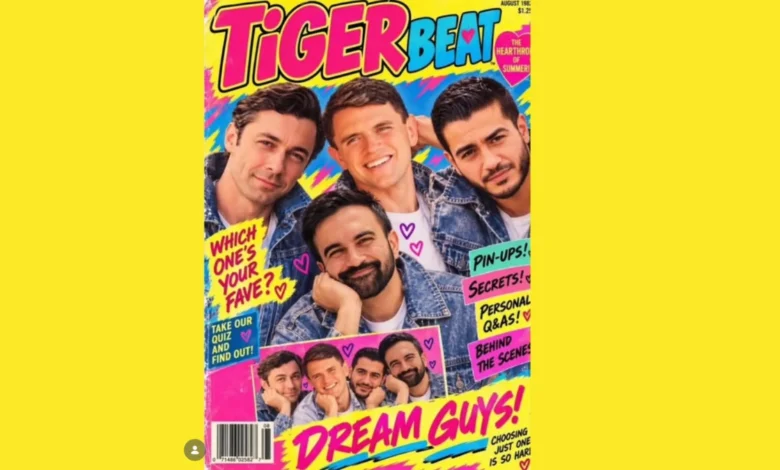
The convergence of celebrity culture and political messaging reached a new zenith during the 2024 Michigan Senate race, as Democratic candidate Abdul El-Sayed successfully leveraged the massive cultural footprint of Taylor Swift and Travis Kelce to reshape the digital discourse surrounding his candidacy. In an era where the traditional media landscape is increasingly fragmented, El-Sayed’s decision to pivot toward meme-centric, high-engagement content—specifically a Fourth of July tribute video that parodied the fervor surrounding the celebrity couple—marked a significant shift in how political operatives interact with the electorate. This tactical evolution, which resulted in his historic election as the first Muslim member of the United States Senate, provides a blueprint for how modern campaigns must operate within the attention economy.
The Genesis of the Viral Moment
The strategy originated during the high-stakes atmosphere of the Fourth of July weekend. As social media platforms were saturated with speculative rumors regarding a potential wedding between pop icon Taylor Swift and Kansas City Chiefs tight end Travis Kelce, El-Sayed identified a unique opening. Recognizing that the American public’s attention was hyper-focused on the intersection of sports and pop stardom, El-Sayed consulted with his digital director, Ali Bibbo, to determine if his campaign could meaningfully engage with the discourse without appearing disconnected from the core policy issues of the race.
According to campaign insiders, the goal was not merely to chase a trend, but to create a Trojan Horse for political messaging. By utilizing a culturally resonant format—a parody tribute—the campaign aimed to reach voters who typically bypass traditional political advertisements. The resulting video, which featured reworked lyrics specifically designed to challenge the platform of his Republican opponent, Mike Rogers, was executed with a precision that prioritized algorithmic performance. Within days of its release, the video had amassed over 6 million views across various platforms, effectively introducing El-Sayed to a demographic that traditional direct-mail or televised advertising often fails to reach.
Chronology of a Digital Offensive
The trajectory of El-Sayed’s digital strategy can be traced through a series of calculated moves throughout the summer of 2024.
- Early June 2024: The El-Sayed campaign identifies a lack of engagement among voters aged 18–34, prompting a strategy meeting focused on "native content" creation.
- July 4–7, 2024: The "Swift-Kelce" tribute video is conceptualized, filmed, and published. It goes viral within 48 hours, providing a massive influx of organic traffic to the campaign’s social media channels.
- Late July 2024: Building on the momentum, El-Sayed releases a series of aggressive policy-focused ads. These ads shift from lighthearted pop culture commentary to substantive critiques of Republican opponent Mike Rogers’ voting record, specifically regarding surveillance technology.
- August 2024: The campaign transitions into its "Ad Blitz" phase, utilizing the data gathered from the July viral moment to retarget viewers who engaged with the Swift-Kelce content with more granular, issue-based messaging.
- November 2024: El-Sayed secures his victory, bolstered by high turnout in urban centers and a significant digital footprint that successfully mobilized younger voting blocks.
Data-Driven Political Communication
The efficacy of El-Sayed’s approach is supported by evolving metrics in political advertising. Industry data suggests that the average attention span for political content on social media is less than 3.5 seconds. By adopting a format that mimics the native content of the platforms—rather than producing a polished, commercial-style advertisement—the campaign significantly increased its "shareability."
Analyses from the campaign’s digital arm indicated that the conversion rate from social media engagement to the campaign’s donation portal spiked by nearly 22% in the week following the viral Fourth of July video. Furthermore, the campaign’s "ad blitz" against Mike Rogers, which targeted the candidate’s support for Flock Cameras—a controversial automated license plate recognition system—gained traction largely because it was presented through the same informal, direct-to-camera format that characterized the successful parody video. By maintaining a consistent, authentic "voice" across both entertainment-focused and policy-focused content, the campaign effectively lowered the barrier to entry for voter engagement.
Official Responses and the Opposition
The opposition campaign, led by Mike Rogers, struggled to find an effective counter-narrative. In statements issued by the Rogers camp throughout the summer, spokespeople characterized the El-Sayed campaign’s tactics as "frivolous" and "detrimental to the seriousness required for a U.S. Senate seat." However, internal polling conducted by the Republican party in mid-August suggested that the "Flock Camera" ads were beginning to resonate with swing voters in suburban Michigan, forcing a pivot in the Rogers strategy.
Despite the criticism, the El-Sayed campaign remained steadfast in its commitment to the digital-first model. Ali Bibbo noted in a post-election briefing that the strategy was never about the celebrity content itself, but about the "permission" the content gave voters to listen to a candidate they otherwise might have ignored. "We didn’t turn politics into a game," Bibbo stated. "We met voters where they were living their lives, which, for better or worse, happens to be in the comment sections of social media."
Broader Implications for Electoral Politics
The success of the El-Sayed campaign raises fundamental questions about the future of political campaigning. The traditional reliance on cable television buys and radio spots is increasingly being supplanted by a "creator-led" approach. Candidates are no longer just politicians; they are required to act as content creators, curators, and cultural commentators.
- The Death of the "Polished" Ad: The era of the high-budget, cinematic campaign commercial may be waning. Voters now equate high production value with "corporate" or "inauthentic" messaging. Low-fi, handheld, and trend-responsive content is now viewed as more credible by younger demographics.
- Algorithmic Literacy: Future campaign managers will likely prioritize "algorithmic literacy"—the ability to understand how platforms like TikTok, Instagram Reels, and YouTube Shorts distribute content—over traditional media buying skills.
- The Integration of Pop Culture: El-Sayed’s success proves that politics cannot exist in a vacuum. By tethering his campaign to a major cultural event, he effectively borrowed the reach of the entertainment industry to amplify his political platform.
The political environment in Michigan has been historically defined by retail politics—handshaking, town halls, and local radio appearances. El-Sayed’s victory suggests that while these elements remain necessary, they are no longer sufficient. The "Fourth of July Moment" served as a catalyst that accelerated his name recognition across the state, providing the campaign with the necessary oxygen to survive the crowded and expensive media market of a Senate race.
As the political landscape moves toward the 2026 midterm cycle, the "El-Sayed Model" will likely be studied and replicated. Whether this shift toward meme-centric political discourse ultimately strengthens or degrades the democratic process remains a subject of intense debate among political scientists. However, the result is undeniable: a campaign that effectively utilizes digital culture to bridge the gap between policy and personality is now the standard by which success is measured in the modern American political arena. By securing his seat in the U.S. Senate, El-Sayed has not only made history for his community but has also fundamentally altered the playbook for those who follow in his wake. The transition from traditional candidate to digital influencer is no longer a fringe strategy; it is a prerequisite for victory in the 21st century.