The modern holiday shopping calendar has fundamentally shifted, evolving from a post-Thanksgiving event into a marathon that begins as early as September. As consumer fatigue sets in long before Black Friday, retailers are facing a critical challenge: how to cut through the noise of constant, year-round discounting to secure actual sales. With 59% of consumers expressing exhaustion with holiday promotions by October—a figure that climbs to 70% by November—the reliance on manufactured urgency is yielding diminishing returns. To succeed in this environment, merchants must move beyond aggressive marketing and prioritize the optimization of the user experience to turn hesitant browsers into loyal customers.
The Shift in Consumer Behavior and Market Expectations
The traditional "peak season" has expanded due to supply chain concerns, the rise of digital-first commerce, and the psychological impact of early-start marketing. Data from the 2026 Optimove Holiday Shopping Report highlights a growing disconnect between retailer strategies and consumer sentiment. While businesses continue to push "last chance" warnings and limited-time offers, the efficacy of such tactics is waning. Consumers have become desensitized to high-pressure sales environments, leading to increased abandonment rates at the point of purchase.
This shift necessitates a change in focus from "getting the click" to "facilitating the decision." Retailers are no longer just competing with other stores; they are competing with the consumer’s cognitive load. When shoppers are overwhelmed, they abandon their carts. Industry experts suggest that the most successful merchants are those who treat the website as a frictionless utility rather than a billboard for discounts.

Chronology of the Modern Holiday Shopping Journey
Understanding the modern shopping lifecycle is essential for conversion rate optimization. The journey now follows a distinct, often nonlinear, timeline:
- Early Research (September–October): Consumers begin scoping out gift ideas. This period is defined by high traffic but low conversion, as shoppers compare prices and evaluate product value.
- The "Pre-Peak" Window (Early November): Smart shoppers begin securing items early to avoid shipping delays. This is the period where clear shipping policies and inventory transparency prove most valuable.
- The BFCM Crunch (Late November): Black Friday and Cyber Monday remain the high-water marks for traffic. However, this is when technical performance—site speed, server reliability, and mobile responsiveness—is put to the ultimate stress test.
- The Final Sprint (December): The focus shifts to logistical reliability. Consumers prioritize guaranteed delivery dates and clear return policies over deep discounts.
Data-Driven Optimization: The Role of Analytics
To improve conversion, merchants must transition from anecdotal observation to empirical analysis. The integration of platforms like Google Analytics 4 (GA4) with e-commerce storefronts has become the industry standard for identifying friction points. By tracking specific events—such as product views, cart additions, and the initiation of the checkout process—merchants can pinpoint exactly where they are losing revenue.
A Purchase Journey Report, for instance, can reveal a discrepancy between desktop and mobile conversion rates. If a retailer observes a 35% checkout completion rate on mobile compared to a 60% rate on desktop, it acts as a diagnostic signal. Investigations often reveal that the culprit is not the offer itself, but the implementation: rigid form fields, hidden error messages, or a lack of mobile-optimized payment options like Apple Pay or Google Pay. By isolating these variables, merchants can apply surgical fixes to their user interface, significantly boosting their bottom line without needing to slash prices further.
Strategic Infrastructure: Streamlining the Sales Funnel
Once data identifies the bottlenecks, the next step involves refining the conversion path. This is a multi-layered process involving automated discounts, intelligent content placement, and simplified checkout flows.

Automated Promotions and Store Notices
The manual entry of coupon codes is a significant point of friction. Modern e-commerce architecture now favors the use of "Smart Coupons" that apply discounts automatically when a cart meets predefined criteria. This eliminates the "coupon hunt," where a shopper leaves the store to search for a discount code and never returns. Complementing this, site-wide store notices keep the value proposition—such as a 20% discount on orders over $75—constantly visible, reducing confusion at the final stage of purchase.
Content-Driven Conversion
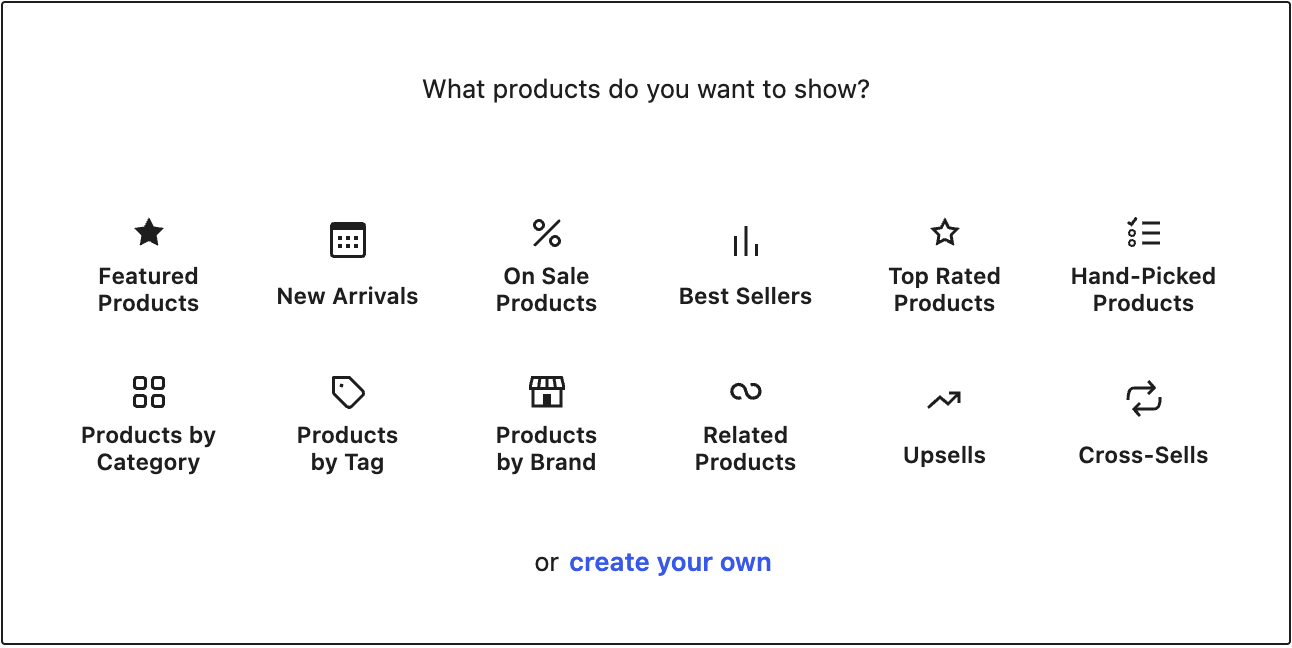
The convergence of editorial content and commerce is a key differentiator for successful brands. By embedding gift guides, comparison charts, and buying advice directly into product collection pages, merchants provide the context needed for a purchasing decision. For example, a store selling coffee equipment can provide a guide that differentiates between brewing methods, directly linking to the relevant product blocks. This educational layer removes the "analysis paralysis" that often leads to cart abandonment.
The Integration of Artificial Intelligence
The adoption of AI in the shopping experience is no longer a luxury but a necessity for scaling personalized service. According to the 2026 PwC Holiday Outlook, nearly 30% of consumers plan to utilize AI tools for gift discovery. These consumers expect retailers to provide similar AI-assisted experiences on their websites.
Retailers are increasingly deploying AI-powered shopping assistants that can navigate large product catalogs based on natural language queries. By analyzing customer inputs—such as "a gift for a beginner photographer under $200"—these tools can provide curated recommendations that mirror the efficacy of an in-store sales clerk. However, the success of these AI tools is entirely dependent on the quality of the underlying product metadata. Detailed descriptions, FAQ sections, and clearly defined product attributes are the foundational data points that allow AI to perform accurately.
The Final Mile: Inventory and Logistics
The most effective marketing strategy will fail if the underlying operational logistics are not in sync. A common failure point during peak season is the mismatch between promoted stock and actual inventory. As traffic spikes, the time it takes for stock levels to update across multiple channels—such as social media marketplaces and the web store—can lead to overselling.
Merchants must perform rigorous stress testing on their inventory management systems well before the holiday rush. Furthermore, transparency regarding order-by dates is critical. Clearly stating the cutoff for shipping, including the distinction between transit times and processing times, builds the trust necessary for a consumer to finalize a purchase. When a customer understands the logistical constraints, they are more likely to commit, turning an inquiry into a sale.
Broader Implications and Future Outlook
The trend toward earlier, more competitive, and more technical holiday seasons suggests that the "e-commerce boom" is maturing. The era of brute-force advertising is being replaced by an era of experience-based competition. Merchants who invest in technical infrastructure—fast-loading sites, simplified guest checkouts, and integrated data reporting—are setting themselves apart from competitors who rely solely on price-slashing.
The ultimate implication for the industry is clear: simplicity is the new competitive advantage. Every unnecessary step removed from the checkout flow, every piece of confusion eliminated from the product description, and every technical barrier cleared represents a direct increase in conversion. As we look toward future peak seasons, the retailers that thrive will be those that view their website not merely as a storefront, but as a carefully curated, data-informed, and user-centric path to purchase. By prioritizing the shopper’s experience over the mere volume of promotions, businesses can build the long-term loyalty that survives long after the holiday sales have ended.
Related posts: