Scaling Your Digital Presence: A Strategic Guide to Multi-Store Functionality in WooCommerce 2026

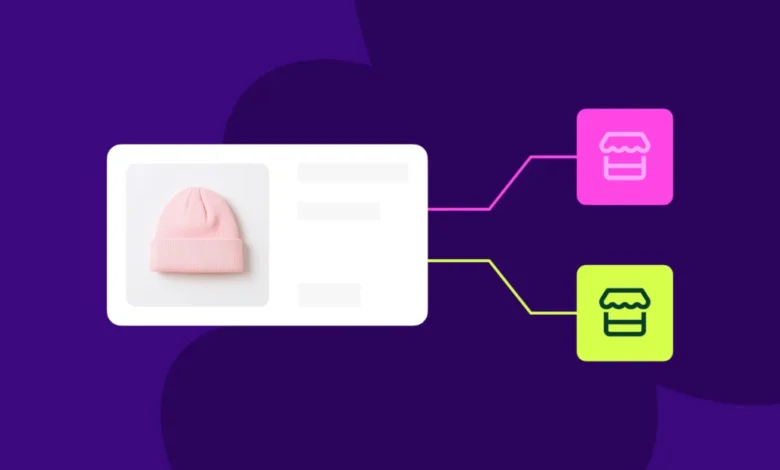
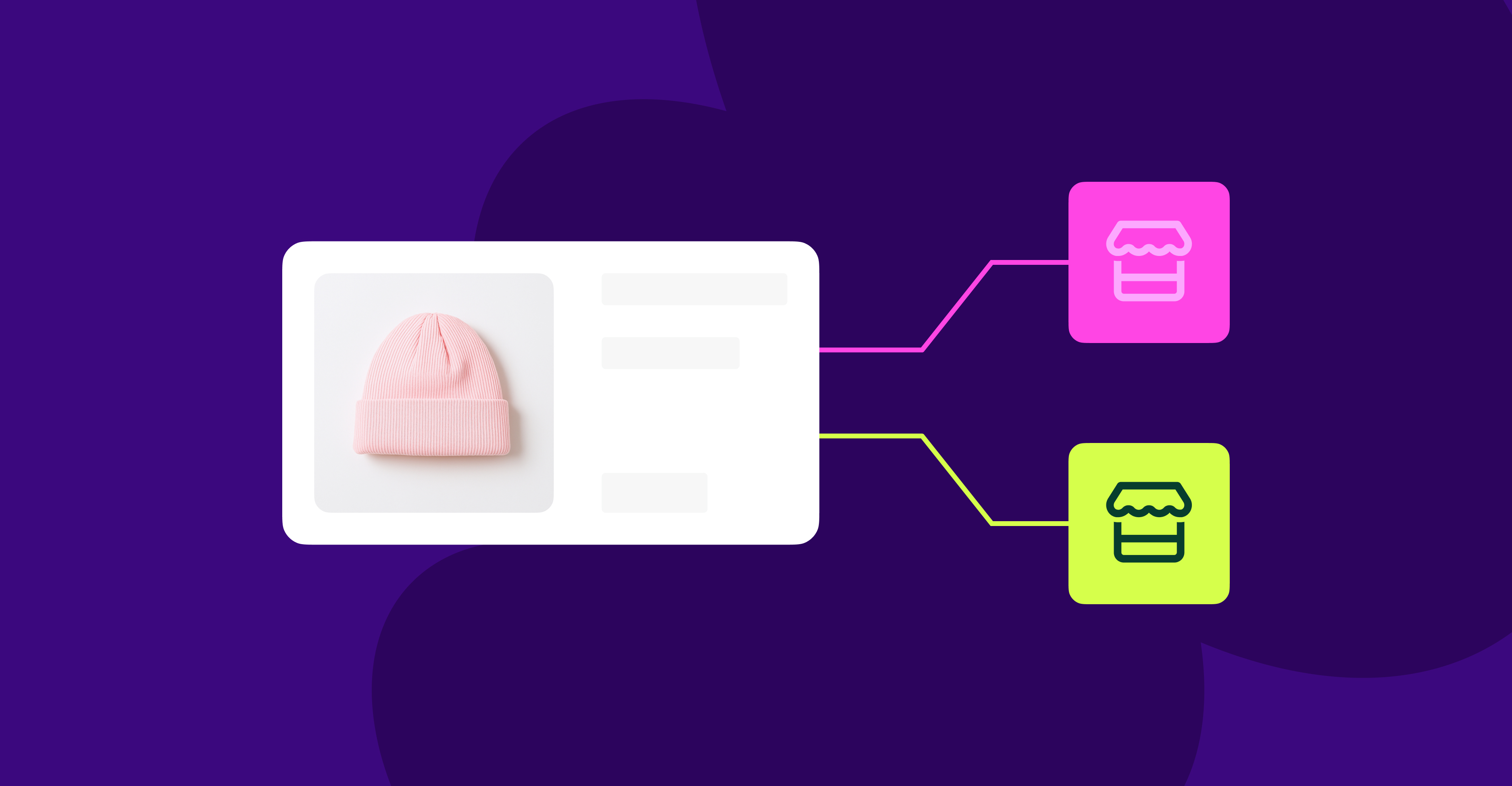
As e-commerce continues to evolve into a fragmented landscape of regional preferences and specialized branding, the requirement for robust multi-store architecture has shifted from a luxury to an operational necessity. For businesses launching secondary brands, penetrating new international markets, or establishing distinct wholesale channels, the ability to manage a portfolio of storefronts from a centralized hub is critical. WordPress Multisite, a feature-rich framework integrated into the core of the platform, provides the infrastructure to run multiple WooCommerce storefronts from a single installation. This architecture allows administrators to maintain consistent design and plugin standards across a network while granting individual stores the autonomy to manage unique products, regional pricing, localized currencies, and distinct domain configurations.
The Evolution of Multisite Architecture
The concept of network-based site management has existed within the WordPress ecosystem for over a decade, but its application in high-volume e-commerce has reached a new level of sophistication in 2026. Historically, managing multiple websites meant maintaining disparate server environments, which often led to "management sprawl"—a scenario where security patches, theme updates, and plugin compatibility checks were duplicated across dozens of dashboards.
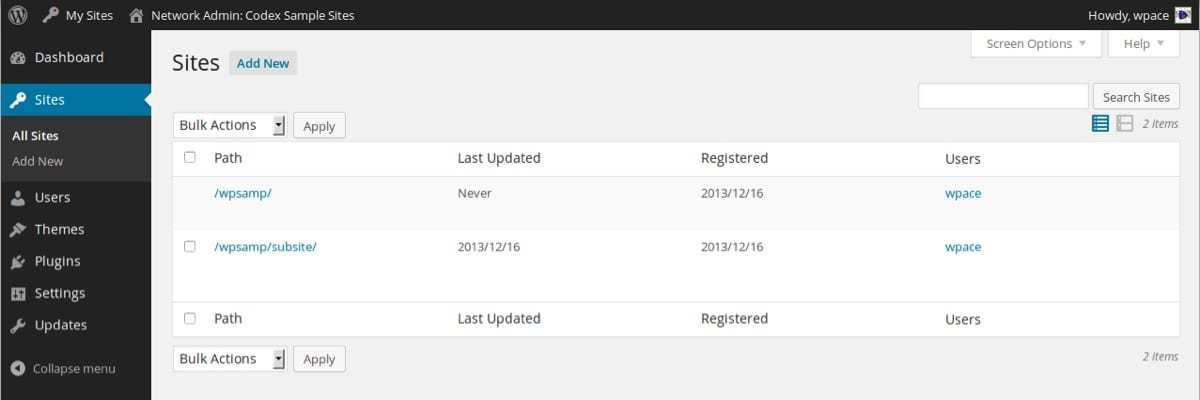
By centralizing these functions, the "Super Admin" of a Multisite network can deploy updates to the entire fleet of stores simultaneously. This not only significantly reduces the man-hours required for maintenance but also ensures that security protocols are uniform, mitigating the risks associated with outdated software on a single, forgotten sub-site. The technical architecture functions by utilizing a shared database where site-specific data—such as orders, products, and customer profiles—are stored in distinct tables, effectively segmenting the information while sharing the core application layer.
Strategic Planning: The Separation of Shared and Specific Assets
Before migrating to a multisite environment, organizations must undergo a rigorous audit of their operational requirements. The primary challenge for IT and marketing teams is determining which elements of the business should be synchronized and which should remain siloed.
For instance, a global retailer expanding into the European Union and the Asia-Pacific region simultaneously may choose to share a core product catalog to ensure brand consistency. However, these same storefronts must maintain independent tax tables, shipping logic, and localized payment gateways to comply with regional regulations. Research indicates that businesses that successfully implement a hybrid management strategy—centralizing technical maintenance while decentralizing customer-facing operations—experience a 22% increase in operational efficiency within the first 18 months of deployment.
Domain Strategy and SEO Implications
A critical, often overlooked element of the multisite transition is the domain architecture. The choice between subdirectories (e.g., example.com/france), subdomains (e.g., france.example.com), and mapped domains (e.g., example.fr) carries significant weight regarding search engine optimization (SEO) and brand identity.
Search engines treat these configurations with varying degrees of nuance. Subdirectories generally consolidate domain authority under a single root, which is beneficial for smaller, related stores. In contrast, fully mapped domains are preferred for distinct brands where the company wishes to maintain an independent market presence. Once a site is launched, migrating from a subdomain structure to a mapped domain structure is a complex technical undertaking that can cause temporary dips in search rankings if not handled with precise 301-redirect mapping and canonical URL tagging.
Analyzing the Technical Infrastructure
The shared database model, while efficient, introduces specific technical requirements. Because the network shares a single infrastructure, the server resources—CPU, RAM, and disk I/O—are also shared. This is a double-edged sword: if one store experiences a massive traffic spike due to a viral marketing campaign, the shared resources might be strained, potentially impacting the performance of other sites in the network.
To manage this, enterprise-grade hosting providers have introduced specialized "Network-Aware" hosting plans. These services are optimized for multisite installations, offering elastic scaling that detects load spikes at the network level and distributes resources dynamically. According to industry benchmarks, organizations operating on dedicated multisite-optimized hosting experience 40% fewer downtime events compared to those utilizing standard shared hosting environments.
The Decision Matrix: Is Multisite Right for Your Enterprise?
Not every business is an ideal candidate for a multisite network. The determination often hinges on the homogeneity of the technical stack. If two storefronts require vastly different plugin sets—for example, one requiring complex B2B wholesale extensions and the other requiring high-frequency social media integration—the risk of plugin conflicts within a single network increases.
To facilitate this decision-making process, stakeholders should evaluate their operations against the following criteria:
- Shared Operational Logic: Do the stores share the same warehouse, or do they have distinct logistics chains?
- Technical Overlap: Can the stores share the same theme and security protocols, or are the custom requirements too divergent?
- Security and Risk Tolerance: If one site is compromised, is the entire network at risk? (The answer is generally yes, necessitating a high-security posture).
- Maintenance Capacity: Does the team have the expertise to manage a complex multisite installation, or would independent, decoupled installs be more manageable?
Data Synchronization and Integration Challenges
While WooCommerce offers deep integration with WordPress, the multisite environment does not automatically synchronize inventory across sites. This is a common point of confusion for new users. If a single product is sold across three different storefronts within the same network, the inventory levels are technically distinct. To prevent overselling, merchants must implement synchronization middleware or plugins that communicate across the site tables in real-time.
Industry analysis from the 2026 e-commerce sector suggests that as businesses move toward "omnichannel" retail, the demand for sophisticated, API-driven synchronization tools is growing. These tools allow for a "Source of Truth" inventory model, where changes in one site trigger updates across the network, ensuring that the customer experience remains seamless regardless of which regional store they visit.
Professional Perspectives and Future Outlook
James Kemp, Core Product Manager for WooCommerce, has noted that the focus of the platform’s development remains on providing flexibility to the end-user. The recent improvements in the multisite interface represent a commitment to making high-scale operations accessible to mid-market businesses. As the platform matures, the trend is moving toward modularity, where specific site functionalities can be toggled on or off via a network-wide command center.
For businesses currently using separate WordPress installations, the migration to a consolidated multisite network should be viewed as a long-term infrastructure project. It is not merely a change in hosting, but a fundamental shift in how the organization manages its digital assets. The ultimate goal is to reduce the "technical debt" associated with managing disconnected systems, allowing the team to pivot focus from backend maintenance to front-end growth and customer acquisition.
Summary of Best Practices
For organizations moving forward with a multisite deployment, the following workflow is recommended:
- Audit Phase: Document all current plugins, themes, and custom integrations. Identify which can be standardized.
- Infrastructure Review: Consult with hosting providers specifically regarding their multisite load-balancing capabilities.
- Pilot Launch: Launch a single, non-critical store within the new network to test performance and data synchronization before migrating flagship sites.
- Compliance Check: Ensure that payment processing, which requires unique credentials for each store, is configured according to the specific regional financial regulations of each storefront.
In conclusion, while the implementation of a multisite network requires careful planning and a robust understanding of server-side resource management, the benefits of centralization—efficiency, security, and streamlined updates—make it a cornerstone strategy for the modern, multi-brand retailer. As global e-commerce demands continue to rise, the ability to manage a sophisticated network of stores with the ease of a single dashboard will undoubtedly be a key competitive advantage.