Scaling Your Ecommerce Operations: A Strategic Guide to Multi-store Functionality in WordPress and WooCommerce

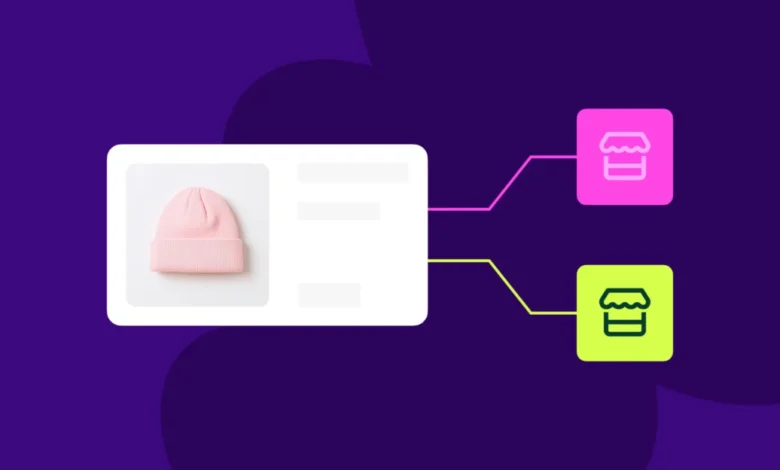
As digital commerce continues to evolve toward fragmented, niche-driven consumer experiences, businesses are increasingly looking for ways to manage multiple storefronts without ballooning their administrative overhead. Whether a company is launching a secondary brand, expanding into international territories, or establishing a dedicated wholesale portal, the technical architecture of their online presence is a critical determinant of success. WordPress Multisite, a core feature of the WordPress platform, provides a robust framework for managing a network of independent storefronts from a single, centralized installation. By consolidating themes, plugins, and core software updates, administrators can achieve significant operational efficiencies while maintaining the flexibility required for diverse regional or brand-specific requirements.
The Evolution of Network Architecture in WordPress
The concept of WordPress Multisite dates back to the platform’s early days as a blogging tool, originally introduced as "WordPress MU" (Multi-User) before being integrated into the core WordPress codebase in 2010. Over the past fifteen years, the functionality has matured into a sophisticated enterprise-grade solution. In 2026, the adoption of Multisite for WooCommerce has reached a new inflection point as merchants shift away from maintaining dozens of siloed, disparate servers toward a "unified backend, decentralized frontend" philosophy.
For the average enterprise, the decision to migrate to a Multisite architecture is rarely made overnight. It is typically the culmination of a multi-phase growth strategy. Initially, a company might start with a single site. As they expand, they may add sub-brands. Eventually, the maintenance burden—updating thirty separate instances of WooCommerce and fifty different plugins—becomes unsustainable. Data from current market analysis suggests that firms managing multiple storefronts can reduce their technical debt by approximately 40% by consolidating their infrastructure into a single, well-maintained Multisite network, provided they have the necessary hosting support to manage the increased resource demands.
Strategic Considerations: When to Consolidate
Before embarking on a network migration, internal stakeholders must conduct a rigorous audit of their operational requirements. The primary objective is to categorize assets into two buckets: those that benefit from uniformity and those that demand autonomy.
Industry experts suggest that "centralized maintenance" is the strongest argument for Multisite. When a security patch for WooCommerce is released, an administrator in a Multisite environment can deploy that patch across the entire network of storefronts simultaneously. In a fragmented environment, the same process could take days of manual labor. However, this convenience comes with a trade-off: if a critical plugin conflicts with the core update, it has the potential to impact every storefront in the network simultaneously. Therefore, the risk profile of a Multisite network is significantly higher than that of individual installations.
Architectural Blueprint: Managing Domains and Data
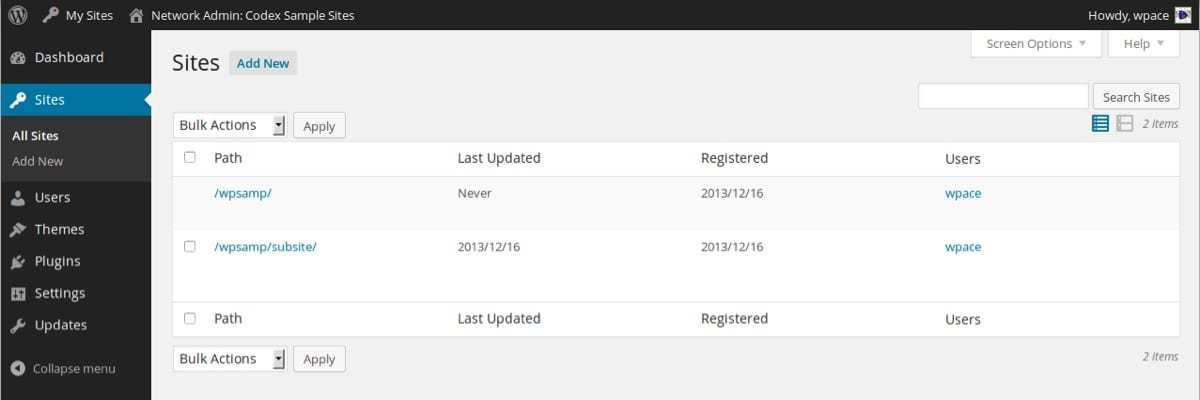
The technical configuration of a Multisite network requires a foundational decision regarding domain structure. Administrators have three primary paths: subdirectories (e.g., example.com/france), subdomains (e.g., france.example.com), or mapped domains (e.g., example.fr).
From an SEO perspective, these choices carry significant weight. Search engine crawlers interpret subdomains and separate domains differently. For businesses operating in multiple regions, mapped domains are generally considered the gold standard as they allow each site to build its own localized domain authority. Conversely, if the stores are closely related, subdirectories can help consolidate the overall domain authority of the primary site. Once this choice is made, it is notoriously difficult to reverse. Migration from subdomains to subdirectories after a site has matured can lead to broken internal links, lost indexation, and a temporary drop in traffic, necessitating a carefully planned 301-redirect strategy.
Under the hood, WordPress utilizes a shared database but maintains separate tables for the content of each site in the network. While this allows for efficient management of user accounts—such as a single login that works across a customer’s wholesale and retail portals—it does not inherently synchronize ecommerce data. Inventory, pricing, and tax settings remain isolated by design. This is a crucial distinction that often surprises new adopters of the technology.
The Synchronization Gap: Data and Inventory
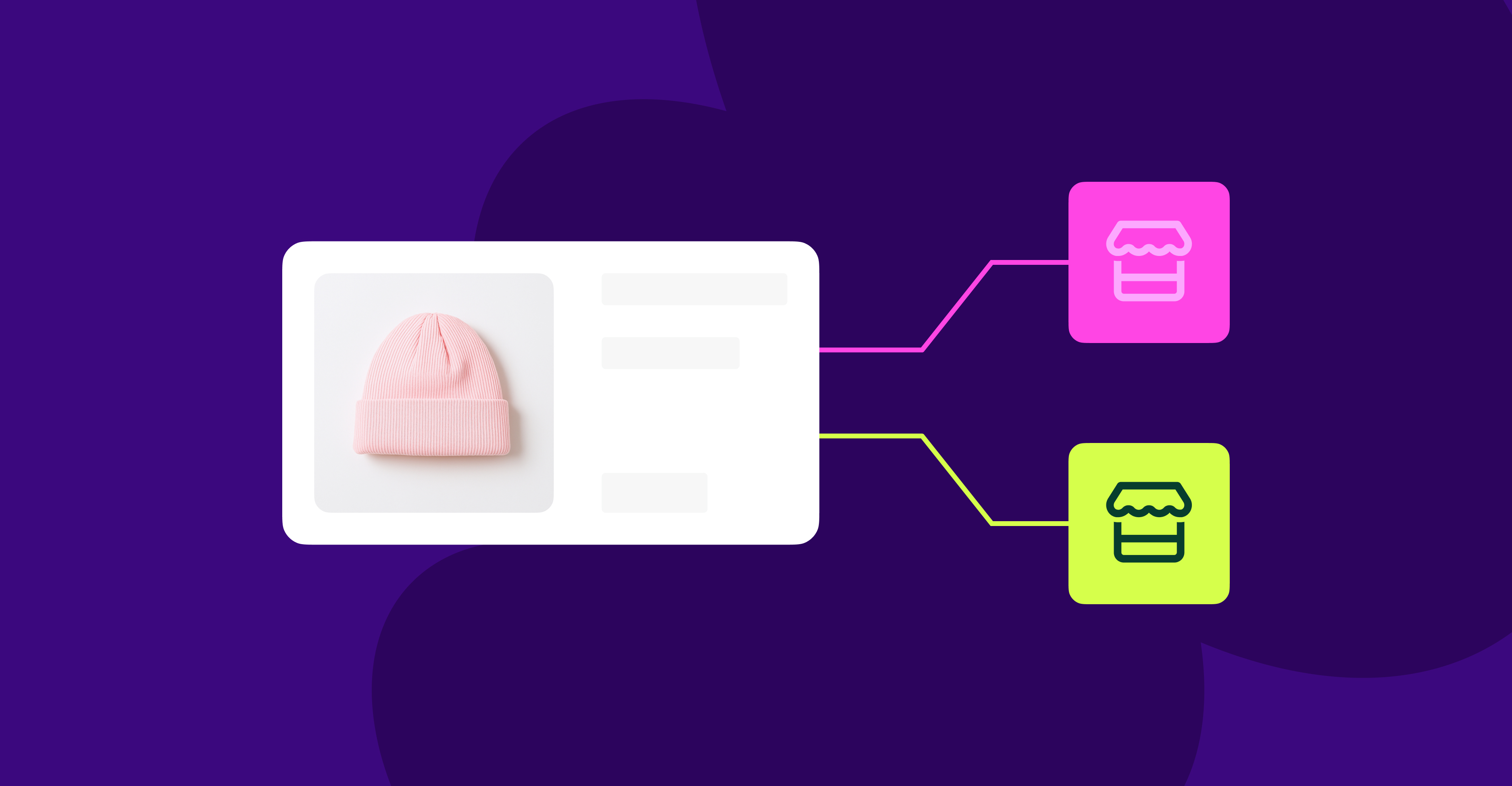
One of the most frequent misconceptions regarding Multisite is that it acts as a native ERP (Enterprise Resource Planning) system for inventory. It does not. If a company sells the same product across three different regional storefronts, a purchase on the "US" site will not automatically decrement the stock count on the "UK" site unless an external synchronization tool or custom API integration is implemented.
In response to this demand, the ecosystem of WooCommerce extensions has expanded to bridge this gap. Tools such as "Store and Products Sync" are now essential components for any merchant operating a multi-storefront model. These extensions handle the background communication between databases, ensuring that stock levels, SKU information, and pricing are reconciled in real-time. Without these integrations, the administrative burden of manually updating inventory across multiple storefronts would negate the efficiency gains offered by the Multisite architecture.
Operational Analysis: The Tipping Point
To determine if a business is ready for a move to a centralized network, leadership teams should pose four diagnostic questions:
- Operational Cohesion: Are the storefronts managed by a single team? If departments are siloed and have no desire for shared maintenance, the friction of managing a shared network may outweigh the benefits.
- Technical Overlap: Do the stores share a tech stack? If Store A requires a custom payment gateway while Store B requires an extensive set of regional tax plugins, the complexity of the shared network may introduce unnecessary overhead.
- Infrastructure Resilience: Can the hosting environment handle the aggregate traffic? A spike in traffic on one site in a shared network consumes resources that affect the availability of all other sites. Robust, high-performance hosting is non-negotiable.
- Risk Appetite: Is the business prepared for a "single point of failure" scenario? While centralization makes updates easier, it also means that a single misconfiguration can impact the entire revenue stream.
Perspectives on Future-Proofing
James Kemp, Core Product Manager for WooCommerce, has noted that the strategy behind choosing an infrastructure is ultimately about balancing speed with control. "The goal is to eliminate redundant tasks," Kemp suggests. "When you remove the need to manage five different WordPress installs for five different regional shops, you empower your team to focus on content, marketing, and the actual customer experience."
However, this does not imply that Multisite is the only path forward. For large-scale operations with vastly different compliance requirements—such as a store operating in the European Union under GDPR versus a store operating in a region with different data sovereignty laws—separate installations may be the more secure choice. Maintaining separate databases for these stores can simplify legal compliance and data audit trails.
Conclusion: A Decision Framework
As businesses scale, the move toward a consolidated architecture becomes a question of efficiency versus flexibility. The most successful organizations are those that treat their infrastructure as a dynamic asset. By carefully mapping which data points—such as customer loyalty programs or reporting analytics—should be shared across the network and which should remain localized to ensure market-specific customization, retailers can create a scalable ecosystem.
For those currently feeling the strain of managing multiple independent WordPress sites, a move to a unified network should begin with a comprehensive audit of current hosting capabilities and a pilot project to test the synchronization of critical data. Whether through the implementation of a Multisite network or the use of sophisticated API integrations between standalone sites, the objective remains the same: providing a seamless, high-performance shopping experience for the end user while minimizing the technical debt that threatens to slow down the modern, multi-channel retailer.