The Evolution of Social Commerce and Automation: A Comprehensive Review of Meta Platforms 2022 Transformations and 2023 Strategic Outlook

Meta Platforms Inc. concluded 2022 by implementing an aggressive suite of updates across Facebook and Instagram, signaling a decisive shift toward artificial intelligence, short-form video dominance, and automated advertising. As the parent company navigates a landscape increasingly defined by privacy regulations and intense competition from platforms like TikTok, the late 2022 updates provide a blueprint for a more streamlined, automated, and creator-centric ecosystem. This transformation is characterized by the expansion of the Reels format, the integration of native scheduling tools, and significant advancements in brand safety and intellectual property protection.
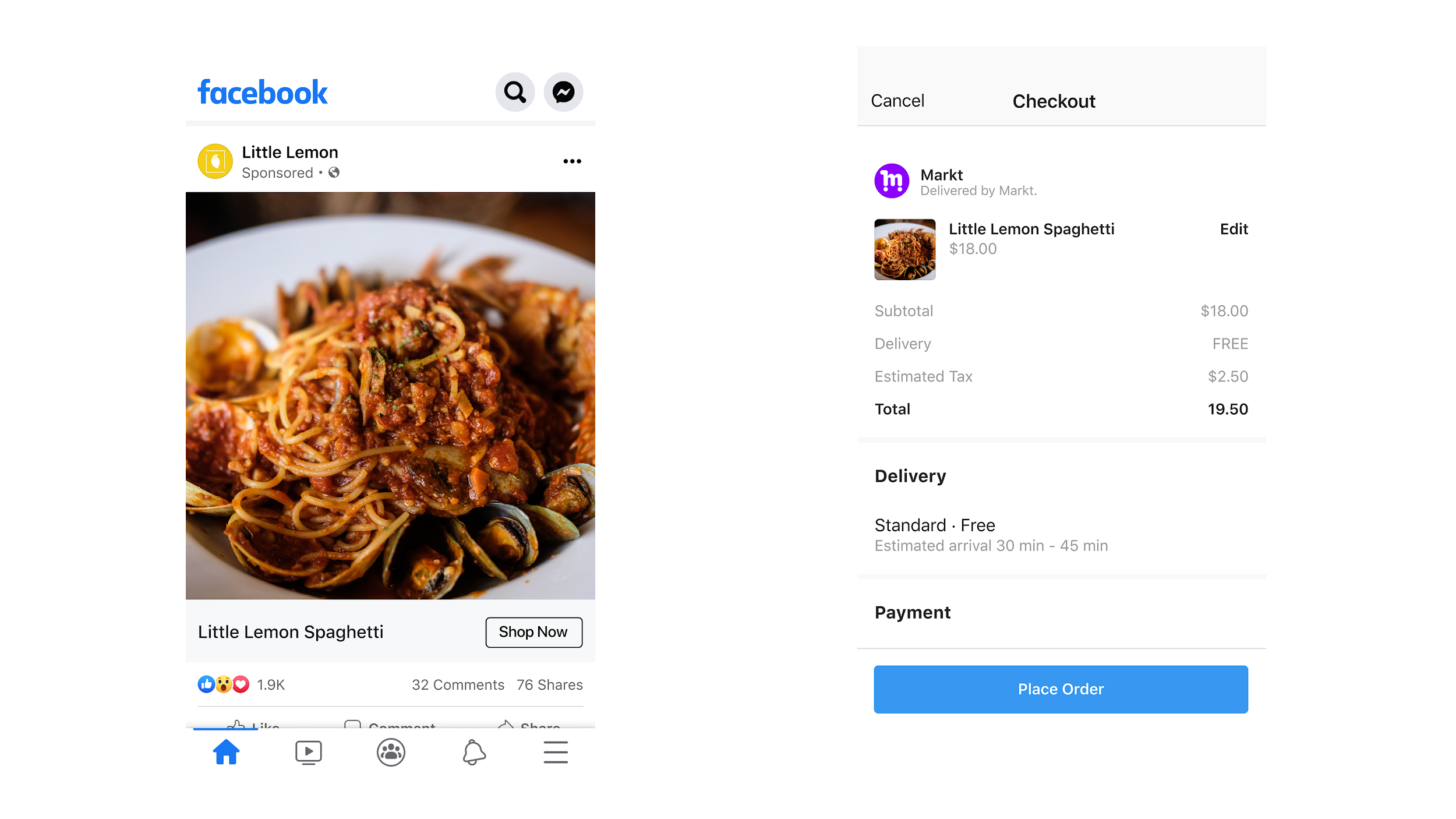
Strategic Pivot to Automation and Advantage+ Campaigns
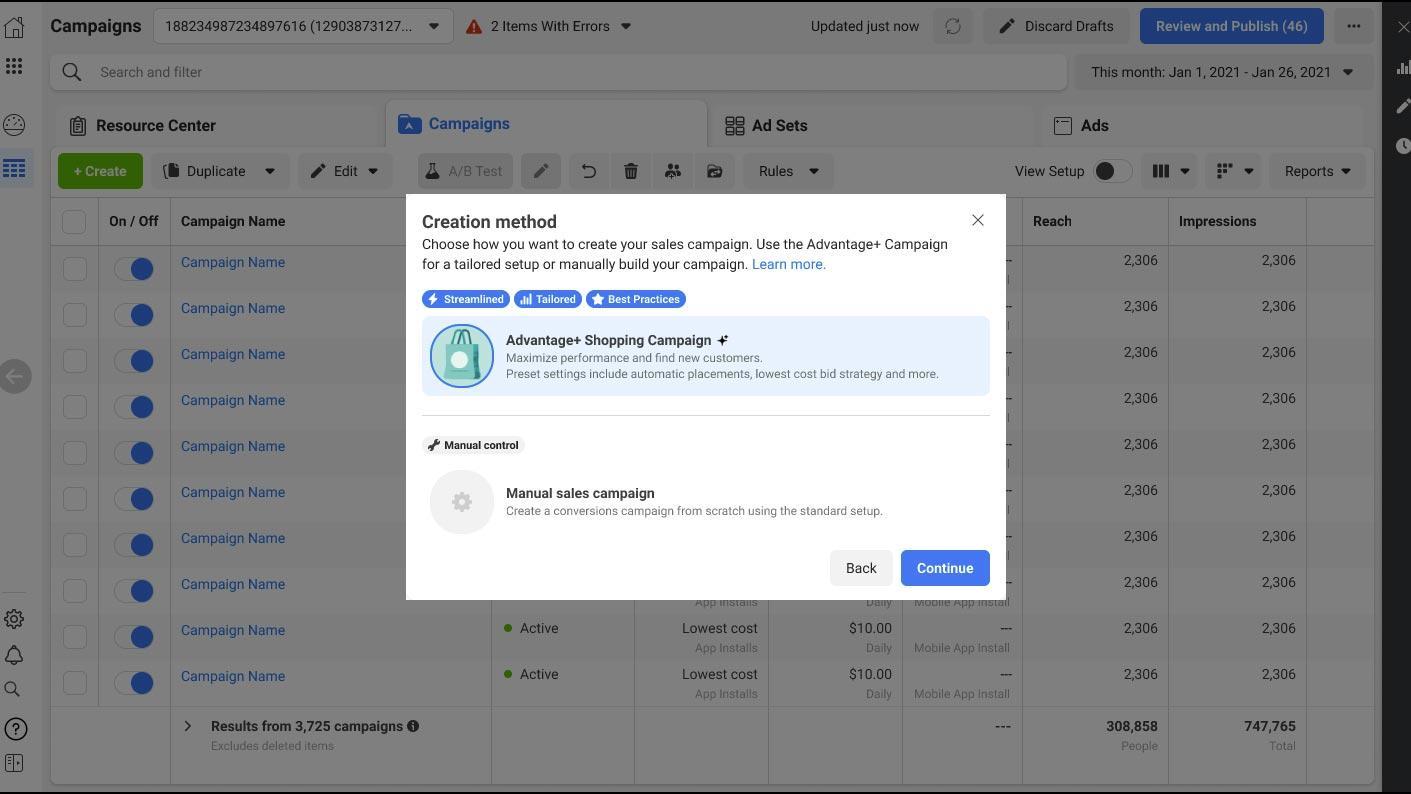
One of the most significant developments in the latter half of 2022 was the broader rollout and enhancement of the Meta Advantage+ suite. This collection of automated ad products leverages machine learning to optimize campaign performance with minimal manual intervention. According to internal data released by Meta, Advantage+ shopping campaigns led to a 12% lower cost-per-purchase conversion compared to traditional manual advertisements in early A/B testing.
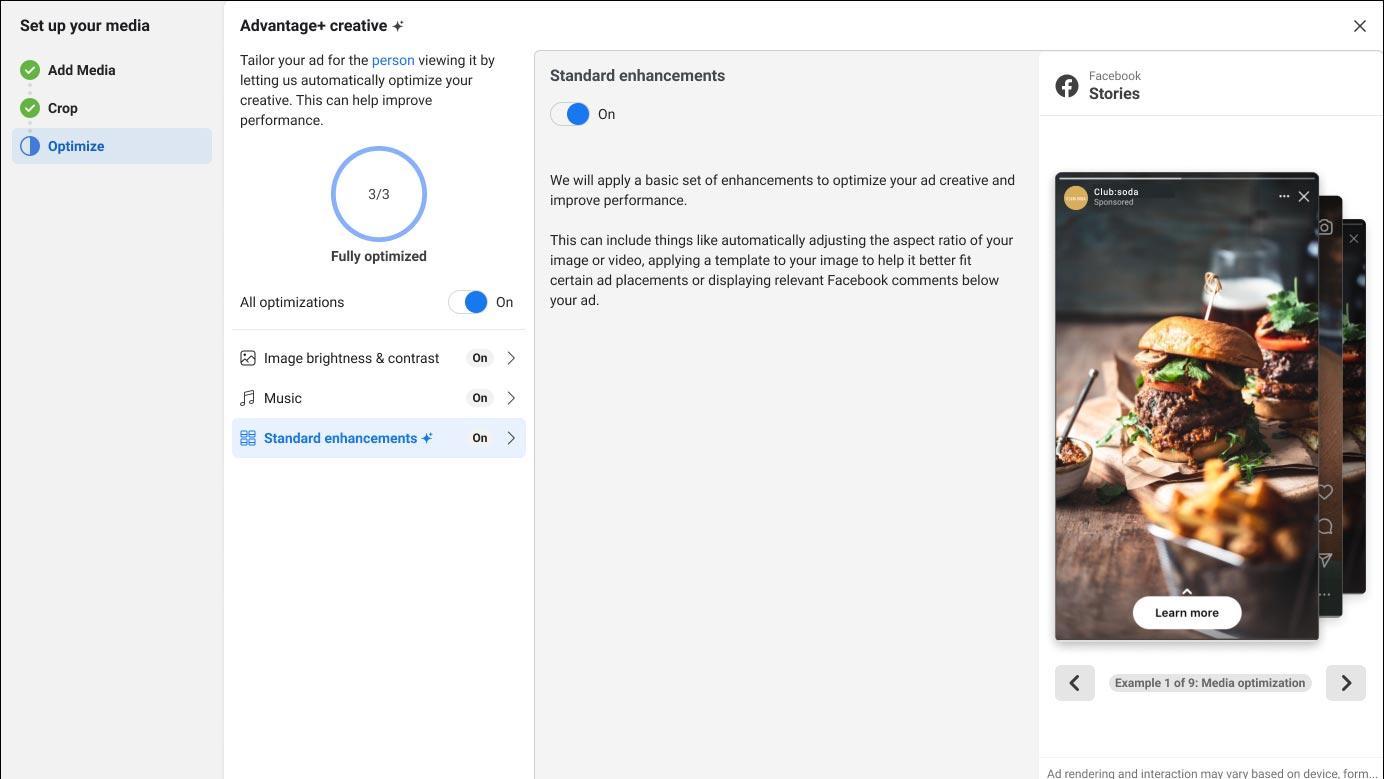
The Advantage+ suite is divided into two primary categories: Advantage features, which automate specific aspects of a manual campaign—such as creative adjustments or audience targeting—and Advantage+ campaigns, which automate the entire end-to-end process from budget allocation to creative testing. This shift toward automation is widely viewed by industry analysts as Meta’s primary response to the signal loss caused by Apple’s App Tracking Transparency (ATT) framework. By relying on internal machine learning models rather than third-party tracking, Meta aims to maintain high ROI for advertisers in a privacy-first environment.
Chronological Development: Q4 2022 Milestones
In December 2022, Meta released a series of essential best practices backed by internal data to assist advertisers in navigating the platform’s changing algorithms. These tips emphasized the importance of broad targeting combined with high-quality creative content. Simultaneously, Instagram addressed a long-standing request from its professional community by launching native content scheduling within its mobile app. This tool allows Business and Creator accounts to schedule Reels, photos, and carousel posts up to 75 days in advance directly from their mobile devices.
Earlier in October 2022, the company introduced the IP Reporting API, a sophisticated tool designed to protect original content across Facebook and Instagram. This API allows rights holders to report suspected intellectual property violations more efficiently by integrating directly with the Graph API. This was accompanied by improvements to the Brand Rights Protection feature, accessible through Business Manager, which helps brands identify counterfeit products, impersonation, and trademark violations.
The Rise of Reels and the Sunset of Live Shopping
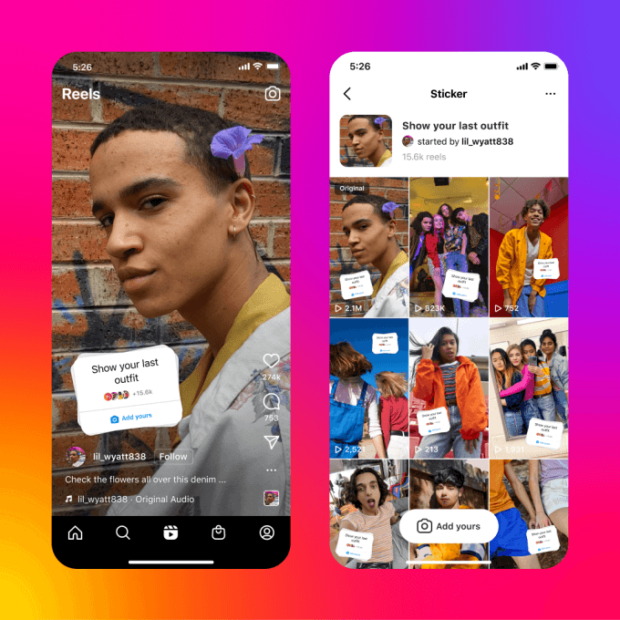
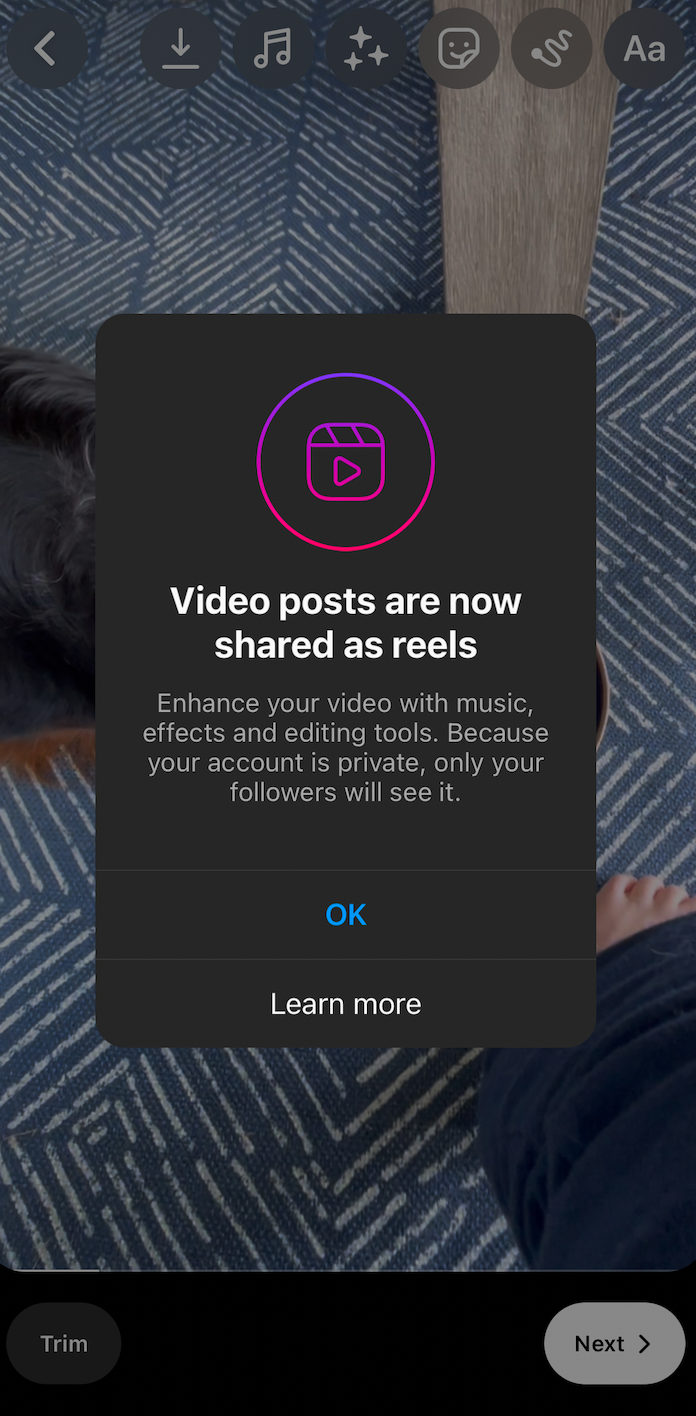
Throughout 2022, Meta’s strategic priority remained firmly fixed on Reels. The short-form video format, which saw a global rollout earlier in the year, has become the company’s fastest-growing content category. To streamline the user experience, Meta transitioned all new video posts under 15 minutes to the Reels format in July 2022. This move effectively merged the previously separate Video and Reels tabs on Instagram profiles.
However, the pivot toward short-form video led to the discontinuation of other features. In October 2022, Meta officially shut down the Facebook Live Shopping feature. The company stated that consumer viewing behaviors were shifting toward short-form video, leading them to focus resources on Reels and Reels-based advertising rather than long-form live broadcasts. This decision mirrors a broader industry trend where short, punchy content is outperforming traditional live-streamed e-commerce in Western markets.

Brand Safety Accreditation and Market Trust
A major milestone in Meta’s effort to regain advertiser trust occurred in late 2022 when the company received accreditation from the Media Rating Council (MRC) for content-level brand safety on Facebook. This accreditation followed an intensive audit of Meta’s policies, processes, and suitability controls applied to Instant Articles and In-Stream video across desktop and mobile platforms.
The MRC review focused specifically on Meta’s Partner Monetization Policies and Content Monetization Policies. In conjunction with this accreditation, Meta announced the testing of content-based inventory filters for both Facebook and Instagram feeds. These filters are designed to give brands more control over the types of content that appear adjacent to their advertisements, addressing long-standing concerns regarding the adjacency of brand messaging to controversial or sensitive organic posts.

Empowering the Creator Economy and Small Businesses
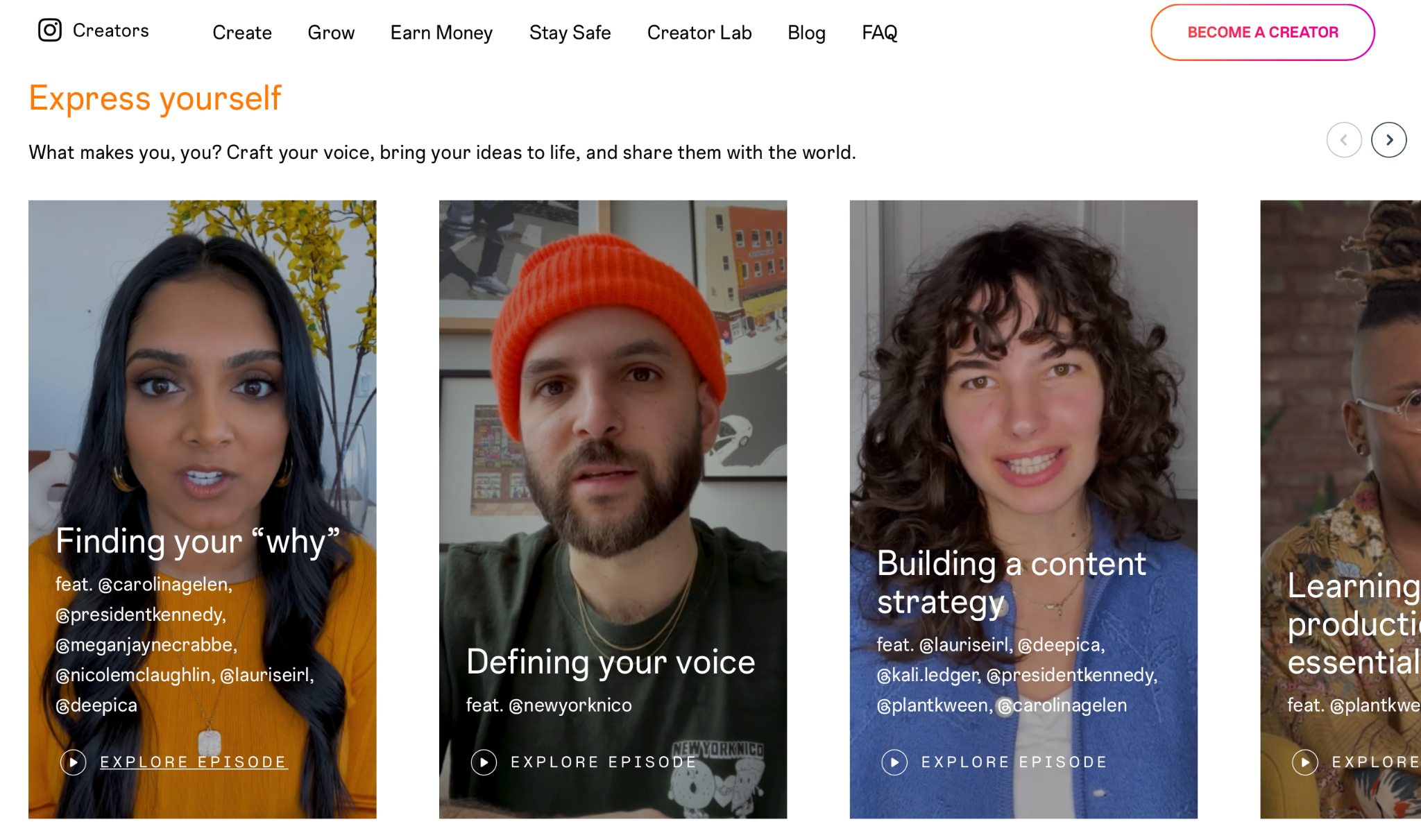
To bolster its creator ecosystem, Meta launched the Instagram Creator Marketplace in mid-2022, later expanding its features in October. The marketplace acts as a discovery and collaboration hub, allowing brands to find creators based on specific demographic filters, including age, gender, and interests of the creator’s audience. New features added in the final quarter of 2022 included "brand-led projects," where businesses can post opportunities that creators can discover and apply for directly.
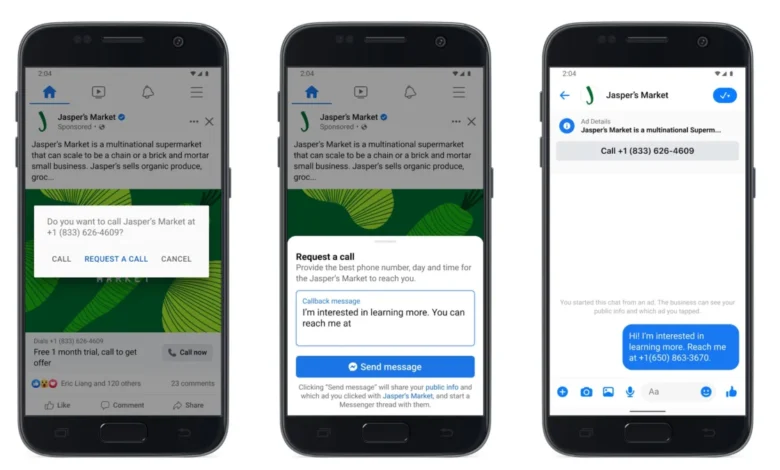
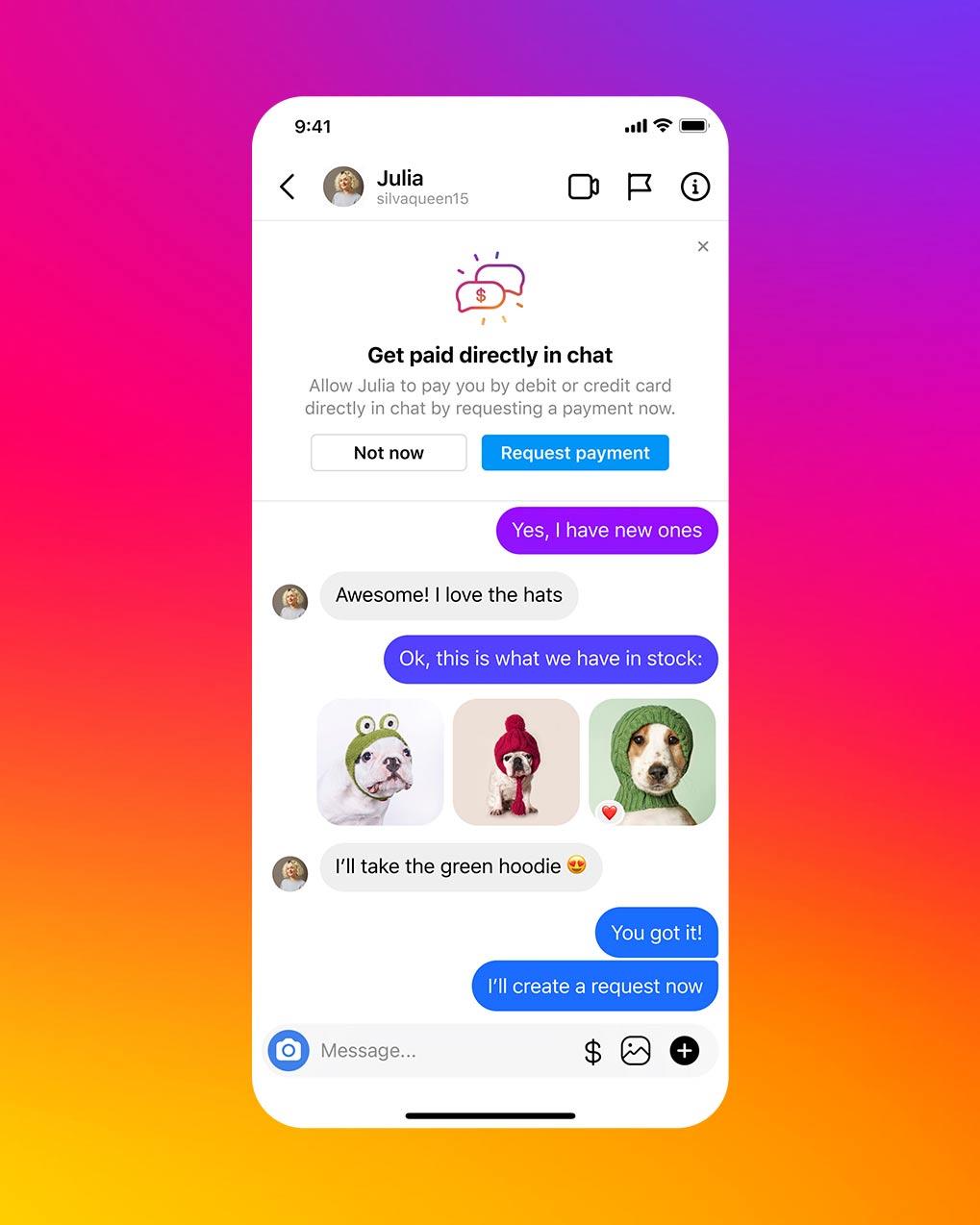
For small businesses, Meta introduced significant support resources during the 2022 holiday season. This included the "Small Business Studios" initiative, which provided on-demand video courses and live training tours in cities such as Detroit, Austin, and San Diego. Additionally, the company integrated new payment options within Instagram Direct Messages (DMs), allowing eligible small businesses to accept payments and track orders directly within a chat thread. This integration of commerce into messaging represents a move toward the "super-app" model popular in Asian markets, where discovery, communication, and transaction occur within a single interface.
Diversification of Ad Surfaces and B2B Targeting
Meta also expanded its advertising real estate in late 2022. New ad surfaces were introduced within the Instagram Explore home page and within profile feeds. This allows brands to reach users during the discovery phase of their app usage. Furthermore, the company addressed the historical difficulty of B2B marketing on its platforms by introducing new targeting segments based on professional criteria. These segments include "IT decision-makers," "Business decision-maker titles," and "New business founders," allowing Meta to compete more directly with professional networking platforms like LinkedIn.
Supporting Data and Financial Context
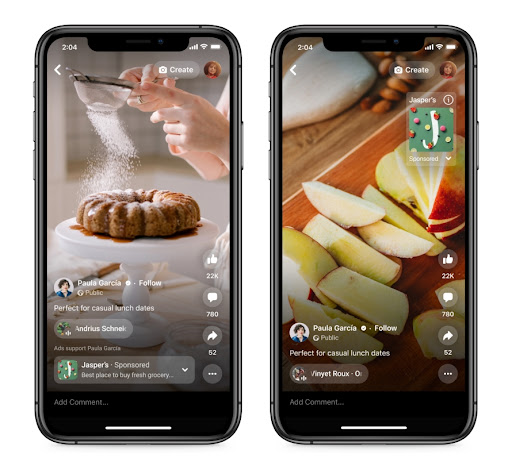
The aggressive pace of updates comes at a time of significant financial investment. Mark Zuckerberg has reportedly directed over $36 billion toward the development of the Metaverse since 2021. While the Metaverse remains a long-term vision with mixed commercial success in the short term, the underlying technology—including augmented reality (AR) and virtual reality (VR)—is already being integrated into current ad formats. For instance, Meta expanded its AR "Try On" features for beauty and home decor brands, allowing users to visualize products in their own environment before making a purchase.
Analysis of Implications for 2023
As the industry moves into 2023, Meta’s trajectory indicates three primary areas of focus:
- AI-Driven Performance: The continued push for Advantage+ campaigns suggests that Meta believes the future of digital advertising lies in "black box" automation, where the platform’s AI makes the majority of targeting and creative decisions to maximize efficiency.
- Short-Form Video Monetization: With the infrastructure for Reels now firmly in place, the focus will shift toward increasing the ad load within the format and improving the attribution models for short-form video content.
- Community and Messaging: The continuous updates to Facebook Groups and the integration of commerce into Messenger and WhatsApp DMs suggest that Meta is betting on "private" social spaces as the next frontier for brand engagement.
Meta’s 2022 updates have successfully streamlined the experience for both creators and advertisers, but the company remains under pressure to prove that its massive investments in AI and the Metaverse will yield sustainable long-term growth. For marketers, the takeaway is clear: success on Meta platforms now requires a mastery of short-form video creative and a willingness to trust automated systems over manual targeting.
Chronology of Key Meta Updates in 2022
- January-March: Introduction of Subscriptions for creators; rollout of the "Professional Dashboard" on Instagram.
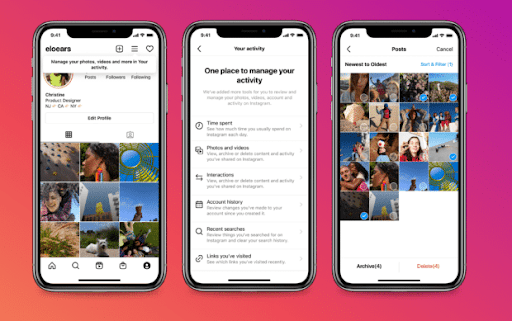
- April-June: Expansion of Reels to 90 seconds; launch of the "Your Activity" feature on Instagram; initial tests of the Creator Marketplace.
- July-September: Transition of all videos to Reels; global rollout of Facebook Reels; sunsetting of Live Shopping; introduction of Advantage+ Shopping campaigns.
- October-December: Launch of the IP Reporting API; MRC brand safety accreditation; native Instagram scheduling; expansion of B2B targeting options; launch of music in feed posts.
The evolution of Meta Platforms in 2022 reflects a company in transition, pivoting from its roots as a social networking site to an AI-powered engine for discovery and commerce. The success of this transition will be determined by the platform’s ability to balance the needs of its massive user base with the performance requirements of its millions of advertisers in an increasingly complex digital economy.