The Rise of Bluesky and the Strategic Evolution of Decentralized Social Networking Management


The social media landscape is currently undergoing its most significant transformation since the inception of the "big tech" era, marked by a decisive shift toward decentralized architectures and user-governed ecosystems. At the forefront of this movement is Bluesky, a platform that has rapidly ascended to become one of the most influential alternatives to traditional centralized networks. With a registered user base exceeding 40 million and a growth trajectory that continues to defy industry expectations, Bluesky represents a fundamental rethink of how digital communities are built, moderated, and sustained. Originally incubated within Twitter during the tenure of former CEO Jack Dorsey, the platform has since matured into an independent entity, championing a "billion-person" vision for the social internet. This growth is not merely a byproduct of user dissatisfaction with legacy platforms; it is the result of a deliberate technical strategy centered on the Authenticated Transfer (AT) Protocol, which aims to provide users with unprecedented control over their data, their feeds, and their digital identities.
The Chronology of Bluesky: From Internal Project to Global Contender
The history of Bluesky is inextricably linked to the broader volatility of the social media industry over the last five years. The project was first announced in late 2019 by Jack Dorsey, who envisioned a decentralized standard for social media that would allow different platforms to communicate with one another, much like email. By 2022, Bluesky PBLLC was established as an independent public benefit limited liability company, ensuring that its mission would remain distinct from the corporate interests of Twitter (now X).
The platform’s growth timeline reflects a series of strategic milestones and external catalysts:
- 2019–2021: Conceptualization and protocol development under the leadership of Jay Graber.
- Early 2023: Launch of the invite-only beta, which created a high-demand "velvet rope" effect, attracting early adopters, journalists, and academics.
- February 2024: The platform removed its invite-only restriction, opening to the general public. This move resulted in an immediate surge, with over one million new users joining within the first 24 hours.
- Late 2024: Bluesky experienced a massive influx of users following regulatory disputes and service suspensions of X in various regions, most notably Brazil. This period saw the user base swell toward the 40 million mark, solidifying its status as a primary destination for "digital refugees."
Technical Architecture: Understanding the AT Protocol
A critical distinction between Bluesky and its competitors is its underlying technology. While platforms like Mastodon and Instagram’s Threads utilize the ActivityPub protocol—the backbone of the "Fediverse"—Bluesky is built on the AT Protocol. This is an open-source framework designed for large-scale, distributed social applications.
The AT Protocol introduces several key innovations:
- Account Portability: Unlike traditional social media, where your followers and data are locked to a specific provider, the AT Protocol allows users to move their accounts from one provider to another without losing their social graph.
- Algorithmic Choice: Bluesky allows users to choose the algorithms that sort their feeds. This "marketplace of algorithms" reduces the power of a single corporation to dictate what information is prioritized.
- Self-Hosting Capabilities: For advanced users and organizations, the protocol supports self-hosting. This means an entity can run its own server while remaining fully connected to the broader Bluesky network, ensuring total data sovereignty.
The Role of Buffer in the Decentralized Ecosystem
As the network grows, the complexity of managing a presence across multiple decentralized and centralized platforms has increased. This has necessitated the rise of sophisticated management tools. Buffer, a leader in social media orchestration, has integrated Bluesky into its suite of publishing and analytics tools to bridge the gap between various protocols.
For creators, brands, and organizations, the decision to join a new platform involves a calculation of resource allocation. The integration of Bluesky into Buffer’s ecosystem mitigates this by allowing for streamlined scheduling and crossposting. This is particularly relevant given that Bluesky does not currently offer a native, built-in scheduling feature. By utilizing third-party tools, users can maintain a consistent presence on Bluesky while simultaneously managing accounts on X, Threads, Mastodon, and LinkedIn.
Strategic Benefits of Scheduled Content and Crossposting
In a professional journalistic or marketing context, the ability to schedule content is more than a convenience; it is a strategic necessity. There are several data-driven reasons why scheduling is becoming the standard for Bluesky power users:
- Time Zone Optimization: With a global user base, content must be surfaced when specific target audiences are most active. Scheduling allows creators to reach peak engagement windows in London, New York, and Tokyo simultaneously without manual intervention.
- Content Pacing: To avoid "feed flooding," where a user posts multiple updates in a short burst, scheduling allows for a steady drip of information, which is favored by many algorithmic discovery feeds.
- Thread Management: Bluesky’s "thread" culture is a primary driver of engagement. Buffer’s ability to draft, organize, and schedule entire threads ensures that long-form narratives are delivered in a cohesive, readable format.
Operational Guide: Integrating Bluesky with Professional Workflows
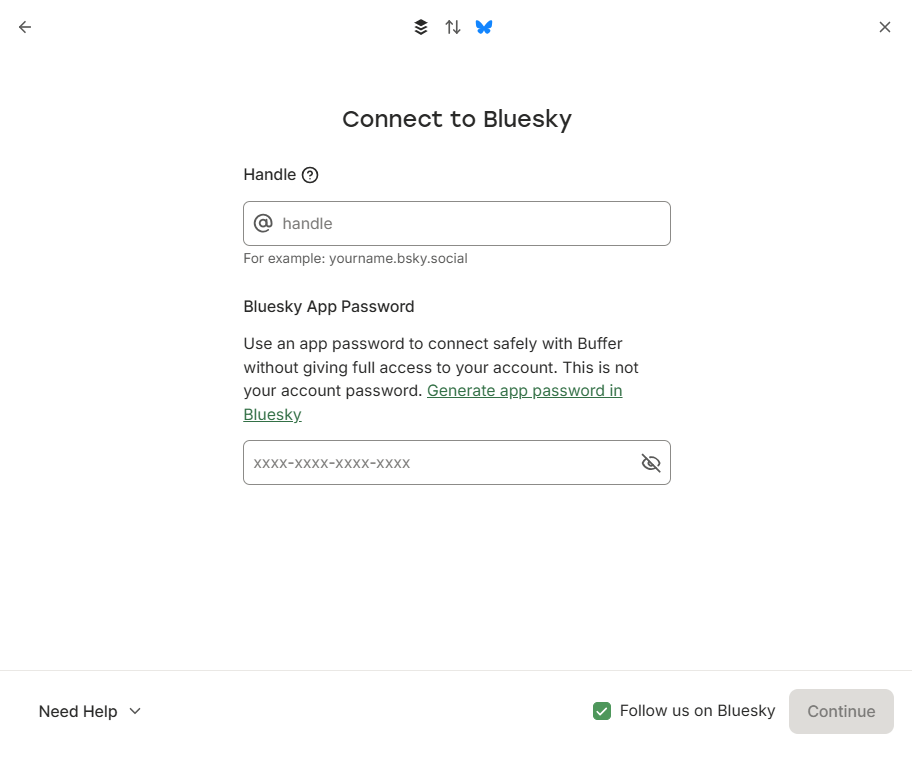
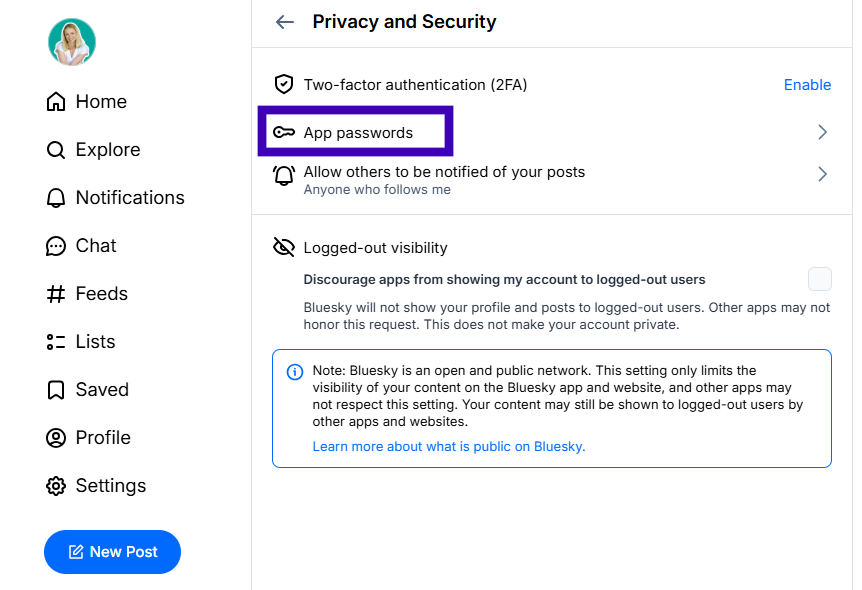
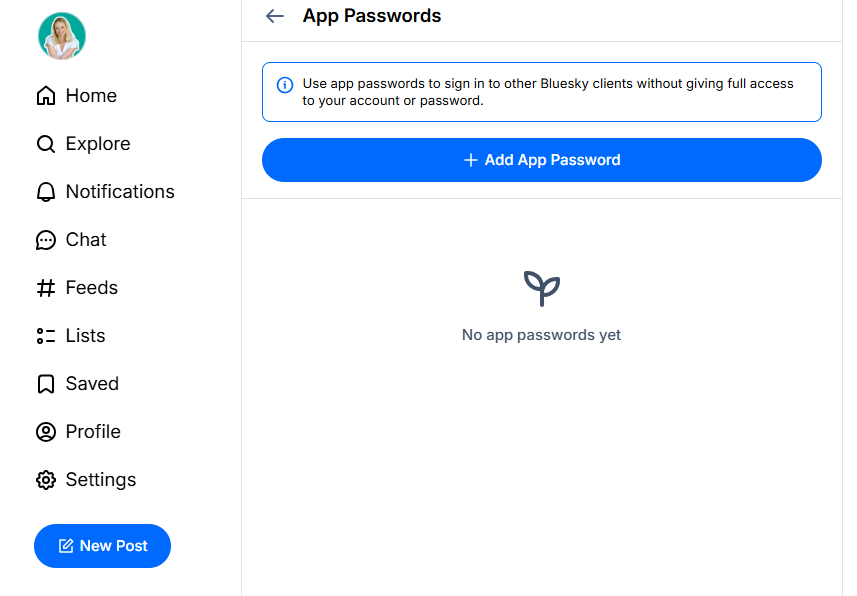
For organizations looking to formalize their Bluesky presence, the connection process involves several security-focused steps. Because Bluesky emphasizes decentralized security, it utilizes "App Passwords" rather than primary account passwords for third-party integrations.
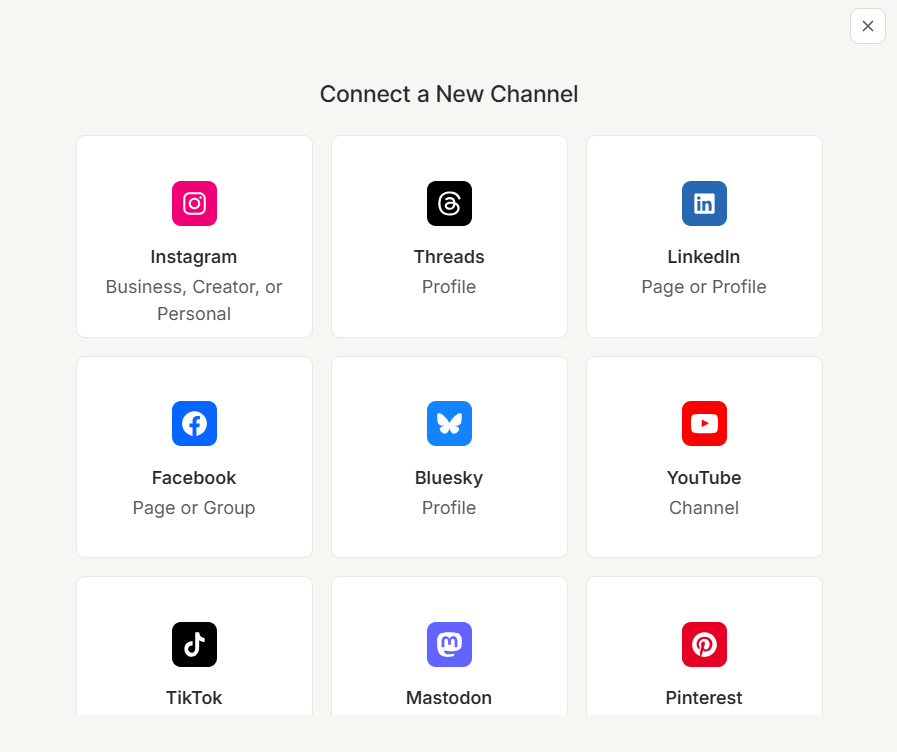
- Channel Connection: Within a management dashboard like Buffer, users select Bluesky as a new channel.
- Security Protocol: Users must navigate to the "Settings" menu within the Bluesky app, select "Privacy and Security," and generate a unique App Password. This ensures that the primary login credentials remain secure and can be revoked from specific third-party apps at any time.
- Content Composition: Once connected, the composer allows for the inclusion of text, high-resolution images, and video content.
- Accessibility Integration: A vital aspect of the Bluesky community is its emphasis on accessibility. Management tools now allow for the seamless addition of Alt Text to images, ensuring that content is accessible to visually impaired users across the decentralized web.
Broader Implications for the Social Internet
The rise of Bluesky and the support from platforms like Buffer signal a move away from the "walled garden" model of social media. In the centralized model, a single company controls the code, the servers, the data, and the moderation policies. In the decentralized model represented by Bluesky, these layers are unbundled.
Industry analysts suggest that this shift has profound implications for digital democracy and corporate accountability. When users have the "right to exit"—the ability to move to a different service provider while keeping their audience—platform operators are incentivized to maintain higher standards of service and moderation to prevent user churn.
Furthermore, the "crossposting" capability provided by tools like Buffer acts as a functional bridge between competing protocols. While Bluesky’s AT Protocol and the Fediverse’s ActivityPub are currently distinct and non-interoperable, management software allows users to exist in both worlds. This creates a unified experience for the user while the underlying technical "protocol wars" continue to play out in the background.
Frequently Asked Questions and Technical Considerations
Is self-hosting viable for the average user?
While the AT Protocol supports self-hosting, it remains a technical endeavor primarily suited for developers or organizations with dedicated IT resources. For the vast majority of the 40 million users, the main Bluesky-hosted instance (bsky.social) provides the intended experience without the overhead of server management.
How does Bluesky handle moderation in a decentralized environment?
Bluesky employs a "stackable" moderation model. The platform provides a baseline of safety, but users can subscribe to additional "labelers"—independent services that flag content based on specific criteria (e.g., fact-checking, spam detection, or niche community standards).
What media formats are currently supported?
The platform currently supports text, static images, and video. As the AT Protocol evolves, support for more complex data types and interactive elements is expected to expand.
Conclusion: The Future of Distributed Engagement
Bluesky’s journey from a research project to a 40-million-user powerhouse is a testament to the growing demand for an open, transparent social web. By providing an interface that is familiar to users of legacy platforms while implementing a radical new backend architecture, Bluesky has successfully lowered the barrier to entry for decentralized social media. As tools like Buffer continue to evolve, the friction associated with managing these new accounts will continue to decrease, likely leading to an even more diverse and resilient social media landscape. The mission to ensure that "social media is too important to be controlled by a few corporations" is no longer just a vision; it is a functioning reality for millions of users worldwide.