The Evolution of B2B Sales: Transitioning from Random Acts to Data-Driven Precision in a Digital-First Era


The fundamental landscape of the consumer and business-to-business (B2B) experience has undergone a radical transformation over the past two decades. With the ubiquity of smartphones and the subsequent democratization of information, the power dynamic in the sales process has shifted decisively toward the buyer. Today’s B2B purchasers are "digital natives" who arrive at the negotiating table with a comprehensive set of self-developed criteria, often having completed a significant portion of their research before ever engaging with a sales representative. This seismic shift necessitates a departure from traditional, volume-based sales tactics toward a more sophisticated, intelligence-led approach that prioritizes precision and relevance over mere activity.

A Chronology of the Digital Shift in B2B Purchasing
The shift toward a digital-first sales environment began in earnest during the late 2000s, coinciding with the rapid adoption of mobile computing. In the early days of this transition, companies utilized rudimentary data analytics to track consumer behavior, aiming to deliver targeted content. However, the initial iteration of these tools often resulted in "noisy" data that lacked actionable context.
By 2015, the B2B sector reached a critical turning point. Reports from industry analysts indicated that B2B buyers were conducting nearly 70% of their research online before contacting a vendor. This trend solidified by 2018, as documented by Harvard Business Review and other industry observers, who noted that the "B2B buyer journey" had become entirely nonlinear. Buyers began navigating a labyrinth of webinars, white papers, peer reviews, and social media discussions, effectively marginalizing the traditional sales representative whose value proposition was historically tied to the dissemination of product information.

The Myth of Productivity: The "Activity Trap"
In response to the increased difficulty of reaching modern, well-informed buyers, many sales organizations fell into the trap of "activity-based management." Managers, seeing that their teams were struggling to penetrate the noise of the digital landscape, often incentivized higher volumes of outreach—more calls, more emails, and more meetings. This strategy, frequently labeled as "productivity," often masked a decline in actual efficacy.
The phenomenon of "random acts of selling" describes this inefficient model. When sales representatives lack granular, data-backed insights into a prospect’s specific intent or internal decision-making structure, they are forced to engage in conjecture. They guess at what the buyer finds valuable, guess at the timing of their outreach, and often guess at the identity of the key stakeholders within the target organization. The result is a high-volume, low-conversion cycle that consumes significant resources while producing inconsistent results. As the saying goes in sales management circles, "waste scales as well"—meaning that when a broken process is accelerated through automation without refinement, the organization simply becomes more efficient at failing.

Data-Driven Insights vs. Guesswork
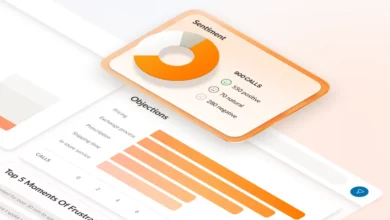
The contemporary challenge for sales organizations is not a lack of data, but a lack of actionable intelligence. According to industry studies on sales efficiency, organizations that leverage artificial intelligence (AI) and predictive analytics to guide their sales motions experience significantly higher win rates compared to those relying on traditional, manual prospecting.
The transition from "guessing to guided" selling involves several critical components:

- Intent Monitoring: Utilizing signals from third-party sources and digital footprints to identify when a prospect is actively looking for a solution.
- Stakeholder Mapping: Identifying the full buying committee, rather than relying on a single point of contact, to ensure that value propositions are aligned with the needs of every influencer.
- Process Optimization: Replacing rigid, linear sales stages with dynamic workflows that adapt to the buyer’s specific journey.
Industry experts suggest that the most successful firms are now treating sales as a science rather than an art. By codifying what works—such as the specific sequence of touchpoints that leads to a conversion—and automating the deployment of those sequences, managers can ensure their teams spend less time on manual data entry and more time on high-value, human-to-human engagement.
The High Cost of Misalignment
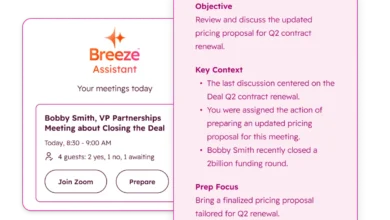
The implications of failing to adapt to this new environment are severe. When sales representatives operate without clear, data-informed guidance, they frequently fall victim to "surprises" late in the sales cycle. A common failure point occurs when a rep believes they are nearing a close, only to discover that they have failed to secure buy-in from a critical stakeholder—such as a CFO or an IT security lead—who was never properly engaged.

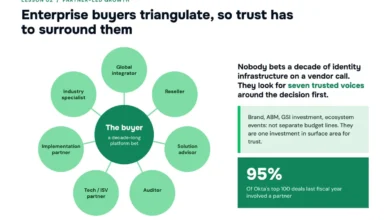
Research into sales performance shows that the average B2B buying committee now includes between six and ten decision-makers. When a representative is unaware of the internal dynamics of the client organization, the probability of a "no-decision" outcome increases exponentially. This is not merely an inconvenience; it is a significant drain on the organization’s bottom line, representing thousands of dollars in lost opportunity costs and wasted personnel hours.
Official Perspectives and Market Implications
Leaders in the sales technology space have begun to frame this transition as a fundamental shift in the definition of a sales professional. No longer a "pitchman," the modern sales representative is increasingly viewed as a consultant or a facilitator who helps the buyer navigate complex organizational decisions.

In recent industry forums, observers have noted that while the tools available to sales teams have become more powerful, they have also become more intimidating. The goal for the next five years is the simplification of the stack. Companies are moving toward "unified" platforms that provide a single pane of glass for the seller, integrating CRM data, communication history, and predictive insights into one intuitive interface.
The broader impact on the economy is significant. As B2B commerce increasingly moves to digital channels, the organizations that master this digital-first engagement will secure a competitive advantage that is difficult to replicate. Conversely, firms that persist in high-volume, low-precision outreach will likely see their customer acquisition costs continue to climb as buyers become increasingly adept at filtering out irrelevant solicitations.

The Path Forward: Scaling What Works
The path to excellence in the current market lies in a disciplined, analytical approach to sales execution. It requires a shift in leadership philosophy: managers must stop measuring "busyness" and start measuring "effectiveness."
Effective sales organizations are those that:

- Centralize Data: Breaking down silos between marketing, sales, and customer success to provide a 360-degree view of the customer.
- Prioritize Quality Over Quantity: Investing in personalized, relevant outreach that respects the buyer’s time and provides genuine value.
- Adopt Predictive Modeling: Using historical data to identify which leads are most likely to convert, thereby focusing resources on the most promising opportunities.
Ultimately, the goal of modern sales technology is to eliminate the guesswork. When a sales representative knows exactly who to call, why they are calling, and which value proposition will resonate most effectively, they stop being a source of noise and become a trusted advisor. This evolution from "random acts" to "guided precision" is not just a tactical adjustment; it is a necessary adaptation for any firm intending to survive and thrive in a world where the buyer is always in control.
As the industry continues to evolve, the distinction between high-performing sales teams and the rest of the market will only widen. By embracing data-driven guidance and abandoning the archaic, volume-heavy practices of the past, organizations can foster deeper, more sustainable relationships with their clients, ensuring long-term growth and stability in an increasingly complex global marketplace. The mandate for the modern sales leader is clear: stop guessing, start selling, and leverage the power of intelligence to scale what actually works.