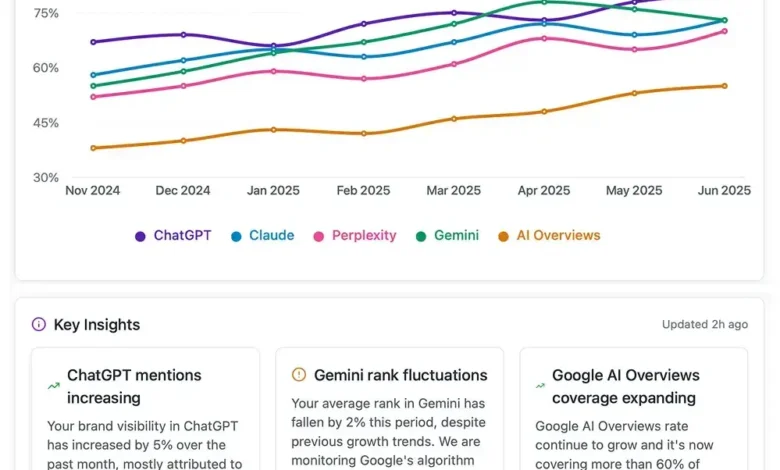
The digital marketing landscape for Software-as-a-Service (SaaS) companies is undergoing a profound transformation, driven primarily by the rapid ascent of artificial intelligence in search and discovery. While a robust Search Engine Optimization (SEO) strategy remains fundamental, a distinct focus on Answer Engine Optimization (AEO) has become not just beneficial, but an absolute necessity for SaaS brands seeking to maintain visibility and drive growth. The shift in how buyers conduct product discovery and evaluation within the SaaS sector has been disproportionate, necessitating a specialized approach that transcends traditional ranking metrics.
The Paradigm Shift: From Clicks to Answers
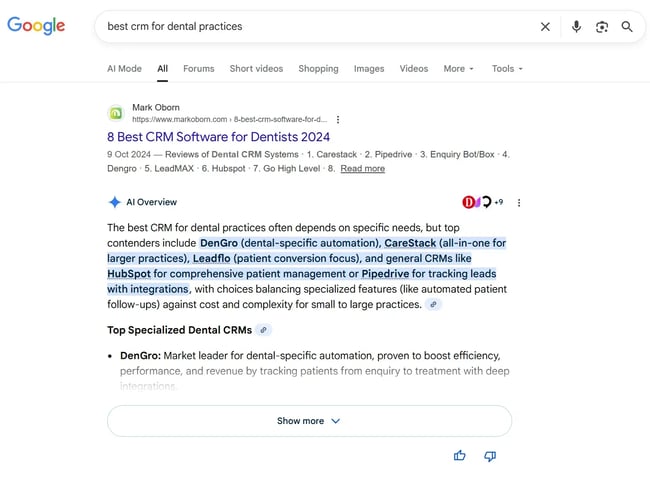
For years, SEO’s primary objective was to secure top rankings in search engine results pages (SERPs), aiming for maximum organic clicks and website traffic. The advent of generative AI chatbots and AI-powered search interfaces, however, has fundamentally altered this dynamic. Today, visibility no longer automatically equates to clicks on a website link. Instead, AI-driven systems are designed to synthesize information, provide direct answers, summarize complex topics, and even make recommendations directly within the search interface. For SaaS, where product features, use cases, and comparisons are often intricate, this shift is particularly impactful. Buyers are increasingly turning to AI to quickly understand solutions, compare vendors, and build initial shortlists, often bypassing direct website visits in the early stages of their journey. This means that merely ranking well in traditional search results is insufficient; a brand’s expertise, product differentiation, and overall value proposition must be accurately understood and surfaced by AI.
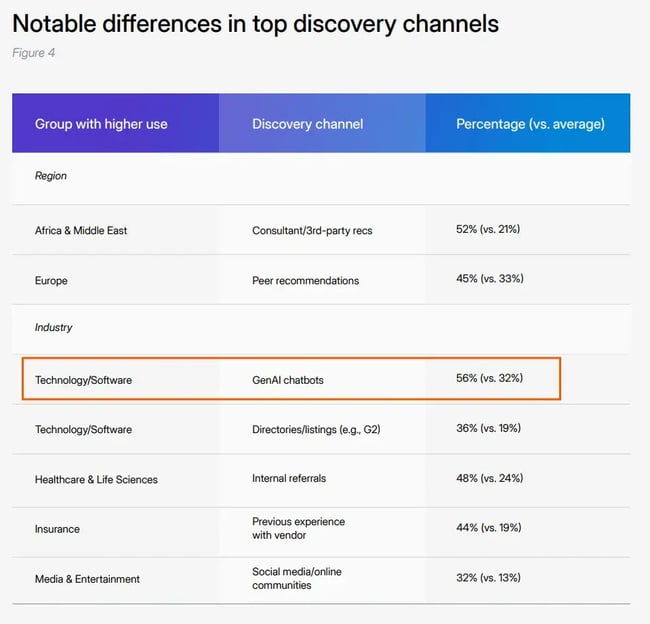
This critical evolution in buyer behavior is underscored by recent industry research. A pivotal study by Responsive, "Inside the Buyer’s Mind," revealed a startling statistic: 56% of SaaS buyers now initiate their vendor research using generative AI tools. This figure starkly contrasts with the broader B2B market, where 32% of buyers start with AI chatbots compared to 33% using traditional web search. The heightened reliance on AI within SaaS demonstrates a clear preference for quick, synthesized insights over navigating multiple websites. Consequently, SaaS brands that fail to appear prominently and accurately in AI-driven search results risk being entirely overlooked during the crucial discovery and consideration phases. They are effectively out of the race before formal evaluations or product trials even begin, highlighting the urgent need for a dedicated AEO strategy.
Understanding the AEO Imperative for SaaS

The unique characteristics of the SaaS market—complex products, intricate use cases, diverse buyer personas, and long sales cycles—make AEO particularly vital. Unlike traditional search engines that present a list of links, AI answer engines act as intelligent consultants, summarizing information from various sources, drawing comparisons, and offering tailored recommendations. If a SaaS product’s key differentiators, pricing models, and specific problem-solving capabilities aren’t clearly articulated and structured for AI consumption, it simply won’t be featured.
The implications are substantial. In a competitive market where buyers are inundated with choices, being accurately represented and recommended by an AI assistant can be the difference between making a shortlist and being invisible. This is not just about brand awareness; it’s about being actively considered and validated by an intelligent system that a buyer trusts to guide their initial decision-making. Marketing leaders are increasingly recognizing that the "no-click search" phenomenon, while potentially reducing direct website traffic for informational queries, simultaneously elevates the importance of authoritative presence within AI summaries. Industry analysts predict that the share of search queries handled by AI will continue to grow, making AEO a foundational element of future digital strategy.
Core AEO Strategies for SaaS Companies
To effectively navigate this new landscape, SaaS marketing teams must adapt their content and technical strategies. The following pillars represent key areas for optimizing for answer engines, each designed to increase the likelihood of a brand being surfaced, referenced, and trusted by AI systems at critical points in the buyer’s journey.
1. Optimize for Early-Stage Visibility and Evaluation Feeds
The initial phases of the SaaS buyer journey often involve extensive learning and exploration. Buyers seek to understand problems, identify potential solutions, and grasp the core functionalities of different software categories. AI-driven answer engines are exceptionally well-suited for these top-of-funnel queries, providing concise explanations and broad overviews. To capture this early-stage visibility, SaaS teams must ensure their products are intelligently associated with specific problems, relevant use cases, and tangible outcomes.
Practically, this involves crafting content that explicitly links product features to solutions for common industry challenges. For instance, a project management SaaS might create content around "how to streamline cross-functional collaboration" rather than just "project management features." This type of content, when structured effectively, allows AI to interpret and surface the brand as a relevant solution when buyers are still defining their needs. Research from McKinsey reinforces this, showing that approximately 70% of AI-powered search users initially engage with top-of-funnel questions to learn about a category, brand, or service. If a brand is absent or poorly represented at this stage, it misses the opportunity to shape the buyer’s understanding of the market and its potential solutions, making it unlikely to appear on subsequent shortlists.
This early exposure is critical because, as Responsive’s research indicates, buyers typically start with a long list of around eight potential vendors before narrowing it down to three or four for deeper evaluation. Optimizing for early-stage AEO visibility ensures that the product is clearly positioned and consistently linked to the right problems and outcomes in AI-generated answers, thereby increasing its chances of being carried forward into later, higher-intent evaluation-stage queries. While traditional SEO might have focused on driving clicks for informational content, AEO prioritizes accurate summarization and citation within the AI overview, even if it doesn’t always result in a direct click to the website. This represents a fundamental shift in how the value of top-of-funnel content is measured.
2. Prioritize Evaluation-Stage Questions, Beyond Problem Awareness
Once buyers have a foundational understanding of a problem and potential solutions, their focus shifts decisively towards evaluation. At this stage, they are comparing options, scrutinizing features, validating claims, and assessing the fit of various solutions for their specific organizational needs. SaaS companies must actively address these evaluation-stage queries in a manner that is easily digestible and synthesizable by AI.
This means developing content that directly facilitates comparison and validation. Examples include detailed feature comparisons, explicit use case scenarios, transparent pricing information, and clear explanations of product benefits versus alternatives. If a brand’s website lacks comprehensive answers to questions like "What are the key differences between [Product A] and [Competitor B]?" or "How does [Product C] handle [specific industry regulation]?", AI systems will naturally pull information from other sources. This can lead to inaccurate or unfavorable product positioning, especially if crucial details like SaaS pricing models are hidden or difficult to parse.

By proactively providing well-structured answers to these critical questions, SaaS brands can directly influence whether their product makes a buyer’s shortlist. This type of content, when optimized for AEO, ensures that AI systems can accurately summarize and present the brand’s strengths, competitive advantages, and suitability for specific buyer needs, moving the product closer to a trial or demonstration. This tactical content creation becomes a competitive differentiator, preventing competitors or general AI summaries from defining a product’s narrative.
3. Cultivate Third-Party Validation and Credibility Signals
AI-driven answer engines are inherently designed to prioritize trustworthiness and objectivity. Consequently, they place significant weight on third-party sources when synthesizing information, comparing SaaS products, and making recommendations. While first-party content is essential for establishing relevance and expertise, independent validation from reputable external sources often solidifies credibility in the eyes of AI.
SaaS companies should actively pursue and leverage public relations (PR) efforts to secure mentions in industry publications, engage with influential industry analysts for reports and rankings, encourage and manage customer reviews on prominent platforms like G2, Capterra, and TrustRadius, and foster strong partnerships with complementary software providers. When multiple independent sources describe a SaaS product in consistent and favorable terms, AI systems gain confidence in summarizing and positioning the brand. PR coverage, analyst reports, positive reviews, and partner content serve as crucial signals that help answer engines validate claims, resolve potential ambiguities, and assess the overall trustworthiness of a brand.
This strategy is particularly effective for "best for," comparison,