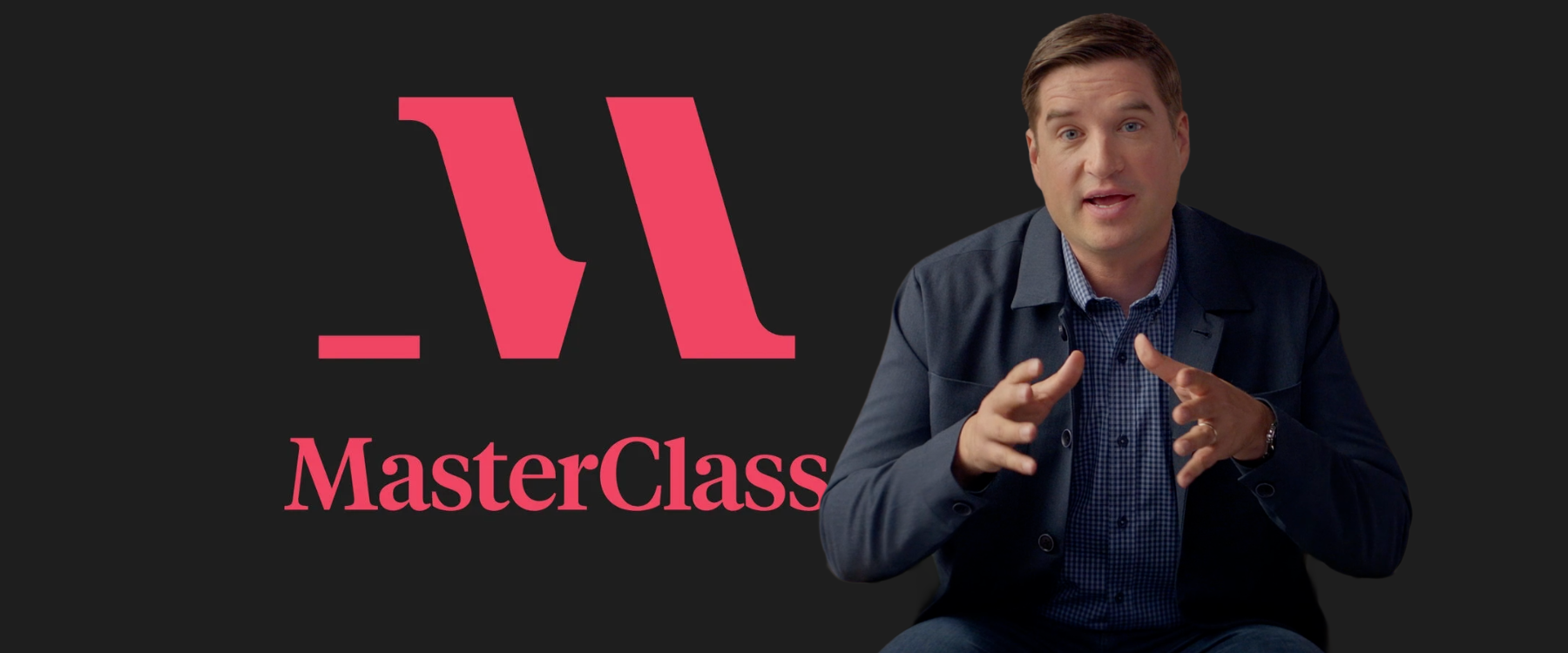
The landscape of online education and content creation is experiencing a significant evolution, underscored by the recent launch of author and computer science professor Cal Newport’s new MasterClass course, "Rebuild Your Focus & Reclaim Your Time." Filmed last fall and released last week, the course draws heavily from Newport’s acclaimed books, Slow Productivity and Deep Work, offering subscribers a deep dive into strategies for combating digital distraction and enhancing focused work. However, the production quality of the MasterClass offering has prompted Newport to reflect on a broader trend: the rapidly diminishing gap between independent online video and traditional, high-production-value legacy media.
Newport, known for his critiques of modern digital culture and advocacy for deliberate, focused living, detailed his experience filming the course, highlighting the stark contrast between his previous media appearances and the professional caliber of MasterClass’s production. While he has been a guest on numerous prominent video podcasts and television programs, including interviews with Mel Robbins, Andrew Huberman, and Rich Roll, the MasterClass production set a new benchmark.
A Glimpse into High-End Online Video Production
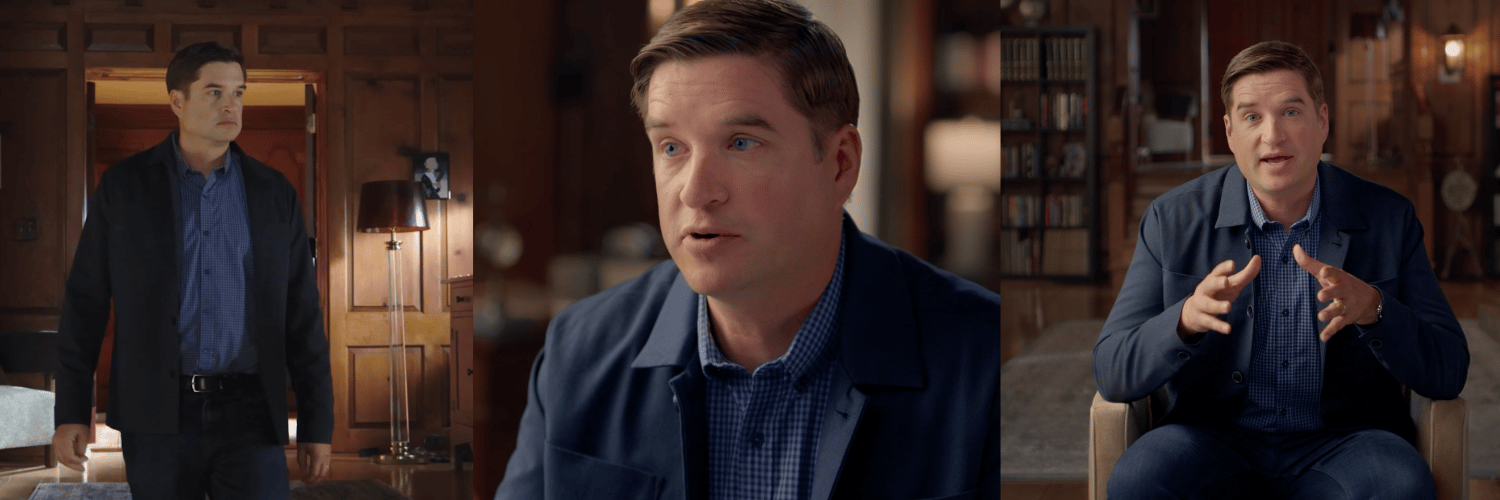
"One of the most striking things about working with MasterClass is its production values," Newport stated in his recent newsletter. He described the experience as akin to "starring in a dramatic series or independent film," a far cry from the typical setups he’s encountered. While many popular video podcasts feature respectable sets with diffused lighting and multi-camera arrangements, MasterClass employed a full-scale, television-quality production crew. This included a director, a cinematographer, dedicated camera operators, focus pullers, gaffers, grips, and production assistants. The presence of a makeup artist who had recently worked on the HBO series Sinners further emphasized the level of professionalism.
This elevated production standard, achieved by an independent platform like MasterClass, is not funded by a traditional streaming giant or major television studio. Instead, it represents a significant investment in content quality that rivals established media outlets. This observation leads Newport to a critical point: the persistent "quality gap" that has historically separated independent video, primarily disseminated through platforms like YouTube, from legacy video, traditionally consumed via streaming services or linear television.
The Erosion of the "Quality Gap"
Historically, this discernible difference in production value has influenced consumer behavior and perceived value. Audiences are generally willing to pay for premium content on platforms like Netflix, while content with a slightly lower, though still professional, production standard is often relegated to ad-supported, general-use platforms. This stratification has shaped content discovery, monetization strategies, and audience expectations.
However, Newport argues that this distinction is rapidly dissolving. Platforms and independent creators are increasingly capable of achieving television-grade production values without the massive budgets or established infrastructure of legacy media companies. This trend has profound implications for the future of online media consumption and creation.
The Rise of the "Micro-Streamer"
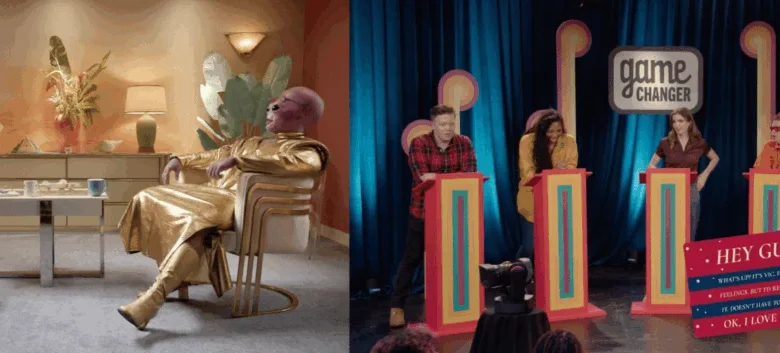
A compelling example of this emerging paradigm is Dropout TV, a comedy streaming service that operates on a subscription model. For a modest monthly fee of $6.99, subscribers gain access to a library of original, unscripted shows. Crucially, these programs are produced with a visual and auditory quality that is "indistinguishable from what you would find on, say, Netflix programs like Is it Cake? or Nailed It!."
Dropout TV’s journey from its origins on the early 2000s website CollegeHumor.com to its current success offers a blueprint for this new wave of content providers. Initially, CollegeHumor pivoted to YouTube, but its creators grew frustrated with the reliance on third-party algorithms and the unpredictable nature of advertising revenue. This led to the development of their own subscription-based platform, which has since garnered over a million subscribers.
Newport identifies this model – characterized by high-quality, legacy-level programming and a focused, dedicated audience – as a "micro-streamer." These entities are not beholden to the broad, mass-market appeal demanded by major streaming services. Instead, they cater to specific niches, offering curated content that resonates deeply with a particular demographic.
Data and Trends in the Streaming Market
The growth of micro-streamers aligns with broader trends in the streaming industry. While major players like Netflix, Disney+, and Amazon Prime Video continue to dominate market share, there’s a growing appetite for specialized content. Data from industry analysts indicates a fragmentation of the streaming landscape, with consumers subscribing to multiple services to access diverse content libraries.
For instance, a 2023 report by Nielsen found that the average US consumer subscribes to 4.5 streaming services. This indicates a willingness to diversify subscriptions beyond the major players, creating an opening for niche platforms. Furthermore, the cost-effectiveness of micro-streamers, often priced significantly lower than major services, makes them an attractive addition for consumers seeking value and specific content.
The ability of independent creators to leverage advancements in production technology and distribution platforms is democratizing content creation. High-definition cameras, sophisticated editing software, and cloud-based rendering are now more accessible than ever. This technological democratization, combined with the direct-to-consumer subscription model, empowers creators to bypass traditional gatekeepers and build direct relationships with their audiences.
Implications for the Future of Content
The convergence of high production values and independent distribution raises significant questions about the future of online video. As the distinction between "independent" and "legacy" production quality continues to diminish, several implications emerge:
- Democratization of Premium Content: More creators will be able to produce content that meets professional standards, leveling the playing field and increasing the diversity of voices and genres available to consumers.
- Shift in Monetization Models: The success of platforms like Dropout TV suggests a viable alternative to ad-supported models, enabling creators to build sustainable businesses through direct audience support.
- Increased Competition for Major Streamers: As micro-streamers gain traction, they will inevitably draw audiences away from larger platforms, forcing major players to innovate and potentially adapt their content strategies.
- Evolving Consumer Expectations: Audiences may become accustomed to higher production values across all online video platforms, leading to a re-evaluation of what constitutes "premium" content.
- The Rise of Niche Audiences: The ability to serve targeted audiences effectively will become increasingly important, moving away from a one-size-fits-all approach to content delivery.
Newport’s MasterClass course, with its polished presentation, serves as a tangible example of this evolving media ecosystem. It demonstrates that high-quality educational content can be produced independently and delivered effectively, resonating with an audience seeking to improve their lives and work habits.
The "Deep Life" and the Future of Media
Newport’s work consistently advocates for a "Deep Life," characterized by intentionality, focus, and meaningful engagement. The rise of micro-streamers, in this context, can be seen as a parallel development in the media sphere – a move towards more intentional, focused content consumption. Instead of passively scrolling through endless feeds on mass-aggregation platforms, audiences are actively seeking out curated experiences that align with their specific interests.
The success of Dropout TV, with over a million subscribers, indicates a strong market for this type of targeted content. As the barrier to entry for high-quality video production continues to lower, it is plausible to anticipate a proliferation of similar micro-streamer platforms. These services could cater to a wide array of interests, from niche comedy and educational content to specialized documentaries and independent filmmaking.
While the era of major streaming services dominating the entire market may be drawing to a close, the future of online video appears to be one of greater diversity, specialization, and creator empowerment. The journey from CollegeHumor to Dropout TV, and the high-production experience of Cal Newport’s MasterClass, are indicative of a significant shift, where quality content, regardless of its origin, can find and cultivate a dedicated audience. The potential for a "Deep Life TV" app, alongside established giants on smart TVs, is no longer a distant fantasy but a foreseeable development in the ever-evolving digital media landscape.