How to Strategically Evaluate and Select the Ideal B2B Ecommerce Platform for Modern Business Growth


The landscape of business-to-business (B2B) commerce is undergoing a fundamental transformation, driven by a buyer base that now expects the same seamless, self-service convenience found in consumer-facing retail. As organizations transition from traditional offline sales cycles to digital-first models, the selection of an ecommerce platform has become a critical strategic decision. This choice determines not only how a company processes orders today but also its capacity to scale, pivot, and integrate with complex back-end systems in the future.

The Evolution of the Digital B2B Buyer
Contemporary B2B buyers have evolved; they prioritize efficiency, transparency, and independence. According to recent industry reports, the modern B2B purchasing journey is increasingly fragmented, with buyers conducting extensive research via digital channels before ever contacting a sales representative. Research from Forrester indicates that nearly 94% of business buyers now utilize artificial intelligence at some point in their procurement process, signaling a shift toward automated, data-driven decision-making.
For businesses, this necessitates a move away from static, brochure-style websites toward fully functional commerce portals. These platforms must accommodate negotiated pricing, tiered discounts, credit terms, and complex permission hierarchies. A manufacturer or wholesaler can no longer rely on a "one-size-fits-all" checkout experience; they must provide tailored portals where authorized users can manage procurement, track order history, and access contract-specific pricing in real time.

Strategic Considerations for Platform Selection
Before committing to a technological partner, organizations must undergo a rigorous internal audit. The primary objective is to align platform capabilities with specific operational requirements. This process involves categorizing the business model: is it a high-volume wholesale operation, a custom manufacturing facility, or a hybrid B2B/DTC (direct-to-consumer) entity?
Scalability is the cornerstone of this evaluation. A platform that serves a business well at $1 million in annual revenue may fail under the weight of $50 million. Key areas for assessment include:

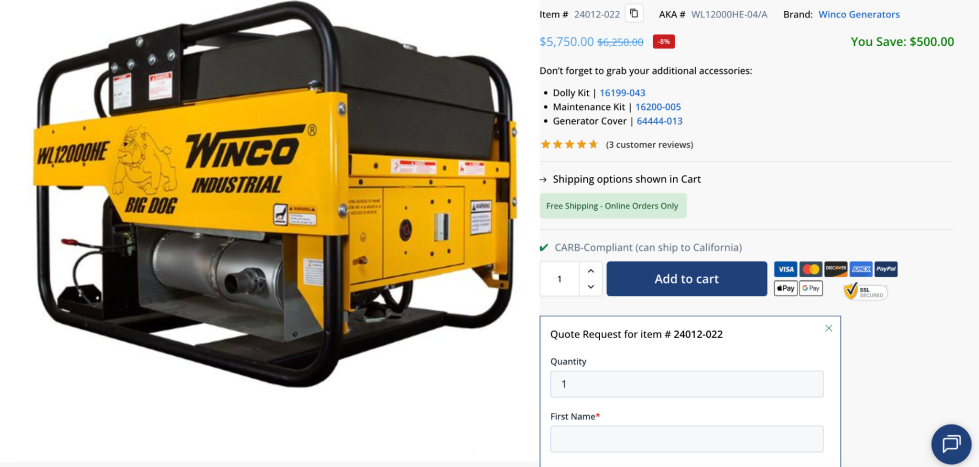
- Buying Path Flexibility: Does the platform support multiple conversion paths? Some buyers require a standard "add-to-cart" experience, while others need to submit technical specifications, request quotes, or assemble configurable products from diverse inventory components.
- Account-Based Customization: The ability to enforce business rules—such as restricting product visibility, setting purchasing limits, or defining unique shipping options—is non-negotiable for B2B.
- Backend Integration: An ecommerce storefront is only as effective as the data flowing behind it. A robust platform must integrate natively or via API with ERP (Enterprise Resource Planning), CRM (Customer Relationship Management), and warehouse management systems to ensure that inventory levels, tax calculations, and shipping logistics are synchronized across the organization.
Comparative Analysis: Open Source vs. SaaS
The market currently presents two primary paths: managed Software-as-a-Service (SaaS) platforms and open-source ecosystems. The trade-off is often between immediate convenience and long-term control.
Proprietary SaaS platforms like Shopify and BigCommerce offer ease of use and reduced maintenance burdens by bundling hosting and security. However, these benefits often come with significant limitations regarding customization and cost structures. As businesses grow, these platforms frequently shift users into higher-tier plans based on Gross Merchandise Value (GMV), effectively creating a "success tax" where the cost of the platform rises in direct correlation with the company’s success. Furthermore, advanced B2B features—such as custom catalogs or specific checkout workflows—are often gated behind enterprise-level subscriptions, which can run into thousands of dollars per month.
In contrast, open-source solutions like WooCommerce provide an environment where the business retains complete ownership of its commerce stack. This model allows companies to build in an environment they manage, from selecting the hosting provider to developing proprietary integrations. Because the core software is free, costs are primarily driven by specific functional extensions, such as wholesale management, product configuration, or subscription modules. This predictability is a significant advantage for businesses seeking to maintain a stable cost of ownership regardless of their revenue fluctuations.
Case Studies in Digital Transformation
The efficacy of these platforms is best illustrated through real-world applications. Consider the case of Kellox, a major Norwegian importer of motorized equipment and parts. By leveraging WooCommerce, Kellox successfully connected its storefront to Microsoft Dynamics NAV, enabling the management of over 800,000 unique SKUs. The platform allows dealers to access personalized pricing and availability, maintaining page load speeds under two seconds despite the massive catalog size—a feat that requires significant technical agility.

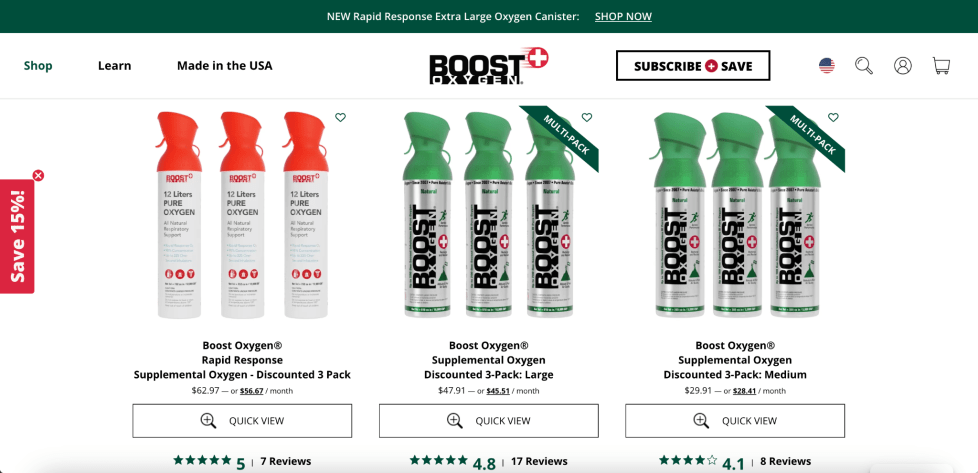
Similarly, Boost Oxygen has utilized vertical integration to manage disparate purchasing models. By connecting its ecommerce storefront to NetSuite via specialized extensions, the company seamlessly handles both wholesale bulk orders and DTC consumer sales within a single ecosystem. This eliminates the need for redundant systems, reducing the administrative burden on the operations team.
For manufacturers like Luna Glamping, the requirement was for a high-value product configurator. By migrating to a flexible, open-source foundation, they created a system where buyers can select from 18 different upgrades per unit and choose between immediate purchase or a consultative quote process. This dual-path approach is emblematic of the "customer-first" strategy that modern B2B platforms must support.
Implications for the Future of B2B
As artificial intelligence continues to permeate the procurement process, the role of the ecommerce platform will shift once more. AI agents are increasingly tasked with reading product pages and identifying procurement opportunities on behalf of buyers. This poses a unique challenge for B2B organizations: if pricing is hidden behind a login, how can an AI agent accurately assess the value proposition?
The companies that succeed in the next decade will be those that prioritize modularity and data accessibility. A platform that locks a business into a rigid, vendor-controlled structure will struggle to adapt to the emergence of AI-driven procurement tools. Conversely, businesses that utilize open, API-first architectures will be better positioned to expose their data—securely and strategically—to the tools that their customers are already using.

Conclusion: A Framework for Decision Making
When evaluating a B2B ecommerce platform, leadership teams should avoid the temptation to select based on a "feature checklist." Instead, they should build a comprehensive documentation of their business processes and map them against the following evaluation areas:
- Buying Paths: Does the platform accommodate direct ordering, quote requests, and complex product configuration?
- Account Management: Are there granular controls for customer roles, pricing, and purchasing permissions?
- Systems Integration: How easily does the platform connect with existing ERP, CRM, and inventory systems?
- Adaptability: Can the platform grow into new regions and business models without requiring a full re-platforming?
- Cost Structure: Does the platform incentivize or penalize growth through transaction fees and scaling tiers?
The ultimate goal is to establish a digital foundation that supports current operations while remaining agile enough to accommodate the unforeseen requirements of the future. Whether a business is a mid-market wholesaler or an enterprise manufacturer, the choice of platform is not merely a technical decision; it is a fundamental pillar of its long-term competitive strategy. By focusing on ownership, integration, and flexibility, organizations can ensure that their ecommerce infrastructure remains an asset rather than an obstacle to growth.