The practice of cold calling—the unsolicited contact of a prospective customer who has had no prior interaction with the salesperson—remains a cornerstone of the professional sales industry, despite persistent claims regarding its obsolescence. While the digital age has introduced email marketing, social selling, and automated lead nurturing, industry data consistently demonstrates that direct, human-to-human outreach remains one of the most effective methods for pipeline generation. However, a significant psychological barrier persists: call reluctance. This phenomenon, characterized by the intense emotional dread associated with initiating unsolicited contact, continues to affect sales professionals across all levels of experience.
The Neuroscience of Rejection and Avoidance
Psychological research into the sales profession suggests that the aversion to cold calling is not a sign of incompetence or a lack of drive, but rather a manifestation of an ancient survival mechanism. Human neurobiology is conditioned to prioritize social belonging. Historically, rejection from a group meant isolation, which historically equated to a direct threat to survival.
Modern behavioral science indicates that the brain processes social rejection in the same regions that register physical pain. When a sales representative encounters a curt dismissal or a hanging-up of the phone, the brain’s amygdala triggers a fight-or-flight response. This results in physiological symptoms such as elevated heart rate, perspiration, and the narrowing of focus. Consequently, many professionals engage in "procrastination by preparation"—spending excessive time researching a lead or refining a CRM entry—to avoid the immediate discomfort of the dialing process. This avoidance behavior is a protective mechanism, designed to shield the individual from the perceived threat of social rejection.
The Evolution of Prospecting Methodologies
The perception that cold calling is "dead" has gained traction in recent years, largely driven by the rise of inbound marketing and the proliferation of digital platforms. In 2023, industry surveys from groups like HubSpot and Salesforce indicated that while marketing automation is critical for lead volume, outbound sales efforts are still responsible for roughly 30% to 50% of revenue in B2B organizations.
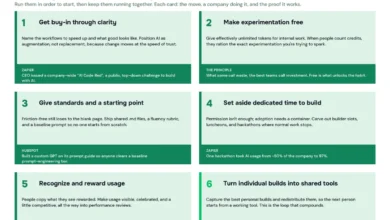
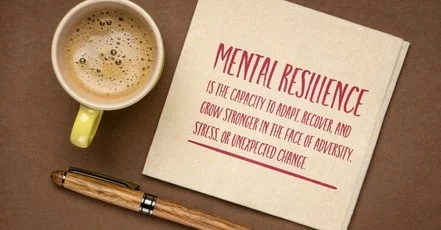
The shift in the sales landscape is best characterized by the transition from "spray and pray" mass-dialing to a more targeted, data-driven approach. Historically, the 1980s and 90s focused on volume-based metrics. Today, the focus has shifted toward "intelligence-led" prospecting. Despite this evolution, the fundamental requirement of the role—the ability to interrupt a prospect and secure their attention—has remained unchanged. The challenge for modern sales leaders is not the lack of efficacy in cold calling, but the decline in individual mental resilience among new entrants to the field.
The Delayed Reward Problem in Sales Performance
A critical factor in the attrition rate of sales professionals is the structural misalignment between effort and reward. In many sales cycles, the prospecting activities performed today do not yield a financial return for 90 to 180 days. This "delayed gratification" model creates a cognitive dissonance where the effort (cold calling) feels immediate and painful, while the reward is distant and abstract.
This dynamic is frequently compared to physical training. In the same way that a bodybuilder must endure muscle tissue breakdown to achieve growth, a sales representative must endure the rejection of the prospecting process to build a robust pipeline. The failure to conceptualize cold calling as a "muscle" to be built leads to high turnover in the first six months of employment for many SDRs (Sales Development Representatives). Organizations that emphasize the necessity of "front-loading" the work report higher success rates in maintaining consistent revenue growth, as they normalize the early-stage discomfort as a prerequisite for success.
Evidence-Based Strategies for Overcoming Call Reluctance
Industry experts and corporate trainers advocate for specific, tactical adjustments to mitigate the psychological impact of cold calling. These strategies are intended to remove the need for daily decision-making, which is often where the fear manifests.
- Structured Call Blocks: By isolating a specific window of time for outbound calls, professionals remove the "choice" element from the process. When the hour is set, the task becomes routine rather than a negotiable event.
- Targeted Account Lists: Research indicates that the higher the relevance of the prospect to the solution, the lower the incidence of harsh rejection. Narrowing the scope of a calling list increases the success rate, which in turn reinforces positive neurological feedback loops.
- The "One More Call" Discipline: A common tactic among top-performing sales executives is the practice of completing one final, unplanned call at the end of every work block. This simple psychological contract helps to desensitize the individual to the "end-of-day" fatigue that typically leads to avoidance.
Industry Perspectives on the Future of Outbound
The prevailing consensus among sales management experts is that while the tools of the trade have changed, the fundamental human element of the sale remains static. As artificial intelligence and automation continue to handle repetitive tasks, the premium placed on the human ability to connect and persuade in real-time is rising.
"The fear of the phone is the single greatest obstacle to individual wealth creation in sales," says industry consultant Jeb Blount. "Those who can master the art of the interruption are effectively insulating themselves against market downturns. When inbound leads dry up, the professional who has maintained their outbound muscle is the only one who remains unaffected."
Broader Economic and Corporate Implications
For organizations, the ability of their sales force to engage in cold calling is a leading indicator of organizational health. Firms that rely exclusively on inbound leads often suffer from a lack of control over their revenue trajectory, becoming overly dependent on marketing trends or the efficacy of their digital advertising spend.
The long-term implication is a bifurcation in the workforce. One segment will continue to rely on passive lead acquisition, while another will master the active pursuit of new business. The latter group, by virtue of their resilience and ability to navigate high-pressure communication, is consistently found to reach higher income brackets and leadership positions within their firms.
Conclusion: The Necessity of Resilience
Ultimately, the data suggests that cold calling is not a relic of the past but a foundational skill that differentiates the high-achievers from the remainder of the field. The physiological discomfort experienced by a salesperson is not a warning sign to stop, but rather an indicator of the effort required to gain a competitive advantage.
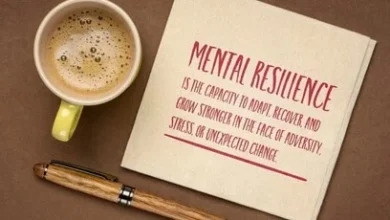
The industry continues to move toward a model where "mental resilience" is categorized as a core competency, on par with product knowledge or technical CRM proficiency. As businesses navigate an increasingly complex economic landscape, the ability to initiate contact, navigate gatekeepers, and secure a prospect’s interest will remain the most reliable way to feed a sales pipeline and ensure organizational longevity. The transition from dread to proficiency is a disciplined, step-by-step process, built on the recognition that the fear will never fully vanish—it will only stop being the factor that dictates the outcome.