WooCommerce 11.1 Release Brings Native Variation Galleries and EU Compliance Tools to Global Merchants

The digital commerce landscape continues to evolve as WooCommerce, the world’s most widely used e-commerce platform, officially announced the release of version 11.1. This update introduces significant structural changes to how product variations are managed and provides new, essential tools for store owners navigating the complexities of European Union consumer protection laws. As the platform maintains its commitment to supporting a diverse ecosystem of small-to-medium enterprises and large-scale retailers, the 11.1 update represents a strategic pivot toward native functionality, reducing the reliance on third-party extensions for core business operations.
The Shift Toward Native Variation Galleries
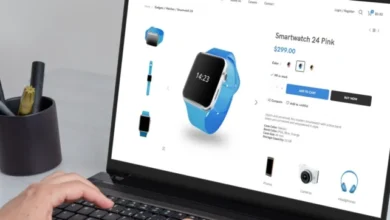
For years, the ability to display multiple images for a single product variation—such as showing a shirt in different colors or from various angles—often required the installation of third-party plugins. With the rollout of WooCommerce 11.1, the platform is officially retiring the legacy "Additional Variation Images" approach in favor of a robust, native Variation Galleries feature.
This transition marks a deliberate move by Automattic, the parent company of WooCommerce, to streamline the merchant experience. By integrating this functionality directly into the core plugin, users can now create image galleries for individual product variations without additional cost or software overhead. The change is being implemented automatically across all updated stores, ensuring that merchants benefit from improved site performance and reduced plugin bloat. Industry analysts suggest that this shift is part of a broader trend among major e-commerce platforms to minimize "plugin fatigue," where site speed and security are compromised by an over-reliance on external software modules.
Addressing EU Consumer Rights Directive Compliance
Perhaps the most significant addition in version 11.1 is the introduction of a dedicated framework for managing electronic order withdrawals, designed specifically to address Article 11a of the European Union’s Consumer Rights Directive. The directive mandates that businesses selling to EU consumers provide a clear, accessible, and transparent mechanism for customers to cancel orders within a designated "cooling-off" period.
The implementation of this feature provides merchants with a standardized "Order Withdrawal" link. When a customer triggers this request, they are redirected to a secure form where they can verify their purchase details before formalizing their request. From an operational standpoint, the system is designed to provide visibility: upon submission, the merchant receives an automated notification via the WooCommerce home dashboard and email.
It is critical to note that the feature serves as a structural tool rather than a fully automated legal compliance suite. The system does not automatically process refunds or alter order statuses, leaving the final decision and financial transaction to the merchant’s discretion. The development team has been clear in their guidance: while this feature facilitates compliance with the directive, it does not guarantee legal adherence in every jurisdiction. Merchants are advised to consult with legal counsel to ensure that their specific refund and return policies align with the local regulations of the countries in which they operate.
Chronology of the WooCommerce Update Cycle
The release of version 11.1 follows a period of rapid iteration for the WooCommerce platform. Throughout the past eighteen months, the development roadmap has focused heavily on the "Headless Commerce" movement and the refinement of the Gutenberg-based block editor.
In early 2025, WooCommerce moved to standardize its internal analytics and dashboard reporting, aiming to give store owners a more holistic view of their sales funnels. By late 2025, the focus shifted toward mobile-first optimization, ensuring that the backend management interface was responsive across various devices. The release of 11.1 in the third quarter of 2026 continues this trajectory, moving away from purely aesthetic updates toward functional, compliance-driven infrastructure.
Historically, WooCommerce has maintained a monthly or bi-monthly update cadence. This predictable schedule allows developers and agencies to plan their maintenance windows, reducing the downtime associated with version upgrades. The 11.1 update arrives as the platform celebrates its continued dominance in the e-commerce market, currently powering an estimated 39% of all online stores worldwide.
Data-Driven Implications for E-commerce Growth
The decision to integrate variation galleries natively is backed by substantial user behavior data. Studies indicate that conversion rates for products featuring multiple, high-quality images are, on average, 20% to 30% higher than those with static, single-image displays. By removing the technical barrier to entry for these galleries, WooCommerce is effectively lowering the cost of acquisition for merchants.
Furthermore, the introduction of the EU-compliant withdrawal workflow addresses a critical pain point for international merchants. Statistics show that the EU market, characterized by stringent consumer protection laws, often acts as a deterrent for smaller, non-EU businesses due to the perceived complexity of legal compliance. By simplifying the withdrawal process, WooCommerce is theoretically lowering the barrier to entry for global brands looking to expand into European markets.
Expert Perspectives and Operational Analysis
Industry experts view the 11.1 release as a maturation of the platform’s core architecture. "We are seeing a move away from the ‘everything is a plugin’ mentality," says one independent WooCommerce consultant. "By pulling essential features like variation galleries into the core, the developers are making the platform more stable and secure for the average user who may not have the technical expertise to manage a bloated plugin library."
However, the manual nature of the withdrawal process has drawn some scrutiny. Critics argue that while the feature meets the letter of the law, the lack of automated refund processing might create a bottleneck for high-volume stores. Conversely, proponents argue that human oversight in the withdrawal process is essential for preventing fraud and managing complex logistics, such as partial returns or damaged goods.
The Broader Impact on the Ecosystem
The implications of these updates extend beyond individual store owners. Developers who previously built and maintained "Additional Variation Image" plugins may need to pivot their business models as the core software absorbs their primary utility. This is a common phenomenon in the WordPress ecosystem, where core updates often replace niche plugins.

For the wider community, this update underscores the importance of maintaining an up-to-date installation. The transition to 11.1 includes various security patches and performance enhancements that go beyond the headline features. Merchants are encouraged to review the official documentation and follow best practices for site backups before initiating the update process.
As e-commerce continues to integrate with increasingly complex global regulatory environments, platforms like WooCommerce must balance the ease of use for beginners with the power required by enterprise-level retailers. The 11.1 release is a testament to this balance—a synthesis of design-centric features like image galleries and compliance-centric tools that protect the merchant-customer relationship.
Next Steps for Merchants
For those looking to leverage the new features, the process is straightforward. Users running the latest version of WordPress are advised to navigate to their dashboard’s update screen. Before applying the update, standard operating procedure dictates that a full site backup should be performed to ensure that any custom themes or existing plugins remain compatible with the new core functionality.
The withdrawal functionality, while available, must be reviewed to ensure it aligns with the store’s existing return policy. Merchants should update their Terms of Service and Privacy Policy pages to reflect the new electronic withdrawal process, ensuring that customers are aware of their rights and the steps required to initiate a cancellation.
As WooCommerce moves toward the end of the 2026 fiscal year, the release of 11.1 sets the stage for future developments in AI-assisted inventory management and automated tax compliance. By providing the tools necessary for both visual storytelling and legal transparency, WooCommerce remains a foundational pillar for businesses seeking to thrive in an increasingly competitive digital marketplace. Whether the goal is to increase engagement through improved product visuals or to simplify international operations, this update provides the necessary infrastructure to scale effectively.