RadioShack Reinvents Its Retail Legacy Through a Pivot to Retro Electronics and Digital-First Operations

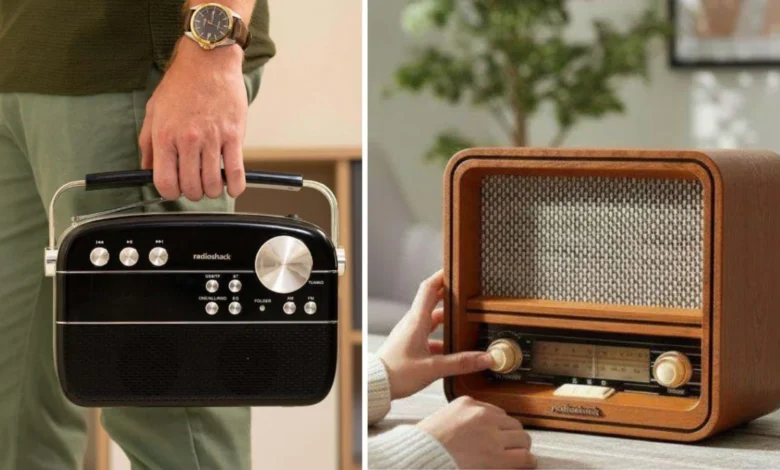
The once-ubiquitous electronics giant RadioShack, which served as the neighborhood hub for hobbyists, engineers, and gadget enthusiasts for nearly a century, has successfully stabilized its operations after years of corporate turbulence. Following its acquisition by the El Salvador-based Unicomer Group in 2023, the brand has abandoned its failed attempts at cryptocurrency-focused retail and has instead pivoted toward a nostalgic business model centered on the legacy of its "Realistic" house brand. This transformation marks a significant departure from the brand’s previous identity under Retail Ecommerce Ventures (REV), signaling a strategic refocus on the core demographic that once defined the company’s peak: those seeking reliable, classic audio-visual components and DIY electronic parts.
A Turbulent Timeline: From Market Dominance to Bankruptcy
To understand the current state of RadioShack, one must examine the precipitous decline that characterized the 2010s. Founded in 1921 in Boston as a supplier for radio equipment, the company eventually became a cornerstone of American retail. By its mid-20th-century zenith, the brand was synonymous with amateur radio, home audio, and the early days of personal computing.
The decline began in earnest as the digital revolution moved away from the components-based model that sustained RadioShack. The following chronology outlines the company’s recent history:
- 2015: RadioShack files for its first Chapter 11 bankruptcy. At this point, the retailer had struggled for years to compete with big-box stores like Best Buy and the rising tide of Amazon.
- 2017: Following a failed partnership with Sprint that saw many stores rebranded as "RadioShack Express," the company files for its second bankruptcy. By June of that year, reports indicated the closure of over 1,000 stores, drastically reducing its physical footprint.
- 2020: Retail Ecommerce Ventures (REV) acquires the brand out of bankruptcy, attempting to pivot the retailer into a digital-only entity with a controversial focus on cryptocurrency and non-fungible tokens (NFTs).
- 2023: The Unicomer Group, a retail conglomerate with a long-standing history as a RadioShack franchisee in Latin America and the Caribbean, acquires the brand from REV, effectively ending the crypto-centric experiment.
The Unicomer Strategy: Returning to Roots
The Unicomer Group’s acquisition has been framed as a stabilization move. Unlike its predecessors, which sought to transform the brand into a speculative tech platform, Unicomer possesses deep institutional knowledge of the brand’s operational history. By maintaining a franchise-based model, the company has managed to preserve the brand’s identity while streamlining costs.
Currently, RadioShack operates through a network of 170 authorized dealers. This decentralized model allows the brand to maintain a presence in local markets without the crushing overhead costs associated with the thousands of corporate-owned locations that ultimately led to the brand’s insolvency. The current business model relies on a lean digital-first infrastructure, which allows the company to reach its global customer base while minimizing the risk of physical retail expansion.
The Resurgence of the "Realistic" Brand
The most significant driver of RadioShack’s current growth is the market’s appetite for retro-styled electronics. Market data suggests a growing trend in consumer behavior where individuals are opting for "analog" or "classic" hardware, driven by a combination of aesthetic preference and the perceived longevity of older manufacturing standards.
Under the Unicomer management, RadioShack has leaned heavily into its "Realistic" house brand. During the company’s heyday, Realistic was a staple in households across North America, known for providing budget-friendly but durable stereo equipment, microphones, and speakers. By reintroducing products that mimic these classic designs, the company is tapping into a multi-generational customer base: older consumers who associate the brand with the "golden age" of home audio, and younger consumers who are participating in the broader cultural trend of "vinyl-era" aesthetics.
Fact-Based Analysis: Why the Pivot Works
The success of this strategy is rooted in brand equity—a concept that the previous owners struggled to leverage. REV’s attempt to associate the RadioShack name with cryptocurrency alienated the core demographic, as it was perceived as a departure from the brand’s mechanical and hobbyist roots. Conversely, the return to hardware acknowledges that RadioShack’s strength was never as a software or financial tech company, but as a supplier of physical tools.
The current business structure is financially more sustainable for several reasons:
- Low Inventory Risk: By focusing on specific, high-demand legacy electronics, the company avoids the pitfalls of stocking rapidly depreciating high-tech consumer goods.
- Franchise Revenue: The 170 authorized dealers provide a steady stream of royalty income, reducing the parent company’s direct exposure to local economic fluctuations.
- Digital Scalability: By shifting to an online-first model, RadioShack can serve customers in regions where it no longer has a physical presence, effectively maximizing its global brand recognition without the need for massive capital expenditure.
Industry Perspectives and Economic Implications
Industry analysts have noted that the "retro-pivot" is not unique to RadioShack. Other legacy brands, such as Polaroid and Technics, have successfully navigated the transition from near-obsolescence to niche profitability by focusing on the "analog renaissance."
"The challenge for any heritage brand attempting a comeback is to avoid becoming a hollow shell," says retail analyst Marcus Thorne. "RadioShack succeeded in the 20th century because it provided a solution to a problem—the need for specific parts and expert advice. The current iteration is successful because it has identified a new problem: the market is flooded with disposable, ‘smart’ electronics that are difficult to repair. By offering items that feel substantial and are rooted in a recognizable design language, they are creating a value proposition that is distinct from modern e-commerce giants."
However, the company still faces significant hurdles. Maintaining brand relevance in an age dominated by high-speed global shipping and instant technical support requires more than just nostalgia. RadioShack must ensure that its products meet modern safety and connectivity standards while retaining the "classic" feel that customers are paying for.
Looking Toward the Future
As the company looks to the remainder of the decade, the focus remains on consolidation rather than rapid expansion. The lessons learned from the 2015 and 2017 bankruptcies—that over-extending a brick-and-mortar footprint is fatal—appear to have been fully integrated into the corporate strategy.
For the Unicomer Group, the objective is clear: to operate as a sustainable, niche retailer that serves as a bridge between the analog past and the digital present. By leveraging the existing 170 authorized dealer network and continuing to iterate on its Realistic product line, RadioShack is attempting to carve out a permanent, if smaller, place in the modern retail landscape.
The brand’s survival, once considered improbable by market observers following its second bankruptcy, serves as a case study in the power of brand equity. It suggests that while business models must evolve, the core identity of a legacy retailer can—if handled with precision—provide a roadmap to stability. Whether this strategy will lead to long-term profitability remains to be seen, but for the moment, the brand has successfully navigated away from the existential threats of its recent past and toward a model that honors its history while acknowledging the constraints of modern commerce.