Bechtel and Waste Treatment Completion Co. Sued Over Alleged Sexual Harassment and Toxic Culture at Hanford Vit Plant

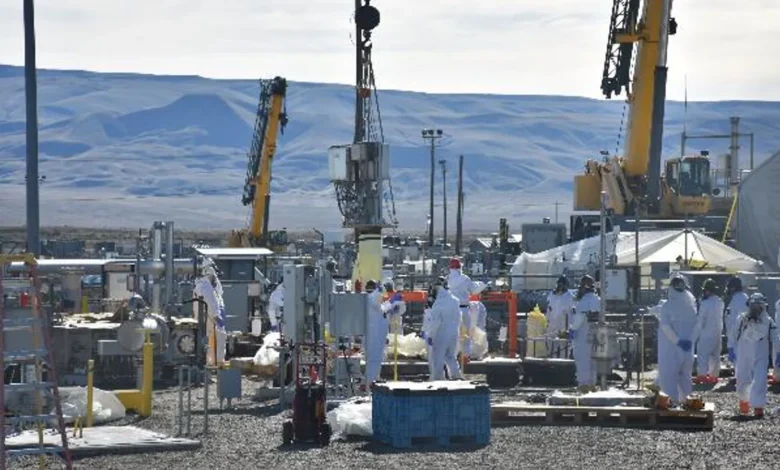
A female apprentice electrician has filed a significant lawsuit in the U.S. District Court for the Eastern District of Washington, alleging a pervasive culture of sexual harassment, intimidation, and professional retaliation at the Hanford Waste Treatment and Immobilization Plant (WTP), commonly known as the "Vit Plant." The legal action names three primary defendants: the plaintiff’s former foreman; Waste Treatment Completion Co. (WTCC); and Bechtel National, the government services arm of the Reston, Virginia-based global engineering giant Bechtel. The complaint paints a harrowing picture of the challenges faced by women in the construction and nuclear cleanup industries, specifically highlighting how legacy power structures and alleged management indifference can create a hostile work environment.
The plaintiff, who was the only woman apprentice electrician at the Hanford Vit Plant during the period in question, alleges that she was subjected to repeated and escalating incidents of sexual harassment. According to the filing, the environment was not only hostile toward her but also extended to her husband, who worked at the same site as a journeyman electrician. The lawsuit seeks redress for lost wages, emotional distress, and attorney fees, while shining a spotlight on the systemic issues that continue to plague high-stakes federal construction projects.
Detailed Allegations of a Hostile Work Environment
The core of the lawsuit centers on the behavior of a specific foreman who allegedly used his position of authority and his family’s deep-rooted history at the Hanford site to shield himself from accountability. Court documents state that the foreman repeatedly boasted about being "bulletproof" and "untouchable" on the jobsite. This perceived immunity was reportedly tied to his family’s five-generation legacy as journeymen at the Hanford site. The lawsuit underscores the influence of this lineage by noting that the IBEW Local 112 union hall is named after the foreman’s grandfather.
This sense of entitlement allegedly translated into a pattern of harassment that was both verbal and physical. The plaintiff claims that the foreman’s father, who also worked at the jobsite in a material tent where she was assigned, participated in the harassment. The complaint describes an atmosphere where the plaintiff was marginalized and targeted due to her gender, creating a workplace where she felt constantly under threat.
The harassment was not limited to the plaintiff. Her husband, also an employee at the plant, reportedly faced targeted mistreatment by the same foreman. The lawsuit suggests that this was a retaliatory tactic or a method of further isolating the plaintiff by creating friction within her personal life and professional support system. The psychological toll of this dual-targeted harassment is a central component of the claim for emotional distress damages.
Chronology of Events and Constructive Discharge
The timeline of the plaintiff’s tenure at the Hanford Vit Plant reveals a steady deterioration of workplace safety and professional standards. The plaintiff began her apprenticeship with hopes of advancing in the electrical trade, a field where women remain significantly underrepresented. However, the alleged harassment began early and persisted throughout her employment.
A turning point occurred when the plaintiff suffered a broken finger, an injury that rendered her unable to perform the standard duties of an apprentice electrician. According to the complaint, despite the injury being documented, the defendants failed to provide reasonable accommodations that would allow her to continue working in a modified capacity. This failure to accommodate a physical disability, combined with the ongoing harassment, created an untenable situation.
In September 2024, the plaintiff felt she had no choice but to resign, a move the lawsuit characterizes as a constructive discharge—a legal term meaning the work environment was so hostile that any reasonable person would feel compelled to quit. Her husband followed suit later that month, citing the continued harassment and the toxic atmosphere that made it impossible for him to remain at the site. The filing of the lawsuit in July 2026 follows a period of administrative review and legal preparation, marking a formal escalation of the dispute into the federal court system.
The Hanford Vit Plant: A High-Stakes Project
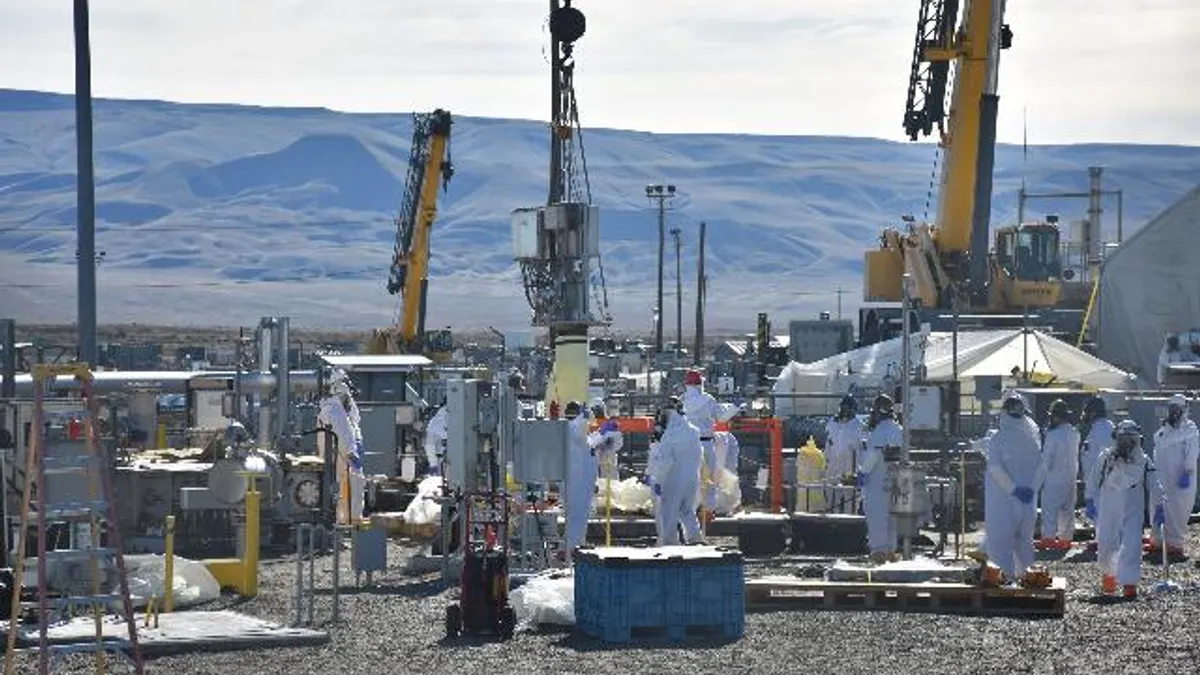
To understand the gravity of these allegations, one must consider the environment in which they occurred. The Hanford site, located in Richland, Washington, is one of the most complex and sensitive nuclear cleanup projects in the world. Established during World War II as part of the Manhattan Project, Hanford produced plutonium for the nation’s nuclear arsenal. Today, it is the site of a massive environmental cleanup effort managed by the U.S. Department of Energy (DOE).

The Vit Plant is the centerpiece of this effort. Its mission is to process 56 million gallons of radioactive and chemical waste currently stored in underground tanks. The "vitrification" process involves mixing the waste with glass-forming materials and heating it to 2,100 degrees Fahrenheit to create a stable, solid glass form that can be safely stored for thousands of years.
Waste Treatment Completion Co. (WTCC) is a limited liability corporation formed by Bechtel National and AECOM specifically to complete the construction, startup, and commissioning of this facility. Because the project is federally funded and critical to national environmental safety, the standards for workplace conduct and safety are theoretically among the highest in the country. The allegations of a "bulletproof" foreman and systemic harassment suggest a significant disconnect between corporate policy and jobsite reality.
Corporate and Union Responses
In response to the lawsuit, Bechtel National and WTCC issued a joint statement through spokesperson Staci West. The statement emphasized the companies’ commitment to a safe workplace while declining to address the specifics of the case.
"Bechtel does not tolerate harassment, intimidation, or discrimination of any kind and is committed to maintaining a safe and respectful workplace," the statement read. "Given that this matter is the subject of pending litigation, it would not be appropriate for us to comment further at this time."
The role of IBEW Local 112 has also come under scrutiny, though the union is not named as a primary defendant in the initial reports of the filing. The fact that the foreman’s family legacy is so deeply intertwined with the union’s history raises questions about the efficacy of union grievance procedures in cases where the accused holds significant social and historical capital within the organization. In many trade environments, the "brotherhood" culture of unions can inadvertently protect bad actors if there is not a robust, independent mechanism for reporting and investigating harassment.

Broader Industry Context: Harassment in Construction
The lawsuit against Bechtel and WTCC is not an isolated incident but rather a reflection of a documented trend within the construction industry. Despite decades of efforts to diversify the workforce, construction remains one of the most male-dominated sectors in the United States, and it has frequently been criticized for maintaining a culture of hostility toward women and minorities.
In 2023, the Equal Employment Opportunity Commission (EEOC) released a scathing report on the state of the construction industry. The report noted that "harassment is a significant barrier to the retention of women and people of color in construction." The EEOC found that women in the trades often face not only "quid pro quo" harassment but also a constant barrage of "environmental" harassment designed to make them feel unwelcome or incompetent.
Furthermore, a 2021 report from the Institute for Women’s Policy Research (IWPR) provided startling statistics:
- Approximately 26.5% of women in construction reported being "always or frequently" harassed specifically because of their gender.
- More than 20% of tradeswomen reported that they frequently or always face different (and often more dangerous) work assignments than their male counterparts.
- Nearly 50% of women in the trades reported being treated differently than men in regards to promotions and hiring.
These statistics suggest that the "only woman apprentice" dynamic described in the Hanford lawsuit is a high-risk scenario for harassment. When women are isolated on jobsites, the lack of a peer support network makes it easier for harassers to operate without fear of intervention from bystanders.
Legal and Practical Implications
As the case moves forward in the Eastern District of Washington, it will likely hinge on the "notice" requirement of Title VII of the Civil Rights Act. The court will examine whether the plaintiff reported the harassment to management and whether Bechtel and WTCC took "prompt and effective remedial action." The foreman’s alleged claims of being "untouchable" will be particularly damaging if the plaintiff can prove that management was aware of his behavior but failed to act due to his family’s influence or his technical expertise.
The lawsuit also highlights the risks associated with "legacy" hiring and the potential for nepotism to create toxic micro-cultures within large-scale projects. While multi-generational participation in the trades is often celebrated as a sign of industry health, this case suggests it can also create power imbalances that are difficult for outsiders—especially women and new apprentices—to navigate.
For Bechtel and the Department of Energy, the lawsuit represents a significant reputational risk. The Hanford Vit Plant is already under intense scrutiny for its budget overruns and timeline delays. Allegations of a toxic and discriminatory workplace could lead to increased federal oversight and requirements for more stringent diversity, equity, and inclusion (DEI) monitoring on-site.
Conclusion
The lawsuit filed by the former apprentice at the Hanford Vit Plant serves as a stark reminder that technical excellence in engineering and construction cannot be divorced from the human element of workplace safety. As the Vit Plant moves toward its goal of treating millions of gallons of nuclear waste, the legal system will now determine whether the companies in charge failed in their most basic duty: protecting their workers from harassment and ensuring that the "bulletproof" status of a few does not come at the expense of the many. The outcome of this case could set a precedent for how legacy power structures are managed in unionized federal contracting environments for years to come.